
This Kansas City area ministry leader says people come to him yearning to be straight
Andrew Comiskey doesn’t think cities should ban the type of work he does: helping gay people who want to be straight.
“The truth is there are persons … who don’t want to follow the LGBTQ party line in regards to gender transition or gay identification, etc.,” Comiskey, the founder of Desert Stream Ministries in Grandview, told The Star.
“So my problem is simply banning a person’s right to receive clinical care for their sexual and relational goals that do not line up with LGBTQ norms.”
Comiskey has written several books about healing “sexual brokenness,” how Jesus heals homosexual people. And he’s argued in support of that help in front of Kansas City’s City Council, pleading against a ban on such therapy.
Desert Stream trains pastors and other church leaders — he calls them “skilled helpers” — to minister to “the broken.”
They are not therapists, he says, so their work would not be affected by any conversion therapy bans that apply only to licensed therapists.
There are possibly 46 practitioners in the Kansas City area, according to Born Perfect, a national campaign to ban conversion therapy. The estimate includes therapists who don’t use the term “conversion therapy” and who offer their services using language such as “reparative therapy” and “treatment of same-sex attraction.”
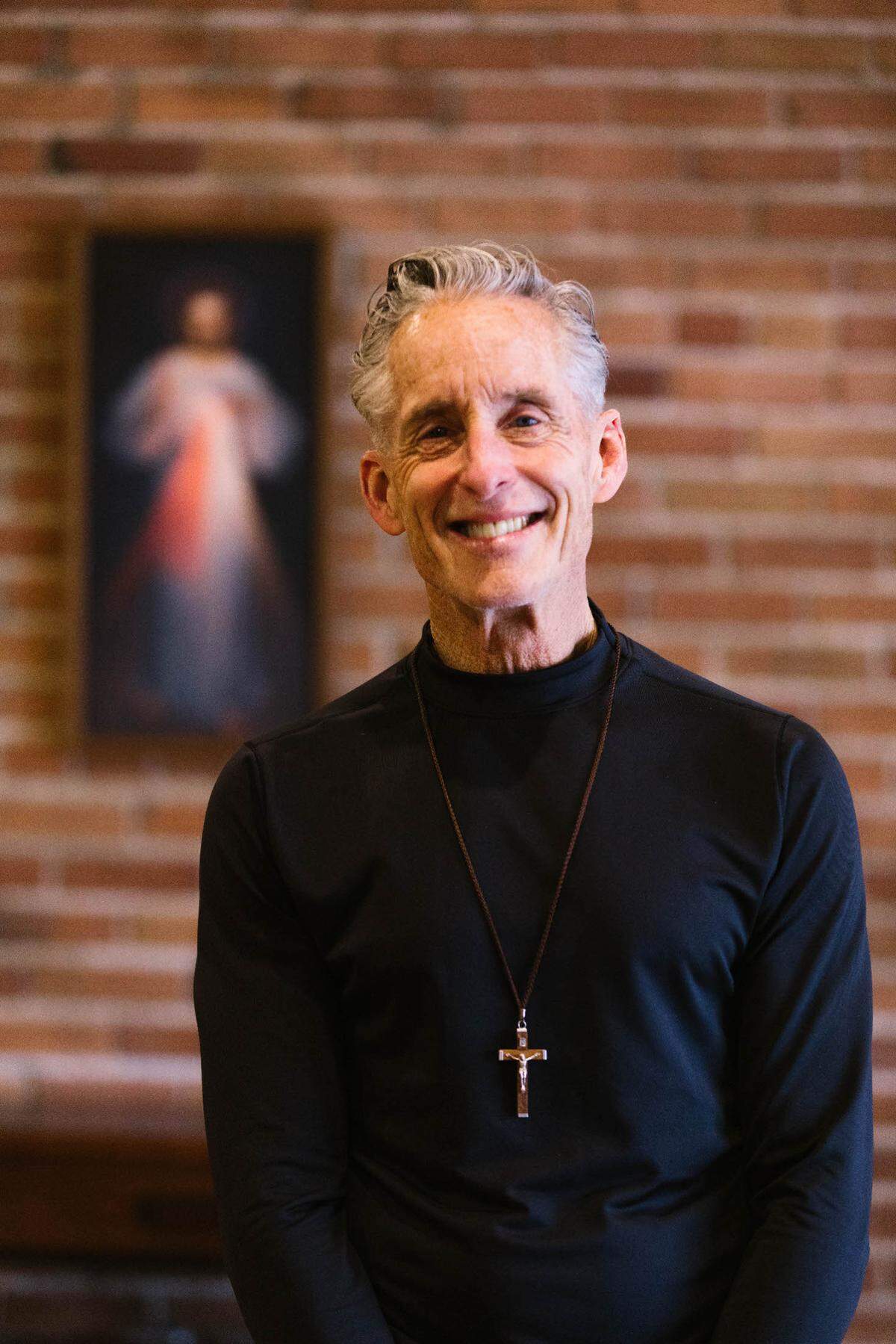
Comiskey founded Desert Stream Ministries in 1980 in California. He, his wife and children moved from Southern California to Kansas City in 2005 when the couple first worked at the International House of Prayer, according to the ministry website.
The Living Waters program offered by the ministry is 20 weeks of worship, teaching and small group prayer designed for people struggling with a host of problems, including gender identity issues and unwanted same-sex attraction, the website says.
The program is offered on every continent, including at least eight churches in the Kansas City metro area, according to the website.
Desert Ministries once belonged to Exodus International, a network of ministries considered a leader in the “ex-gay” movement until 2012. Desert Ministries broke away after the president of Exodus International, Alan Chambers, declared there was no cure for homosexuality and that “reparative therapy” offered false hope to gay people and could be harmful.
Two years ago, before Kansas City banned conversion therapy for LGBTQ minors, Comiskey stood in front of the council and told how he had identified as gay as a teenager but chose to pursue faith.
“My wife today is grateful. Four children later, six grandchildren later — best decision I ever made,” he told the council then. “I believe this bill is wrong because it bans choice for persons like me. It says one way forward for vulnerable youth — that is the LGBT way and no other way.”
He told council members that “this whole reparative therapy situation is a boogey man,” the “catch-all villain for an LGBT agenda,” but added he was taking no position “against teenagers who want to gay identify or transition gender.”
People who do not want to be gay and seek clinical help should have access to people who can help them, Comiskey told The Star recently. “The point is to have a diversity of clinicians in any community that can handle a variety of needs and goals,” he said.
“No one is going to have a hard time finding a therapist who helps a person identify as the opposite gender or make peace with their homosexuality,” he said.
“(But) there are people who are intrinsically not at peace with some of the 21st-century solutions, alternate identifications that simply do not line up with their goals, their conscience, etc. And I think those people deserve sound, clinical treatment and the decision to pursue that.”
This is his take on the move to ban conversion therapy nationwide and around Kansas City.
He said city council members talk to the LGBTQ community “and they feel very sympathetic to persons they deem as a minority, and oppressed, and … apparently we all have our stories … we all have narratives. I think the fact that one has a narrative doesn’t necessarily correlate with objective reality in all cases.
“But, regardless, narratives are being used effectively in front of these little city councils that scare their hearts. And they think, ‘Oh, well, we don’t want anyone to ever go through this.’
“But what they’re actually doing is claiming that therapy itself is based on one professional absolutely asserting a diabolical agenda on someone who has no choice in the matter. And in my own training, and in my own experience of psychotherapy, as a young man, as an older man, in my marriage, I simply, vehemently disagree. Private psychotherapy does not operate like that.
“Nor do I doubt people’s narratives from long ago. But I think these charges can be exaggerated. Regardless, I don’t think that’s the point. I think the point is freedom of decision. And I think these bans are unnecessary.”
Comiskey knows that most credible medical associations have debunked and denounced conversion therapy, some even calling for a universal ban. The American Psychiatric Association and the American Psychological Association, among others, say there’s no scientific evidence to support it and that it contributes to depression, suicide and other mental health issues among young LGBTQ people.
“As a person who has transitioned from a gay identification to, I believe, a comparatively happy, well-adjusted marriage and family life with a woman,” he said, “I would say a person can find a way forward and can be greatly assisted by clinical help by someone who understands some of the auxiliary issues that often contribute feeling cornered by gay or trans identification.”
This story was originally published November 7, 2021 at 5:00 AM.
.jpg)