After years of conversion therapy, Kansas Citian fights so no one else must endure it
READ MORE
Conversion therapy in Kansas City
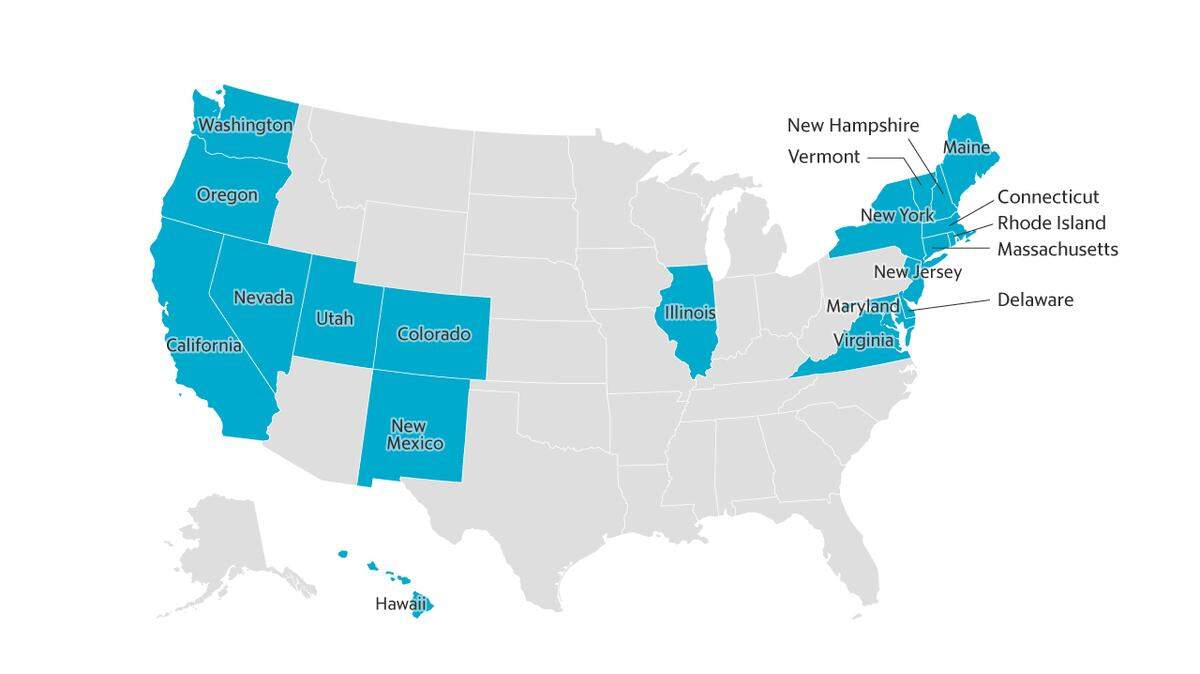
Twenty states and more than 100 U.S. cities have banned conversion therapy. LGBTQ advocates in Missouri and Kansas are campaigning to get it banned across the Kansas City area.
Expand All
Dairy-free lattes and simmering sorrows are on tap this night inside a coffee shop in Kansas City’s West Bottoms.
Blip Roasters’ open-mic poetry reading has attracted nearly a full house of people ready to bare their feelings in a place they know to be supportive and safe, no judgments.
“I wasn’t born the author of my story.”
The words tumble out softly as Zoe Dunning reads from a cellphone. Listeners snap their fingers in encouragement. Dunning has been coming here for about a couple of months but still gets a little nervous.
“I have been cast in many roles:
The Oldest Child.
The Gifted Child.
The People-Pleaser.
The Therapist.
The Secret-Keeper.
The Scapegoat.
A Girl.”
For most of their 22 years of life, Dunning played the part of Christian schoolgirl growing up in Belton and Kansas City, “sitting on a lifetime of deep discomfort in my own skin,” they write on their blog, Mellifluous Writing. (Dunning now uses they/he pronouns.)
They are transgender, gender nonbinary, “queer, polyamorous. All the things. Love is love.”
When Dunning was 15 and trying to find a niche in the world, their parents discovered them sexting boys and girls and watching gay porn. They sent Dunning to a “spiritual life coach” they’ve known for years who does Christian-based healing.
Dunning says it was conversion therapy, though their life coach and their mother say that’s not the case. “I’m actually against conversion therapy. I think the stories I’ve heard are horrific,” Dunning’s mother told The Star. “I’d never do that to my child.”
But Dunning said they were so conflicted after several years of sessions, they needed more therapy.
Often done with religious intention, a practice designed to change a person’s sexual orientation and gender identity is denounced by the medical community because it can create depression and has been linked to suicide.
Dunning is one of about 700,000 LGBTQ adults in the United States said to have gone through conversion therapy. Now Dunning is fighting alongside other local advocates to get it banned around Kansas City.
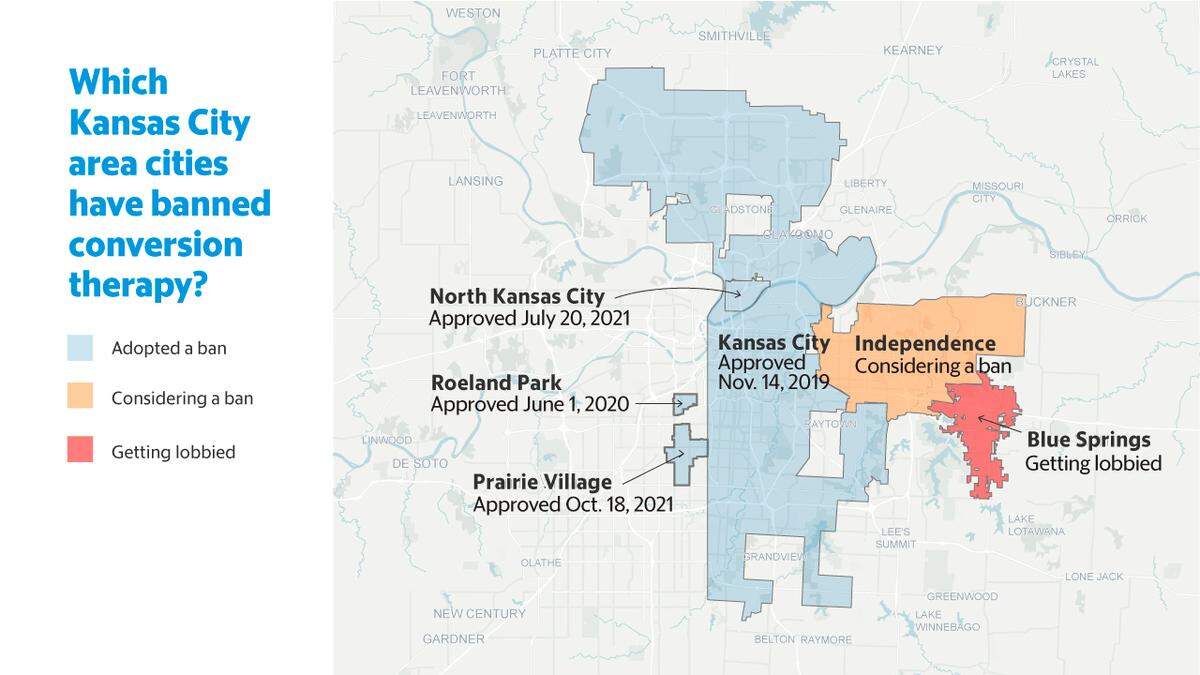
Twenty states and more than 100 U.S. cities have banned it, according to the National Center for Lesbian Rights’ Born Perfect campaign, a global movement to end the practice. In the Kansas City area, four cities have banned it, but the states of Kansas and Missouri have not.
“For Zoe to be doing that and to share their story is really difficult, and it requires a lot of courage,” said Mathew Shurka, Born Perfect’s co-founder in New York City who also underwent conversion therapy.
“It’s important that people like Zoe get heard and that local governments actually do something about it. That’s what’s so important, because it actually saves lives by letting it be known, letting it be public.”
After years of counseling involving prayer and Holy Spirit guidance, Dunning says they came away confused and depressed.
Relationships with Mom, Dad and God? Shattered.
Heart? Broken when Dunning walked away from a faith community they loved.
“I don’t really consider my family my family anymore because if I’m around them, I have to completely mask again and fall into that world that they have for me, the Christian girl,” Dunning said. “I’m not that anymore, and I never really was.
“I have a God-size hole, a hole from trauma, and I’ve been filling that with my own affirmations, my own spirituality, my own self-love and acceptance in the face of everything.
“I should have been listening to myself, my own gut, my own intuition. But I was taught to ignore and suppress it, so it’s only been in the past couple of years that I’ve learned to reconnect with myself and how I actually feel.”
‘Reparative therapy’
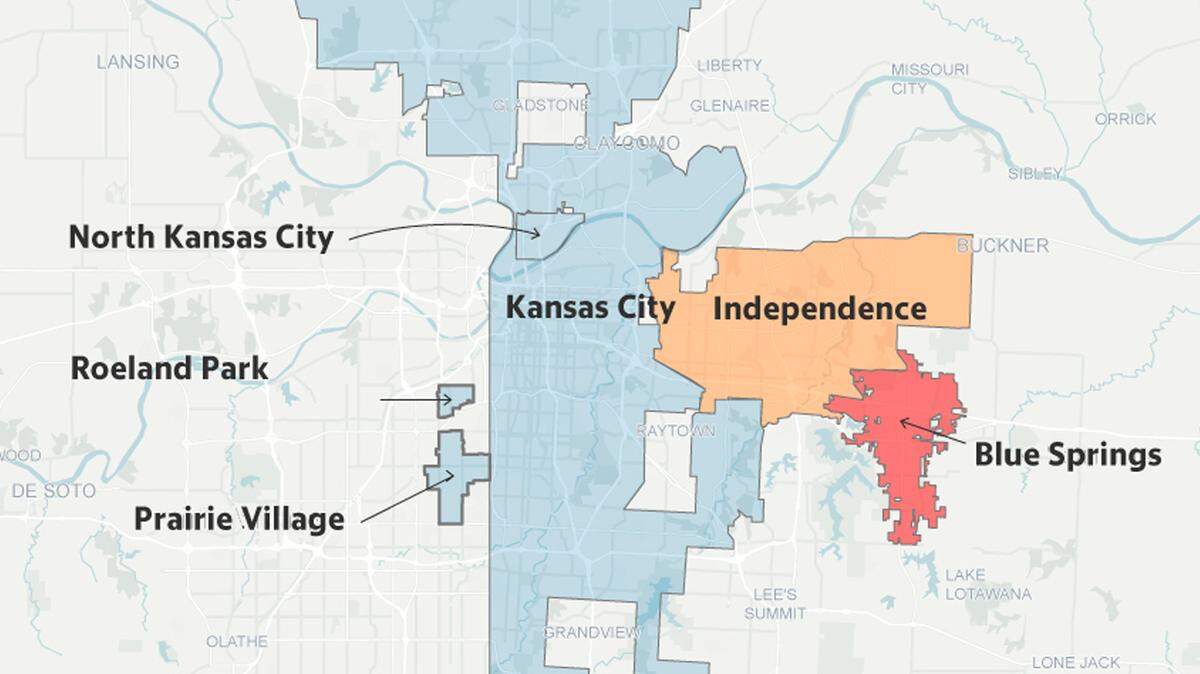
Stories like Dunning’s are why LGBTQ advocates want conversion therapy banned. Over the past two years, it has been outlawed — with carefully worded ordinances — in Kansas City, North Kansas City, Roeland Park and Prairie Village. Nearby, Lawrence, Columbia and St. Louis have also banned it.
According to Born Perfect, there are possibly 46 conversion therapy practitioners in the Kansas City area. The estimate is based on information from people who say they’ve undergone such therapy here and on ads and websites for therapists who offer their services using language such as “reparative therapy” and “treatment of same-sex attraction.”
“Conversion therapy is just one of those things that‘s really hard to nail down a precise definition of because it has so many different forms,” said the Rev. Brandan Robertson, a Christian minister in Washington, D.C., who is working to get it banned around the world.
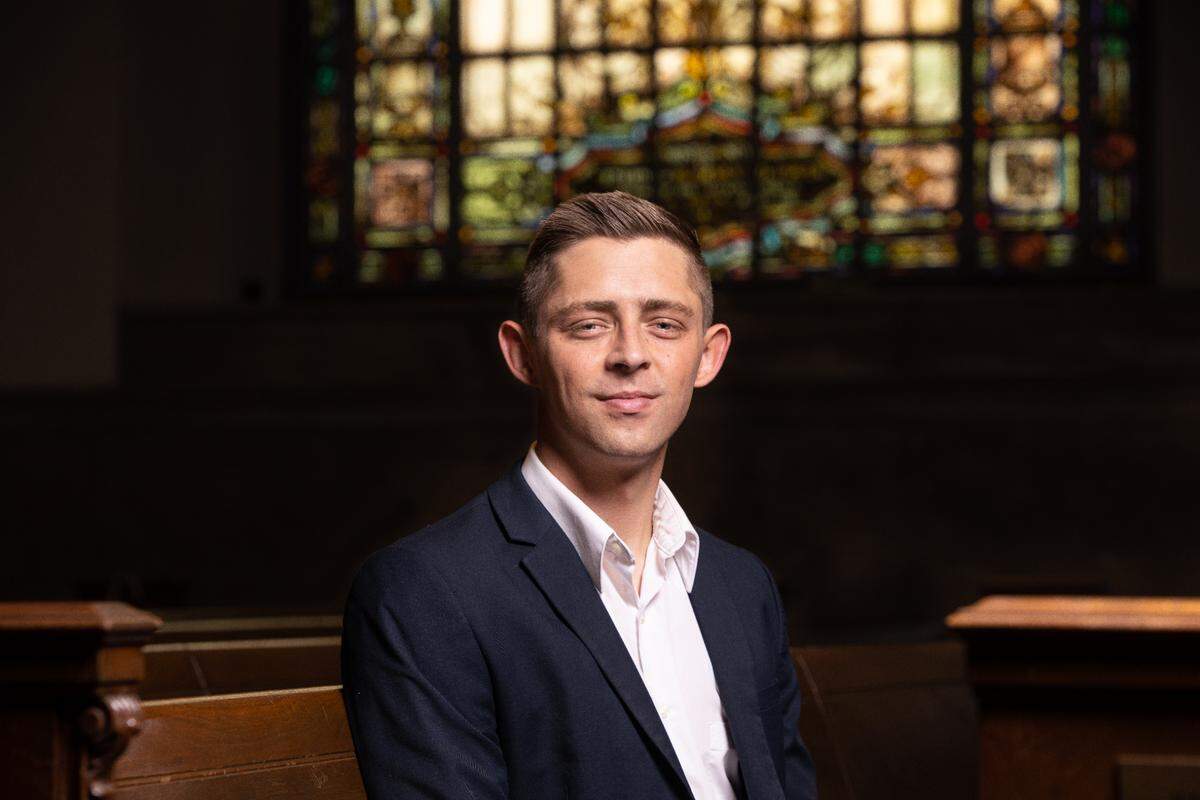
“Primarily it’s the attempt by usually religiously motivated counselors — some of them are licensed therapists, oftentimes it’s religious leaders — to change someone’s sexuality or orientation through a wide array of practices, usually, again, rooted in some sort of religious understanding of healing and getting someone aligned to ‘God’s design’ for their life.”
The movement to ban it has gained momentum as people like Dunning tell their stories.
“Very truthfully, I had never heard of conversion therapy. I didn’t know what it was,” said Eileen Weir, mayor of Independence, where the city council is expected to consider a ban this month for a third time. She supports a ban.
“When I was educated about it, I just was astounded that this type of thing goes on.”
Dunning has addressed the Blue Springs City Council several times since summer. Mayor Carson Ross has shown no interest in what he calls “feel-good legislation,” but he recognizes Dunning’s name now.
People who knew Zoe the Christian girl have attacked them for speaking out. Some of Robertson’s fellow Christians have denounced him, too, as a heretic.
“I don’t get how God can be so loving but condemn people for their sexuality,” Dunning said. “Why would the God of the universe care? Out of all the other sins, why is it such a thing?”
‘Patient in affliction’
It’s 2 o’clock on a weekday afternoon, and Dunning is padding around their Northland kitchen cooking oatmeal and scrambling eggs, their first meal of the day. A dog named Luna and BB the cat, a feline with Freddy Krueger claws, wander about the house they share with a roommate.
Dunning says they spent so much time as a teenager struggling to come out of the closet and getting stuffed back in that they feel stunted.
“I feel like I’m still a teenager because I’m trying to figure out things I should know, which is a really common thing in the LGBTQ community,” Dunning said. “It’s called a second puberty.
“It’s a whole different type of grief when you’re trans and you realize how things could have been different.”
Dunning is slender, with dark hair buzzed close on the sides. Both nostrils are pierced. A sleeve of tattoos blooms on their right arm, a garden of tulips, roses, lilies of the valley and other flora. “I just really like flowers,” Dunning said.
Writing on Dunning’s left arm has been covered over with a leaf design. It was a Bible verse, Romans 12:12: “Be joyful in hope, patient in affliction, faithful in prayer.”
Dunning can’t recall the verse exactly and is happy not to since they take it to mean accept the bad stuff in life without complaining. That sentiment belongs to the faith they lost.
Dunning and Jesus used to be tight, too.
Dunning wanted to wear those purity rings that pledged no sex outside of marriage.
But childhood became something to survive, lonely and isolated. Few friends. Never fitting in. Not knowing why. “Ever since I was 5, I’ve had feelings of why doesn’t anyone like me?”
Female Christian school classmates didn’t accept Dunning because they were too “tomboy.” The boys didn’t want to hang out with a girl.
Dunning aimed some of their own angst outward. “I didn’t realize it at the time that I was a bully to queer kids. I was an outspoken bigot while being in the closet.” One classmate Dunning bullied is now their roommate and close friend.
Dunning understands that struggle today as gender dysphoria — the trauma of suppressed sexuality and not fitting the gender assigned when they were born.
“Almost from birth, I’ve always known I was different, like in some way,” said Dunning.
“I didn’t have the language for it. I didn’t even know what that feeling was, like always feeling like an outsider and not having any way to understand.”
Praying to be straight
Some local government officials don’t believe conversion therapy is happening in their communities, a common hurdle to getting it banned.
“A lot of the pushback has been, ‘Well, we don’t have any proof that this is happening in our area,’” said Taryn Jones, chairwoman of the metro KC chapter of Equality Kansas, the advocacy group instrumental in getting Prairie Village to ban the practice in October.
“I think that’s going to be kind of a continual theme when we start going into other cities also.”
The group was waiting to see how the November elections changed city councils’ membership before deciding what communities to approach next.
Sheila Myers, the lone council member in Prairie Village who voted against that city’s ban, suggested it wasn’t needed if no one in Prairie Village is practicing conversion therapy. Fellow council member Inga Selders pushed back.
“This isn’t something I think professionals are advertising, putting in the Yellow Pages, ‘Hey come see me, I practice conversion therapy,’” said Selders.
“I think this is something that happens behind closed doors where it’s not totally public. The fact of the matter is, 1 out of 10 members of the LGBTQ community, throughout their lifetime, were subjected to conversion therapy.
“So there are individuals in Prairie Village who have suffered the repercussions of this. We cannot ignore that fact.”
‘Sexual brokenness’
The summer of 2014 when Dunning turned 15 was “a memorable, traumatic summer when I tried to come out as bi and express my sexuality as a teenager with a natural sex drive.”
A “whole scandal” in the Dunning household ensued. Dunning says they got grounded and sent to counseling.
“She was presenting with anxiety and depression and just really struggling,” said Dunning’s mother.
Dunning suspects more Christian kids have gone through conversion therapy than is known. “A lot of it’s under the table. It’s really hard to track and record.”
Dunning said they went to sessions in the home of the spiritual life coach, who, like Dunning’s mother, asked not be named. The life coach verified to The Star that she treated Dunning but said it was not conversion therapy.
“I don’t do traditional talk therapy, coercion, nor do I believe in what’s called conversion therapy,” she told The Star this past week.
Her website says she is an ordained minister who for more than 25 years “has been connecting people to God for emotional and spiritual healing.”
She is not a therapist, and she’s upfront about it on her website. She told The Star that her work is pastoral: “Zoe indicated she wanted help with anxiety primarily and kept seeing me because she said it was helping.”
The life coach is a practitioner of Splankna, a Christian-based technique based on the philosophy that the subconscious drives mental health issues and that negative emotions are stored in parts of the body.
Dunning said they learned they store fear in their bladder.
Sessions begin and end with prayer. The life coach said Dunning “was a young woman of faith” and was “really sad to hear” that Dunning doesn’t feel close to that faith anymore.
Dunning’s mother said she has known the life coach for several years “and I actually have seen her in my journey. And I can speak very directly to the kind of ministry that she does. It’s not even talk therapy. It’s definitely not conversion therapy,” she said.
She said Dunning and the life coach were “extremely close.”
Using the female pronouns Dunning eschews, their mom said, “I saw it changing her life. I saw her less anxious, I saw her conquering things. I saw her coming together and finding her wings.”
Dunning went to counseling willingly, and that’s not uncommon among LGBTQ children trying to please their parents or who believe something is wrong with them. Dunning also left counseling willingly after turning 18, they said.
“I wanted to impress my parents and really earn their love,” Dunning said. “I really, really wanted it to work because I wanted to be accepted and not be sinful. Even when I first accepted my sexuality, I was like, ‘Maybe this is a sin. But I’m like this; I can’t change. So I guess I’m going to hell.’”
Dunning agreed that they were treated for anxiety.
“It was just supposed to be to heal my sexual brokenness and make me whole again, or whatever,” said Dunning. “So, yeah, I was treated for anxiety. But why do you think I was so anxious?”
Dunning said the life coach was charming, empathetic and caring — “she really does care about people, she really cared about me, I think.” But they were ashamed and terrified to talk to a stranger about private sexual yearnings, Dunning said.
“She would tell me to pray to God in our sessions and ask how he felt about my sexual sin,” said Dunning. “I felt so much shame when I saw her, so I said God didn’t like it. Then she would ‘confirm’ that by saying his heart is grieved.”
The message, “dressed up with nice, comforting, reassuring words,” wounded.
Dunning said they were left feeling like their sexuality was a problem to overcome, a sin to heal.
Dunning was born again the day after this past Easter when they injected the first dose of testosterone into their body to begin transitioning.
“The hardest fight for acceptance was to accept myself because of the messages I was taught,” said Dunning. “And once I actually, finally, accepted myself and surrendered to that … turns out it’s a lot easier not to fight it, just give into my natural instincts, which have been there all along.”
About two months ago they began pouring out their feelings at Poetic Underground gatherings at Blip Roasters, a coffee shop and cafe in a sprawling industrial building.
“I know who I am. I know me better than anyone. When will people start believing me about me? I know how I feel. I’ve been deeply masking my whole life. Now it’s finally starting to count.”
Back in Blue Springs
At the Oct. 18 meeting of the Blue Springs City Council, Dunning and a handful of other LGBTQ advocates waited nearly two hours to ask the council, yet again, to consider banning conversion therapy.
Public comments were the last item on the agenda before the council disappeared into closed session. One of the advocates told the council they have felt unwelcome by the group.
Dunning quoted the Williams Institute of UCLA School of Law estimate that nearly 700,000 LGBT adults in the United States have undergone some form of conversion therapy. But those numbers are likely higher, Dunning said, “because a substantial amount of it is not reported.”
That same report estimates that while 16,000 LGBTQ youths ages 13 to 17 will receive conversion therapy from a licensed therapist before they turn 18, as many as 57,000 will receive it from a religious or spiritual adviser.
It’s not a niche practice, Dunning said. It’s widespread “and usually done covertly in religious communities, and that includes here in Blue Springs.”
Incensed by the wrongs done to the LGBTQ community “in Jesus’ name,” the Rev. Sally Haynes, pastor of Central United Methodist Church in Kansas City, cautioned the council about not having a ban in place as surrounding communities adopt them.
That “means that in the metro area, people that want to practice that, the bad actors, are going to keep moving out to where they can,” said Haynes, a Blue Springs resident. “That puts Blue Springs at risk of being a sanctuary for that.”
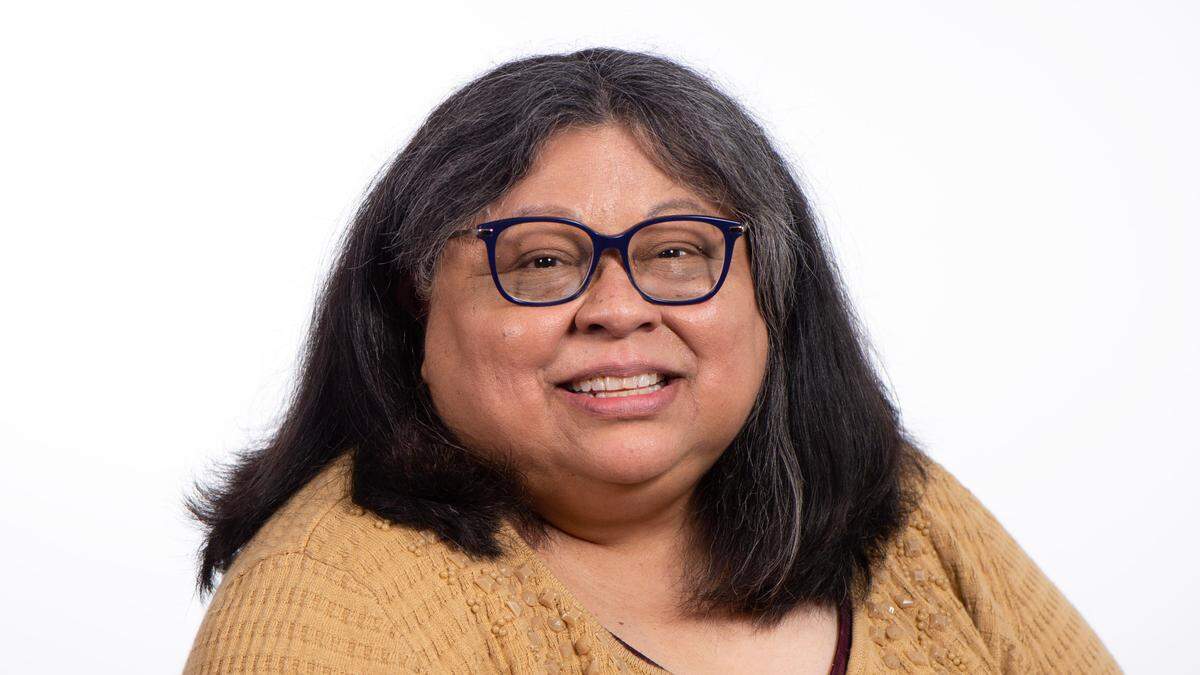
Maite Salazar, a progressive Democrat planning to challenge U.S. Rep. Emanuel Cleaver next year in the 5th Congressional District, told the council about the public’s response after they helped Kansas City approve its ban.
“I can’t tell you how many people have been affected by that ban,” said Salazar. “I can’t tell you how many people have sent me messages, phoned me, found me on Facebook, voted for me, donated to my campaign and also have made that into a mission to spread to the other communities..”
Salazar said their mother threatened them with conversion therapy their entire youth, keeping pamphlets in the bathroom “as soon as she thought I was going a little funny.”
“So that caused me so much stress as a kid and caused me so much pain and so many tears that I said, ‘When I grow up, I’m going to ban this practice.’ And I did.”
Blue Springs council member Galen Erickson, the only one who has publicly supported a ban, told his colleagues he had an ordinance proposal “ready to go.”
Mayor Ross noted that a second council member had to sign off on it.
But no one did.
Ross moved on. Discussion over.
Dunning and the others found out later that, just minutes earlier on the other side of the metro area, Prairie Village had banned conversion therapy.
This story was originally published November 7, 2021 at 5:00 AM.
.jpg)