Former prosecutors told key Kevin Strickland witness it was ‘too late’ to recant, sister says
READ MORE
Kevin Strickland exonerated
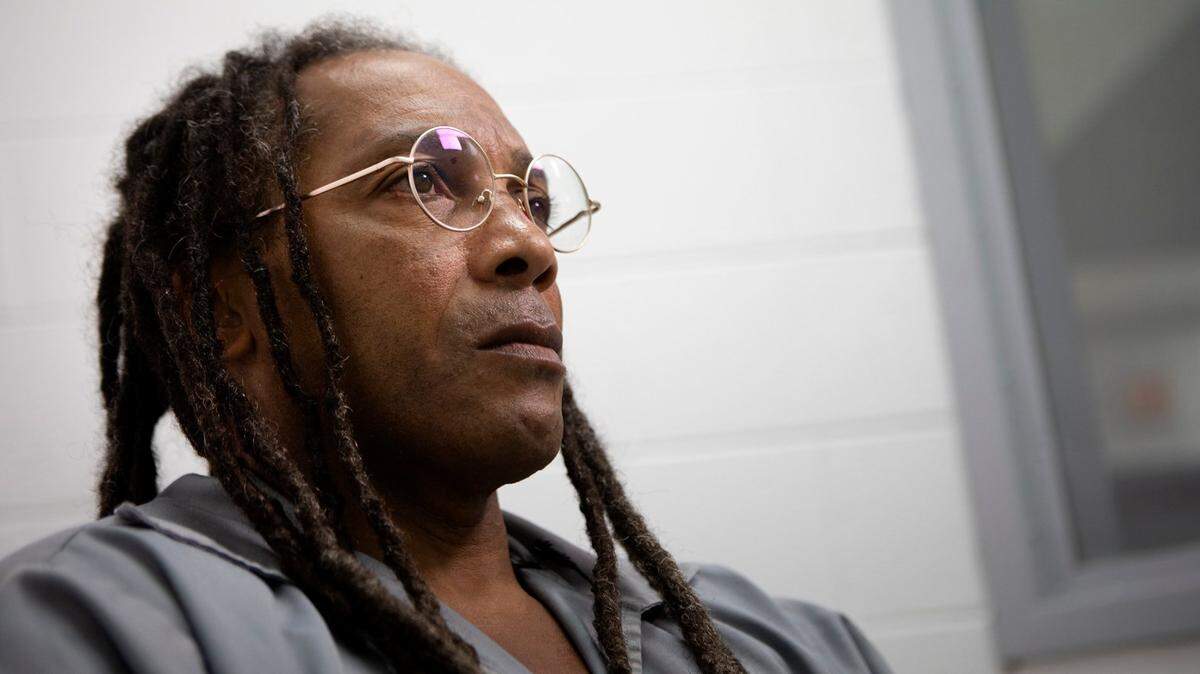
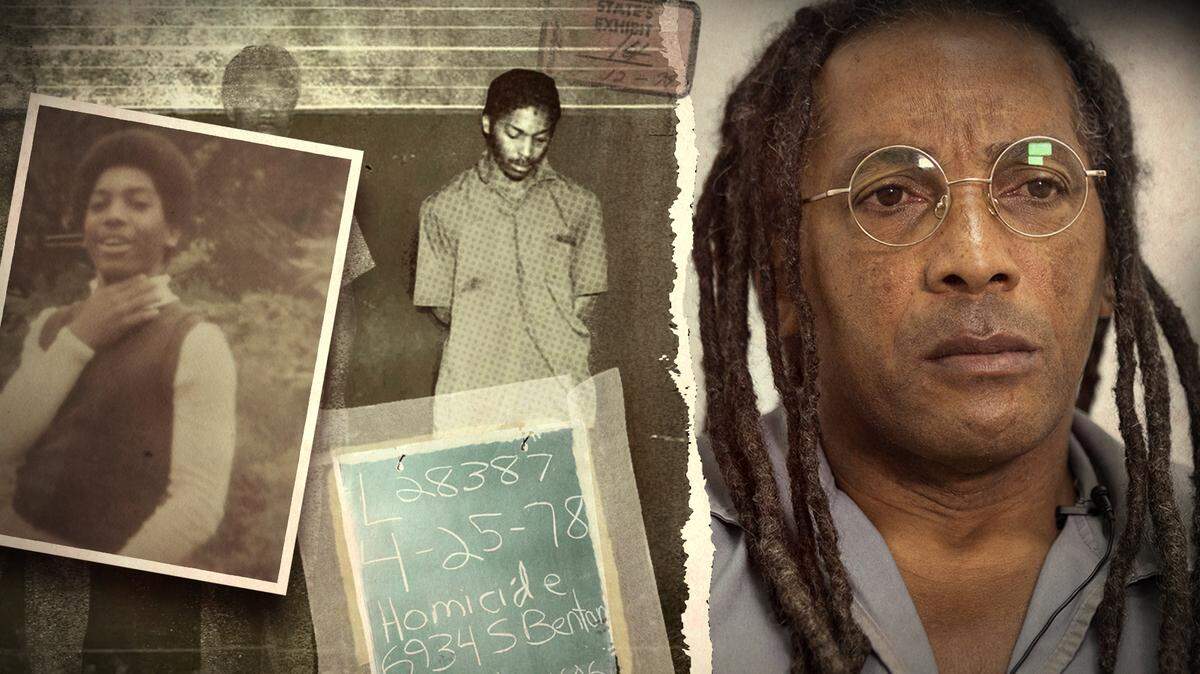
Kevin Strickland spent 42 years in a Missouri prison for a crime that he, and prosecutors, says he didn’t commit. Prosecutors argued in a 25-page motion that Strickland’s innocence is “clear and convincing.” Missouri Gov. Mike Parson and the state Attorneys General’s Office have contended that Strickland received a fair trial and should not be freed.
A judge on Nov. 23, 2021, granted Jackson County prosecutors’ motion to exonerate Kevin Strickland in a 1978 triple murder and ordered his immediate release, confirming that Strickland suffered one of the longest wrongful convictions in U.S. history.
Expand All
The sister of the only eyewitness to a 1978 triple murder that landed Kevin Strickland in prison testified Tuesday that her sister told previous Jackson County prosecutors about her proclaimed wrongful identification.
Cecile “Cookie” Simmons said her sister was told it was “too late.”
Testimony continued during the second day of Strickland’s evidentiary hearing with Simmons, a sister of Cynthia Douglas, who was shot but survived during the killings at 6934 S. Benton Ave. in Kansas City. Douglas’ testimony was paramount in the case against Strickland, who was 18, but she later told relatives she picked “the wrong guy” and was pressured to do so.
Simmons testified that Douglas told her she could identify two of the four suspects: Vincent Bell, 21, and Kilm Adkins, 19. She could not identify the other two. The next day, however, she picked Strickland out of a lineup.
Years later, possibly in the 1990s, Douglas reported what she believed was her mistaken identification to county prosecutors, who told her they were “not going to go back to court” over it, according to Simmons. Douglas would be called a liar, they said. She could be charged with perjury and go to jail, her sister testified.
Douglas faced that threat before, according to an affidavit signed by her ex-husband.
When Bell pleaded guilty in 1979, months after Strickland was convicted, he repeatedly professed Strickland’s innocence before a judge and prosecutors. At the time, Douglas approached a prosecutor and told him she should not have picked Strickland. As Douglas relayed to her former husband, the prosecutor told her to go away and threatened to charge her with perjury.
During cross-examination from a lawyer with the Missouri Attorney General’s Office, which contends Strickland is guilty, Simmons acknowledged she was not there when her sister apparently reached out to various officials, including prosecutors, but said she told her she did. Simmons even thought that included an email to the AG’s office.
BEHIND THE STORY
MOREOur coverage of Kevin Strickland's story
The Kansas City Star has been covering Kevin Strickland and his innocence claim since September 2020, when we published a deeply reported story from Luke Nozicka that explored the details surrounding the 1978 triple murder Strickland is accused of helping to carry out, as well as the men who have admitted guilt, and the the only witness to the murders saying Strickland is innocent. That report from The Star served in part as the basis for local prosecutors’ review of Strickland’s case in November 2020. Now, Jackson County prosecutors, Kansas City’s mayor and others agreed he deserved to be exonerated, but the state, and specifically the Attorney General’s Office maintains he’s guilty. Read more by clicking the arrow in the upper right.
Why is he still in prison?
Kevin Strickland has spent 42 years in a Missouri prison for a crime that he, and prosecutors, says he didn’t commit. Prosecutors argued in a 25-page motion that Strickland’s innocence is “clear and convincing.” But previously, without the support of Missouri Gov. Mike Parson handing down a pardon or the state Attorneys General, prosecutors in Missouri have had no legal tools to seek to free prisoners they have deemed innocent. That changed in August 2021, however, in a new law that passed as part of a package of criminal justice reforms the Missouri legislature approved and sent to Gov. Mike Parson’s desk in May.
That law gives local prosecutors a mechanism previously missing in state law to pursue freedom for the wrongfully convicted, a step prosecutors’ offices around the nation are taking in the age of criminal justice reform. Prior to the law change, petitions to have convictions tossed have generally only come from the inmates themselves.
Prosecutor Jean Peters Baker, who is trying to free Strickland, asked Simmons if she was there to be the voice for her sister, who died in 2015. She indicated she was, “for what she started.” She said her sister once told her, “Cookie, I f----- up.” She had nightmares and was sickened by it. But she was always consistent, her sister said: she never recanted her recantation.
“Cindy never got her justice,” she said, noting that the two suspects Bell and Adkins identified were never arrested.
Douglas’ ex-husband, Ronald Richardson, was also called to the stand. A Missouri prisoner, he testified in shackles.
Richardson, who was married to Douglas for 15 years, said she told him about the “brutal” murders and how she watched her best friend’s brains get blown out by gunfire. She also told him she had been wrong about Strickland, now 62.
Douglas was hesitant to bring Strickand’s case back to court, he said, because there were other families involved in the tragedy. She also feared Strickland might retaliate, but Richardson told her to not worry. Strickland should be grateful, if anything, he said.
Richardson testified that while he and Strickland are imprisoned together, they are not friends and only see each other in passing. Strickland has never promised him anything for his testimony, he said.
Assistant Attorney General Christine Krug appeared to try to distance Richardson from Douglas, accusing him of not always being there for his wife and noting that his name does not appear in one of three obituaries written after she died.
Krug also detailed Richardson’s crimes, which began with stealing in 1994. They include convictions for possessing substances and forgery. He was then arrested in 2010 after he matched DNA found on the clothing of a victim who was raped in 1998. When he was 37, Krug said, he kidnapped a 15-year-old girl and forced her to perform oral sex.
Richardson was hesitant to talk about his own crimes, saying he did not understand what they had to do with Strickland. Krug said the Jackson County Prosecutor’s Office did not find him credible when it prosecuted him for forcible sodomy, sexual abuse and robbery.
Krug noted that Richardson previously spoke to The Star. In that interview, he said he once apologized to Strickland on Douglas’ behalf, though he knew it would not make up for his decades in prison. Before Douglas died, Richardson said at the time, she wanted nothing more than to see Strickland gain his freedom.
“Trust me, man, she wanted you out,” Richardson said he told Strickland.
Richardson grew frustrated Tuesday with Krug’s questioning. His voice rose shortly before Judge James Welsh announced the lunch break.
“What the system did to that girl is criminal,” Richardson said of Douglas, calling it a shame. “Y’all broke her spirit.”
In a 2020 investigation, The Star reported that, for decades, two men who pleaded guilty swore Strickland was not with them and two other accomplices during the killings. A third, uncharged suspect also said there “couldn’t be a more innocent person” than Strickland. Douglas also told several relatives she wanted to recant her testimony, The Star reported.
During testimony Monday, the judge heard from other relatives of Douglas and a former co-worker of hers, who said she told them over the years that she identified the wrong person. Douglas had also said she was pressured by detectives to pick Strickland.
“She said, ‘Mother, I picked the wrong guy,” her mother, Senoria Douglas, testified. “She was very disturbed about it.”
Strickland also took the stand and said he had “absolutely nothing to do with these murders.”
The hearing is the first of its kind since local prosecutors in Missouri were given the power, through a new law in August, to seek to free prisoners they have deemed innocent.
Testimony in the hearing is expected to continue Tuesday afternoon. Check back for updates.
This story was originally published November 9, 2021 at 1:43 PM.

.PNG)