Child sex trafficking report card: How strong are the laws in Kansas?
READ MORE
Trying to survive
Sex trafficking in particular leaves victims with specialized needs to address their trauma. And while the extent of the problem is hard to know, service providers in Kansas and Missouri say it’s clear the need for programs far outweighs what’s available.
Expand All
Shared Hope International publishes report cards on each state’s strength in addressing child sex trafficking.
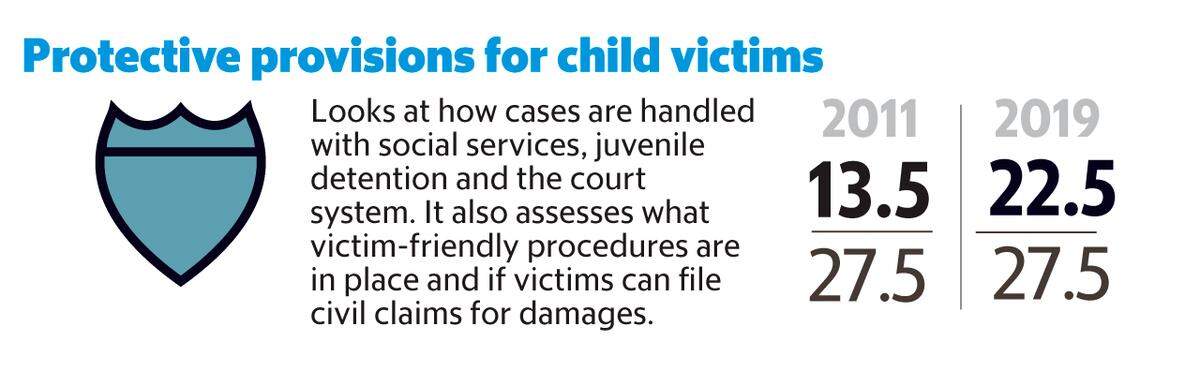
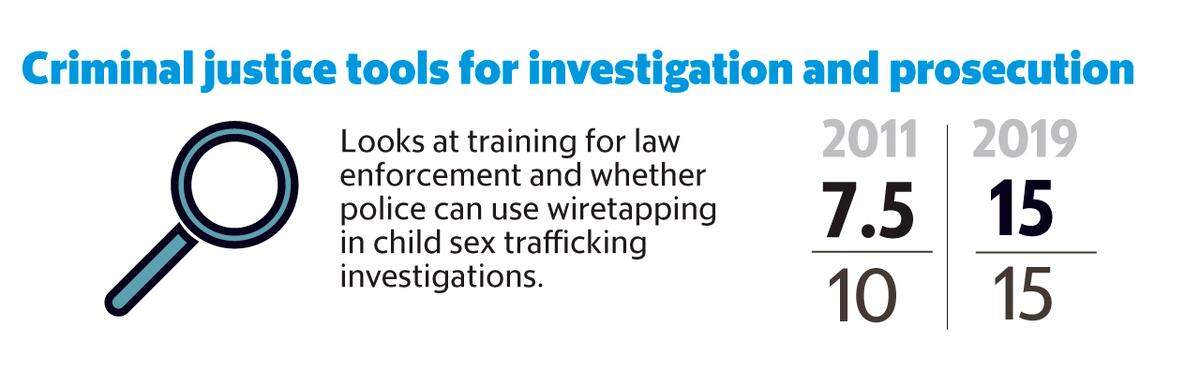
The organization examines six areas: decriminalization of child sex trafficking victims; criminal provisions for demand; criminal provisions for traffickers; criminal provisions for facilitators; protective provisions for child victims; and criminal justice tools for investigation and prosecution.
In 2011, the first year the grades were issued, no state earned an A. More than half of the states were failing.
In 2019, the average grade was a B with nearly one-third of states getting an A.
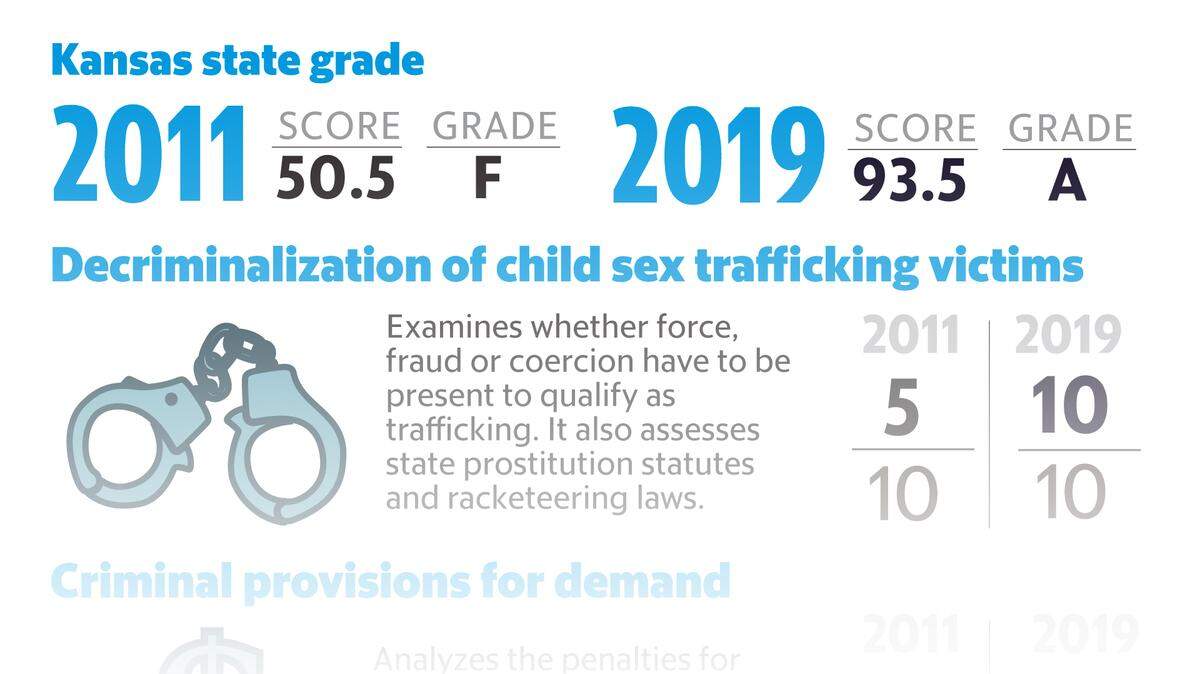
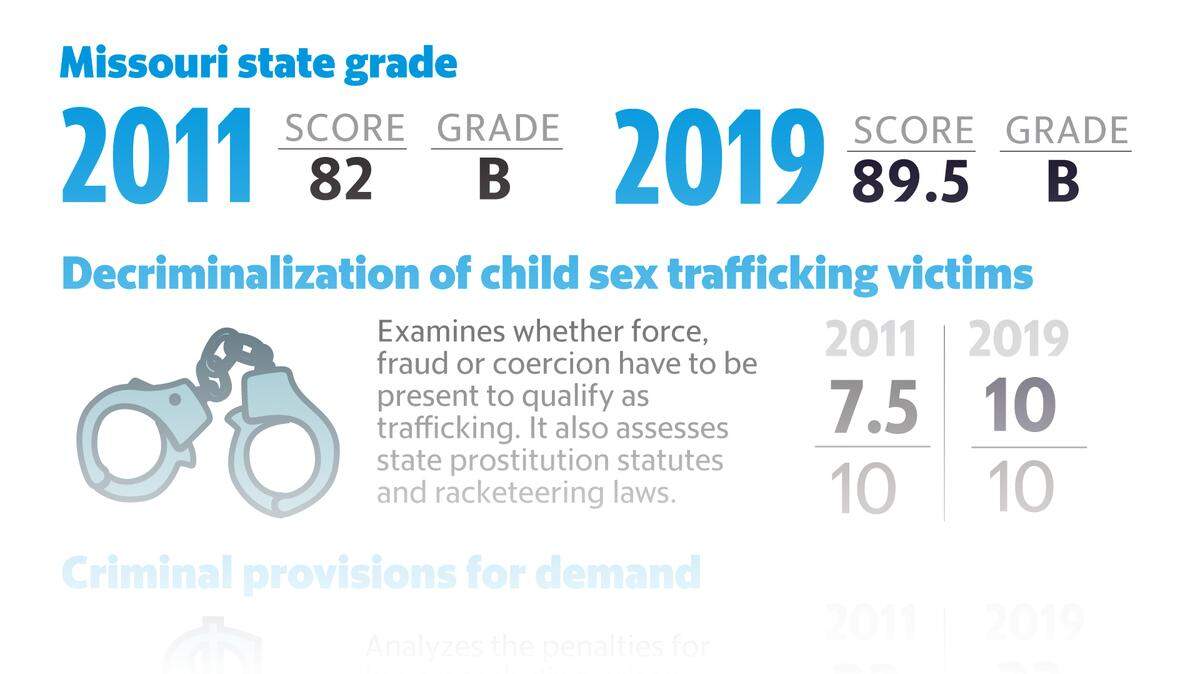
Kansas got an F in its first year. It has since improved to an A.

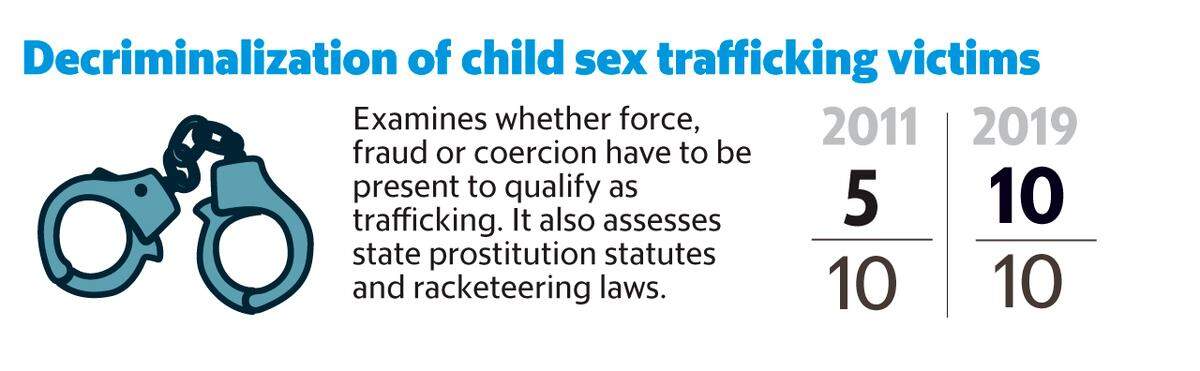
In the latest report from 2019, Shared Hope International said Kansas’ trafficking law includes any child who is bought for sex, regardless of whether force, fraud or coercion is used, and regardless of whether a buyer exploited the youth without a trafficker’s involvement. However the state does not prohibit a minor from being charged with prostitution.
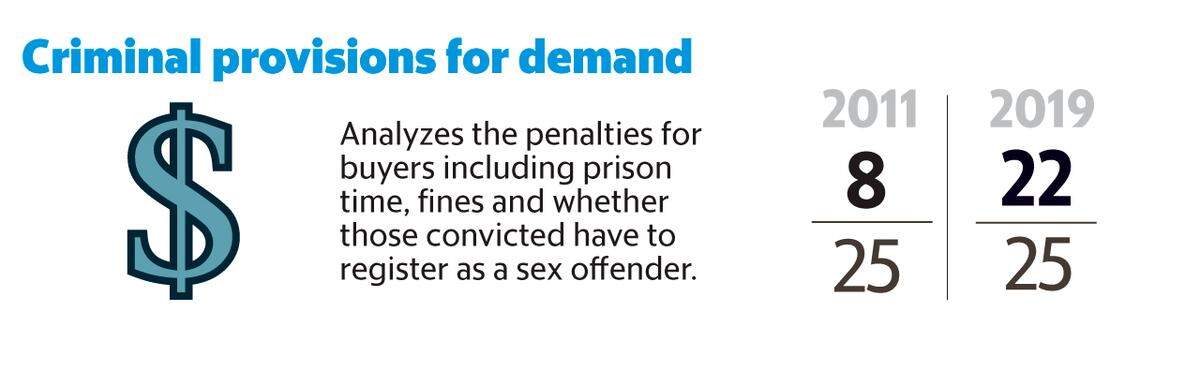
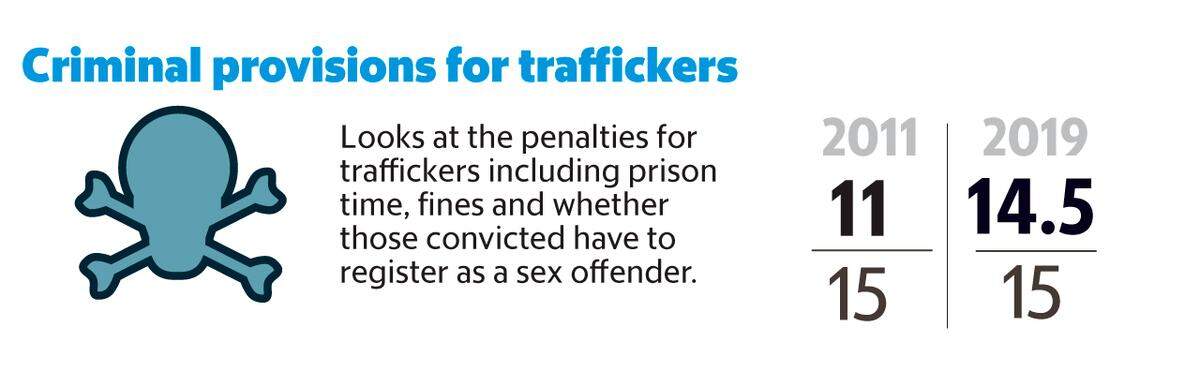
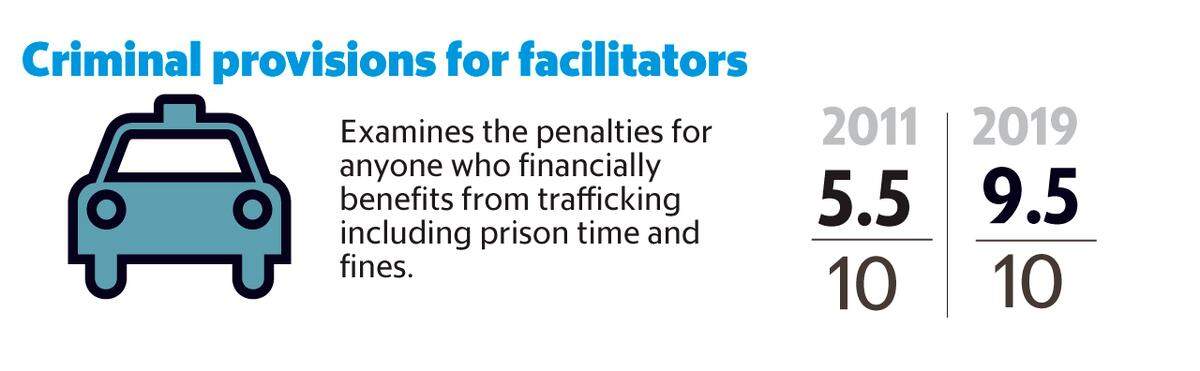
Buyers convicted of child sex trafficking and traffickers convicted of aggravated human trafficking face a penalty of up to 22.25 years in prison and up to a $300,000 fine. Sentences increase if the victim is under 14.
Shared Hope made eight recommendations for Kansas. Most were focused on increasing penalties as well as allowing child sex trafficking victims to expunge criminal records related to trafficking without a waiting period.