‘Couldn’t read the future’: How changing times influenced history of KC’s airports
READ MORE
The new KCI
Expand All
On Aug. 17, 1927, a crowd of 25,000 gathered on soggy turf just north of downtown Kansas City, as city leaders flew in from old Richards Field in Raytown for the dedication of Municipal Airport.
Charles Lindbergh, who less than three months earlier had completed his historic solo flight from New York to Paris, flew the Spirit of St. Louis in for the dedication and helped usher in a new era of aviation in Kansas City.
Lindbergh praised Kansas City, saying it could become the most important aviation hub in America because of its central location and the new airport’s location near downtown.
That moment, recounted in “Terminal Velocity: Kansas City’s Airport History” by the Kansas City Public Library’s Missouri Valley Special Collections, kicked off nearly a century of aviation development. Kansas City never became the nation’s biggest airline hub, but in the decades to come it did serve as an important cog for TWA and Braniff International Airways, and the air traffic helped the city grow.
Ultimately, Kansas City International Airport would serve the city for years, becoming known for its out-of-date but in some ways convenient design. Architecture built for drive-up access failed to foresee the age of airport security, leaving some of the airport’s best amenities on the wrong side of the metal detectors.
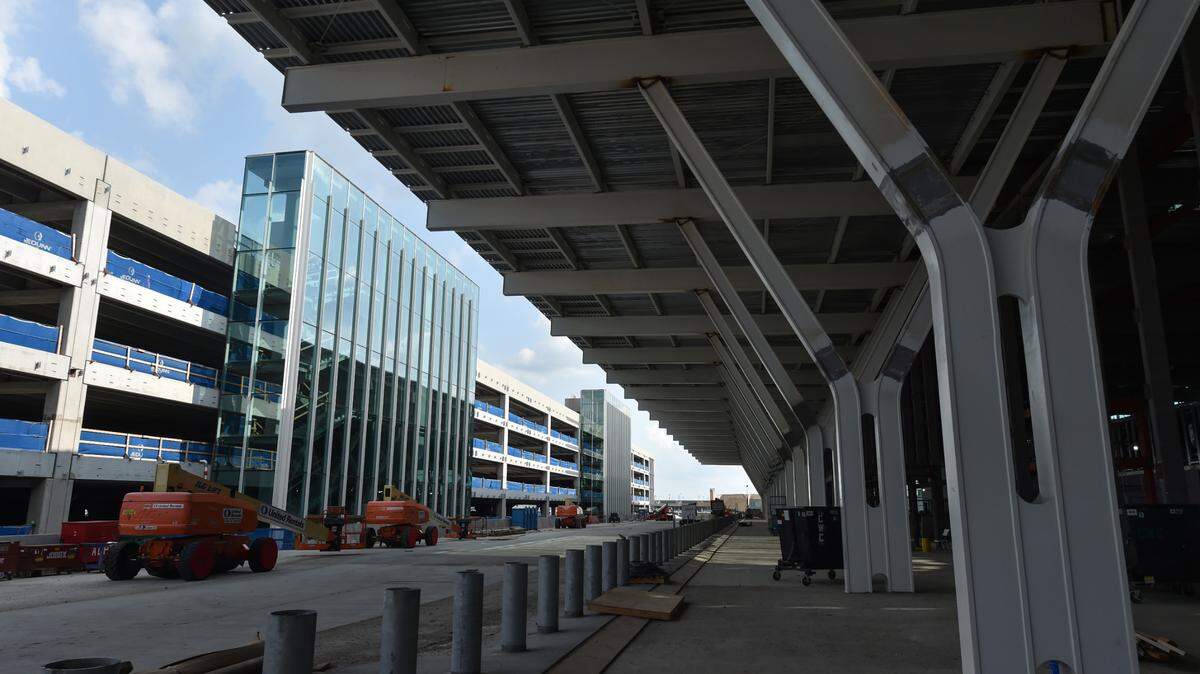
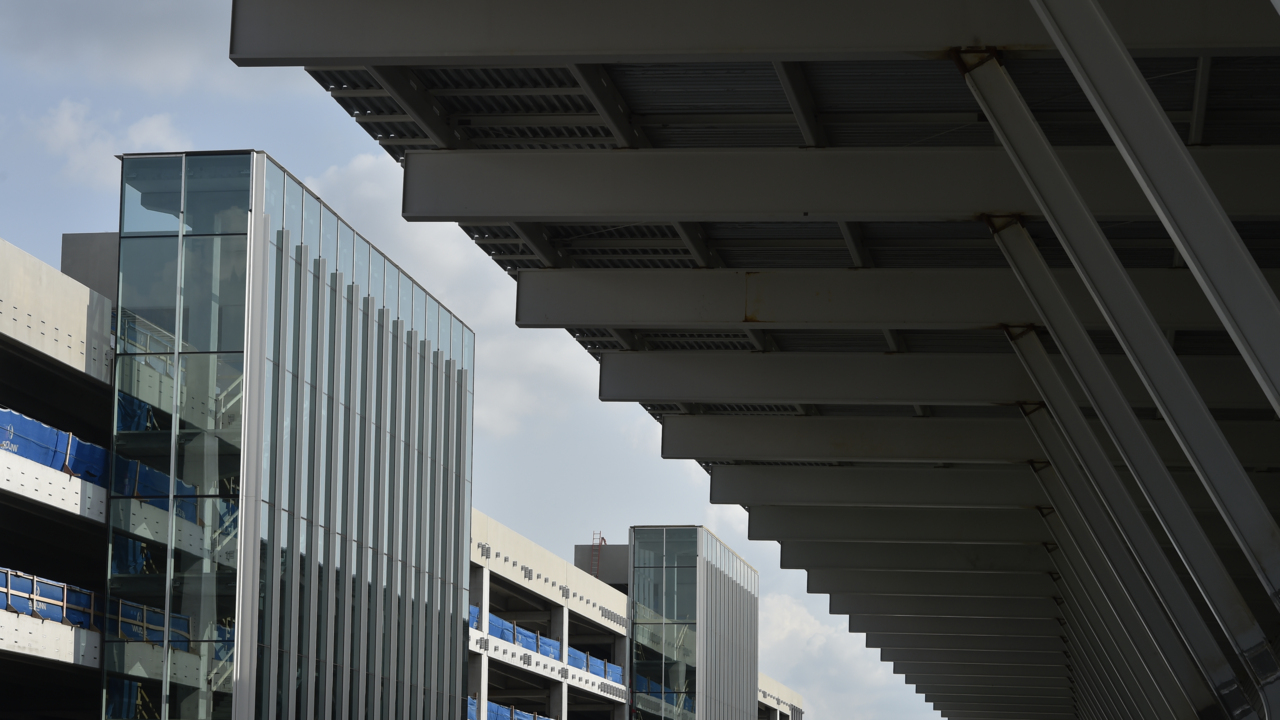
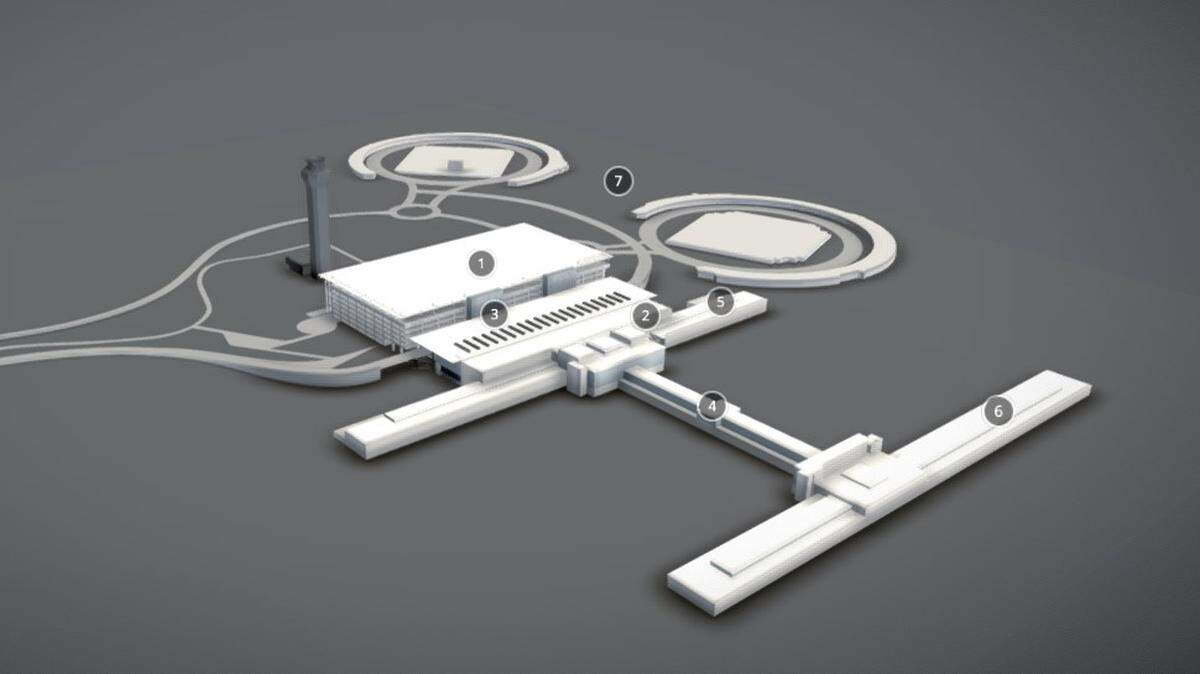
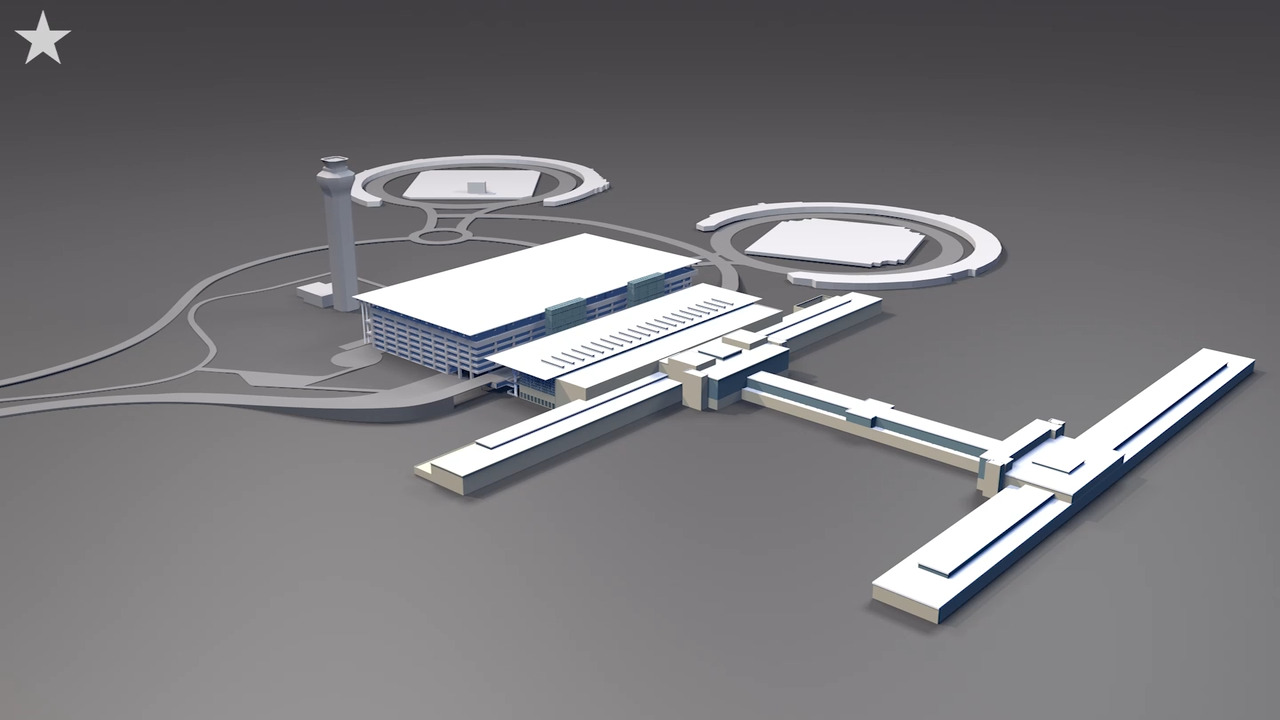
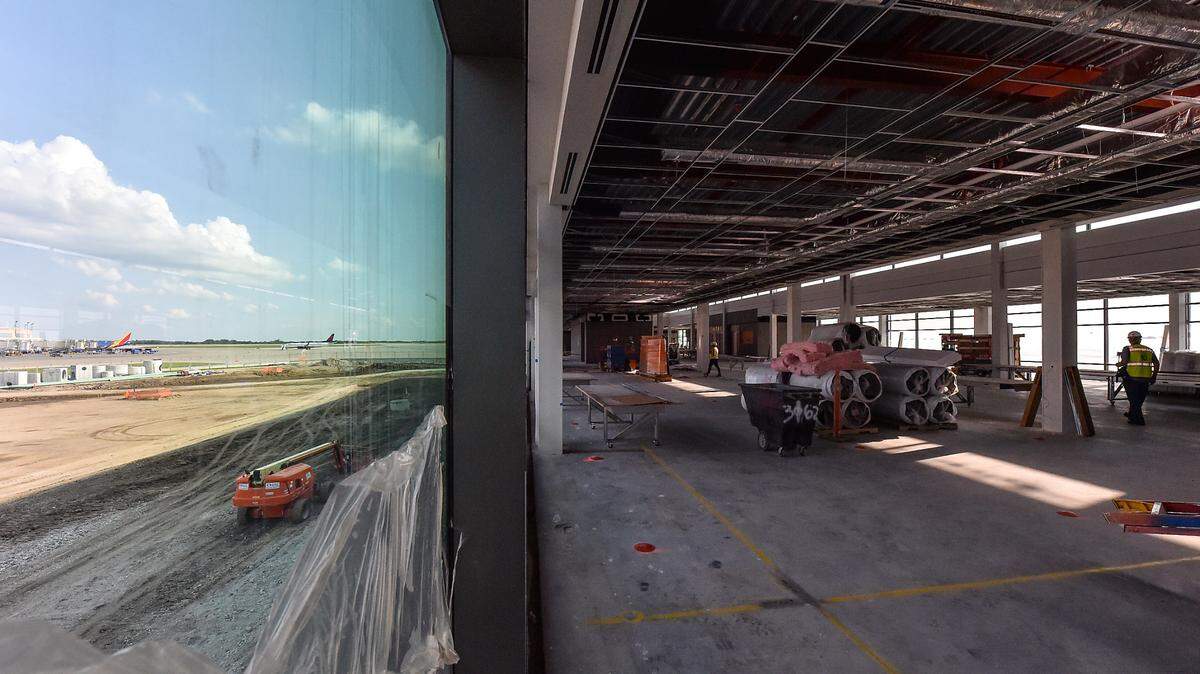
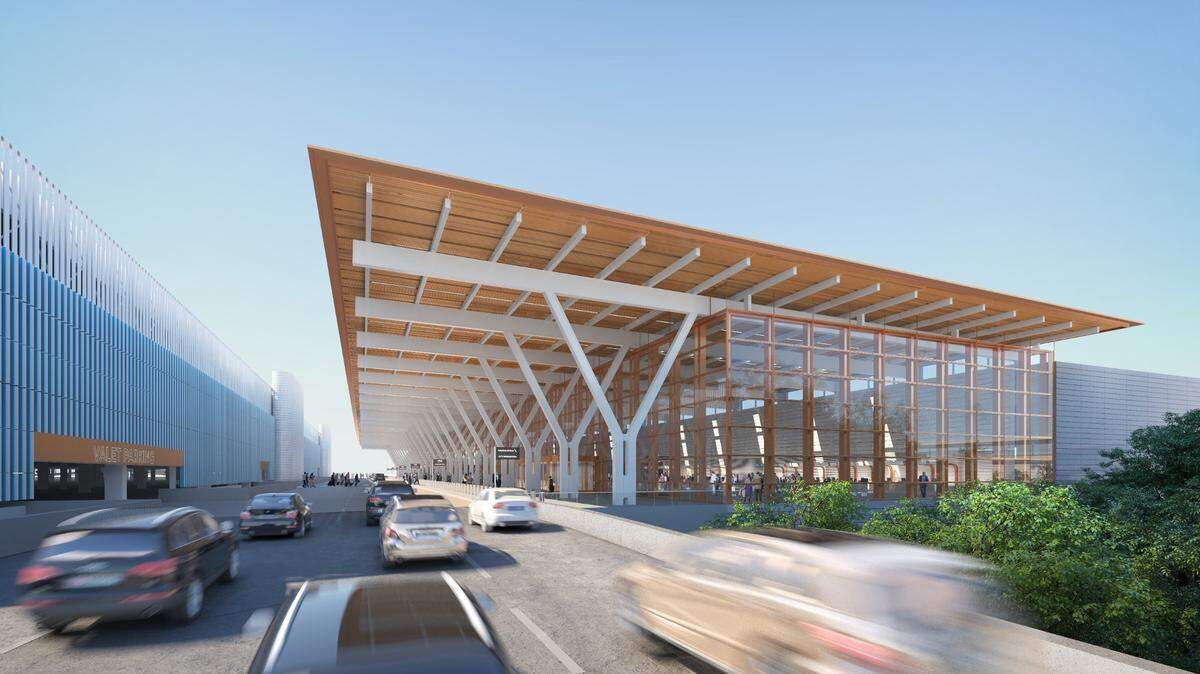
Soon, air travelers in Kansas City will be able to take in some of that history while browsing museum-quality exhibits at the new airport terminal, now about halfway built and slated to open in 2023.
Municipal Airport
Municipal Airport, where Lindbergh landed that day in 1927, was built largely due to the efforts of Lou Holland, president of the Kansas City Chamber of Commerce.
Holland had learned the U.S. Army planned to move its aviation operations from Richards Field and foresaw a time where airplanes would be used to transport passengers and cargo.
A year later, the future TWA moved to Kansas City and its headquarters were built at Municipal Airport in 1932.
TWA operated an overhaul base at Fairfax Field, across the river in Kansas City, Kansas. But the flood of 1951 destroyed many of the facilities there and compromised operations at Municipal Airport. With the two airports shut down, Kansas City began planning a new airport 20 miles north.
Five years later, Mid-Continent Airport opened, serving as the hub for Braniff and the main overhaul base for TWA, according to the library. Most passenger traffic continued to land at Municipal Airport.
But by the mid-1960s, the Federal Aviation Administration deemed Municipal Airport, with its short runways and steep approach, unfit for the jet age. City leaders felt they had no choice but to build a new airport.
‘Lousy crystal balls’
They decided to expand Mid-Continent Airport. TWA, which had become among the most prestigious airlines in the world, also encouraged the expansion in the hopes of increasing flight capacity in and out of the city.
Local engineering firm Burns McDonnell was hired to plan, design and supervise construction of the overall project, while architects Kivett Myers designed the terminals. Designers initially resisted TWA’s insistence that the new airport have a new approach rather than relying on a central terminal.
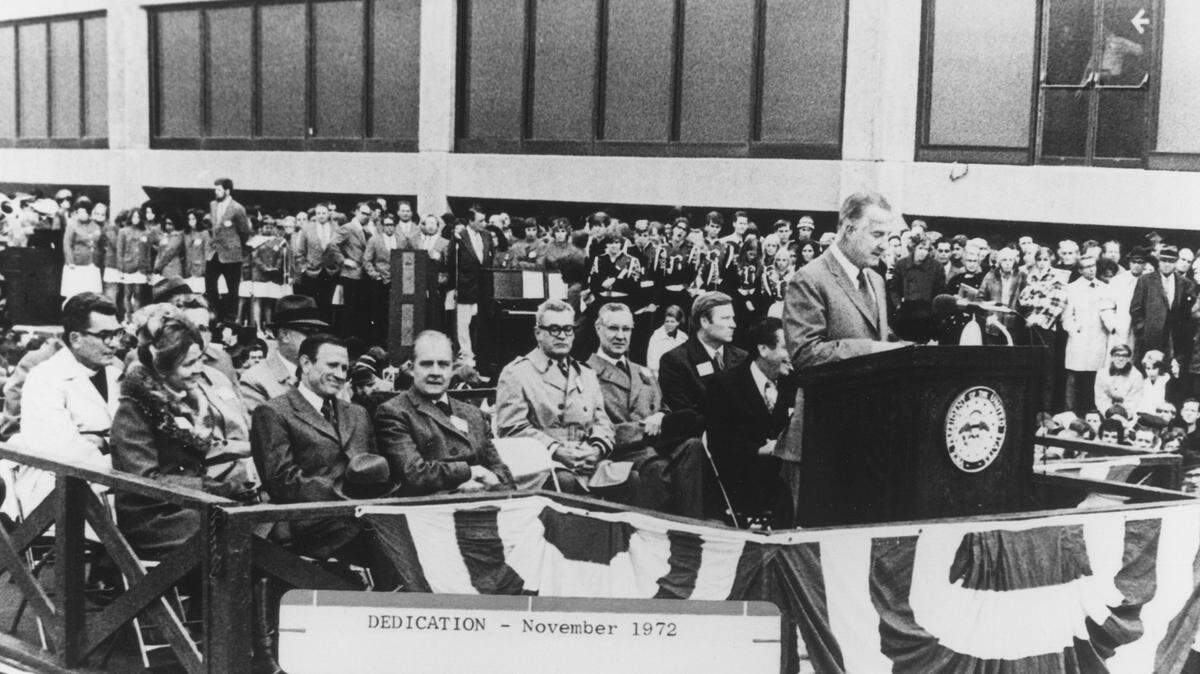
When Kansas City International Airport debuted with its Brutalist architectural style on Nov. 21, 1972, the three terminals shaped like horseshoes were to provide “drive to your gate” convenience.
At the dedication ceremony, Vice President Spiro Agnew praised the design, saying: “Vision, the gift to see the future as a place of hope and progress and expansion. That, ladies and gentlemen, is the secret ingredient that has made this airport possible.”
Some of the airport’s architects would later admit they got the vision wrong.
“We had lousy crystal balls,” architect Clarence Kivett said some years later, according to a March 9, 2014 story in The Star. “We couldn’t read the future.”
Changing times
Airports had no metal detectors or security searching bags when KCI was designed. You could also buy your ticket on the plane, so no boarding passes were needed.
Skyjackings changed that by the time KCI opened.
On the day regular flight service began on Nov. 11, 1972, three hijackers made front page news after threatening to crash a plane into the nuclear facility in Oak Ridge, Tennessee. Although there were no deaths, the FAA less than a month later started requiring the screening of passengers and bags.
KCI’s design wasn’t deep enough to fit concessions and restrooms for passengers after they went through security.
The airport became less convenient for passengers and more expensive for the airlines. Instead of one centralized security checkpoint of a single terminal, KCI’s layout requires multiple checkpoints.
Through the years, several initiatives to renovate the existing terminals or construct a new terminal came and went. Two KCI Master Plans recommended a single terminal in 1995 and 2009. An 2013 in-depth study concluded a new, single-terminal design was the best option to bring KCI up to modern standards and amenities.
In November 2017 Kansas City voters approved by a 76% majority construction of a single airport terminal.
Groundbreaking on the new $1.5 billion single terminal was celebrated on March 25, 2019. The new terminal is expected to open March 3, 2023.
This story was originally published September 8, 2021 at 5:00 AM.