Ban of single-serve alcohol passes in parts of KC but state may have its say | Opinion
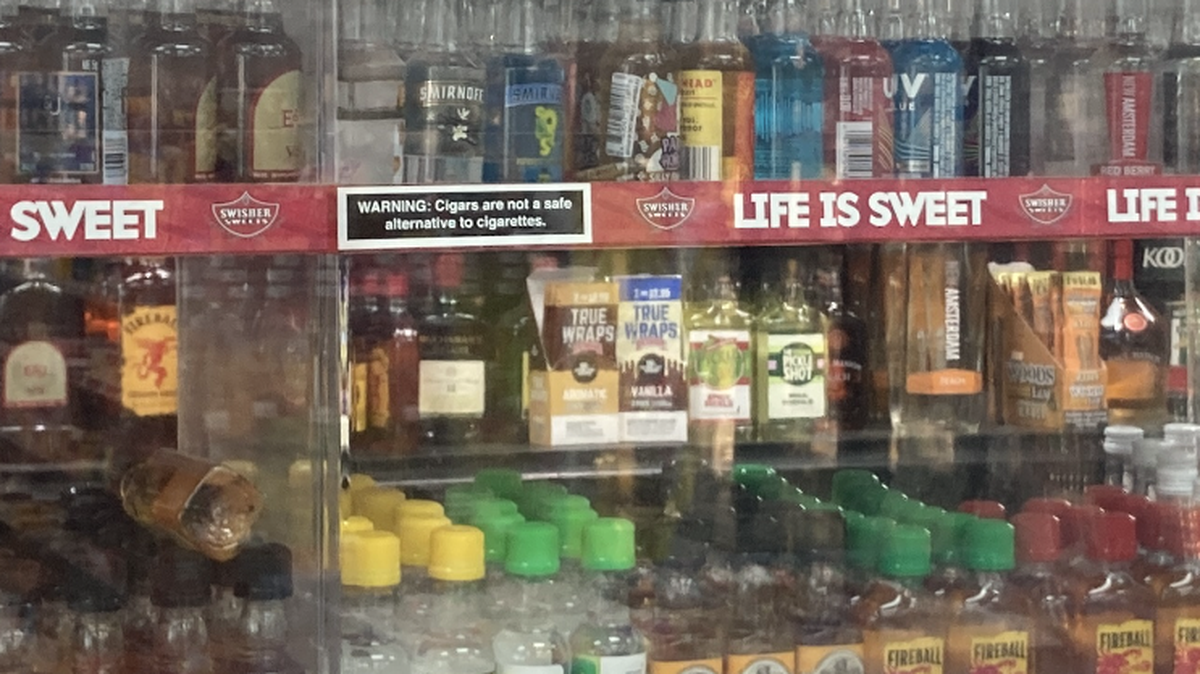
Missouri House Speaker Jon Patterson isn’t too fond of Kansas City’s new ordinance that bans single-serve alcohol sales at retail package stores in city-designated retail alcohol impact areas.
I can’t say that I am all that gung-ho about the amended city ordinance, either. Any law that prohibits the sale of alcohol in certain parts of town but not others, as this measure does, seems problematic to me.
It would not be a stretch to assume a legal challenge over this ordinance could surface at any moment. Business owners affected by the measure have been very vocal about their collective opposition to the new law.
On Thursday, the Kansas City Council narrowly approved the proposal by a 7-6 vote. Shortly after, I spoke with Patterson about its passage in a brief phone interview. During the call, Patterson said the Missouri House’s commerce committee approved the same day a substitute that would block Kansas City’s ordinance.
“This ordinance, which I have been very open about, is very misguided and harmful to small businesses,” Patterson said Thursday.
Patterson’s proposal, recently added to House Bill 3347, would preempt Kansas City from enacting what could be described as selective enforcement, if approved. But the full House still has to vote on the bill, as does the state Senate, if the proposal makes its way out of the lower chamber.
Sponsored by Republican state Rep. Jim Murphy of St. Louis County, H.B. 3347 would govern legal service contracts between local governments and law firms. Because Murphy’s bill and Patterson’s amendment differed so much, the legality of the proposal could and should be scrutinized.
Missouri’s single-subject rule requires every bill to address only one subject.
But there’s a way forward, according to Patterson. Under Missouri law, committee amendments can be added to other bills at any time for perfection, he said.
“If a committee substitute is recommended, the House, after considering any amendments to the committee substitute, will vote on whether to adopt the committee substitute, before taking the vote to have the bill perfected and printed,” reads the Missouri House website.
If ultimately approved, the state legislation would prohibit Kansas City and other cities from regulating single-serve alcoholic beverages.
Under the city’s new ordinance, the sale of 50 milliliter shot bottles known as shooters, nips or airline bottles and single-serve containers of beer and malt liquor are prohibited.
“You can’t limit the size or sale of certain alcoholic beverages,” Patterson said. “It just doesn’t make sense.”
Personally, I am always skeptical of any attempt by state lawmakers to intervene in local affairs. I’d hope elected officials in Kansas City would sort out its own mess and enact the single-sales ban everywhere in the city instead of allowing state officials to meddle in city business.
Ultimately, that did not happen.
What the ordinance says
Mini liquor bottles, defined as 200 milliliters or less and with an alcohol content of 35% or more, account for between 30% to 50% of revenue, some liquor and convenience stores retailers affected by the measure have argued. These retailers have described the ban as an unfair one that should be implemented citywide or not at all. I don’t disagree.
Grocery stores all over the city and other establishments outside the designated zones are exempt from the ban — and therein lies the problem I have with the new ordinance. Any legal parameter set up to tread on a free marketplace is not an ideal public policy for anyone to operate under.
Affected areas include downtown Kansas City and midtown, as well the Independence Avenue, Prospect Avenue corridor and Blue Ridge Boulevard corridors.
In the lead-up to the ban, community organizers and civil right leaders championed the proposal as a way to address quality of life crimes such as public drinking, loitering and littering in some neighborhoods. I certainly understand and respect their positions.
But instead of a ban that could harm small businesses, the city should have worked with Kansas City police to enforce laws already in place to address these issues.
Business owners opposed to the ordinance argued the proposal unfairly prevents them from selling a legal product that makes up a significant percentage of their sales, a point 1st District Councilman Nathan Willett made Thursday in voting against the ban.
“I think you’re going to have negative, negative consequences associated with this,” Willett said.