KC bans mini liquor bottles, single-serve beer sales in 5 major parts of city
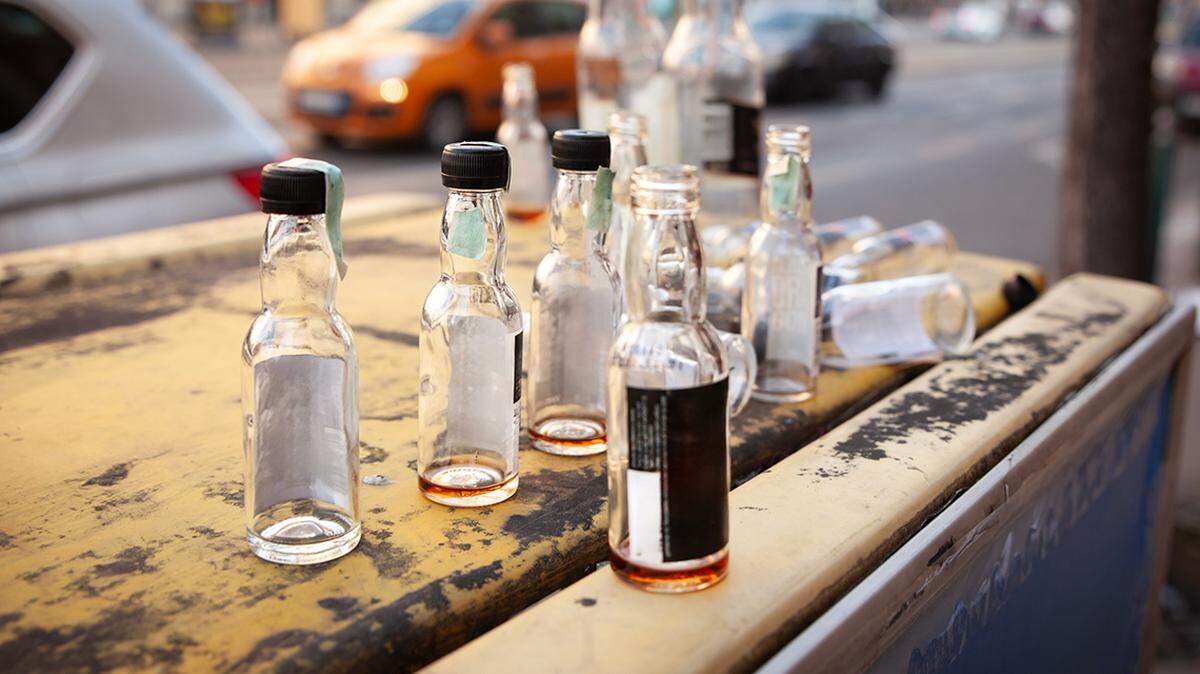
Major parts of Kansas City can say goodbye to the sale of mini liquor bottles and single-serve containers of beer and malt liquor.
On Thursday, the Kansas City Council, in a 7-6 vote, approved a proposed amendment to a city ordinance banning the sale of the mini liquor bottles — defined as 200 milliliters or less and with an alcohol content of 35% or more — in major parts of the city.
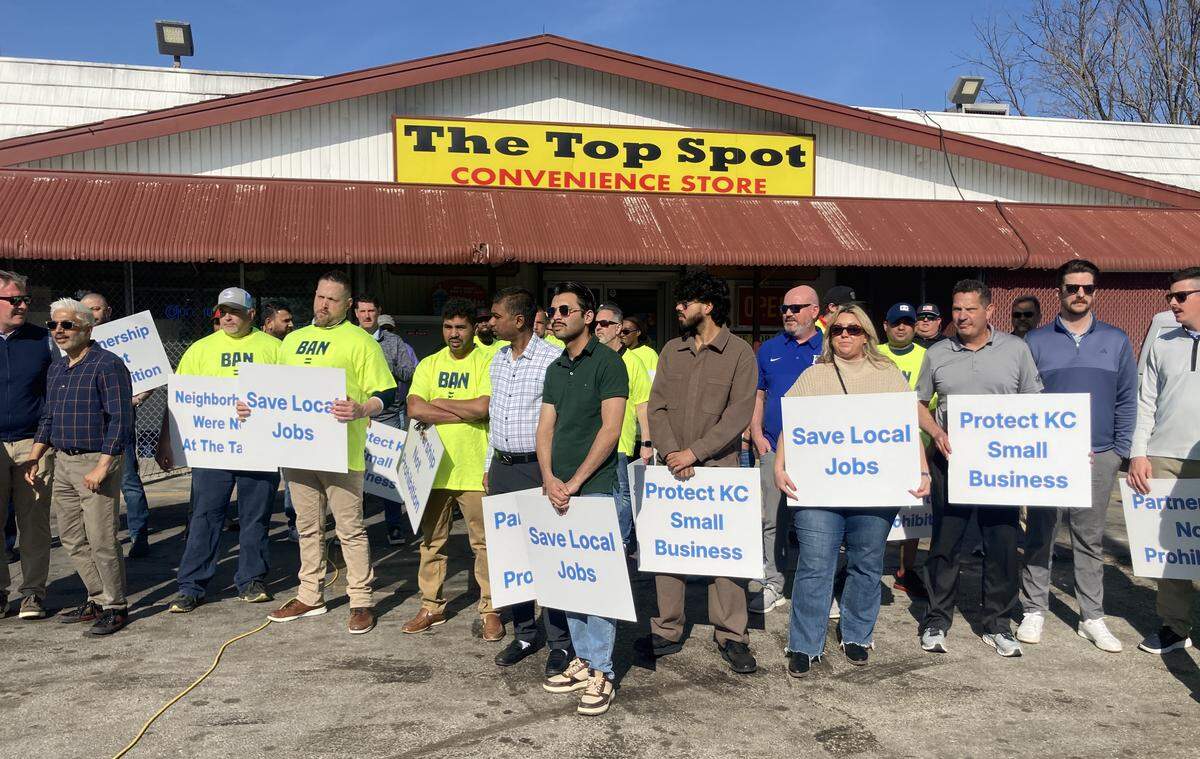
Local liquor and convenience store owners, who say sales of the products account for between 30% to 50% of their revenue, have protested against the proposal, which they see as an unfair business killer. Unfair, they say, because the ban does not affect the sale of the products in grocery stores or in the entire city, just certain parts.

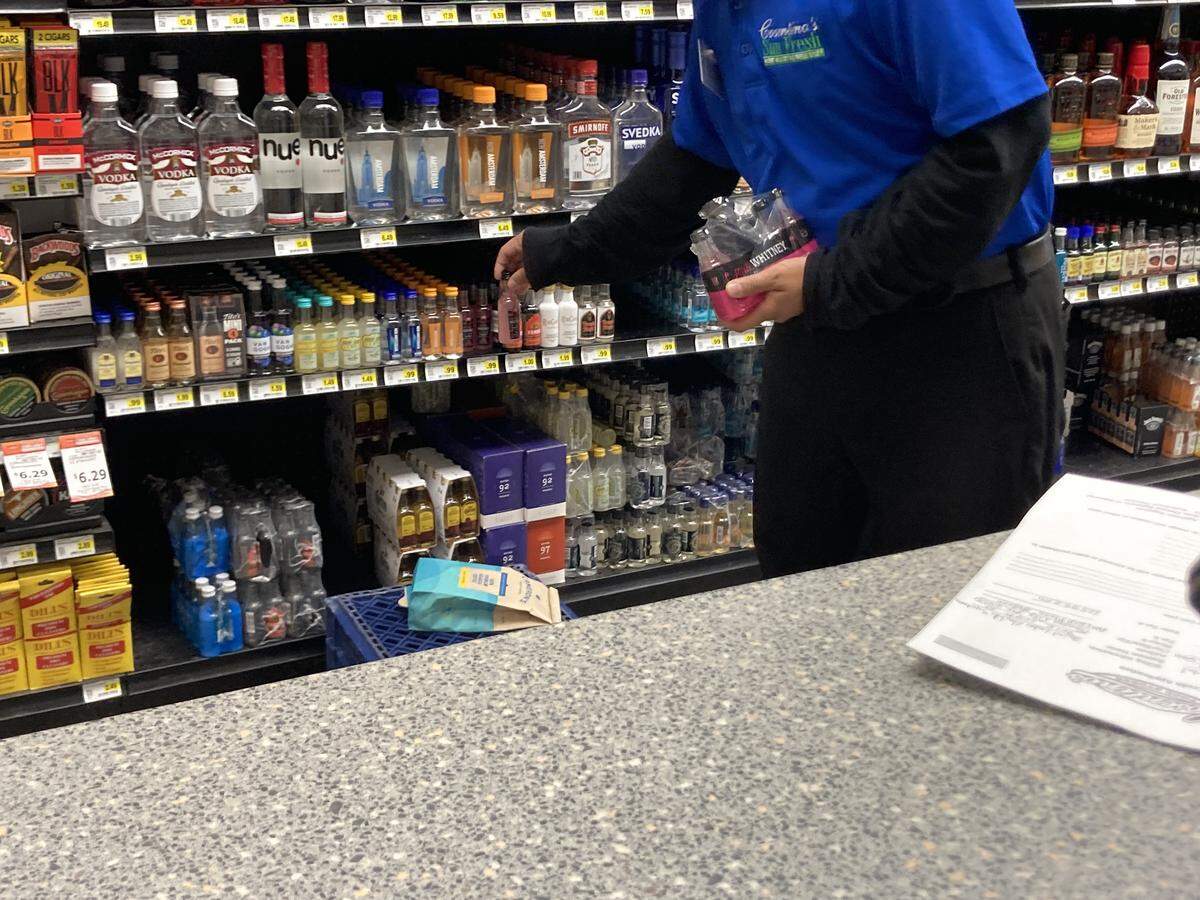
Chief among the products banned are the ubiquitous 50 milliliter bottles known as shooters, shots, nips or airline bottles. It also bans the sale of single-serve containers of beer and malt liquor.
The parts of Kansas City to be affected include: downtown, midtown, as well the Independence Avenue corridor, Prospect Avenue corridor and Blue Ridge corridor.
Although they were against any kind of ban, retail owners argued that if a ban was to be put in place, it should have been one that affected all establishments across the entire city.
Introduced in February by Mayor Quinton Lucas and 3rd District Councilwoman Melissa Robinson, the amendment to create “Alcohol Impact Areas” is designed to cut down on crime, drunkenness, litter and unruly behaviors believed to be associated with the consumption of the products.
Areas of the city’s 3rd and 5th districts are considered especially suspectible, as they possess a high number and greater density of retail liquor stores.
Research on the effectiveness of such a ban in decreasing crime have shown mixed results. Some cities, such as Seattle, Washington, have had broad success. Other research has shown that success to be spotty and dependent on where the bans are in effect. In some areas, the bans have been linked to higher crime.
Prior to Thursday’s vote, Robinson, arguing in support of the amendment, suggested that the ban may not offer a total solution to crime and unruly behavior, but it offers one.
“I want to be really clear,” she said. “Convenience stores are not the enemy here for those of us who have to travel 10 to 15 minutes to retails stores. We have to travel miles and miles away. We live in a food desert. We rely on convenience stores for our basic daily needs.”
She noted that the city’s Violence Prevention and Community Health Improvement Plan includes liquor regulations.
“So if you voted yes on that plan, then why aren’t you voting yes on the action, the ordinance that aligns with the plan?” she said.
Robinson argued that the liquor bottle issue is also an economic development issue, affecting housing sales and business development.
“Those of you, especially our At-Large members, go along Independence Avenue. Go along Prospect,” she said. “Would you live there? Would you allow your children to play and go to the library and walk to school and get on the bus? I know you wouldn’t.
“But we’re forced to. And those of you who are voting no on this, you’re saying it’s OK for us to continue to live in these conditions.”
Councilman Crispin Rea, 4th District At-Large, however, said he was voting no because he thought that if the city was to impose a ban, it ought to be citywide. He also argued that the city’s Regulated Industries Division could be used to deal with problems and retail stores that show themselves to be bad actors through the enforcement of current city ordinances.
First District Councilman Nathan Willett also indicated he would vote against the ordinance, noting that at fraternities where beer was banned “more folks went into harder alcohol and you had an uptick in accidents.”
“I think you’re going to have negative, negative consequences associated with this,” he said.
Councilman Kevin O’Neil, 1st District At-Large, and 6th District At-Large Councilwoman Andrea Bough also spoke to say they would vote against the amendment. Bough said that she had offered alternatives that were ignored.
Those voting for the amendment were Lucas, Robinson, Councilwoman Melissa Patterson Hazley, Councilman Darrell Curls, Councilwoman Ryana Parks-Shaw, Councilman Johnathan Duncan and Councilman Eric Bunch. Those against were Bough, Rea, O’Neill, Willett, Councilman Wes Rogers and Councilwoman Lindsay French.
On the state level, the ordinance is already running into resistance from lawmakers.
Missouri lawmakers are considering legislation that would prohibit cities from regulating the size of alcoholic containers and the number of containers that can be purchased, an attempt to preempt the city from enforcing the ordinance. The state-level legislation would mark yet another example of the GOP-controlled legislature limiting local control of the largely Democratic city. Local officials have often chafed at state leaders’ willingness to impose themselves on the city, whether on police control, guns or housing rules.
This story was originally published April 9, 2026 at 4:49 PM.