Fentanyl cut with 7-OH? Court docs suggest a new trend in Missouri | Opinion
Missouri’s effort to clear the highly addictive kratom derivative 7-hydroxymitragynine — sometimes called 7-OH, sometimes called “gas station heroin” — out of the state will take another step next Tuesday.
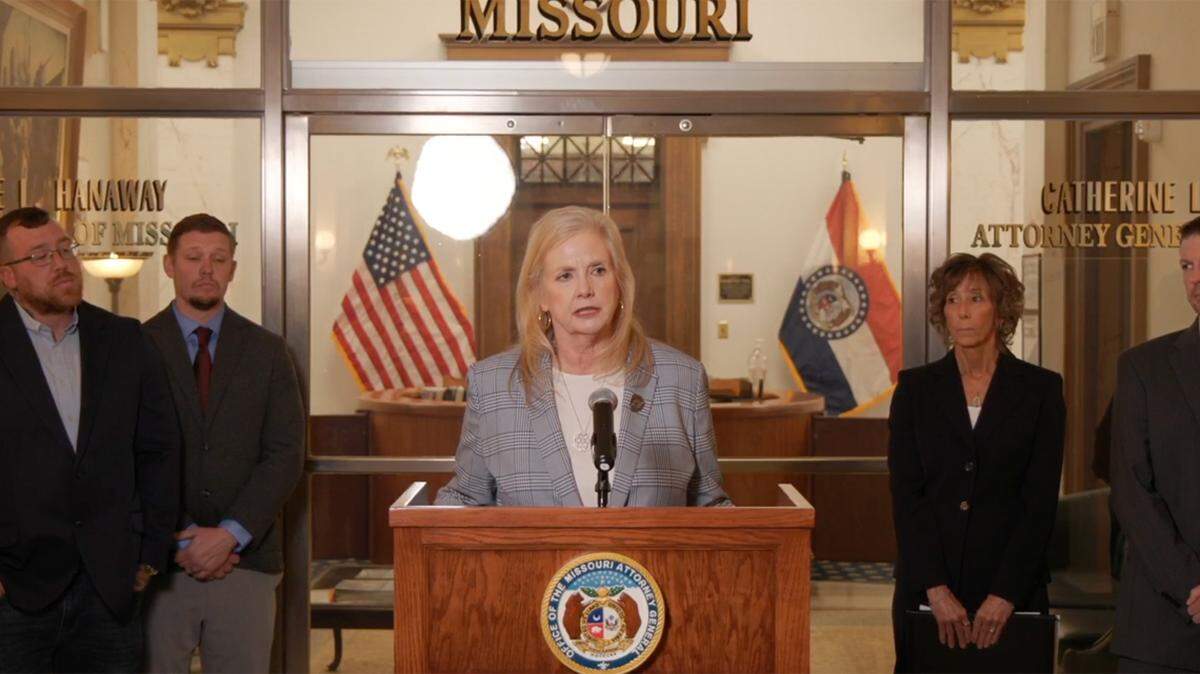
That’s when a judge will hear arguments over whether to issue an emergency order blocking American Shaman and related companies from selling the products, part of Attorney General Catherine Hanaway’s lawsuit against the Kansas City–based firm. As I’ve reported, American Shaman is one of the country’s largest suppliers of 7-OH.
“We’re seeking a preliminary injunction, and eventually a permanent injunction to prohibit (Shaman) from selling the product,” Hanaway said in an interview Thursday. “We’ll be arguing that it should be effective immediately. There’s irreparable harm happening here. Our view is that we don’t think any delay would be appropriate.”
Several cities, including Kansas City, have banned 7-OH in recent months, and bills that would do the same are being debated in the state legislature. For now, though, it’s still legal in much of Missouri. In lieu of a statewide ban, Hanaway has made cracking down on the drug a priority, issuing civil investigative demands to kratom companies last fall and now suing American Shaman.
Recent filings in the case include some telling details:
Among them is an affidavit from a Missouri State Highway Patrol narcotics officer with nearly two decades in law enforcement, including years working undercover drug cases. He offers an on-the-ground view of how fast 7-OH has taken hold over the past 18 months and what his sources say is changing.
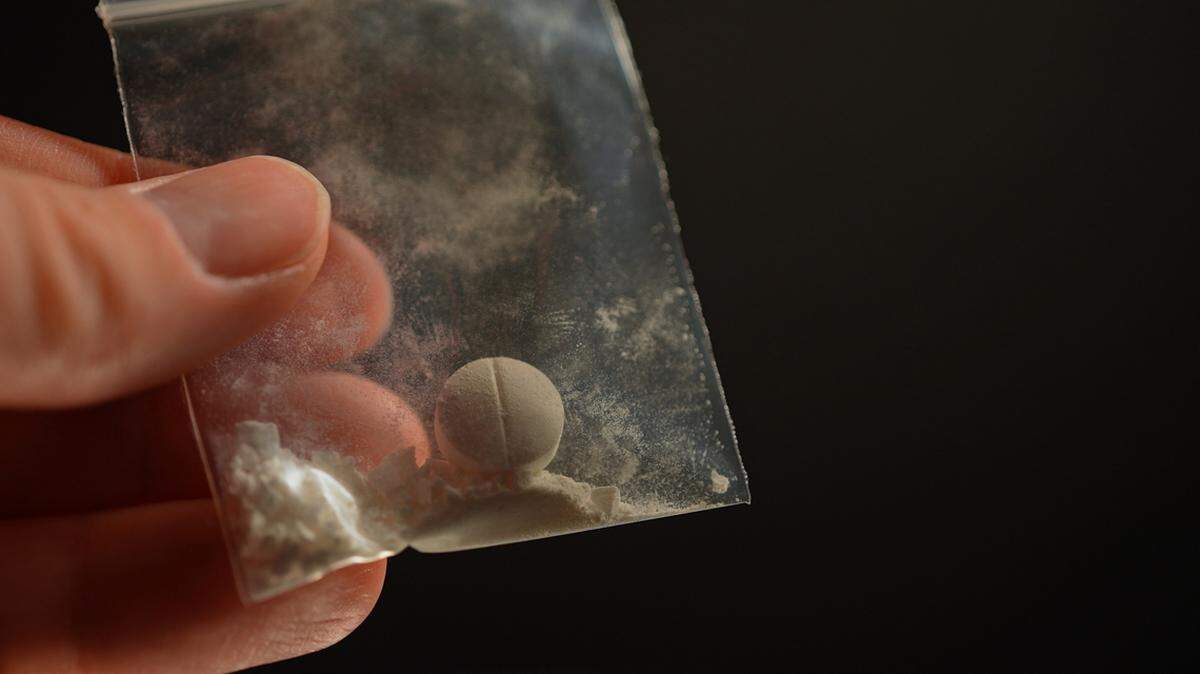
Fentanyl dealers, he says, are starting to cut their product with 7-OH. In one case, a confidential source reported seeing a fentanyl trafficking target mix the two; the affidavit says that suspect was believed to be making more than $1 million a year selling fentanyl.
“7OH is readily available and does not dilute raw fentanyl,” the trooper states in the affidavit. “It maintains the same effect and enhances fentanyl. It is now being used to boost fentanyl sales and potency.”
Opioids of a feather
Fentanyl is already commonly mixed with other substances — sometimes to stretch supply, sometimes to change the high.
Xylazine, a veterinary sedative also known as “tranq,” is often added to prolong the effects and deepen sedation. Benzodiazepines like Xanax can intensify that depressant effect. In some markets, fentanyl is also turning up alongside stimulants like methamphetamine or cocaine, either intentionally blended for a combined effect or the result of cross-contamination. And dealers also sometimes add inert fillers to bulk up the product and increase profit.
As my reporting on the drug showed last year, 7-OH as a substance sits uncomfortably close to fentanyl in terms of effect. People who work in treatment say they’re already seeing that overlap.
“I’ve seen patients who have switched directly to 7-OH from fentanyl without having issues,” the director of a Kansas substance abuse center told me. “Which is really alarming, because fentanyl is such a high-potency drug. To have a product that compares to it on the market and is entirely unregulated is just shocking.”
The trooper’s affidavit also references conversations with convenience store employees who say they wish their owners didn’t sell the products, because they see the toll it takes on regular customers. In one case, he recounts watching a middle-aged man counting out change for a chewable tablet costing about $7.99, with the clerk recognizing him by name and asking which flavor he wanted.
Anecdotal stuff, to a point. But there is a reason it seems like every empty storefront in the region is turning into a vape shop. The margins on these drugs can be astonishing, the demand is steady, and the highest-value customers have to keep coming back. They get sick if they don’t.
A Jackson County judge has a chance Tuesday to step in and stop one of the biggest suppliers behind the rapid spread of this drug in Missouri. Let’s hope that happens.