KC man avoided opioids, fearing addiction. He died from kratom instead | Opinion
Much of the attention around gas station drugs over the last year has focused on 7-hydroxymitragynine, also known as 7-OH — a potent kratom derivative that has in many ways taken over the kratom market.
Pills, gummies and drinks containing 7-OH remain top-sellers at quickie marts and smoke shops all across the country, even as the federal government has moved to ban the drug and many states and cities already have. 7-OH is ferociously addictive. It is several times more potent than morphine and was until recently almost entirely unregulated. The attention it is receiving from city councils and attorneys general is entirely earned. It is a dangerous drug that has no business hanging on the hook behind the counter next to the Tums and the prepaid phone cards.
But the recent focus on 7-OH obscures something else: kratom itself.
7-OH is naturally present in all kratom, but only in trace amounts. The reason 7-OH products on the market are so potent is because manufacturers isolate, concentrate and chemically enhance the 7-OH — take the most pleasurable and powerful stuff inside kratom — and then press it into pills and other products.
Kratom, on the other hand, is viewed as a far less dangerous alternative for pain management. And in most cases it probably is. If you take raw kratom and stir it into a tea, or put it into digestible capsules, you’ll experience some 7-OH effects but not the supercharged version of them. Consumed this way, the product is much milder.
Still, kratom, like 7-OH, is widely available, loosely regulated and sold with little consistency in labeling or dosage. And though instances are rare, it can also be fatal.
One such case is working its way through Jackson County Circuit Court.
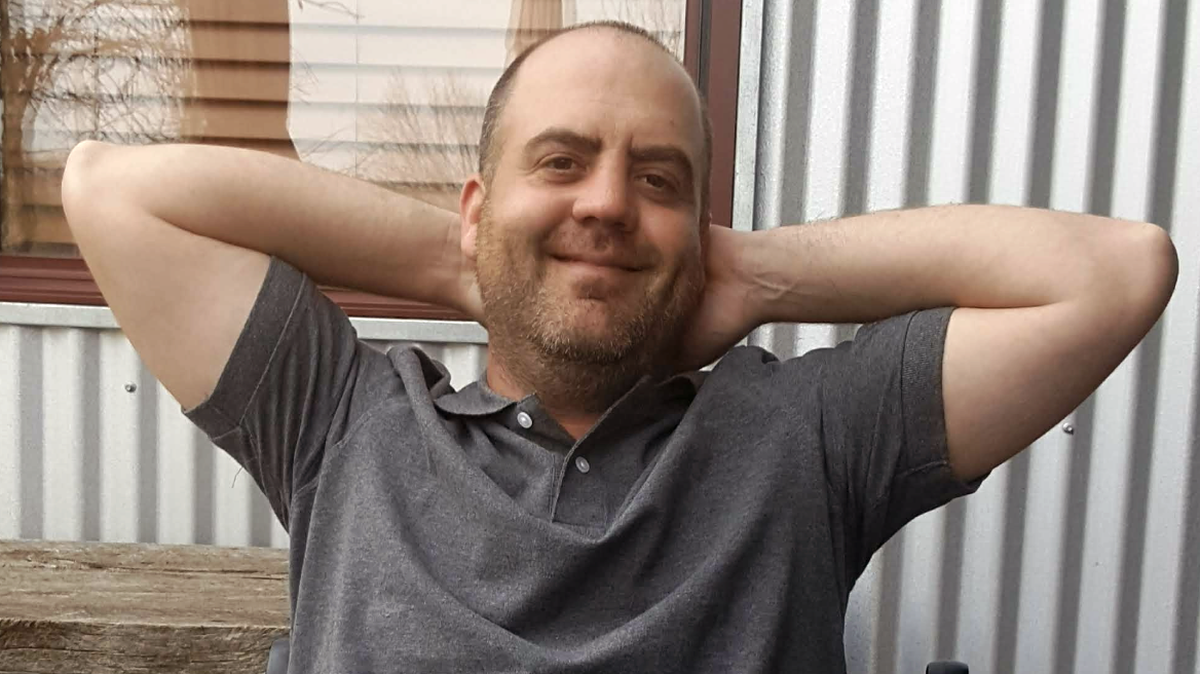
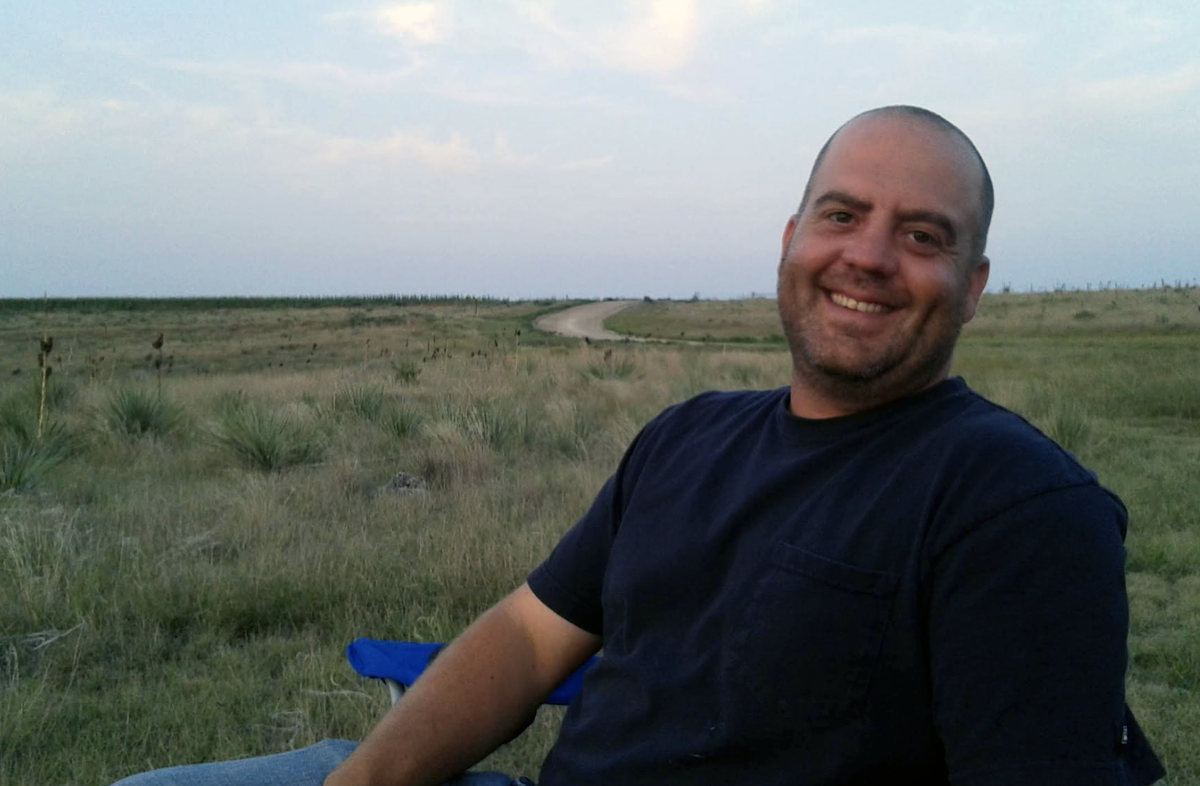
David Thacker died last year at age 44. He had been dealing with chronic pain after a workplace injury — he fell off a tractor while mowing the grass along a highway for the Missouri Department of Transportation and suffered a concussion and back injury. Chronic pain ensued. Because he had lost years of his life in the past to alcoholism, he was determined not to take opioids, which he felt could open the door to addiction.
“He seemed to be getting healthier,” his sister Amy told me. “He was working out, losing weight, staying sober. To us — to his family — it seemed like he was on a better path.”
Then one day last year, May 31, Amy came home from work and found David dead on the kitchen floor.
The autopsy determined his cause of death to be an overdose of mitragynine — the primary alkaloid in kratom. No other drugs were detected.
The Hub Smoke Shop
Near to David when he died were several different types of kratom. One was a 20 oz. bag of powder kratom from the company Remarkable Herbs. Another was a bottle of kratom pills made by the company Club 13. The last was an unmarked bag with the words “Red Borneo” written at the top.
The family was confused. They didn’t know David was taking kratom. They barely knew what kratom was. Then they thought about the water bottle he always kept around.
“He was always mixing stuff into it,” Amy said. “He didn’t hide it or anything. I thought it was a workout powder or something, because he was exercising a lot.”
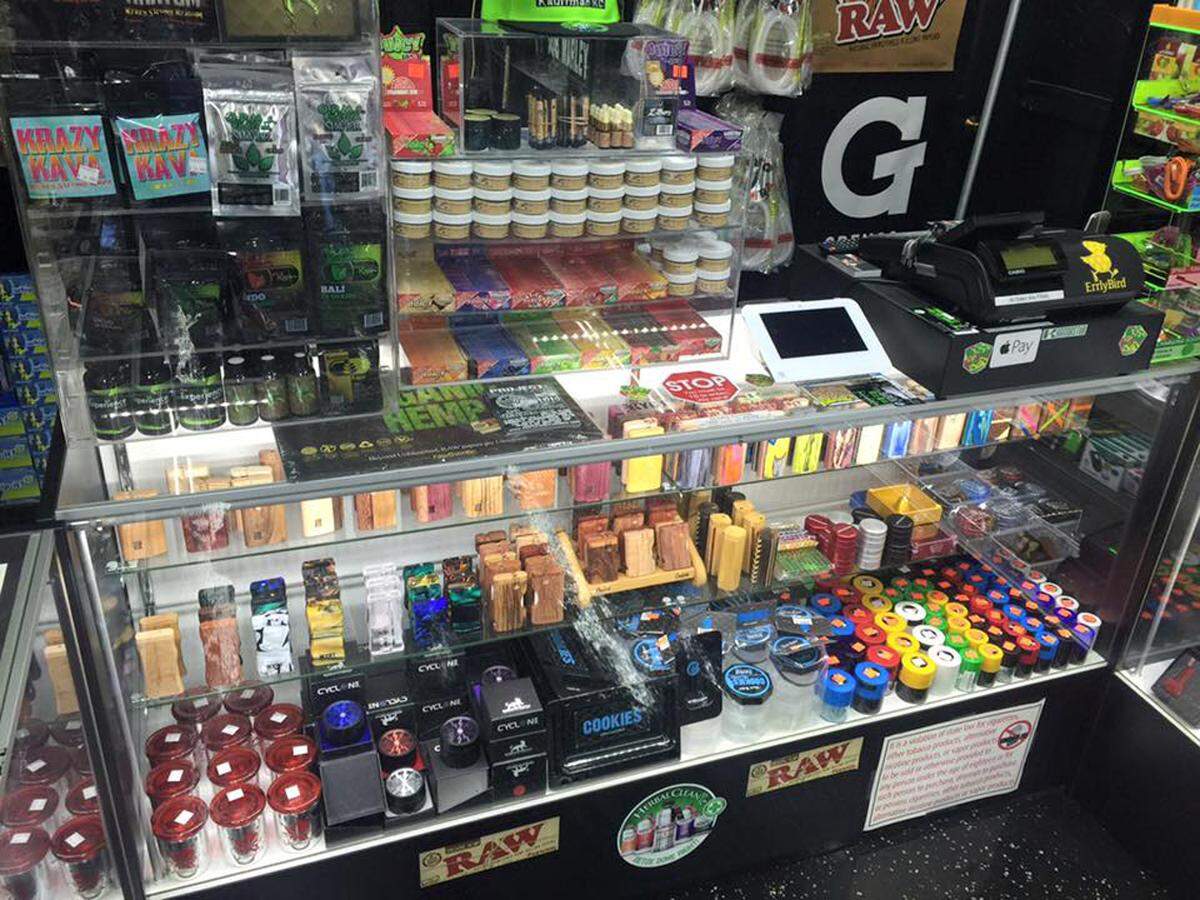
Slowly, family and friends began to piece together what had led to David’s death. The path led back to The Hub, a smoke shop on North Oak Trafficway in Gladstone. David’s girlfriend said she’d taken him there before, and bank receipts confirmed he had made multiple purchases there.
The Hub is one of several defendants in the wrongful death lawsuit about David. It has five locations in the Kansas City area where it sells a wide variety of gray-area intoxicants, including 7-OH and kratom.
The lawsuit alleges that Thacke regularly bought kratom there, including the Red Borneo powder found near him when he died.
“The Hub appears to be buying kratom in bulk, mixing it themselves, repackaging it into unmarked bags and selling it at the store,” said attorney Mark Schloegel, who filed the case on behalf of Thacker’s family. “There’s no real labeling, no warnings, no ingredient disclosures, nothing that would comply with standard labeling requirements. Maybe they write the name of the strain on the bag, but that’s it.”
The Hub’s ownership structure is a maze of overlapping entities. Many are named in Schloegel’s suit. They include Vapor III, LLC, Odai Alomari, Obada Mustafa, and Wellness Connect, LLC. The suit also names as defendants the makers of other kratom products found at the death scene: OPMS Kratom and Club 13. None could be reached for comment, and none have yet filed an answer in the court proceedings.
A kratom ‘clean case’
At the federal level, kratom is legal to possess and consume. But it sits in a strange gray area. The Food and Drug Administration tried to ban effectively it in 2016, then backed off after a public outcry. Since then, the agency has not approved it for any medical use and does not meaningfully regulate how it is sold. Instead, it has mostly issued warnings about safety risks and left the market largely intact.
In that vacuum, states and cities have stepped in with their own rules. Some have banned it. Others have tried to regulate it with age limits, licensing requirements or labeling standards. Kansas City recently passed an ordinance that bans synthetic 7-OH products outright but allows natural kratom to be sold only under new restrictions, including a 21-plus age limit and licensing requirements. A similar bill is currently moving through the legislature in Missouri.
The toxicology report found mitragynine at about 1,400 nanograms per milliliter in David’s blood — considered a high concentration. In prior cases where kratom was identified as the only drug involved in a death, reported levels have generally been somewhat higher, but in the same range.
Kratom overdoses like David’s — so-called “clean cases” — are uncommon. Kratom advocates often emphasize that deaths attributed to kratom or 7-OH almost always involve alcohol, other drugs or underlying health issues. Based on the autopsy, David’s does not.
“This drug can actually kill you,” Schloegel said. “This case highlights the fact that it is being sold without regulation, with abandon, and we’re doing our best to stop it.”
Amy Thacker said her family decided to speak publicly in part to make that clearer.
“I want to be helpful to other people,” she said.
Her brother avoided prescription painkillers because he was afraid of becoming addicted again. He thought he chose the safer path. Instead, it killed him.