A drug ban that Kansas City-area Democrats and Republicans can agree on | Opinion
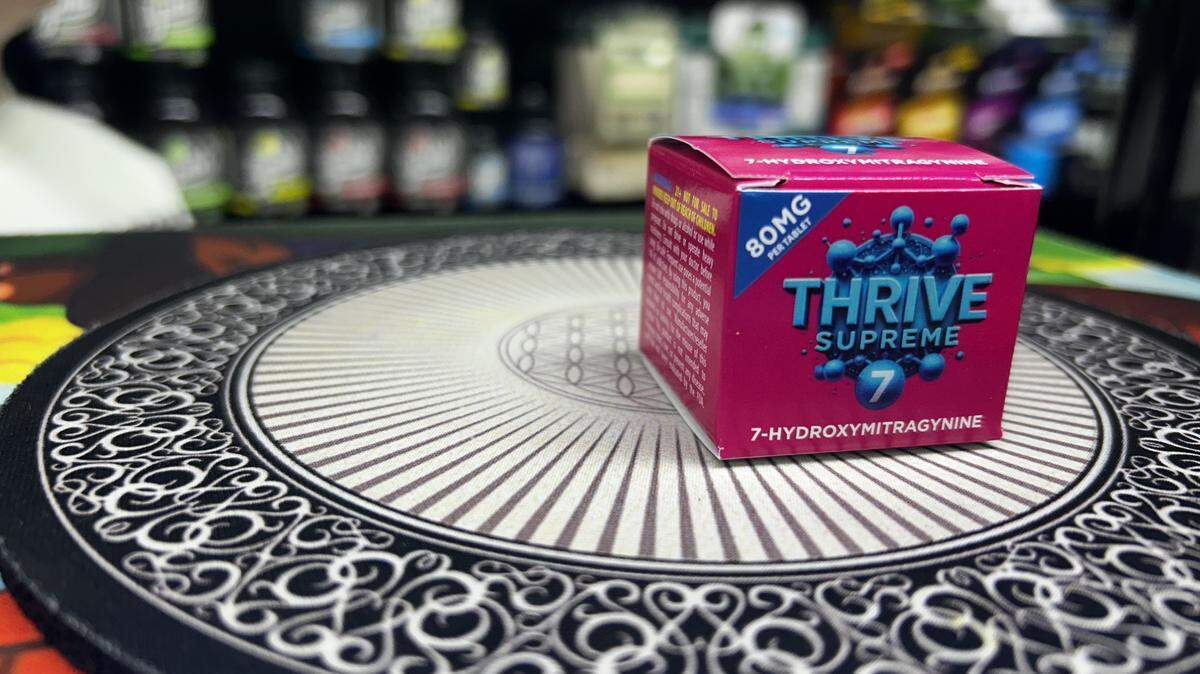
Just one year ago, few people beyond the customers who bought it and the retailers that sold it had any idea what 7-hydroxymitragynine, or 7-OH, was.
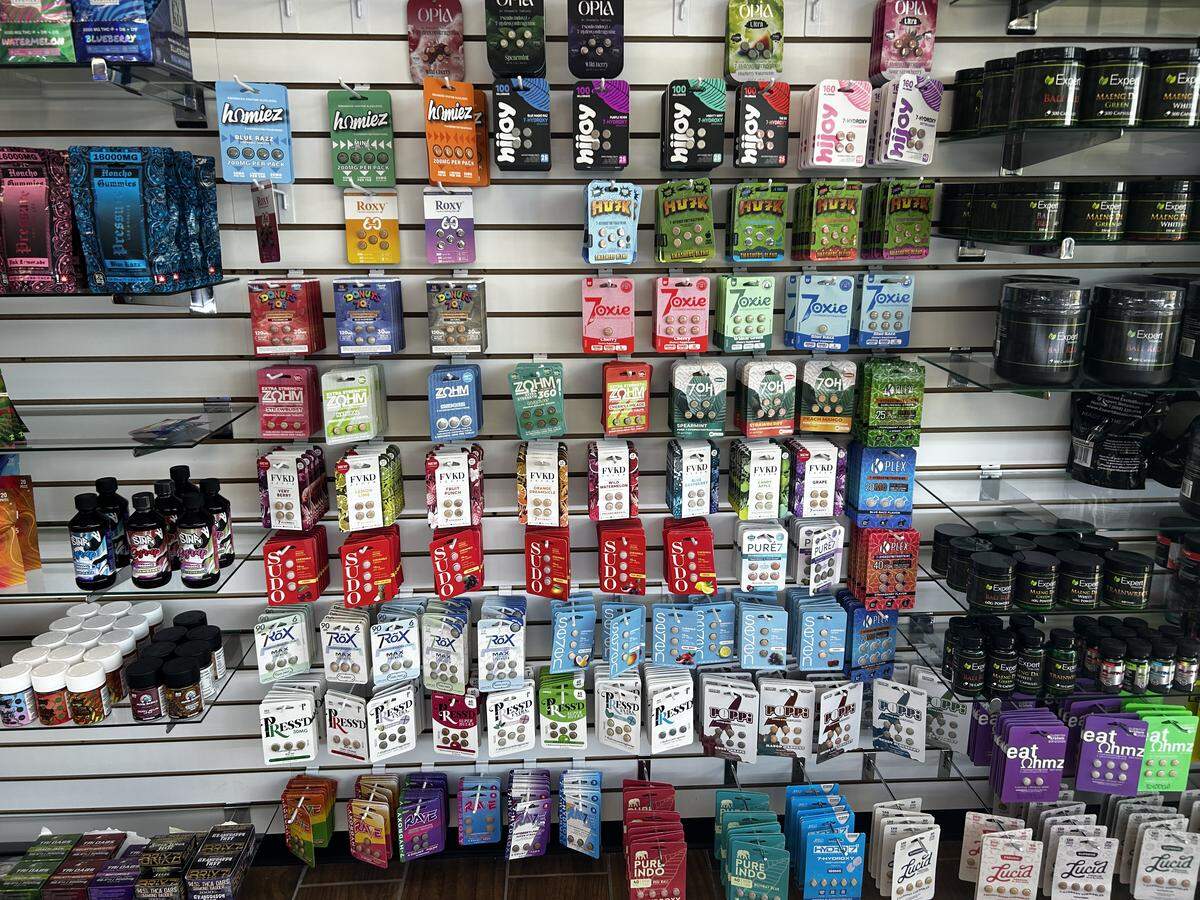
Now, the synthetic drug sometimes called “gas station heroin” has become a rare point of consensus for local Democrats and Republicans, city halls and the statehouse, all of which are moving in the same direction: to get it off store shelves.
About time. It’s an abdication of basic government responsibilities that a person can stop into a gas station for a Gatorade and walk out with a drug that hits like heroin.
On Thursday, the Kansas City Council unanimously passed an ordinance that effectively bans 7-OH, a product that researchers say is ten times more potent than morphine and sold unregulated in gas stations and smoke shops.
Mayor Quinton Lucas introduced the proposal, but it was co-sponsored by conservative 1st District Councilman Nathan Willett and lefty 6th District Councilman Johnathan Duncan.
“This is a public health win that Kansas City is leading on,” Willett told me Thursday.
Willett said cities and counties around the region are already calling for guidance on how to replicate the ordinance, including Ray County, Riverside and St. Joseph. Gladstone has already acted. Independence and Blue Springs are expected to take up similar rules soon.
The state is moving too. In Jefferson City this session, lawmakers in both parties are advancing bills aimed at the same market. A Senate proposal backed by Democrat Maggie Nurrenbern would cap potency and restrict synthetic 7-OH products. Another Senate bill sponsored by Republican Mike Henderson would go further by placing concentrated 7-OH on the state’s controlled-substances list; Republican Bill Allen has introduced one in the House that mirrors Henderson’s.
‘You can’t overdose’
I’ve been writing about 7-OH for about nine months now. Last year, I published an investigative series about CBD American Shaman and its founder, Vince Sanders, who has more than perhaps anyone in America helped turn this highly addictive drug into a national retail phenomenon. His company is currently being investigated by Republican Missouri Attorney General Catherine Hanaway. Federal agents seized some of his 7-OH stash in November as well.
Sanders turned up at a hearing this week over the Kansas City ordinance to talk about why banning 7-OH would be bad. His argument more or less amounts to: You can’t overdose and die from 7-OH, because it doesn’t act on the receptors in your brain that cause you to stop breathing, which is how most opioid abusers die.
He might be right about that not-dying part. Although there are documented deaths related to 7-OH, those numbers aren’t in the same galaxy as traditional opioid deaths. Maybe 7-OH is something doctors should be prescribing to opioid addicts instead of, say, suboxone or methadone. Let’s study it. In the meantime, remove it from commerce. “Less likely to kill you” is a low bar for something sold next to energy drinks at the quickie mart.
The other argument you hear from Sanders and others tied to the 7-OH industry is that prohibition never works. If you take 7-OH off the shelves, they say, people will just find something worse. There’s always some truth buried in that line. Addiction rarely disappears just because a product does.
But it also conveniently ignores who benefits from the current arrangement. For the past two years, companies such as Sanders’ have been able to sell a highly addictive product with little oversight while the debate drags on. Talk to addiction counselors, or spend a few minutes in online recovery forums, and you get a sense of what that has meant: dependence, financial ruin, people cycling through withdrawal and back again. All of it highly profitable for the people selling the stuff.
Banning 7-OH versus regulating kratom
The more persuasive testimony this week came from people asking the city not to lump everything together. Many said they rely on traditional kratom — the leaf or lower-potency extracts — to manage pain or to step down from stronger opioids. You can take that for what it’s worth. But it is a different category from a lab-concentrated alkaloid pressed into tablets and sold as a quick hit. Treating those as the same would have been misguided.
Kansas City, to its credit, mostly avoided that mistake. The ordinance that emerged is narrower than the original proposal. It regulates natural kratom, bans the high-potency synthetic derivatives like 7-OH, and gives the city tools to shut down stores that ignore the rules. The Kansas City shops selling 7-OH now have 60 days to clear it out.
A good start here in KC. Let’s hope Jeff City finishes the job.