
Body cameras provide insight in police shootings. Why don’t KC officers wear them?
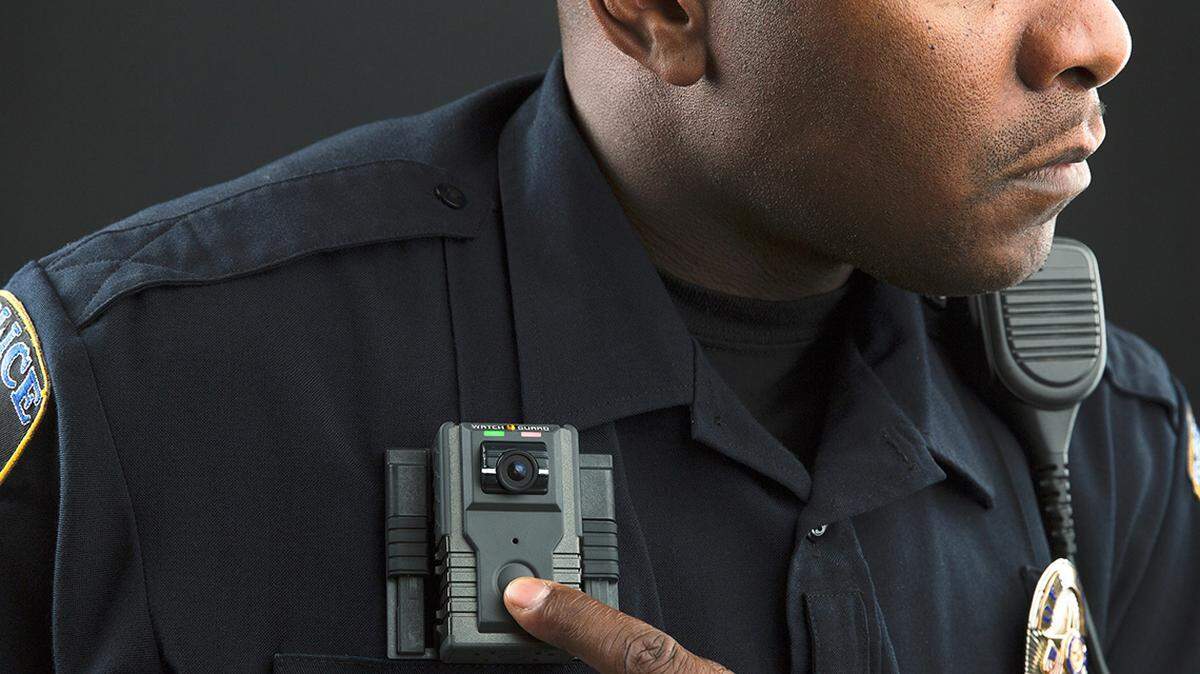
Recent police shootings that left three dead in Kansas City are yet another reminder: Officers should be equipped with body cameras. And the Kansas City Police Department shouldn’t wait until 2020 to make that happen.
Even though the Kansas City Police Department has studied the issue for years and rolled out a pilot program about two years ago, it lags behind counterparts in other major cities.
The initial price tag to implement the technology was expected to be around $6 million, police officials said last year. But now, the time line for implementation has slid all the way to 2020.
The continued delays are a disservice to both officers and the citizens they protect and serve.
Body cameras are an essential tool that provides accountability and transparency. The technology has been used to clear officers of various allegations. Footage has also been used to implicate wayward officers who may have otherwise escaped legal scrutiny.
In 21st-century policing, body cameras are also important in fostering trust within the community.
“We are always exploring technology that is out there that will make us more effective and better able to serve the public,” Kansas City Police Sgt. Jacob Becchina, the department’s spokesman, told The Star on Thursday.
A Police Executive Research Forum survey found that 39 percent of police departments that do not use body cameras cited cost as a primary reason. But excuses have been exhausted here in Kansas City. The police department can't afford not to invest in this readily available technology.
As the father of one of the three victims shot and killed recently by police in Kansas City said, if officers had been wearing cameras, they could clear up any misconception about what police did and didn’t do correctly.
“I’m not picking on police,” Mark Draper said. “But from what I’ve seen, they came in with guns blazing.”
Police said Draper’s 34-year-old son, Robert A. White, was physically intertwined with Timothy Mosley during a fight when officers shot both men. Police contend Mosley pointed a gun at them.
A bystander’s video shows the encounter. Three officers fired within 10 seconds.
The department’s initial account of the incident seemed to justify the shooting. Body camera footage could have corroborated that assertion.
In another recent case, officers shot Ashley Simonetti as she wielded a decorative sword.
The absence of body cameras and the police department's policy of withholding the names of officers involved in use-of-force incidents combine to sow distrust.
Standard professional practices suggest departments release officers' names within 48 to 72 hours. So far, KCPD officials have not identified the officers involved. And they don’t plan to.
Shouldn’t the public know if officers have been involved in multiple shootings? That’s an accountability issue that could easily be addressed. Equipping police with body cameras would also help.
The police board must approve the use of body cameras. What's the delay?
This story was originally published June 22, 2018 at 6:34 PM with the headline "Body cameras provide insight in police shootings. Why don’t KC officers wear them?."