KC Black history: Do you know how Black doctors striked before hospitals integrated?
READ MORE
KC Black History: KCQ answers student questions
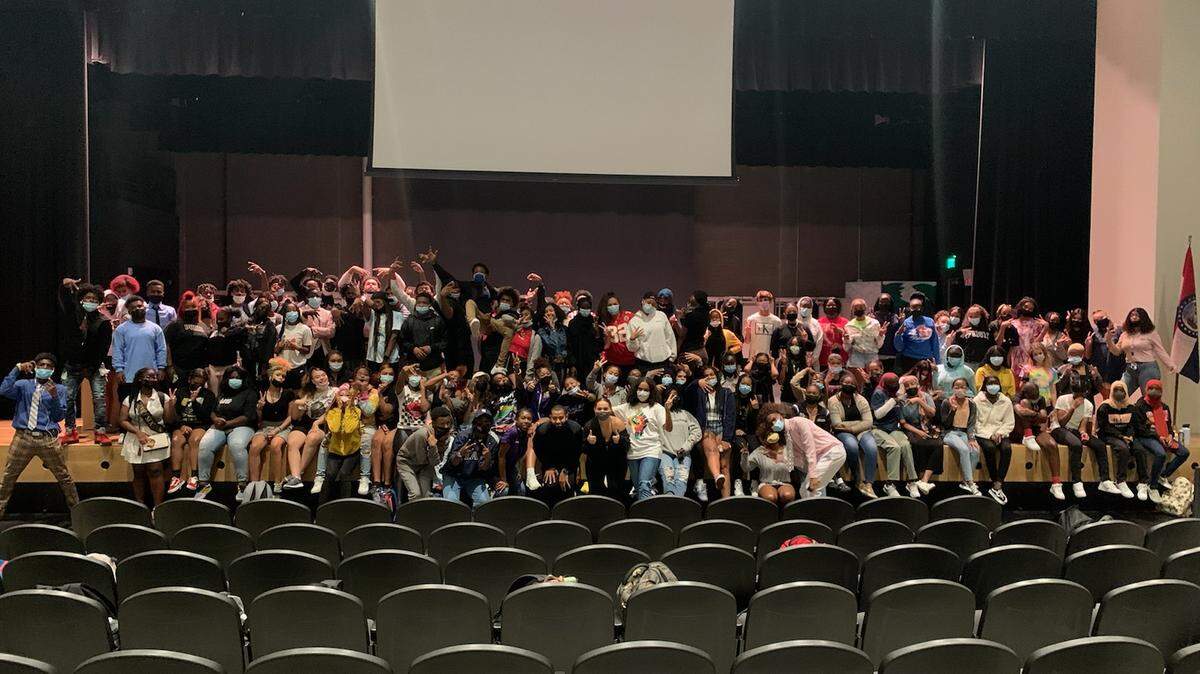
For Black History Month in 2022, our KCQ team worked with students in Black Student Unions at three high schools around Kansas City to see what they wanted to know and what they wished more people knew about our local Black history. These stories are fueled by those students’ curiosities.
Expand All
A reader recalled her mother’s experience as a nurse during the integration of Kansas City’s hospital system in the 1950s, and asked “What’s Your KCQ?” — a partnership between the Kansas City Public Library and The Kansas City Star — to investigate how segregation ended in the hospitals and how it affected patient care.
We learned more about the hospital integration in the late 1950s, and about how for the decades before it, Black medical professionals fought for a better quality of care for Black patients in Kansas City.
Going from one hospital, to General Hospital No. 1 and No. 2
When the city built its first municipal hospital in the 1870s, it reserved only a few beds for Black and other nonwhite patients. A major flood in 1903 made evident the need for more hospital capacity. Flood victims overwhelmed available beds, and the city’s convention hall had to be outfitted as a temporary hospital.
In the disaster’s aftermath, the city’s Black doctors lobbied for a hospital that could not only adequately care for patients, but that could serve as a training ground for Black medical professionals.
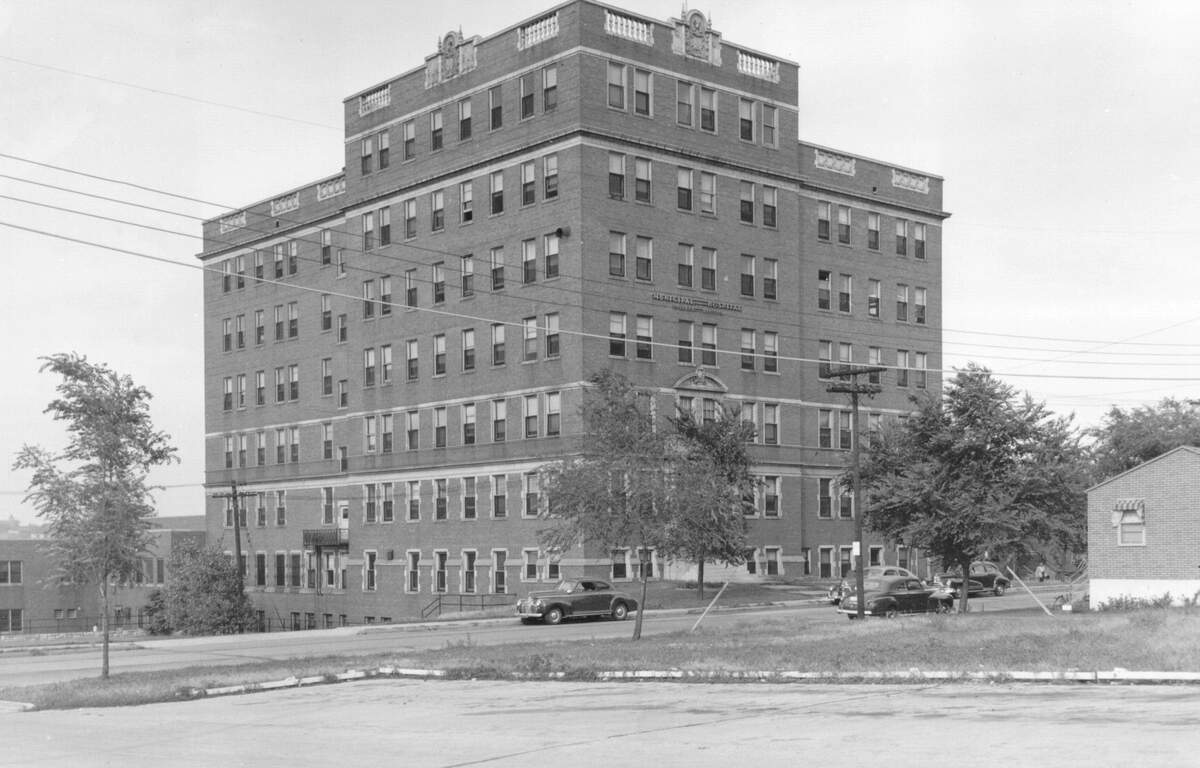
Their advocacy paid off, but the city’s solution was to then have a white hospital and a Black hospital, called General Hospitals No. 1 and No. 2. The city opened a new hospital in 1908 and redesignated the old building at 22nd and Locust streets as the Black hospital, No. 2.
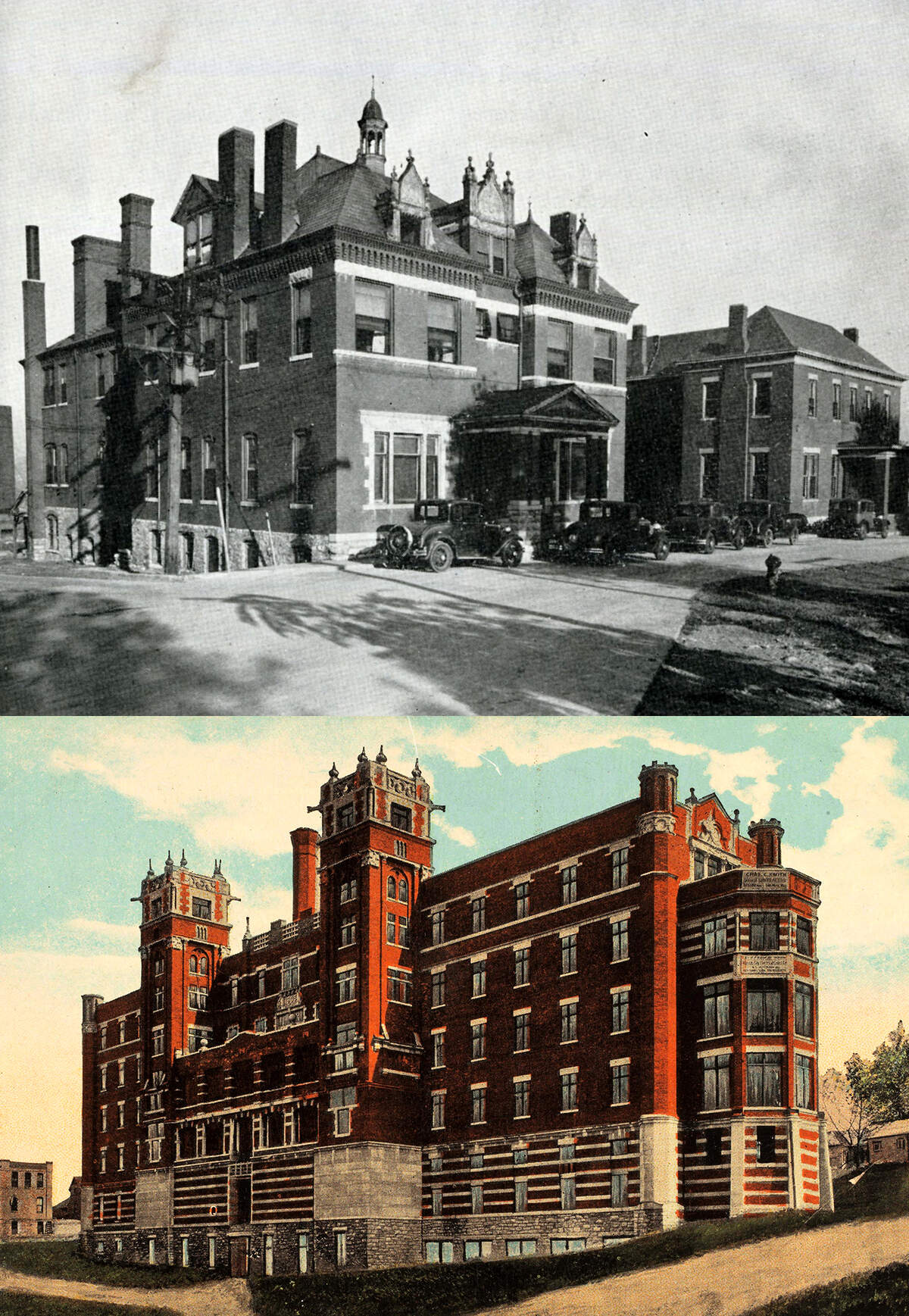
Unfortunately, conditions at Hospital No. 2 were less than ideal. In what would become a running theme, staff had to deal with supply shortages of every kind and had to make do with hand-me-down equipment. The facility was not adequate, and the need for a new one quickly became apparent.
A “brand new, spic and span” Hospital No. 2
It wasn’t until after Hospital No. 2 sustained heavy damage in a 1927 fire that the city approved a plan for a new Black hospital. Some chalked the speedy approval up to the Black community’s years’ long support of the influential politician Tom Pendergast.
When the city chose a site along the city’s unofficial north-south color line—Michigan Avenue just north of 27th Street—white residents decried the decision. The Linwood Improvement Association forced the city to reconsider, caving in to white residents who said they feared a drop in property values if people of color strayed too far south.
The city chose a new spot at 22nd Street and Kenwood Avenue just north of General Hospital No. 1.
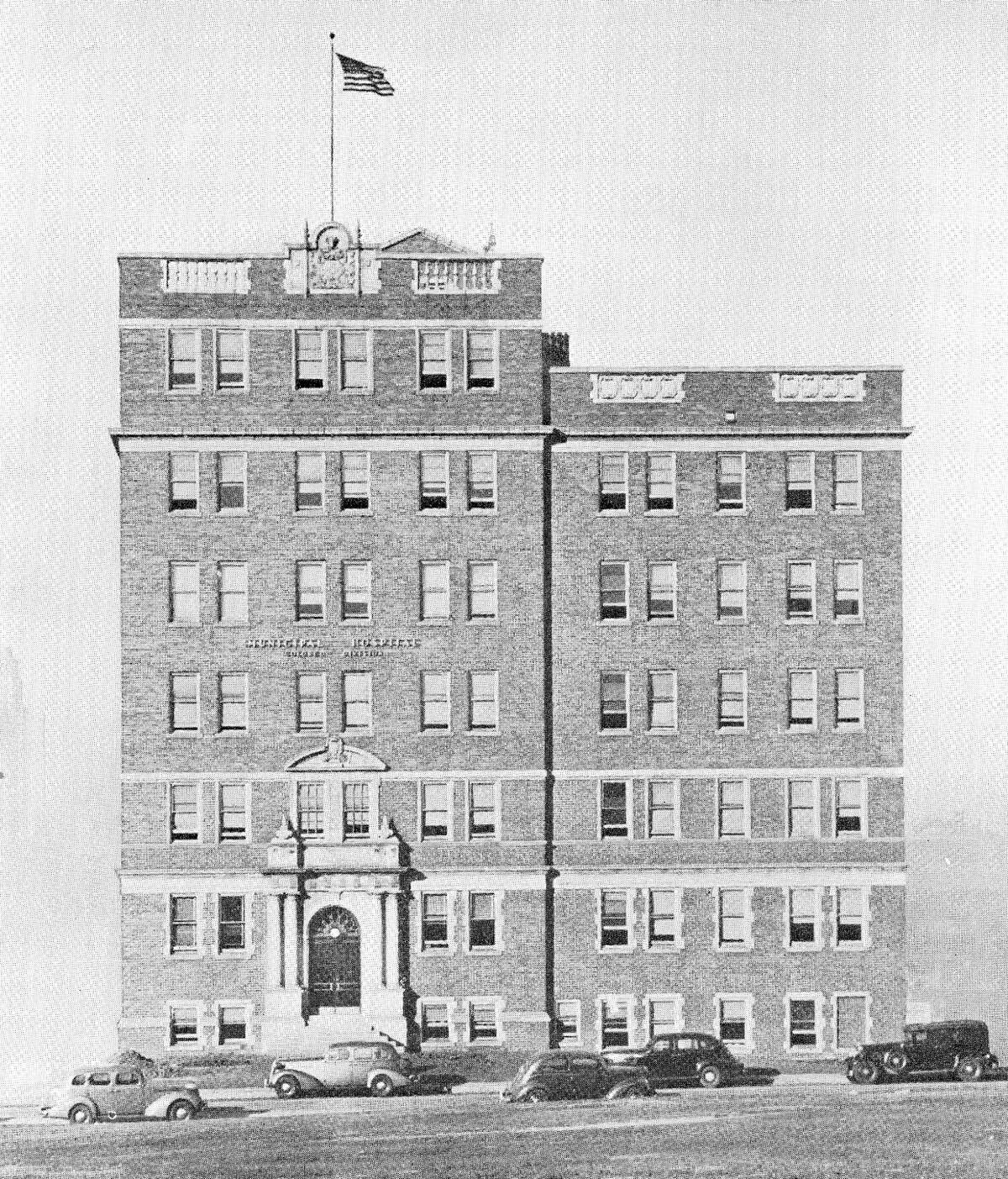
When the new building opened in February 1930, The Call, Kansas City’s Black-run newspaper, called it “the most modern public hospital in the country,” and boasted of its eight floors filled with “brand new, spic and span” equipment.
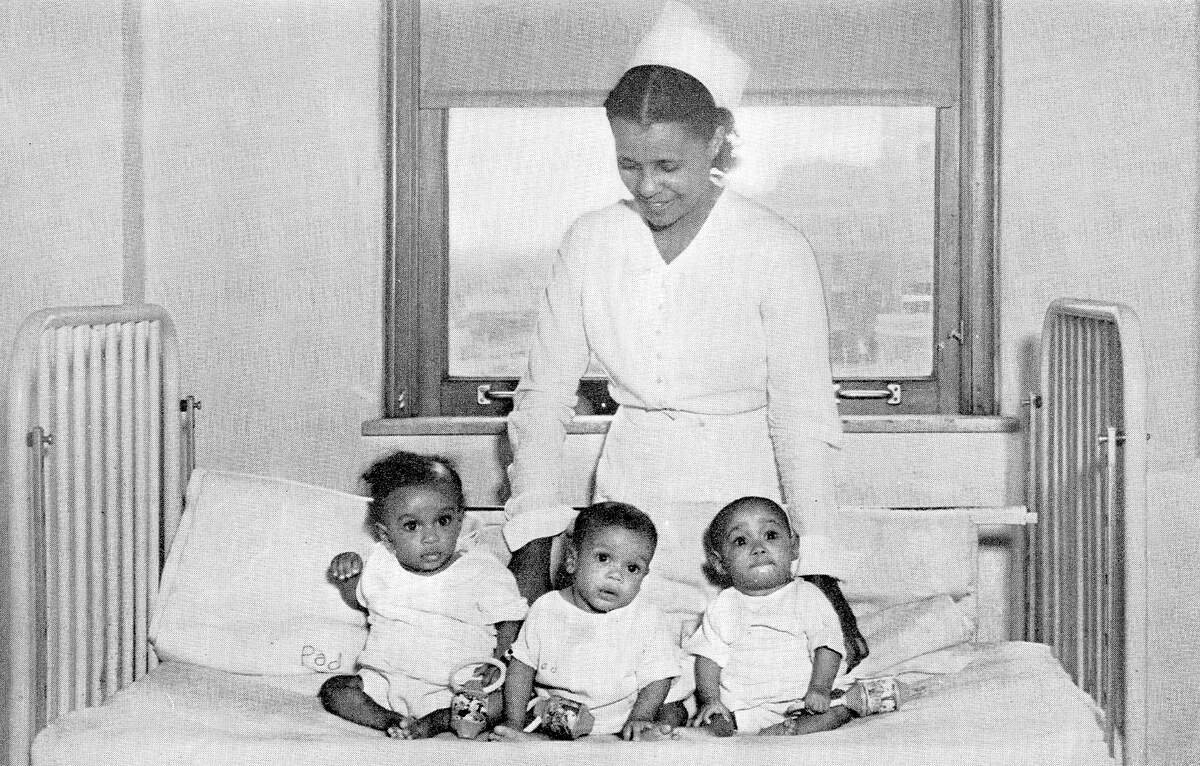
Black doctors at the time regarded General Hospital No. 2 as one of the premier destinations in the nation to receive post-graduate training. And with its nursing school, Kansas City helped staff Black hospitals across the country.
But while the hospital did provide training opportunities for Black professionals, it never became the full fledge teaching institution many had hoped for. Doctors could fulfill their post-graduate residencies there, but it offered no specialty training programs. Consequently, Black patients in need of specialized care had to wait for white doctors to make time to see them.
And beneath the veneer of the new building, some of the hospital’s struggles to meet patient needs remained.
Overcrowding was almost immediately a concern. A 1931 report by the chamber of commerce stated that General Hospital No. 2 was already housing 179 beds in a building designed to hold 110.
The segregated staffs were instructed to keep interaction to a minimum, and if travel between Hospital No. 1 and No. 2 was necessary, it was to be done using a tunnel that passed beneath 22nd and 23rd streets.
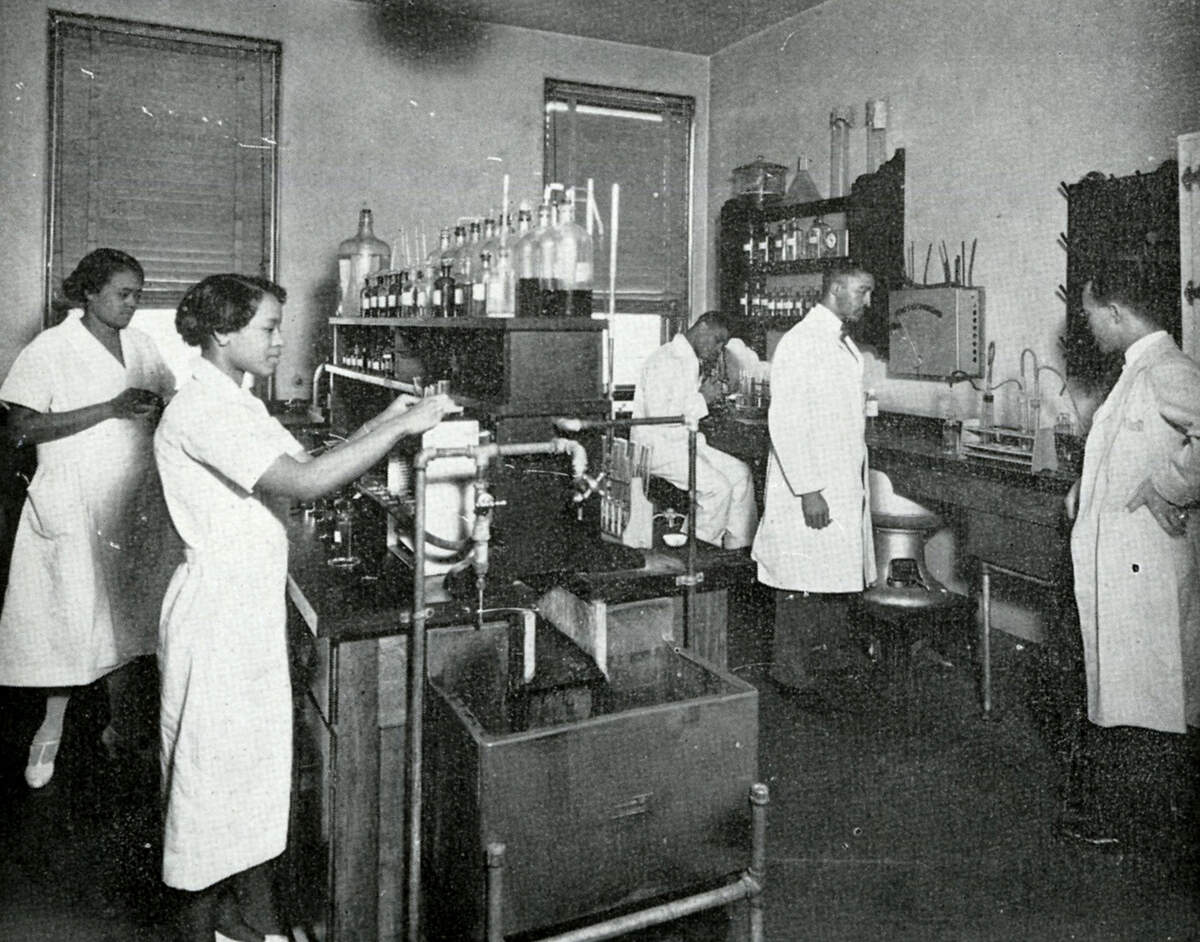
Staffing was also an issue. The Pendergast Political Machine’s total control over city government affairs meant that political favor often determined who received jobs rather than applicants’ qualifications. Superintendents at No. 2 often came and went following elections.
Doctors go on strike
But, change was in the air. During World War II, Black citizens served in the Army medical and nurse corps and experienced the efficiency of well-staffed and adequately supplied hospitals. After the war, conditions back home frustrated them.
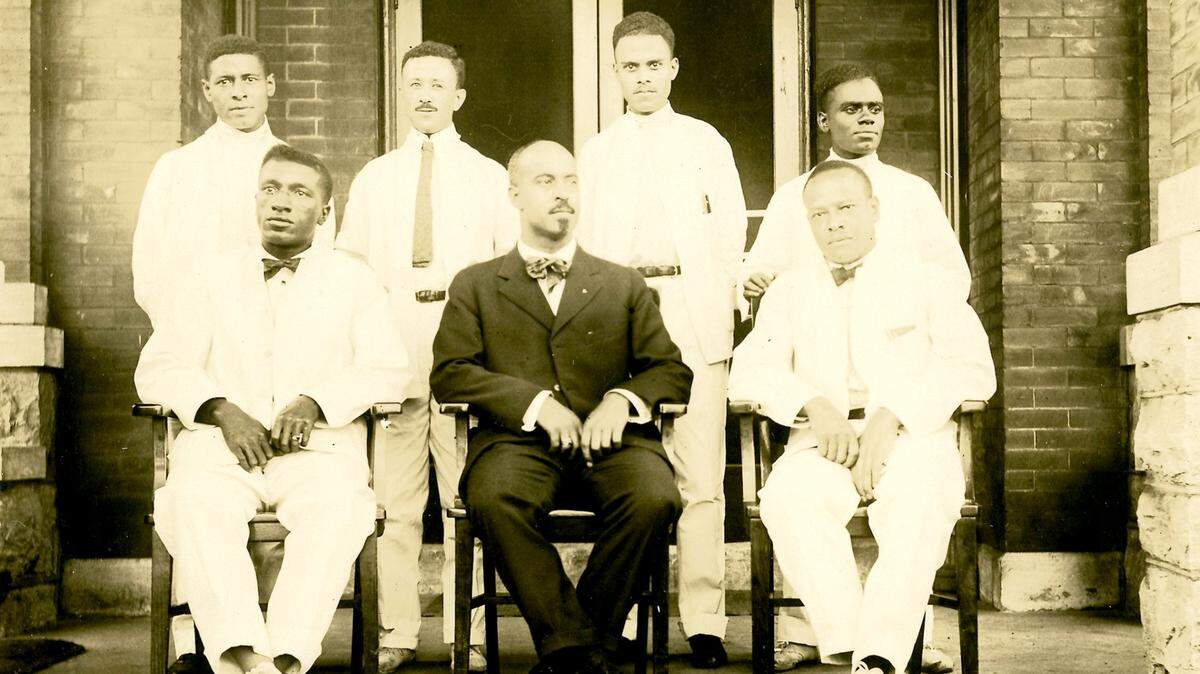
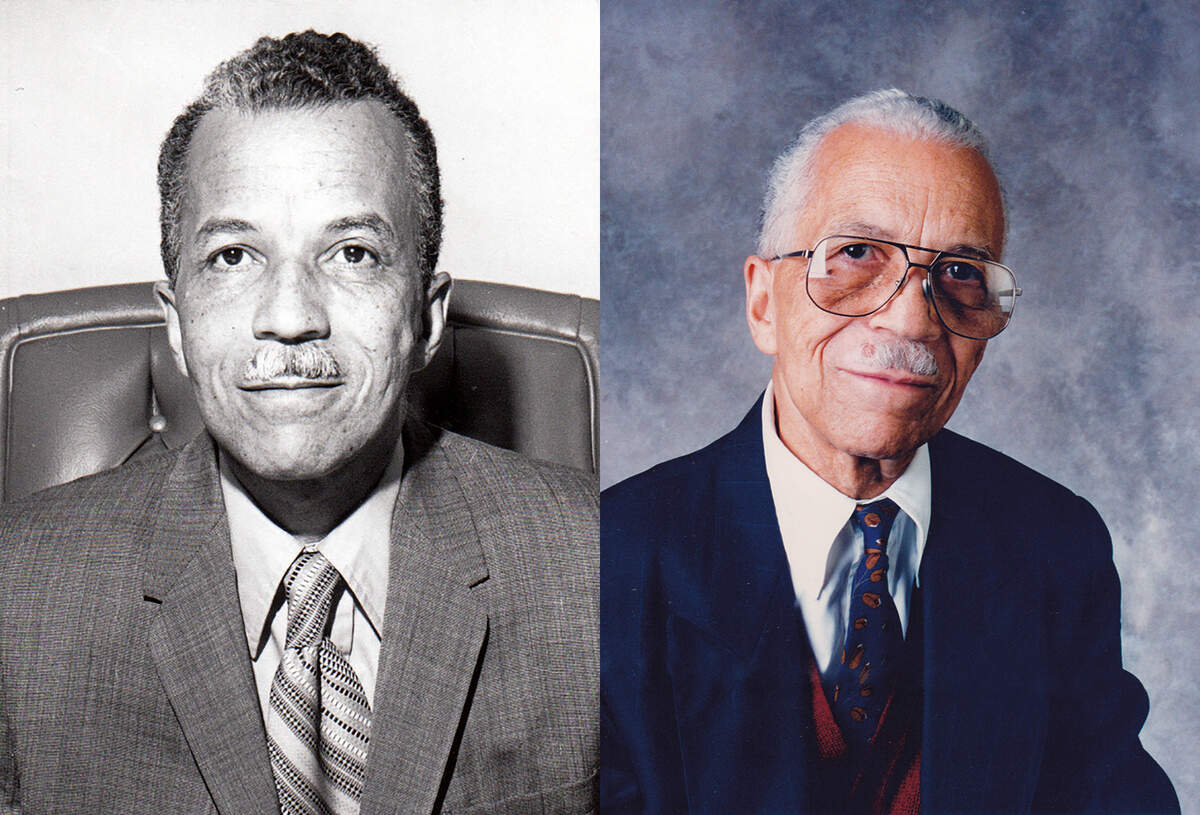
War veteran and doctor Samuel U. Rodgers added his voice to a group of Black physicians demanding change from the city. Initially, their pleas went unanswered.
Boxer Leroy Jeffries protesting the Golden Gloves tournament held at Municipal Auditorium in February 1947. Jeffries was one of many Black World War II veterans who were dissatisfied with segregation in publicly funded venues and organizations after returning home. THE CALL
Finally, on January 30, 1947, Rodgers and other Black doctors went on strike. They promised to take care of everyone in the hospital but refused new admissions.
The Call reported that the doctors were tired of overwork and providing quality care through sheer determination. They were tired of unqualified staff, tired of not receiving specialty training, and tired of doing without appropriate supplies.
The Call’s January 31, 1947, headline about the General Hospital No. 2 strike. THE CALL
Administrators cited nationwide shortages for lack of supplies, but the striking doctors were confident someone was diverting their orders to the white hospital.
It only took a few days for the city to agree to the strikers’ demands. Conditions improved, and within a few months, General Hospital No. 2 was on track to become an American Medical Association approved teaching hospital.
The decision to integrate
The strike didn’t remedy all that plagued Kansas City’s Black hospital though. In 1951, a visiting white doctor told The Call that “Life is cheap at General No. 2, and a patient’s comfort doesn’t mean much,” citing unsanitary conditions and rampant inefficiency.
It turns out that running two hospitals with nearly identical staffs and services was creating a lot of inefficiency and waste, which is what ultimately put them on a path to integration.
In 1954, the city’s budget department hired Al Mauro. As a research analyst, he looked for ways to trim fat from city expenses, and the segregated hospital system was a gigantic red flag.
Like the Black medical professionals who served during World War II, Mauro was impressed by his military experience. He was in the Army in 1948 when President Harry Truman ordered the immediate integration of the armed forces. Mauro witnessed units desegregate over the course of a single day. He’d been struck by how quickly his fellow Black and white soldiers became accustomed to living and working together.
So, he thought it best to rip off the bandage quickly when it came to the city’s segregated hospitals. The plan was announced in 1956.
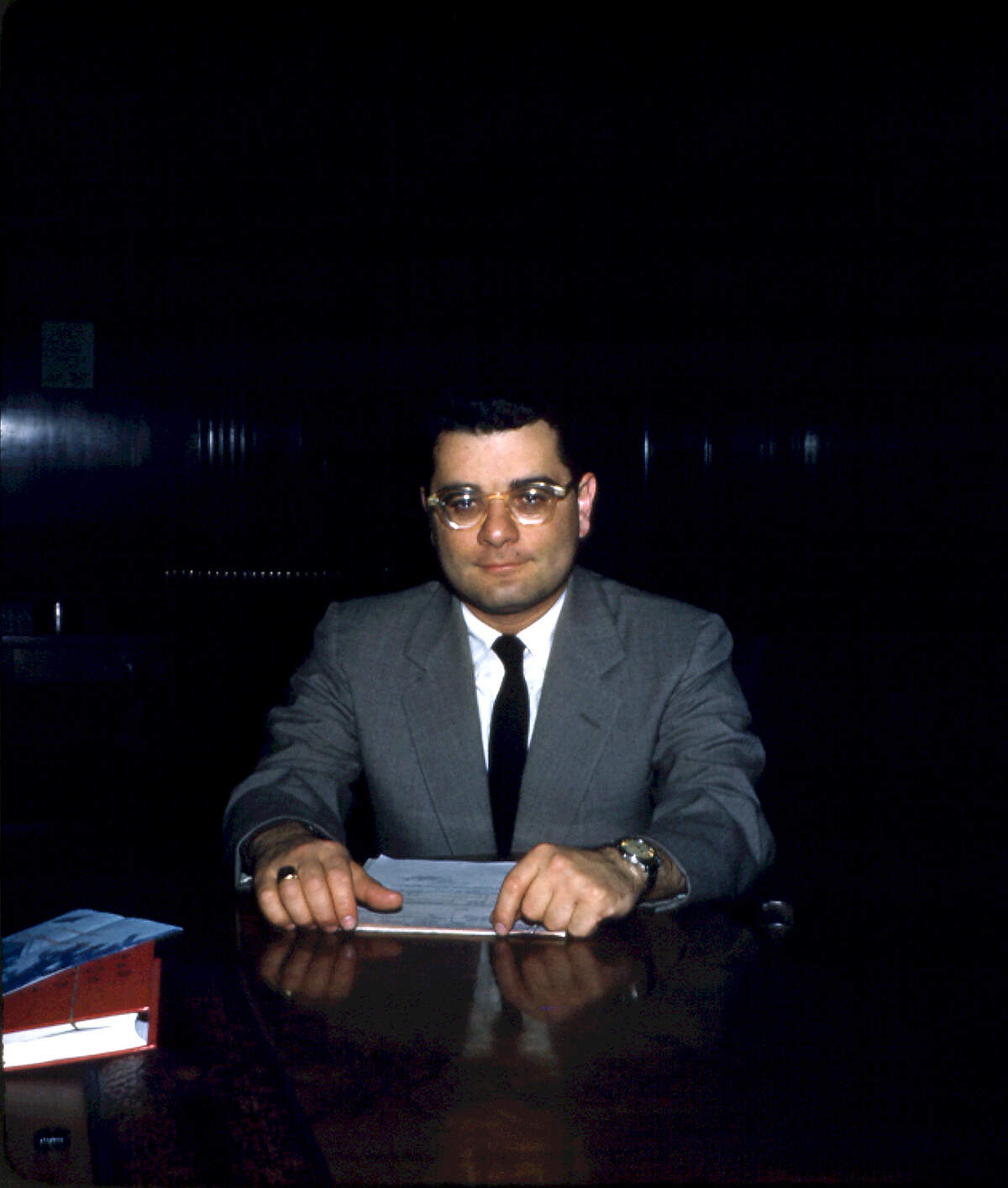
Unable to ignore the cost savings, the city council supported consolidation, though administrators at the white hospital weren’t keen on integration and Mauro’s plan to move Black staff and operations into their building.
The white administrators raised concerns over the allocation of available beds and toilets. Mauro noticed their protests indicated a belief that segregation would endure within the consolidated institution. He assured them that the number of beds and toilets would be sufficient for a fully integrated hospital.
During a December 31, 1957, hearing, The Call spoke to City Councilman Thomas J. Gavin, who said of the white hospital leaders, “They say they want to integrate, but when they get into back rooms, it’s a different story.”
At the same hearing, Mayor H. Roe Bartle declared he was tired of reading reports, tired of double talk, and tired of waiting. Bartle demanded immediate action. Despite ongoing requests for more time, the city council approved the plan.
Some Black hospital employees also felt reluctant to integrate—they primarily feared losing jobs to their white counterparts after the merger.
Mauro, who was tasked with carrying out the consolidation, guaranteed Black hospital staff employment if they chose to stay.
And slowly but surely, change started to happen. The nursing schools were combined, followed by the hospital wards, and in 1958, the city began an expansion of the integrated hospital. And like Mauro had observed when his Army unit integrated, the hospital’s Black and white staff quickly became accustomed to one another. By 1959, the city’s segregated hospital system ceased to exist.
Figures like Samuel U. Rodgers, who experienced more equitable treatment of Black medical professionals serving his country overseas than at home, and Al Mauro, who had witnessed the rapid integration of Black and white soldiers, helped lead the way.
Years later, at a reunion for General Hospital No. 2 nursing school alumnae, a retired nurse said of the integration process, “When someone cries out in pain, you don’t look first to see if he is Black or white. As a nurse, you respond … Pain doesn’t carry a color.”
The consolidated hospital became Truman Medical Centers, later renamed University Health. The General Hospital No. 2 building became the Western Missouri Mental Health Center.
Some Kansas Citians never got over the building’s negative associations and viewed it as a symbol of the city’s segregationist past. Others, who associated the building with the autonomy of Kansas City’s Black community or as a place where family members were cared for or received medical training, viewed it as a landmark worthy of preservation. In 2003, many put their mixed emotions to rest when the old No. 2 building was torn down.
This story was originally published February 26, 2022 at 5:00 AM.
.jpg)