KC Black History: Maybe you’ve heard of the Black Panthers, but what about Soul Inc.?
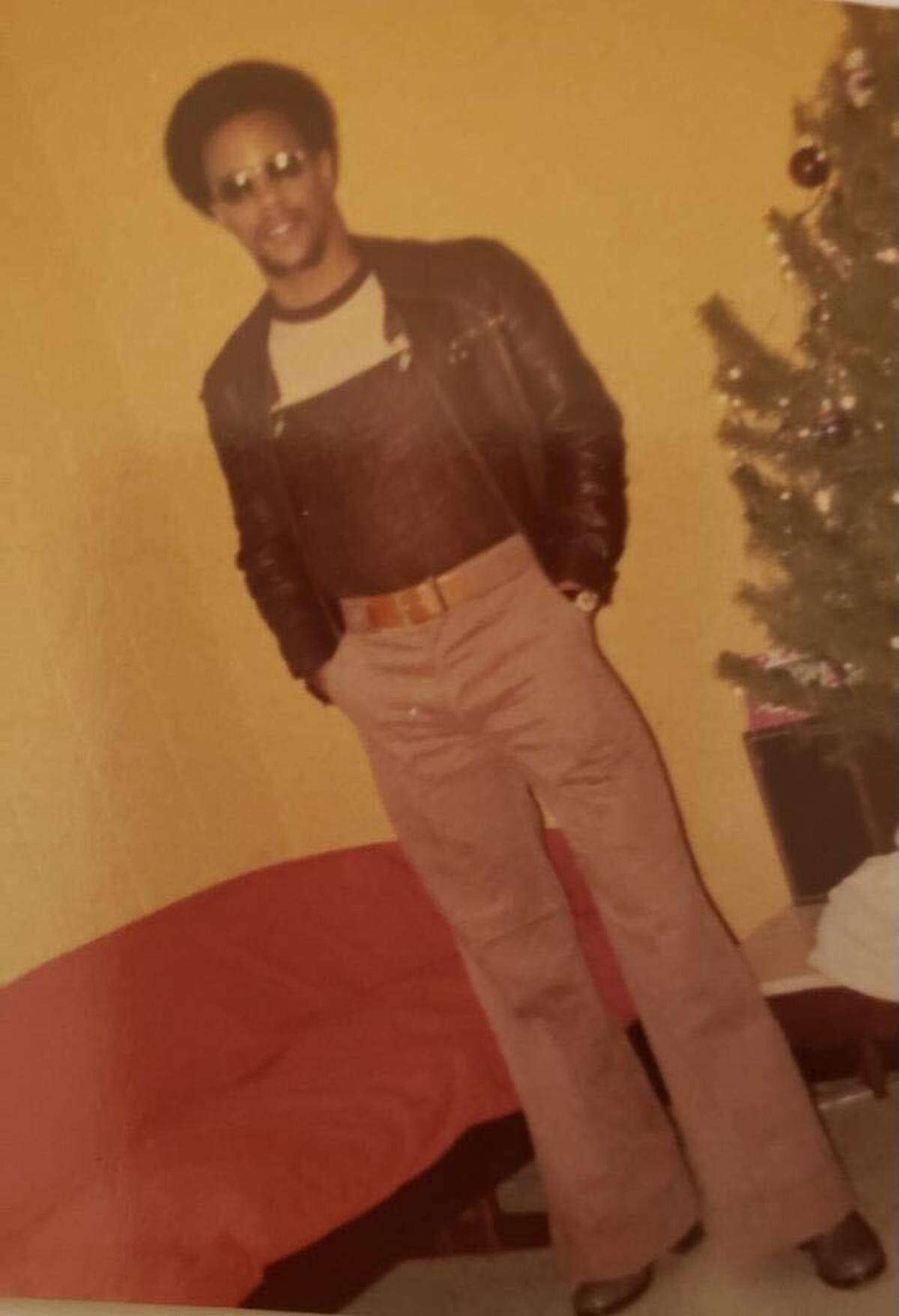
.jpg "Gary O’Neal in his home in Lee’s Summit")
READ MORE
KC Black History: KCQ answers student questions
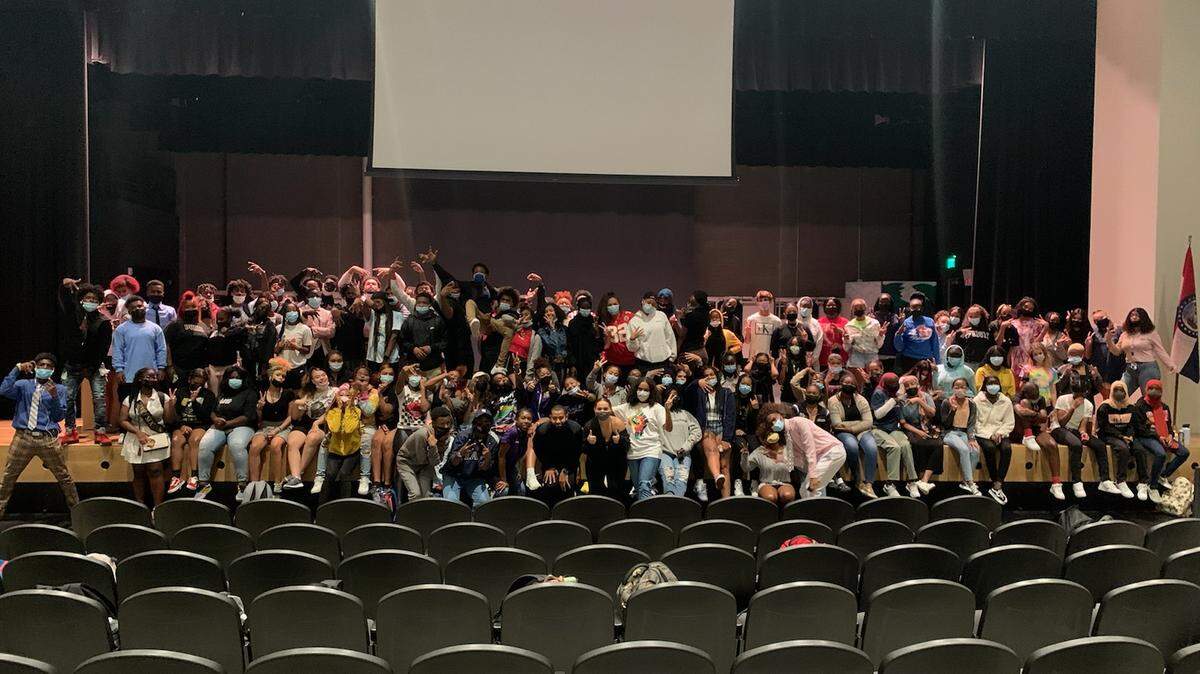
For Black History Month in 2022, our KCQ team worked with students in Black Student Unions at three high schools around Kansas City to see what they wanted to know and what they wished more people knew about our local Black history. These stories are fueled by those students’ curiosities.
Expand All
Editor’s note: This story is part of a past KCQ series fueled by questions from Kansas City area high school students. Students at North Kansas City High School and Olathe South High School were curious about the Black Panther Party’s chapter in Kansas City and other youth-led activism work during the Civil Rights Movement. There are so many stories to tell, but we sat down with one person to learn more about his experiences and the role he played leading a community group alongside the Panthers. This story was originally published in Feb. 2022.
On February 16, 1969, The Star ran an article called “Negroes and Police Seeking New Policy.” The piece discussed police scrutiny around Soul Inc., a community food assistance group run by young Black activists with ties to Kansas City’s chapter of the Black Panther Party.
Gary O’Neal, Soul Inc’s director, was the brother of local Black Panthers chapter leader Pete O’Neal, and the groups frequently shared both members and mission.
Gary, now 76, recently sat down with The Star to reflect on his experiences with civil rights activism and community aid work in Kansas City in the 1960s and 1970s. We’ve compiled a small portion of his story here, inspired by questions from local high school students in Black Student Unions.
The origins of Soul, Inc.
Soul Inc. began as an informal group of Black activists in their teens and 20s. O’Neal told The Star that their work in Kansas City included protesting discriminatory businesses, distributing donated clothing for job interviews and providing food to hungry families.
O’Neal: We started out picketing, and [then] we had a couple of minor, small programs. But the biggest thing was Operation Food. We did that the longest, the biggest and the best. And we did it in the whole metropolitan area. We delivered all over the city, even in Kansas City, Kansas.
We started going around to local stores, soliciting donations of food. We talked to all the different agencies, Salvation Army, Red Cross, all them. I said, if you’ve got people that need food, and you can’t get it to them right away, send them to us. They would call us. And I set up a little record system so we could keep track of who’s getting food. And we delivered food to them.
There were other food banks, but they would just be neighborhood food banks. We did the whole metro area. A lot of people were surprised that we were able to do it, but we hustled. We were young! We’d get up early in the morning and start. It was all volunteers, no one got paid. In fact, when I got money, I put my money into the bank account of the organization.
Civil rights activism
In the late 1960s, a group of young activists who would later become members of Soul, Inc. and the Black Panther Party picketed a high-end department store called Emery, Bird, Thayer. O’Neal said the store had a reputation for discriminatory hiring practices. He recalled that the group’s picket line outside the store wasn’t enough to spur change, so he came up with a plan that did.
O’Neal: They had a thousand employees. And they hired three Blacks, one for each store, to clean the toilet in each store. And so that’s why we were very angry about it and ready to go out there and do anything we could to let them know they got to change.
After a while the police came and told us we had to leave. Now, we were exercising our right to demonstrate and to redress our grievances. And the police got tired of telling us to leave, so they came in and they just started beating people across the head with billy clubs. [Then] they got an injunction, said we couldn’t picket anymore.
I said hey, he said we can’t picket. But nobody said we couldn’t go shopping! So I got a busload of kids and took ‘em down there— young people, early 20s, some 18, 19, 20, 21. And so we went down there and we broke up into groups of three or four. And we said, every group has to have some money. If they stop you and nobody has money, they’ll say you’re not shopping. So everybody got money, we broke up into groups and we went to every department.
People were looking at us and getting nervous and shaking. I never will forget, there was a little guy named Tiny, he was from Vine Street neighborhood. He was standing in back of this woman. She looks like she’s very affluent, you know, she’s trying on an expensive coat. And she turned around, saw him and I thought she was going to have a heart attack! He was just standing there gawking at her. So they got angry about that.
Then the next thing we know, Emery, Bird, Thayer says they’re leaving Kansas City. By picketing [them], we served notice on all department stores in Kansas City, that you can’t hide on the Plaza.
Emery, Bird, Thayer was also the subject of a boycott over its discriminatory practices. The store went out of business in 1968, and its downtown building was demolished in 1972.
Emergence of the Black Panther Party
O’Neal’s older brother, Pete O’Neal, was also heavily involved in local activism. In 1969, he traveled to California to receive official permission from Black Panther Party leadership to form a chapter in Kansas City. Pete then became the leader of Kansas City’s Black Panther Party, while Gary remained in charge of Soul, Inc. The groups were ideologically aligned, but were technically separate organizations.
O’Neal: Pete needed assistance when he first started Black Panther Party, you gotta remember, he didn’t know anybody. He didn’t have any contacts. He didn’t have telephone numbers. I gave him all my contacts, and even helped him strategize on some issues. At its height, I would say there was about fifty members only. But at any given meeting you didn’t have fifty people. My organization was the same. On a slow weekend, it might be fifteen, it might be twelve. But when we had a big meeting, we’d have upwards of fifty people.
I would go to occasional [BPP] meetings, but I wouldn’t even tell the people in there that I was a member. We had to maintain that facade that we were two arms: a right arm and a left arm but not the same. Not a part of the same body. But a lot of times when the Black Panthers had rallies, guess who was there? Soul Inc. Every time they had a rally, we were there. So in that sense, technically we weren’t, but in reality we were very much aligned.
.jpg "Medium sized JPEG (31).jpg")
Police surveillance and brutality
The Black Panther Party was heavily scrutinized by Kansas City’s police department in the 1960s and 70s, leading to dozens of unwarranted arrests for the O’Neal brothers and their associates. The Star reported at the time that Gary O’Neal was arrested 37 times and convicted of five misdemeanors between 1964 and 1969, but never faced a felony conviction.
O’Neal: What was going on then was maybe even worse than it is now, because they didn’t have cameras on the police officers. So they could do it with impunity, and sometimes do it maliciously. They would come to my neighborhood, and maybe there was a report of a robbery somewhere, but they’d just come to the neighborhood and start gathering up people.
[One time] they handcuffed me, and there were two or three other guys from my neighborhood I didn’t even associate [with], I barely just knew their names. And we got charged with robbery. The police would just randomly, capriciously arrest people and put ‘em in the car and take ‘em downtown.
That wasn’t the first time I got arrested when I ain’t done nothing. There’s a lot more times I got arrested for things I didn’t do. And I think in the end, [then-police chief] Clarence Kelly knew, and that they were being prejudicial against the Black Panthers. Black Panthers couldn’t do anything, they were followed everywhere.
Impact of Soul, Inc. and the Black Panther Party in Kansas City
Gary O’Neal led Soul, Inc. for years before leaving the organization in his early 20s for a job with the Model Cities program at City Hall and, later, George Williams College. His brother was accused of transporting a firearm across the Kansas-Missouri state line not long afterwards, and moved abroad to avoid jail time. Pete O’Neal lives in exile in Tanzania to this day, and Gary also lived there for decades before returning to Kansas City with his family. He thinks the community food programs both groups led were influential, but said he struggles to see the impact of their legacy today.
O’Neal: The [BPP] had some kind of breakfast for children program here. The school lunch program, I thought, may have been an offshoot of that, because it was feeding the children in school. The city had had money to fund that, and they just didn’t. It wasn’t a priority. So once we started the Black Panther Party, and they started feeding the kids, it became well known and somewhat embarrassing for the city government. And I think that inspired them to think about feeding the children in school, which is a very positive thing.
[Activist groups today] are more politically oriented, and in the political fray. I don’t know of any who are as dedicated to, say, feeding people. I see people wanting to do business and wanting to go into business and make money. You know, stuff like that. But somebody that’s just dedicated to humanitarian [efforts]... I don’t see it. It might be there, but I don’t see it.
It’s not about what the community can do for you, it’s what you can do for the community. God works in mysterious ways. I came a long way. I suffered a lot, I enjoyed a lot. But in the end, they say that he who laughs last, laughs best. I’m not laughing, but I am smiling.
Do you have more questions about the history of civil rights activism in Kansas City? Ask the Service Journalism team at kcq@kcstar.com or fill out the form below.
This story was originally published February 24, 2022 at 5:00 AM.
.jpg)