
Mill Creek Parkway is back on the map. So let’s rewind with KCQ on the historic roadway
For drivers spinning around the Country Club Plaza, what was once old is new again.
Kansas City’s J.C. Nichols Parkway has reverted to its original name from 1913, Mill Creek Parkway.
The Board of Parks and Recreation Commissioners’ June 30 decision to remove the J.C. Nichols name followed the George Floyd protests, reigniting calls to topple or remove monuments and names tied to slavery or systemic racism. Nichols had used racist policies to keep Black people out of the neighborhoods he developed.
So this week’s edition of “What’s Your KCQ?,” a community partnership between the Kansas City Public Library and The Star, explores the history of Mill Creek Parkway. The name change sparked one reader to ask:
“What’s the history of the mill which resulted in the naming of Mill Street in Westport and Mill Creek Parkway on the Plaza?”
Back in the 1800s, a stream running through Westport powered the Westport Mill, and then ran southwest, emptying into Brush Creek. The area was known as Mill Creek Valley. The city in 1908 set out to obtain the land for a public parkway.
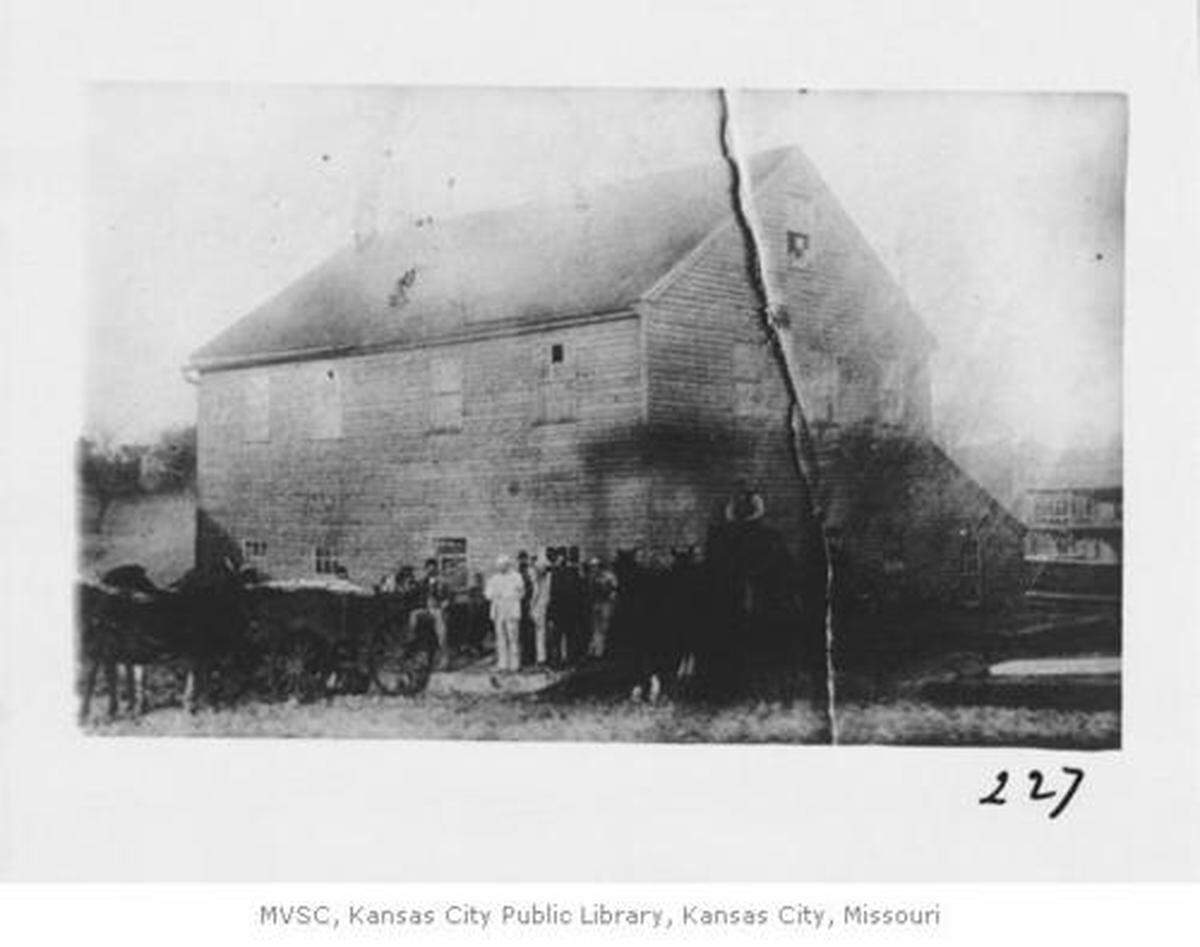
Eventually, buildings on the land were condemned and the city began constructing a roadway. The roadwork was completed in 1913 and Mill Creek Parkway — running from Westport Avenue to 48th street — made its debut.
The name of Mill Creek endured until 1952, when the road was dedicated to J.C. Nichols, the developer who built the Country Club Plaza and several of Kansas City area neighborhoods.
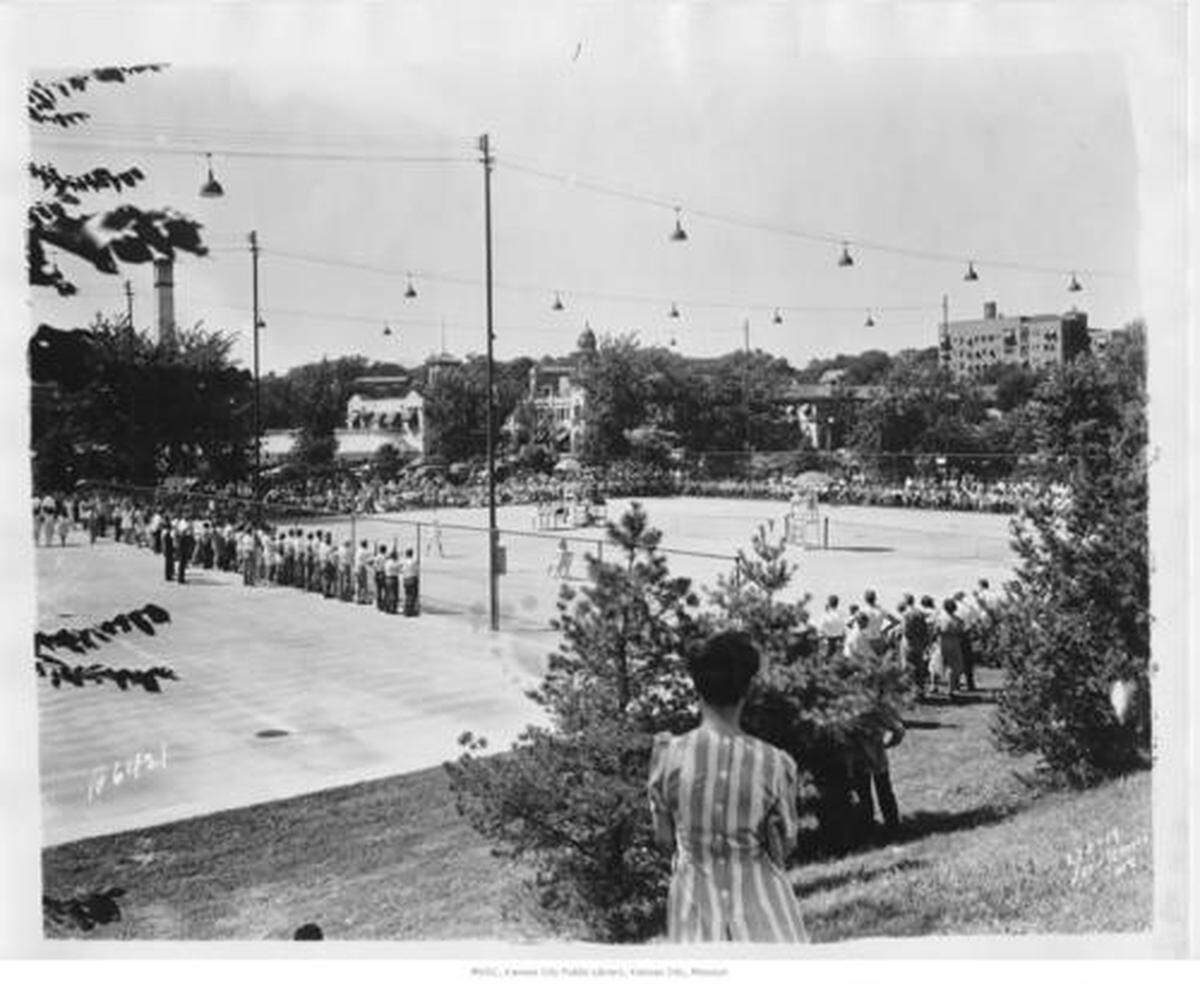
The city also attained 11.43 acres of land as a right-of-way for the parkway in 1908, which is now known as Mill Creek Park. A tennis court was built near the north end of the park in 1914. Later, more tennis courts were added to the south end. Now, the park is home to the Plaza Tennis Center.
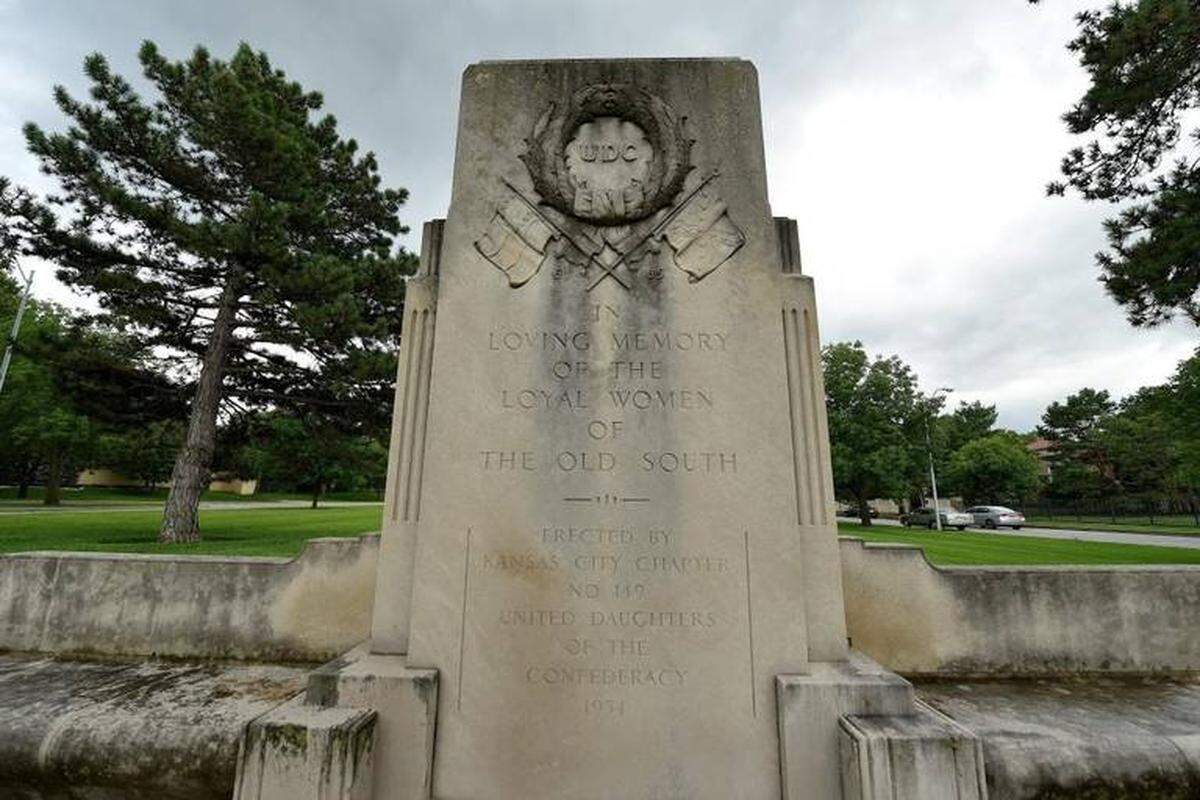
In 1934, a memorial to the Loyal Women of the Old South was placed in the northeast corner of the park, but it was removed in 1958 to make room for the then-named J.C. Nichols Memorial Fountain. The Old South monument was moved to 55th Street and Ward Parkway but was removed in 2017 at the request of the Missouri chapter of the United Daughters of the Confederacy after it was vandalized.
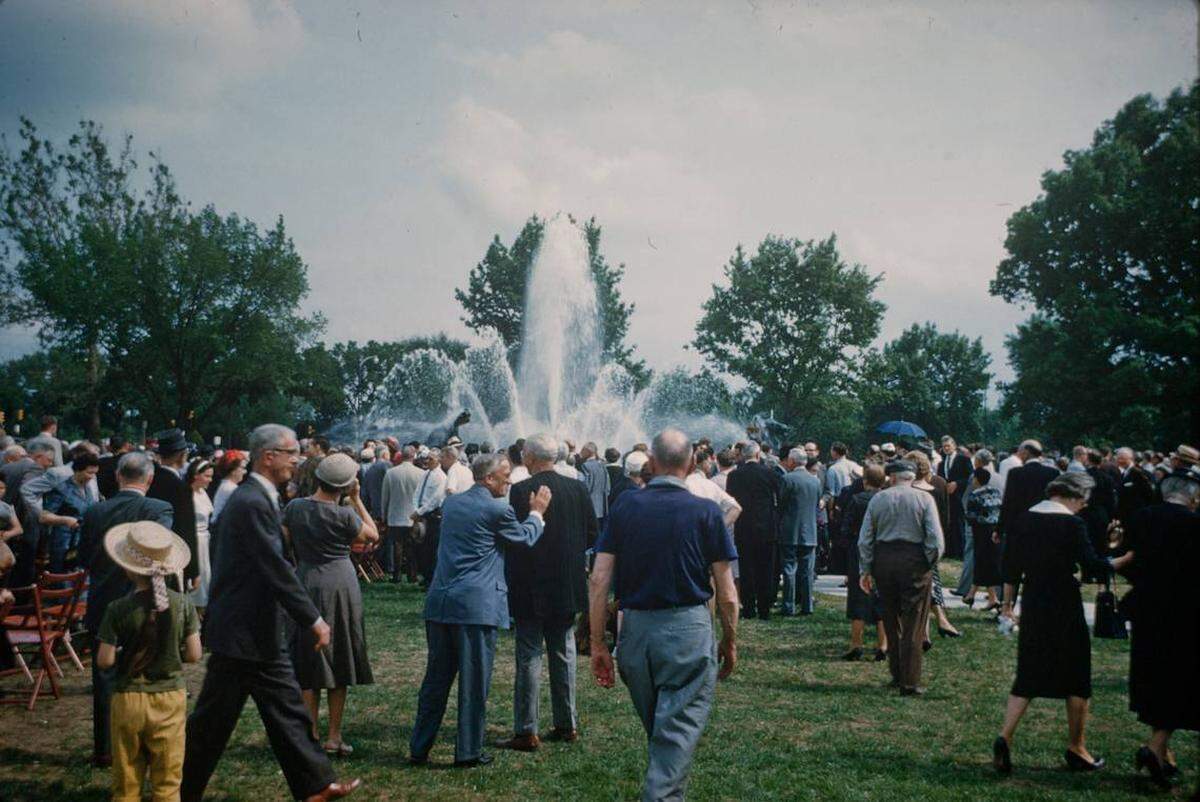
The fountain was donated to the park by Nichols’ three children. It has not been given a new name yet. The fountain was sculpted in 1910 by French artist Henri L. Greber, built for financer Clarence Mackay’s private mansion on Long Island, New York, but Mackay died and the fountain was vandalized.
In 1951, the Nichols children bought the fountain, which included three large sculptures. The fourth had already been purchased by a neighbor who soon moved to Florida. In 2014, the Nichols Charitable Trust funded fountain restorations. With that, the fourth sculpture was found and installed into the fountain after nearly 80 years of separation.
J.C. Nichols’ son Miller Nichols, along with cardiologist Ben McAllister, worked with KC Parks in 1980 to add walking and jogging trails, benches, lighting and landscaping to the park.
In June, hours before the board voted to remove the Nichols name, the Nichols family and the Nichols Charitable Trust voiced support for the change. Since then, the University of Missouri-Kansas City has considered changing the name of its Miller Nichols Library. Miller Nichols donated $1.5 to help build the library.
Have a question of your own? Ask at kansascity.com/kcq.
This story was originally published August 7, 2020 at 5:00 AM.