Kansas City parks board strikes J.C. Nichols’ name from Plaza fountain and street
He built some of the Kansas City area’s most beloved neighborhoods, but used racist policies to ban Black people from buying or living in those homes.
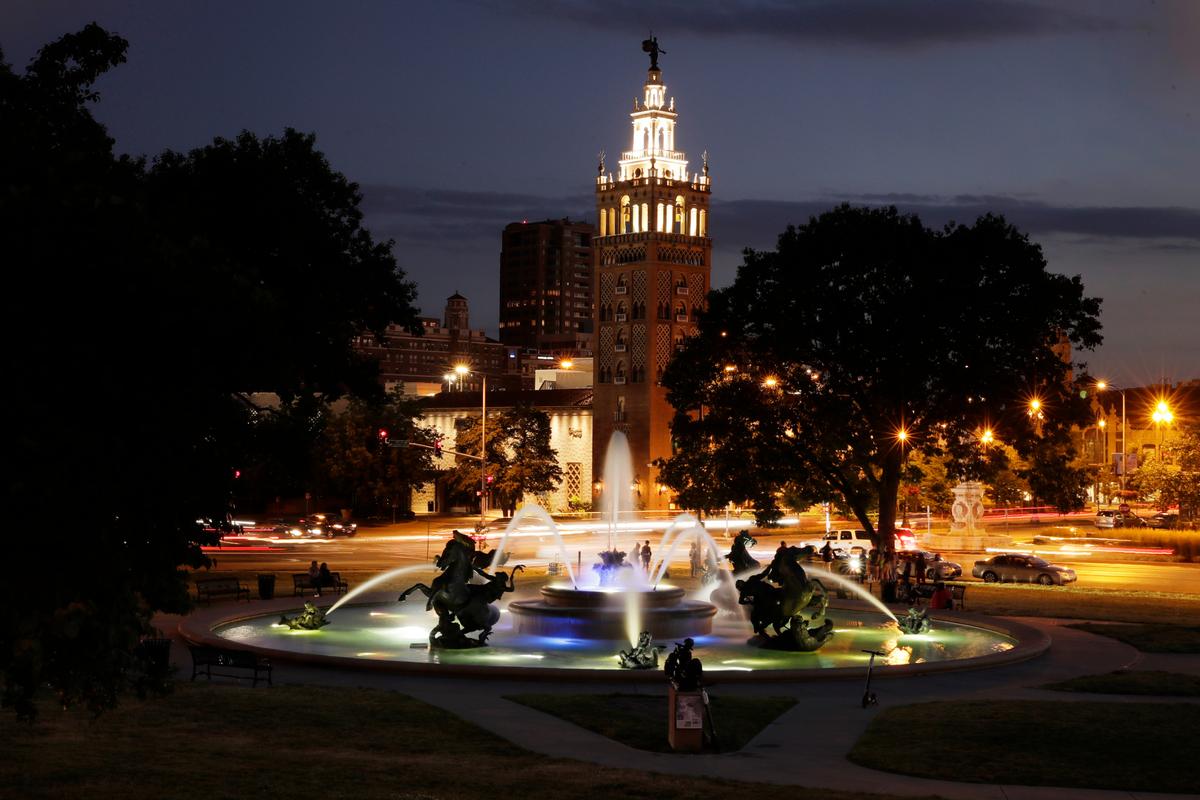
J.C. Nichols — lauded for 100 years as one of Kansas City’s most influential figures — will have his name stripped from the memorial fountain and street alongside the Country Club Plaza that he created, the Kansas City Board of Parks and Recreation Commissioners decided unanimously Tuesday.
No new name was chosen for the fountain, but the decision will be part of discussions on recognition of the Rev. Martin Luther King Jr. A plaque to Nichols at the fountain will be removed. And J.C. Nichols Parkway, so named in 1952, will become Mill Creek Parkway, its original name from 1913.
“This is obviously a very contentious and controversial topic,” said Commissioner Chris Goode, who introduced the idea earlier in June. “What I know is that this is a gesture. This isn’t a solution. The importance of this really couldn’t be questioned, especially in this environment.
“We have an opportunity today to make a gesture toward what’s right.”
Board President Jack Holland, before the vote, noted the contributions of Nichols to land use and planning.
“But the use of racially restrictive covenants led to segregated neighborhoods in Kansas City which led to racial isolation and resulted in a severe concentration of poverty,” Holland said. “This action is not about erasing history, it is about responding to history.”
Holland also recognized the “enormous generosity of the Nichols family.”
Earlier Tuesday, some of Nichols’ descendants said they supported a name change.
“We have a great passion for the Kansas City spirit, and for the people in every corner of our community who bring it to life,” J.C. Nichols’ granddaughter Kay Callison, president of the Miller Nichols Charitable Trust, said in a new release. “It is important to each of us that we publicly endorse the name change for the greater good of the city we love.”
The Nichols foundation pledged $100,000 for the fountain’s upkeep.
The parks board’s decision comes a little over a month after the Memorial Day death of George Floyd, a Black man who died under the knee of a white Minneapolis police officer, who pinned his neck to the ground for 8 minutes and 46 seconds.
The fountain in Mill Creek Park had become the gathering spot for thousands of protesters supporting the Black Lives Matter movement, calling for social justice and the end to police brutality.
Those and similar protest in some 2,000 cities nationwide also raised questions about the monuments the U.S. has erected or named for historical figures who supported slavery or, in the case of Nichols, policies of systemic racism.
Nichols, who opened the Plaza in 1923, died in 1950. The fountain, purchased the next year by his children, Eleanor Nichols Allen, Clyde Nichols and Miller Nichols, was dedicated to their father in 1960.
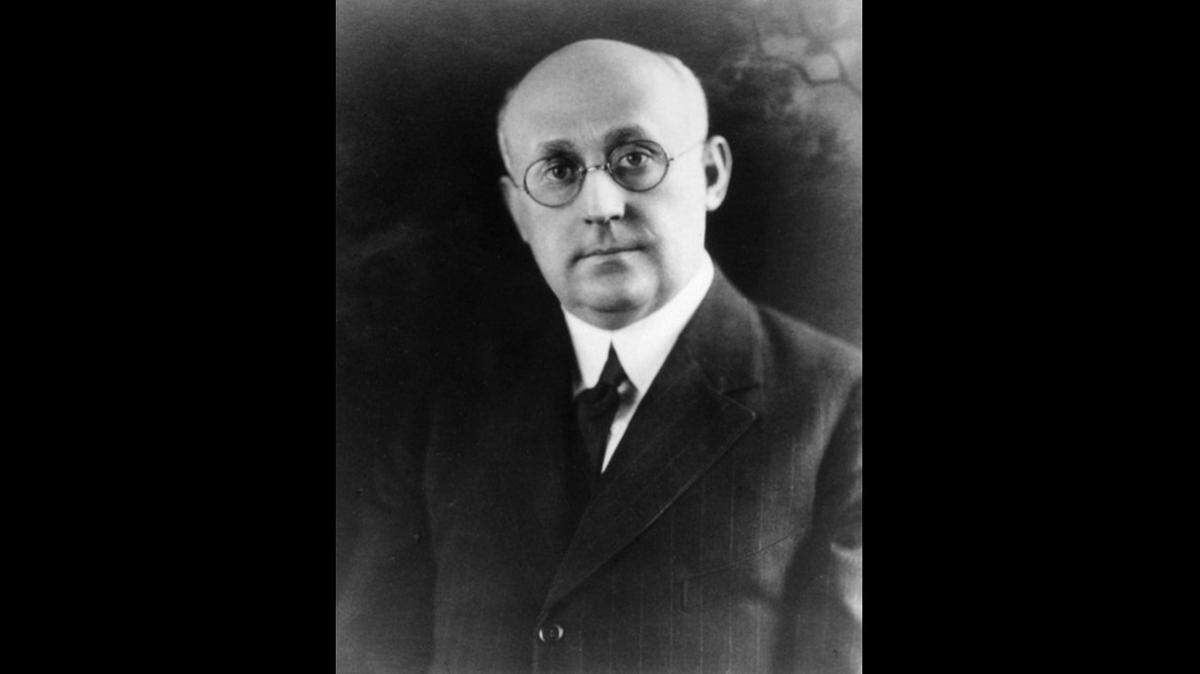
J.C. Nichols — while long adulated for building the Plaza and developing tree-lined neighborhoods such as Brookside, Crestwood, Armour Hills, and the homes of Fairway, Prairie Village and Mission Hills — also enriched himself using now illegal deed restrictions that kept Black people, Jews and others from living in his developments.
Critics have long argued that Nichols, with his broad use of such covenants, did as much as any single individual to create and maintain Kansas City’s racial divide.
On June 4, even as protesters and police continued to clash, Goode drafted a memo to the four other commissioners and to Terry Rynard, the director of the Parks Department. He watched protesters gathering at the fountain and called for it and J.C. Nichols Parkway, which runs along the west edge of the park, to be renamed.
“The time has come for us to stop turning a blind eye towards racism of past and present,” Goode wrote. “There is no immediate resolution to racism, that of which has been deeply embedded for over 400 years into the fabric of this country. We can, however, make a collective decision to simply do the right thing, now.”
The Greater Kansas City Chamber of Commerce, the Civic Council of Greater Kansas City and Visit KC issued a joint statement in favor of removing Nichols’ name.
Goode had suggested the fountain be renamed The Dream Fountain and the parkway be renamed for the Rev. Martin Luther King Jr. But the parkway is short at only six-tenths of a mile and contains no Black-owned businesses. The Kansas City chapter of the Southern Christian Leadership Conference, which had pushed to have The Paseo renamed for King before voters rejected the idea in November, said that a “major boulevard or thoroughfare” was more fitting and that the name Dream Fountain would be “rather obscure.”
Goode quickly agreed and said the priority was to remove Nichols’ name. Two public hearings in June brought out overwhelming support.
There were also calls in 2017 to remove Nichols’ name from the fountain and street, amid pleas nationwide for Confederate monuments to be removed.
The death of George Floyd has reignited and expanded calls to topple or remove monuments not only to figures of the Confederacy, but also to those tied to slavery or systemic racism.
Jackson County Executive Frank White last week called for two statues of Andrew Jackson — for whom the county is named — to be removed from outside the county courthouses in Independence and downtown Kansas City. Jackson, a hero during the War of 1812 and seventh U.S. president, was also a slaveholder whose Indian Removal Act led to the uprooting and death of thousands of Native Americans.
The University of Missouri-Kansas City is now considering whether to remove the name of Miller Nichols, who became president of the J.C. Nichols Co. after his father’s death, from their library. Miller donated $1.5 million to complete the library. It was renamed for him in 1989.
This story was originally published June 30, 2020 at 2:51 PM.