
Excessive heat warning issued as Kansas City braces for week of sizzling temperatures
READ MORE
Excessive Kansas City heat
Tornadoes, hurricanes and floods often capture the public’s attention, but it’s the extreme heat that’s deserving of more awareness — it’s the No. 1 weather-related killer. Excessive heat claimed an average of 138 lives per year in the U.S. from 1990 through 2019, according to the
. When Kansas City’s heat turns blistering, we’ve got you covered.
Expand All
It’s going to get dangerously hot in the Kansas City metro area Friday, and it will stay that way for a while, according to the National Weather Service in Kansas City.
With heat the most deadly weather-related hazard, the weather service is urging people to take the proper precautions to keep cool and safe.
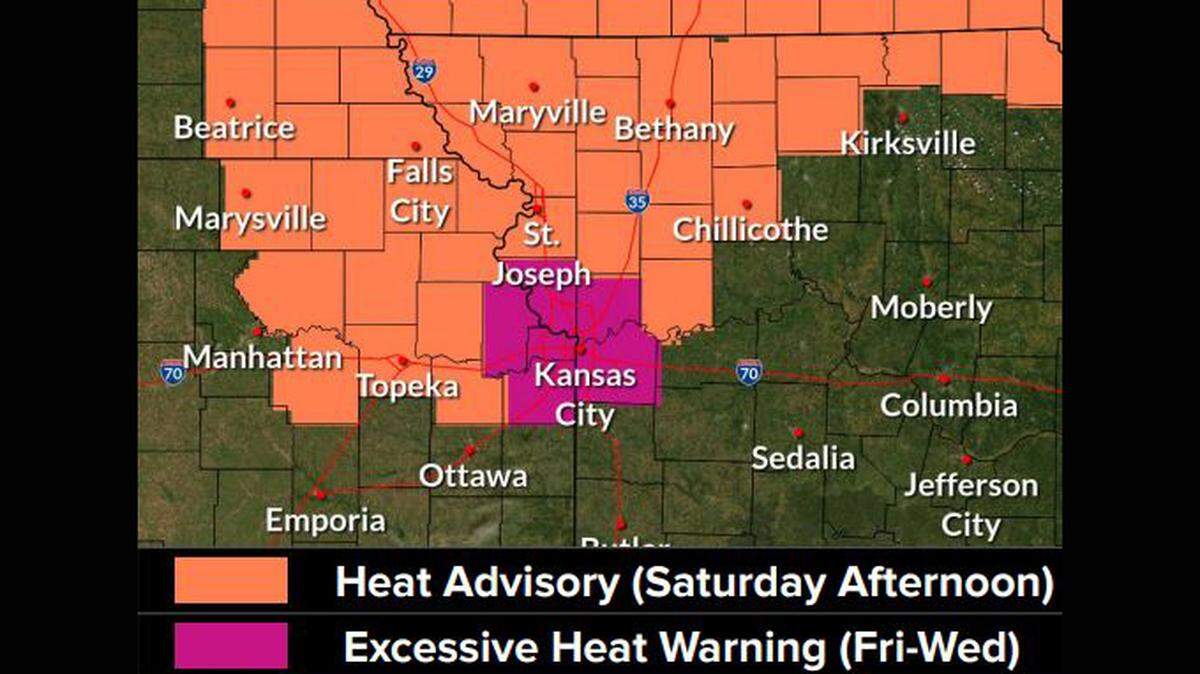
The weather service has issued an excessive heat warning for the six counties that make up the Kansas City metro area. The warning goes into effect at 1 p.m. Friday and continues through 7 p.m. Wednesday.
Dangerously hot conditions with heat index values above 105 degrees are possible and will significantly increase the potential for heat related illnesses, especially for those working or participating in outdoor activities, the weather service warned.
Temperatures are expected to only fall into the mid- and upper 70s overnight, so there won’t be much of a relief from the hot weather, especially those without air conditioning.
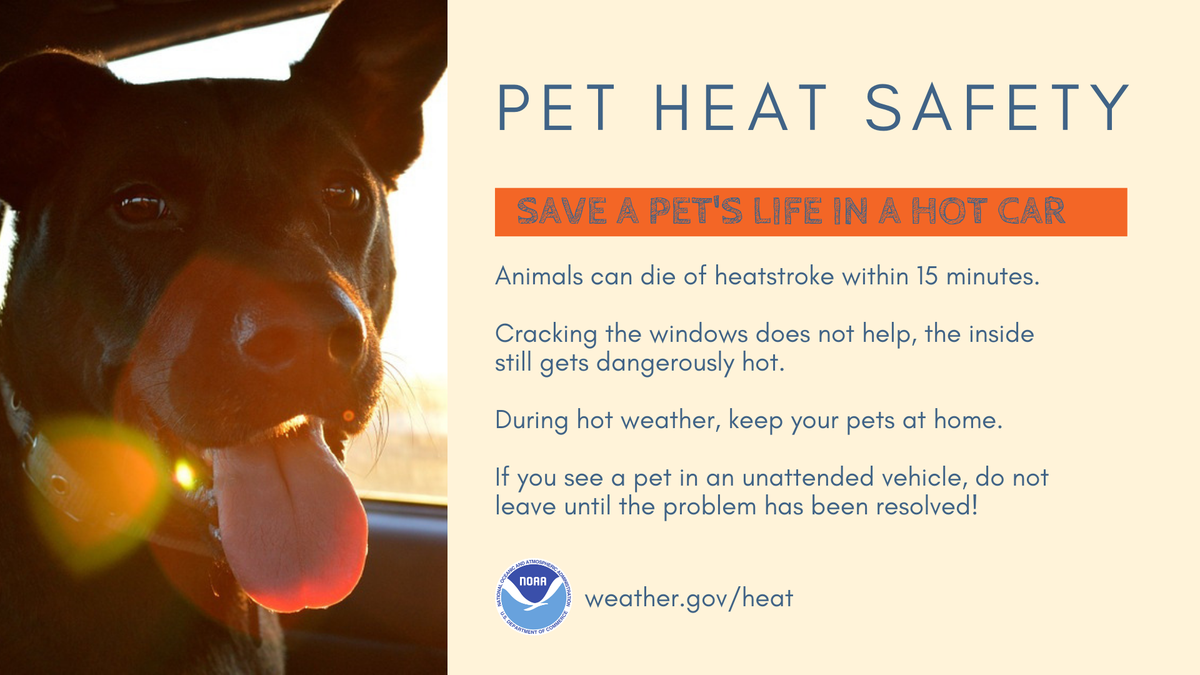
“Drink plenty of fluids, stay in an air-conditioned room, stay out of the sun and check up on relatives and neighbors,” the weather service said in its warning. “Young children and pets should never be left unattended in vehicles sunder any circumstances.”
When temperatures reach the high 90s, fans will not prevent heat-related illnesses, according to the Centers for Disease Control and Prevention.
Getting out of the heat, even if it’s only for an hour or two, will help your body cool down.
People working or spending time outside should reschedule strenuous activities to early morning or evening. People working outside should also take frequent breaks in the shade or air conditioned environments.
The weather service has provided a link to the Wet Bulb Globe temperature, an alternative to heat index values, which provides an indication of heat-related stress on the body at work or play in direct sunlight. Included is guidelines for rest breaks and activities taken from the Missouri High School Activities Association.
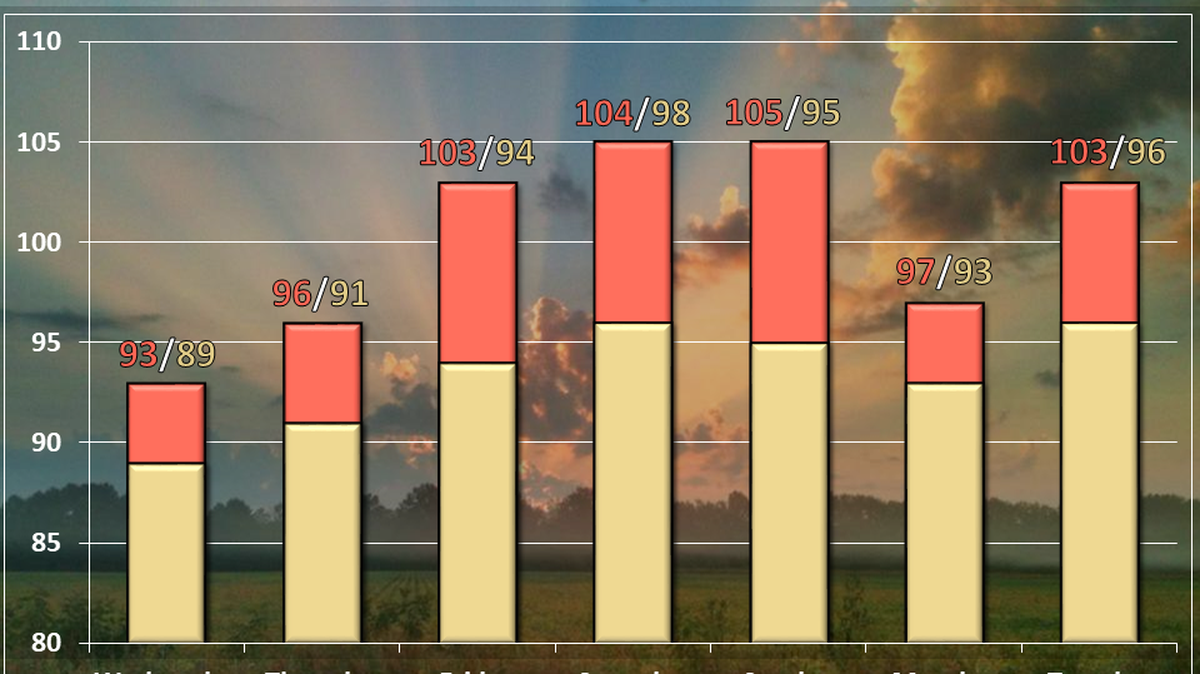
There is a potential for some clouds and rain on Monday, which could provide a slight break from the excessively hot temperatures. However, the heat builds back quickly on Tuesday and continues through next week. The warmest temperatures and heat index values will likely occur late next week, the weather service said.
This story was originally published July 23, 2021 at 9:19 AM.


.png)