Medication abortion is now available in KC. How GOP wants to halt it
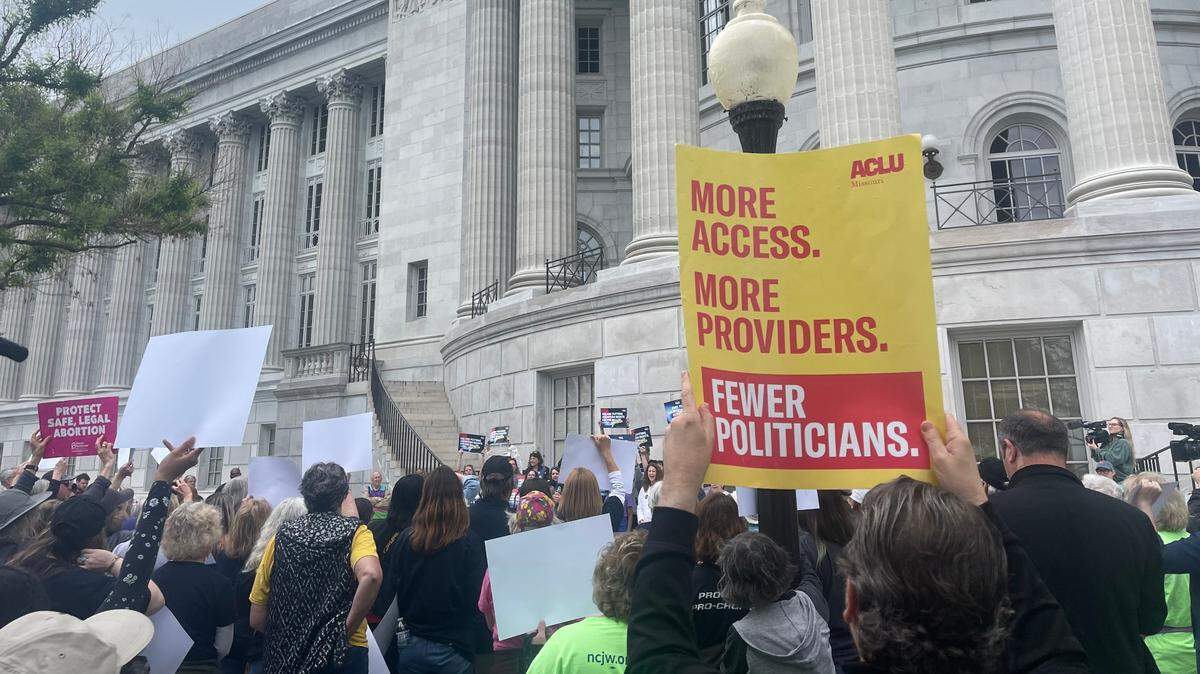
The Planned Parenthood affiliate in Kansas City welcomed patients for medication abortion appointments on Monday for the first time since 2018, a remarkable moment in Missouri after a judge struck down a series of longstanding restrictions on the procedure.
“For years, Missouri patients crossed state lines to receive care from our providers in Kansas,” said Emily Wales, the president and CEO of Planned Parenthood Great Plains. “Today, they can once again receive that same trusted care in their home state.”
But the celebratory moment for abortion rights supporters was laced with a level of uncertainty. Voters are gearing up for a fight at the ballot box in November over a Republican-led constitutional amendment that would once again ban nearly all abortions in the state.
Republican officials immediately seized on the court ruling and the state’s expanded abortion rights. Abortion opponents have used the ruling to promote the new proposed ban, which will be called Amendment 3 on the Nov. 3 ballot.
“Now more than ever, it’s critical for Missourians to vote YES on Amendment 3 in November and make it abundantly clear that our state stands for life and the protection of mothers,” Gov. Mike Kehoe, a Republican and staunch abortion opponent, said in a statement.
Thursday’s ruling from Jackson County Circuit Court Judge Jerri Zhang was months in the making and came after nearly 52% of voters legalized abortion rights in 2024 and struck down a previous ban on the procedure. The ruling found that most of the state’s restrictions on abortion now violate state law, opening the door for clinics to begin offering full services.
Now, ahead of the November vote, Thursday’s ruling has energized both sides of the abortion debate.
Inside Amendment 3
The 2024 vote that legalized abortion was historic and marked a sharp rebuke of Republican lawmakers, who had spent decades restricting access to the procedure. The election ushered in a new era for Missouri, making it the first state to overturn a near-total ban after the fall of Roe v. Wade in 2022.
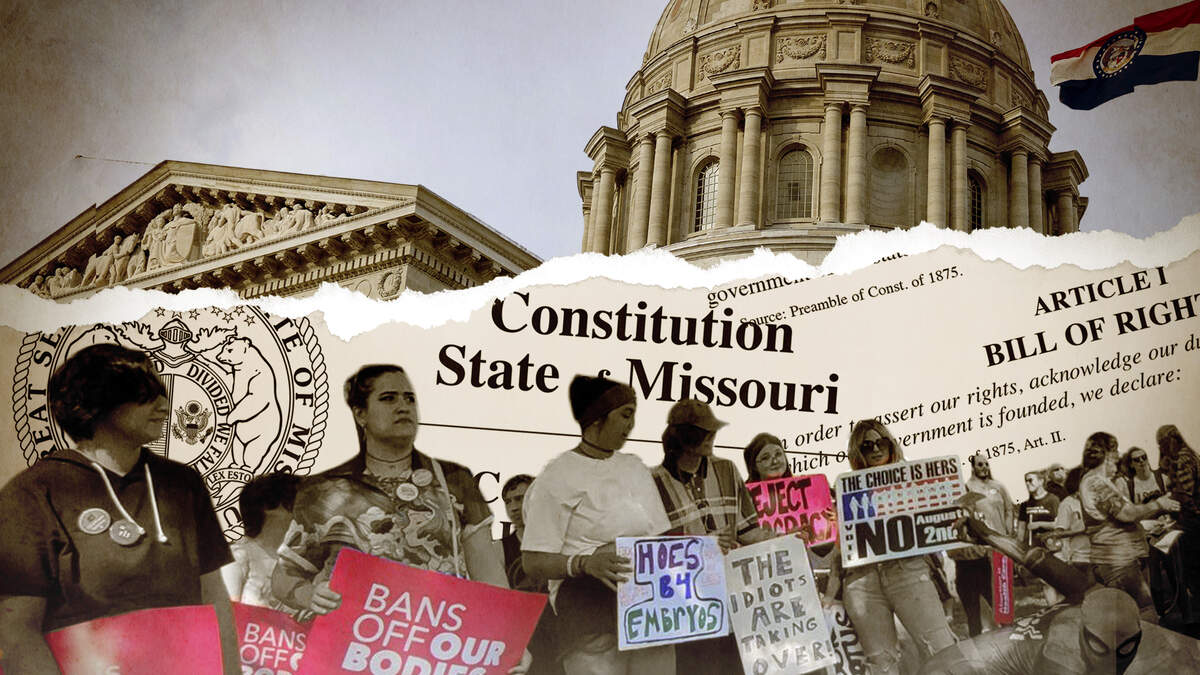
In the wake of the vote, abortion opponents immediately began discussing plans to overturn it. That effort culminated in Amendment 3, a proposed constitutional amendment that lawmakers voted to place on the ballot. The measure shares the same name as the 2024 abortion rights amendment, which was also called Amendment 3.
If approved, Amendment 3 would completely strike down the amendment voters approved in 2024 and allow abortions only in the rare cases of medical emergencies, fetal anomalies and rape or incest within 12 weeks of gestational age.
The measure is silent on when, exactly, abortions would be banned, making it likely that judges would decide whether the amendment would reinstate Missouri’s previous abortion ban with the added exceptions or give lawmakers the ability to pass additional legislation to restrict access.
In a move intended to draw in more voters, the measure also purports to ban gender-affirming care for minors, even though that health care is already illegal under state law.
The decision to include language about transgender health care comes as abortion rights remain popular nationwide, but support for transgender health care and other LGBTQ rights is more limited.
Recent polling has suggested that a plurality of Missouri voters supported the language of the abortion ban despite their broad support of abortion rights, illustrating a remarkable disconnect ahead of the election.
Supporters of Amendment 3 have used Thursday’s court ruling to promote the new amendment. Abortion opponents have long argued that voters did not understand what they were voting on when they legalized abortion in 2024.
Her Health, Her Future, the main campaign supporting the amendment, called the ruling “deeply troubling” and said it “confirms our worst concerns.” The campaign said the court’s decision wiped away longstanding protections for “women, girls and unborn children.”
“That is why Amendment 3 is so important,” the campaign said.
Abortion providers respond
Meanwhile, abortion rights providers and supporters have framed those responses to Thursday’s ruling as a deliberate attempt to trick voters into banning access to the procedure again.
“We’ve seen opposition take tactics of being misleading and that’s already happened in response to the decision,” said Wales with Planned Parenthood. “And our job is just to do what we’ve done — tell the truth, provide health care and make sure that Missourians lead healthy and safe lives.”
Ahead of the vote, Wales said abortion providers would continue to “provide the best quality health care” and “be honest about what a patient’s experience is.”
“I’m really thrilled as a Missourian that people are going to get to see their friends and neighbors have rights restored before the vote,” Wales said.
As abortion opponents and supporters gear up for November, the messaging around Thursday’s ruling has offered a preview of how both sides plan to message around Amendment 3 ahead of the high-stakes vote.
Abortion opponents, including Kehoe and Republican Attorney General Catherine Hanaway, have cast the ruling — and expanded abortion rights — as dangerous. Hanaway has vowed to appeal the decision, saying her “heart (was) broken” by the ruling.
Supporters and providers, meanwhile, have framed the decision as a realization of the rights voters approved in 2024.
“Every patient deserves the opportunity to discuss all of their options with a trusted provider and choose the care that’s right for them,” said Salina Sandoval, associate medical director at Planned Parenthood Great Plains.