Sports betting is legal in Missouri. These icons, lawmaker were among the first
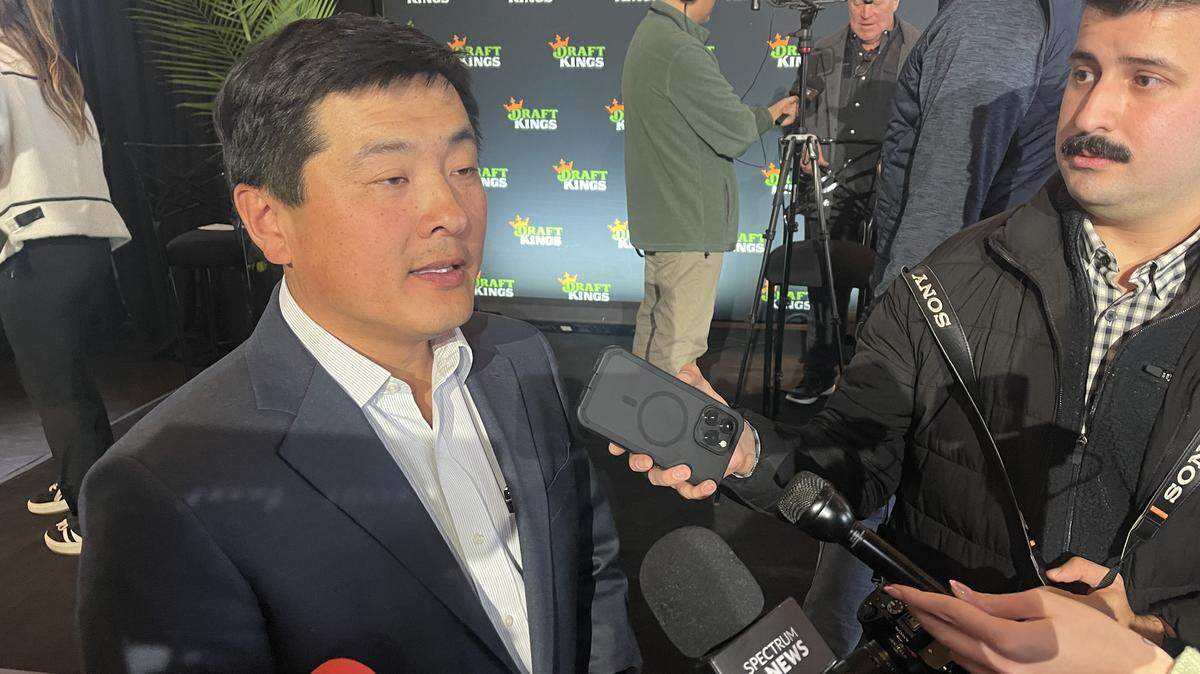
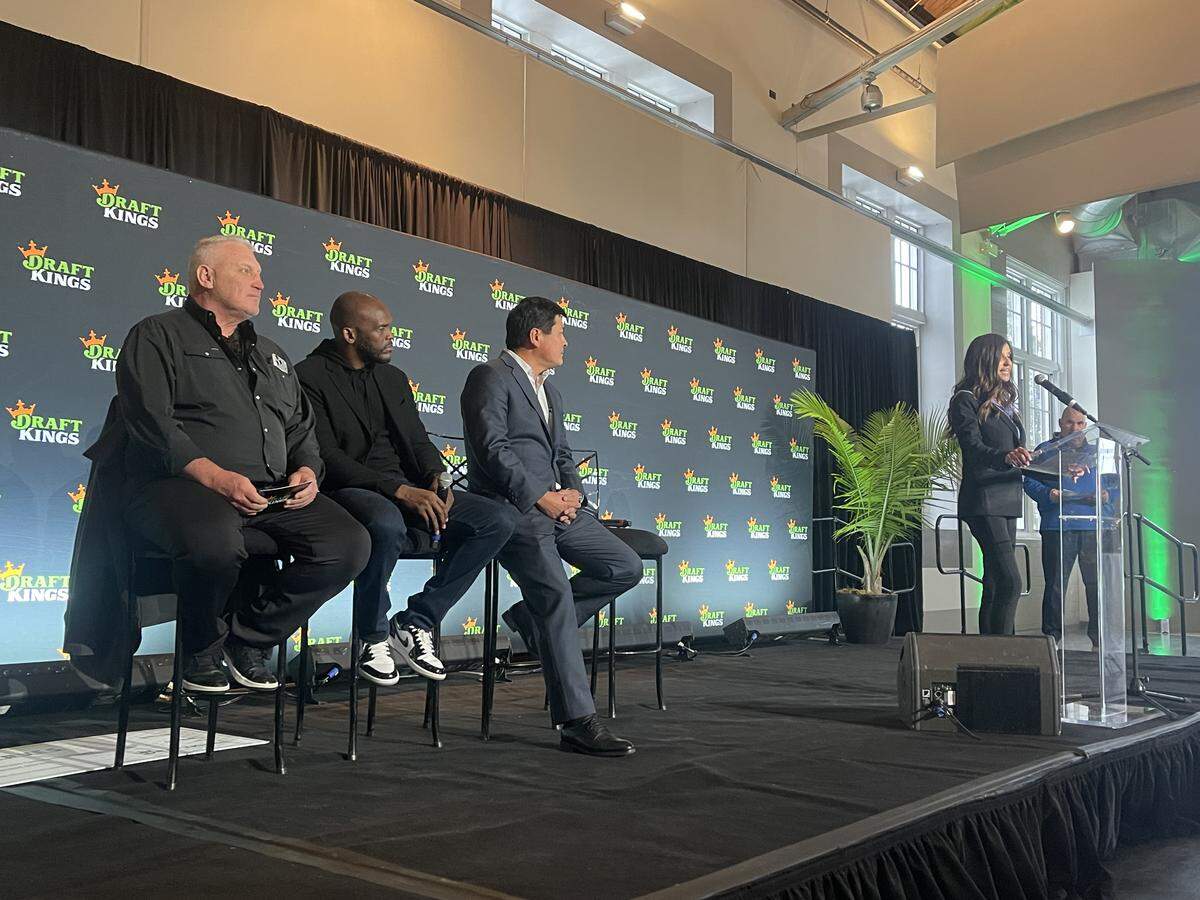
The most powerful lawmaker in the Missouri House on Monday stepped up to a podium flanked by a pair of local sports icons and declared that Missouri had officially entered a new era.
House Speaker Jonathan Patterson, a Lee’s Summit Republican, had just placed one of the state’s first legal sports bets: A $20 wager on the Kansas City Chiefs.
“A lot of us have great memories about sports in Missouri,” Patterson told a chorus of gambling advocates and reporters at an invite-only event down the street from the St. Louis Blues arena in St. Louis. “And this will just add to that and enhance what happens in Missouri.”
The three bets from Patterson, former St. Louis Blues winger Brett Hull and former St. Louis Rams receiver Isaac Bruce signified the official rollout of the legal sports gambling industry in Missouri. The industry won slim approval from voters but has faced backlash from gambling skeptics.
The reception, hosted by betting giant DraftKings, was one of several events held across the state to mark the start of legal sports betting. Former Kansas City Chiefs tight end Tony Gonzalez missed the event due to weather and flight issues.
Monday’s ceremony illustrated a pivotal moment for some sports fans after Missourians narrowly voted to legalize the practice last November. After months of inundating residents with an onslaught of TV, radio and online ads, companies like DraftKings, FanDuel, Fanatics and BetMGM began accepting wagers inside state lines.
“To be able to sit around with your buddies and throw a couple of fun bets around while you’re watching the game — I don’t see how that could be any better,” Hull, who played 11 seasons for the Blues, told reporters on Monday.
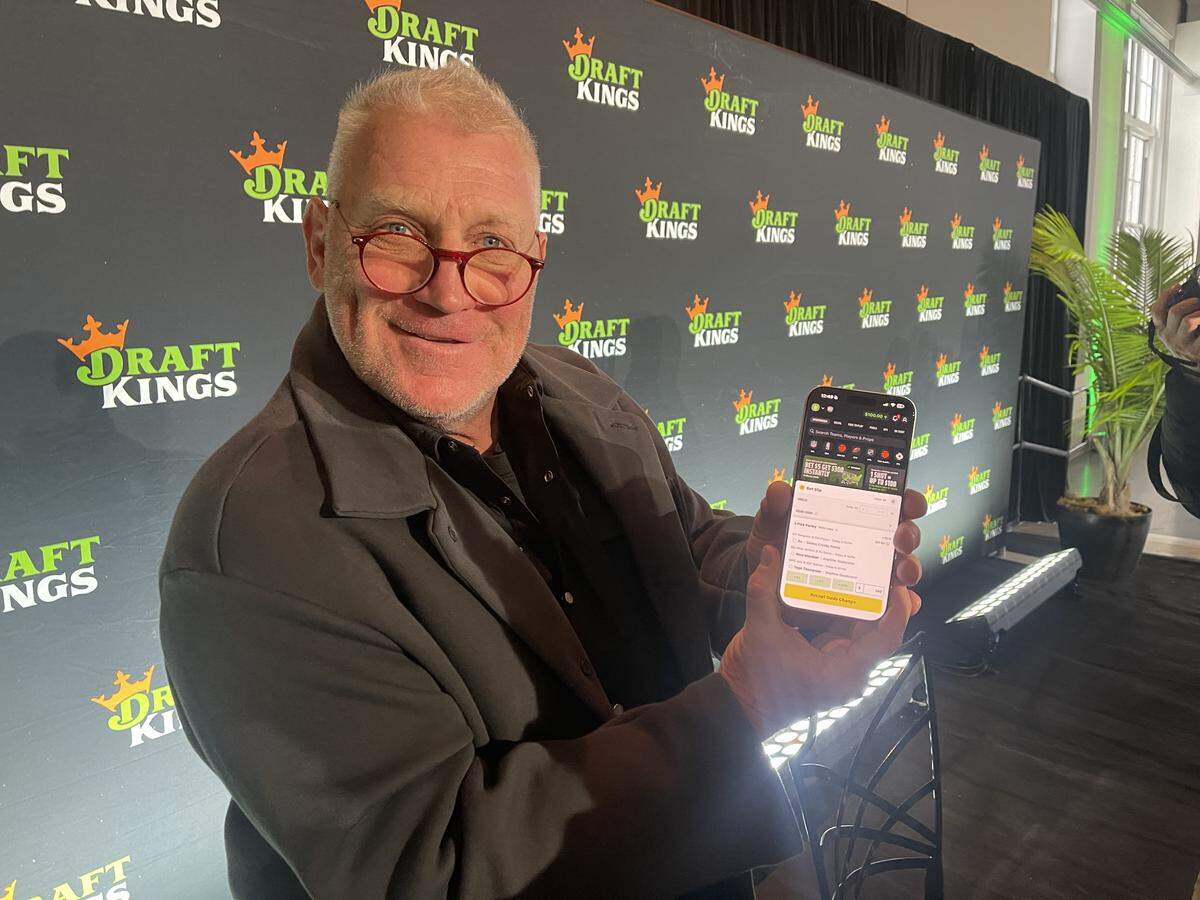
Patterson was the only one of the three bettors to gamble on a Missouri-based team.
Hull placed a combination bet, called a parlay, on three hockey players: Sidney Crosby to get 2+ points and Tage Thompson and Nico Hischier to score any time. Bruce, who said he was placing his first ever wager, bet on the New England Patriots, who are favored against the New York Giants in their Monday evening matchup.
“It’s safe and responsible,” Bruce quipped.
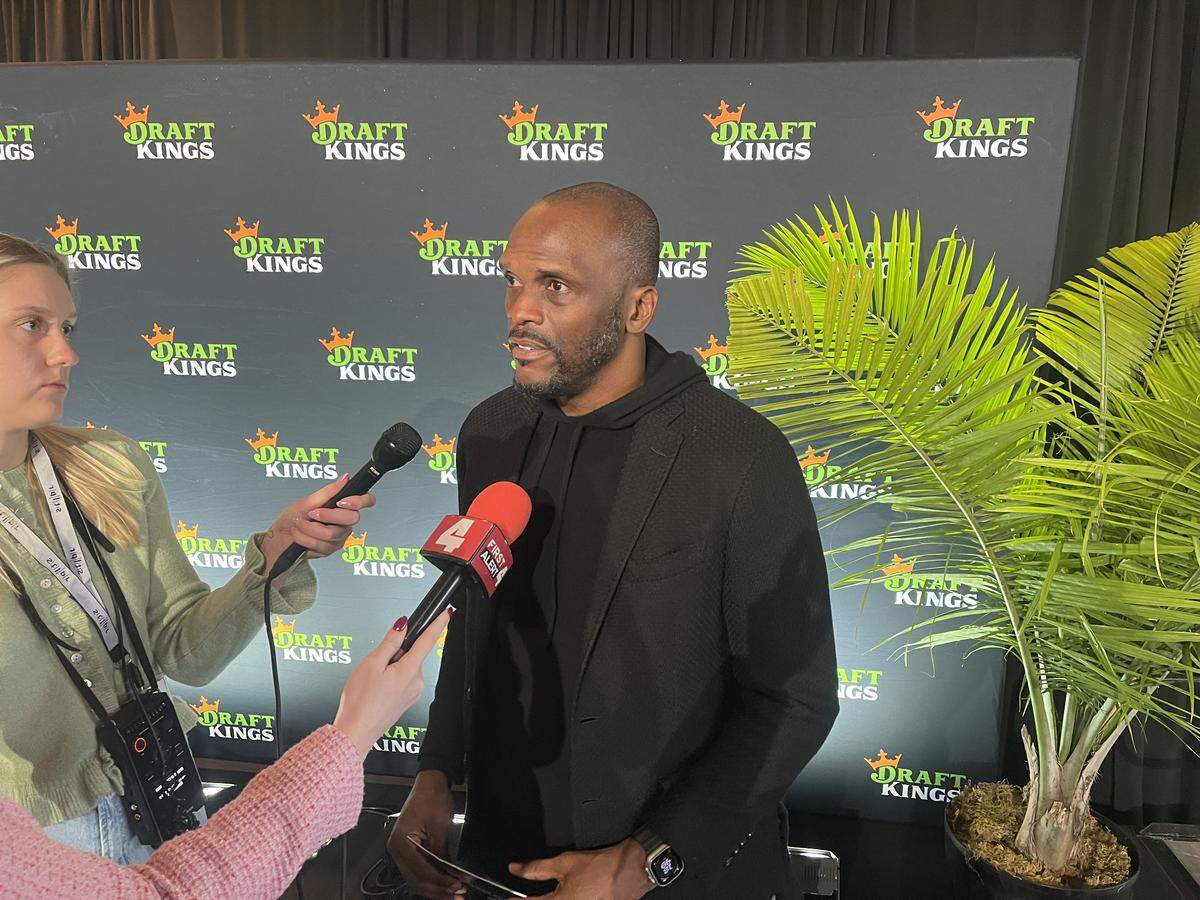
Monday’s event was the culmination of a statewide vote last November that legalized the industry and opened the door for gambling companies, professional sports teams and casinos to offer sports betting. The vote came two years after sports gambling became legal in neighboring Kansas.
Sports fans in Kansas City, St. Louis and across Missouri have celebrated the vote, arguing that gamblers were simply crossing into neighboring Kansas and Illinois to place their bets. Others said Missouri was missing out on key revenue from legal bets.
The major campaign supporting sports betting largely focused instead on the constitutional amendment’s impact on schools. The campaign, called Winning for Missouri Education, flooded voters with stories about how sports betting would inject millions into the state’s schools.
But whether the measure would actually help schools, including in the Kansas City area, has been up for debate. The constitutional amendment includes a requirement that state lawmakers allocate revenue generated from a 10% tax on sports betting to schools, but it does not mention a fund specifically tied to education.
Patterson on Monday rejected criticism that the amendment would allow lawmakers to use the money for other government services — or allow legislators to fund education at a lower percentage than in years past.
“I think we’ll be very committed to funding public education like we always are,” Patterson said. “I don’t think anyone will see this as something we can take away.”
Patterson, however, was less specific about how the state would use the money for schools and suggested that it was too early to tell.
“It has to go to education,” he said. “Which department it goes to and which schools, I think that will be up to, of course, the legislative process and the department (of education).”
The constitutional amendment, called Amendment 2 on the ballot, was backed by every major professional sports team in Missouri and raised millions of dollars, including from gambling heavyweights FanDuel and DraftKings.
The November vote came after Missouri lawmakers had tried, and failed, to pass similar legislation amid bitter infighting among Senate Republicans over whether gas station slot machines, which exist in a murky legal area, should also be regulated.
While sports fans, like Patterson, and athletes, such as Hull and Bruce, have cheered the legalization of sports betting, the industry has also faced opposition. Critics often point to addiction concerns, predatory or misleading advertising and the impact of gambling on the integrity of sporting events.
Lori Kalani, DraftKings’ chief responsible gaming officer, spoke Monday about the ways her company promotes safe gambling. But the broader concerns and critiques of the industry were largely not mentioned by the trio of prominent bettors.
“This state has been waiting a long time for this,” said Hull. “There’s no bigger, better sports fans than the people of Missouri.”