
Even when a police search is illegal, prosecutors may still get to use the evidence
READ MORE
Broken Government
“Broken Government” is a special project from The Kansas City Star that exposes the ways government at all levels across Missouri and Kansas fails to work for residents and taxpayers.
Expand All
Federal courts in recent decades have made it easier for prosecutors to use evidence obtained during unconstitutional searches, but Kansas Supreme Court Chief Justice Marla Luckert appears ready to push back.
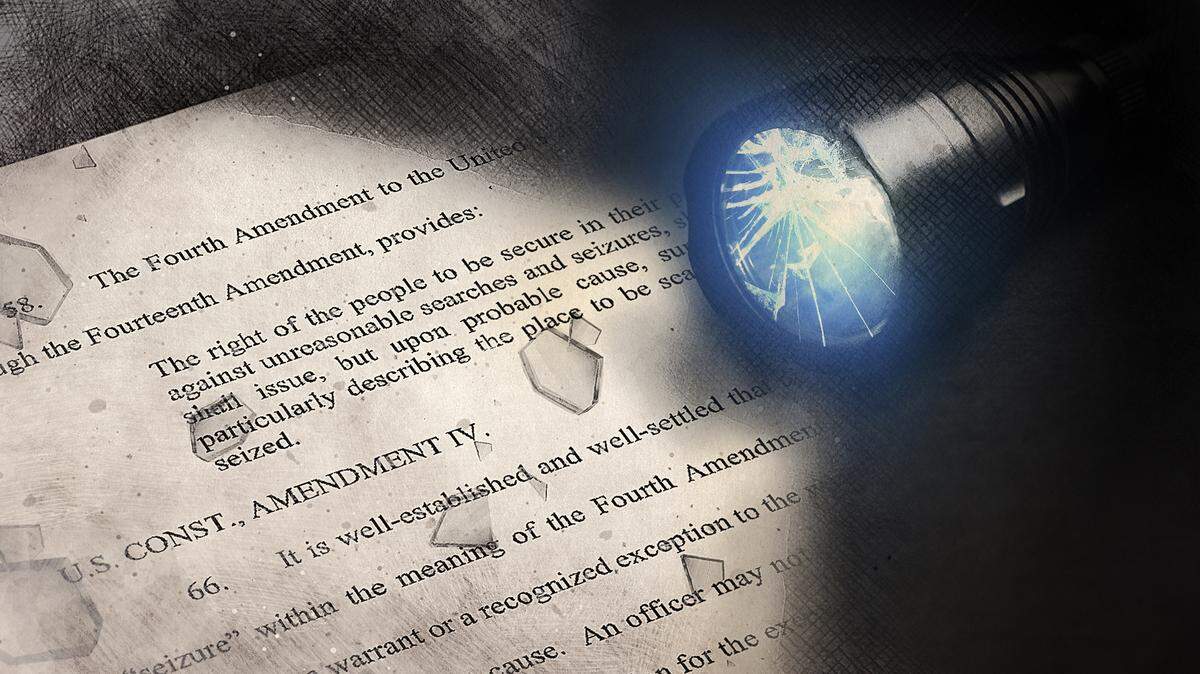
The Fourth Amendment to the U.S. Constitution says the “right of the people to be secure in their persons, houses, papers, and effects, against unreasonable searches and seizures, shall not be violated” and that warrants can only be approved based on probable cause and must “particularly” describe what will be searched or seized.
The Kansas Constitution also includes its own, arguably broader language. It says the “right of the people to be secure in their persons and property against unreasonable searches and seizures shall be inviolate,” according to Section 15 of the Kansas Bill of Rights.
In 1984, the U.S. Supreme Court created a “good faith” exception to the general rule that illegally obtained evidence must be excluded at trial. The exception in some instances allows for the introduction of evidence gathered during illegal searches, so long as a judge approved a search warrant, even if the warrant shouldn’t have been approved.
Kansas courts have interpreted the Kansas Constitution to allow for the same “good faith” exception recognized by federal courts.
But Luckert has reservations. As an associate justice in 2019, she wrote a concurring opinion in a case about the exception, questioning whether Kansas should continue to apply the exception “in lockstep” with federal caselaw.
Luckert appeared particularly troubled by a 1987 U.S. Supreme Court case called Krull that extended the good faith exception to evidence gathered by officers acting under the authority of a law later found unconstitutional.
“In my view,” Luckert wrote, “the application of Krull by federal and state courts warrants our reconsideration of whether its exception leaves Kansans without the protection guaranteed by § 15 of the Kansas Constitution Bill of Rights.”
Some attorneys and civil liberties advocates emphasize that in an illegal search, even if cops acted in good faith with a warrant, the result is the same: someone’s rights are violated.
“There’s a sense in which the basic ideas that animate the Fourth Amendment haven’t really changed, the framers would recognize some of those,” said Josh Windham, co-director of the Fourth Amendment Project at the Institute for Justice, a Virginia-based libertarian public interest law firm.
“And there’s another sense in which things have kind of gone off the rails and it’s difficult for plaintiffs and defendants to really vindicate their Fourth Amendment rights in practice.”
At the time the U.S. Supreme Court created the “good faith” exception, the justices believed the exception would encourage law enforcement to seek search warrants instead of risking warrantless searches that could be illegal.
But Christopher Slobogin, a law professor at Vanderbilt University, suggested judges may now actually be less careful now about approving warrants. Because of the good faith exception, judges know that even if their legal analysis is faulty, prosecutors may get to use the evidence anyway.
“After 1984, as long as the cops acted in good faith, the evidence gets in,” Slobogin said.
Evidence can still be suppressed if an officer lied in the application or if the warrant was so lacking that a reasonably trained officer would know the judge was wrong.
“Police officers aren’t lawyers, the judges are, so how often is that court gonna find ‘hey this police officer should have known the judge, who’s a lawyer, was completely wrong,’” said Cole Hawver, a Junction City-based public defender.
‘Open fields’ angers ranchers, farmers
Other exceptions to Fourth Amendment protections are older but continue to cause frustration.
For 99 years, the U.S. Supreme Court has recognized the “open fields doctrine,” holding that warrants generally aren’t required for searches on open land outside the immediate area around a home.
The open fields doctrine has long aggravated farmers and ranchers, who are unable to keep law enforcement from snooping on their livestock, crops and pasture.
In 2018 Beverly and Matthew Fullen fought the application of this doctrine on their own land near Salina. Both faced criminal charges after a warrantless search on pasture the mother and son owned jointly.
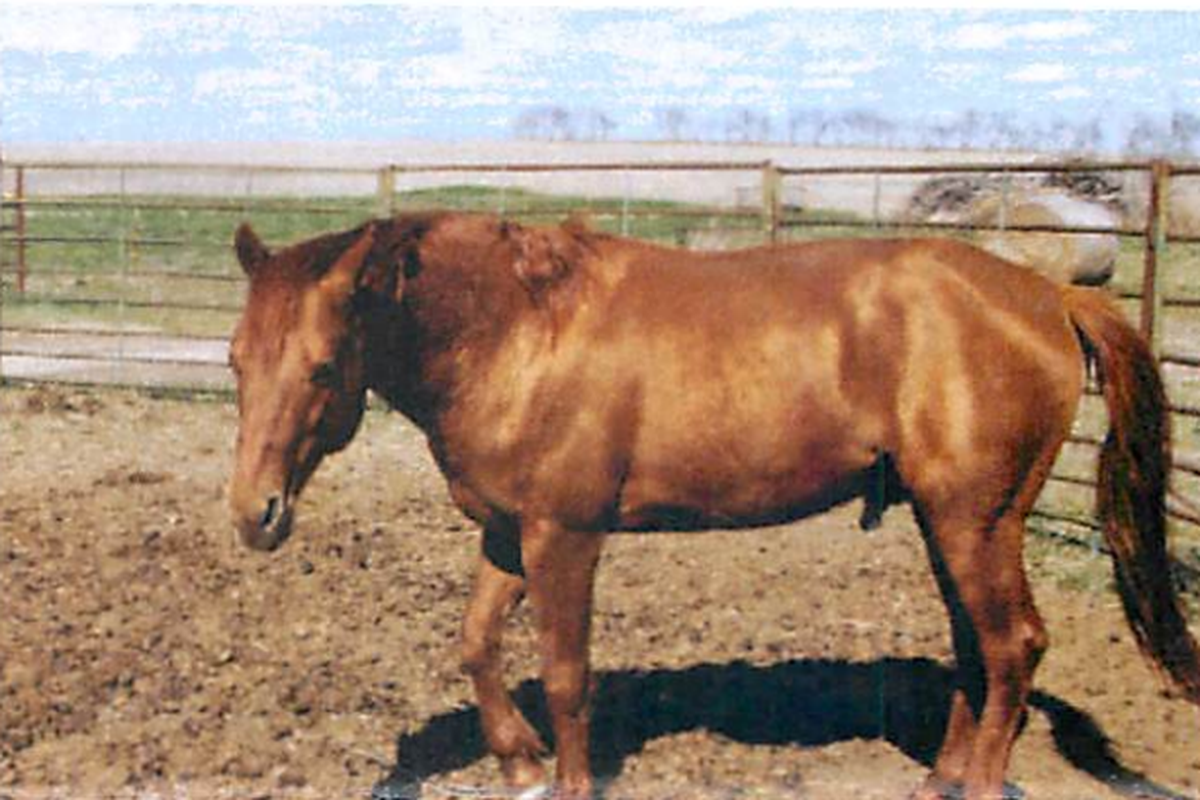
Saline County sheriff’s deputies, responding to an animal cruelty report entered the Fullen’s field after observing about 50 cattle, many with calves, with minimal grass to graze on, according to an affidavit. The herd appeared malnourished.
While the deputies spoke with the Salina Animal Shelter director over the phone, no veterinarians accompanied the deputies. The deputies shot a cow that appeared to be suffering.
Law enforcement obtained a search warrant and seized the livestock, as well as horses and domestic animals belonging to the family, a few days later. The Fullens were arrested, and Saline County Sheriff Roger Soldan told reporters nearly 190 starving or dead animals had been found.
But a year later, Matthew was found not guilty at trial after originally facing 17 counts of cruelty to animals. Beverly Fullen reached a plea agreement, pleading no contest to two counts of animal cruelty, both class A misdemeanors.
Courts in at least five states – Montana, New York, Washington, Vermont and Oregon – have rejected the open fields doctrine, finding it’s not supported by their state constitutions. While these decisions generally can’t constrain federal law enforcement, they do limit what steps state and local police can take in their investigations.
The decisions are part of a larger national movement that asserts state constitutions often afford broader rights than the U.S. Constitution. Kansas joined the movement in one critical area – abortion – with a landmark state Supreme Court decision in 2019 that the state constitution protects the right to end a pregnancy. But it has not yet taken similar action on the Fourth Amendment.
After their criminal cases, the Fullen family sued the City of Salina, which operates the animal shelter, and Soldan in Saline County District Court. They alleged the cow that had been shot by deputies was not actually suffering but was in labor and about to give birth. They also said the animals taken from the property received inadequate care while in the government’s custody.
In an interview, Matthew Fullen remained particularly upset that sheriff’s deputies hadn’t waited for a veterinarian to look at the calving cow before shooting it.
The Fullens accepted a payment to settle the lawsuit, but declined to reveal the amount. Soldan, who is still the sheriff, didn’t respond to a request for comment.
“I know we have to call the police for certain things, but I don’t trust them,” Fullen said.
This story was originally published December 17, 2023 at 5:30 AM.