State control of KC police has roots in racism. Does MO amendment treat city as a ‘colony?’
READ MORE
Missouri votes on KC police funding with Amendment 4
Expand All
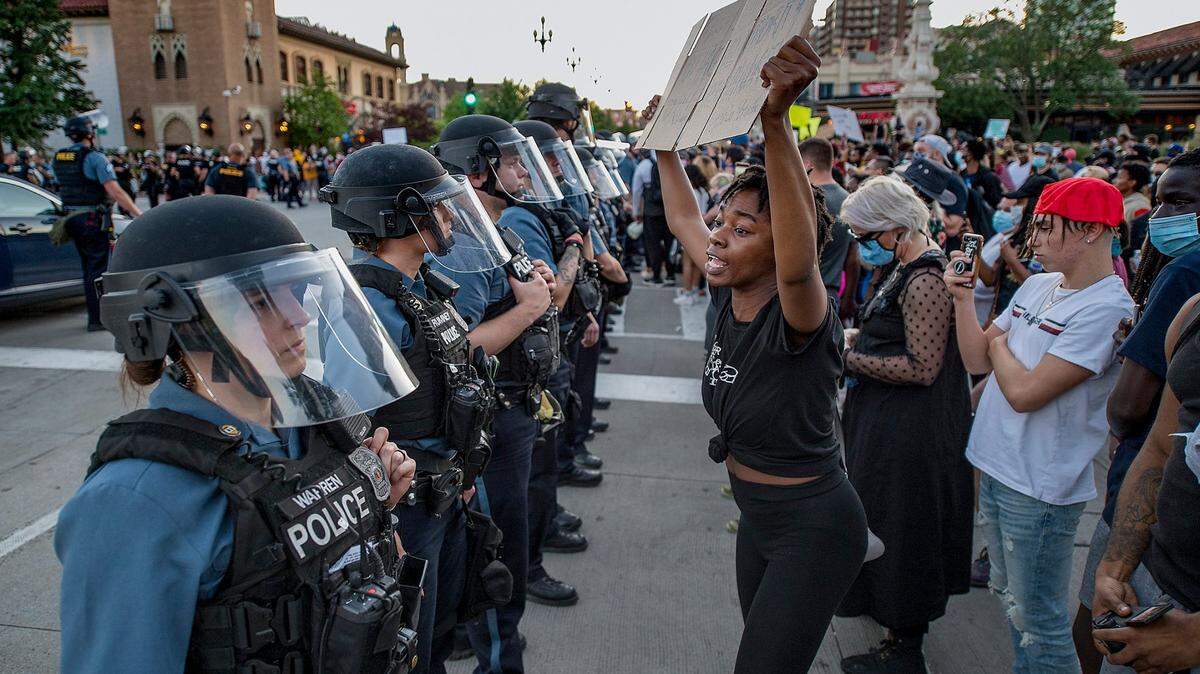
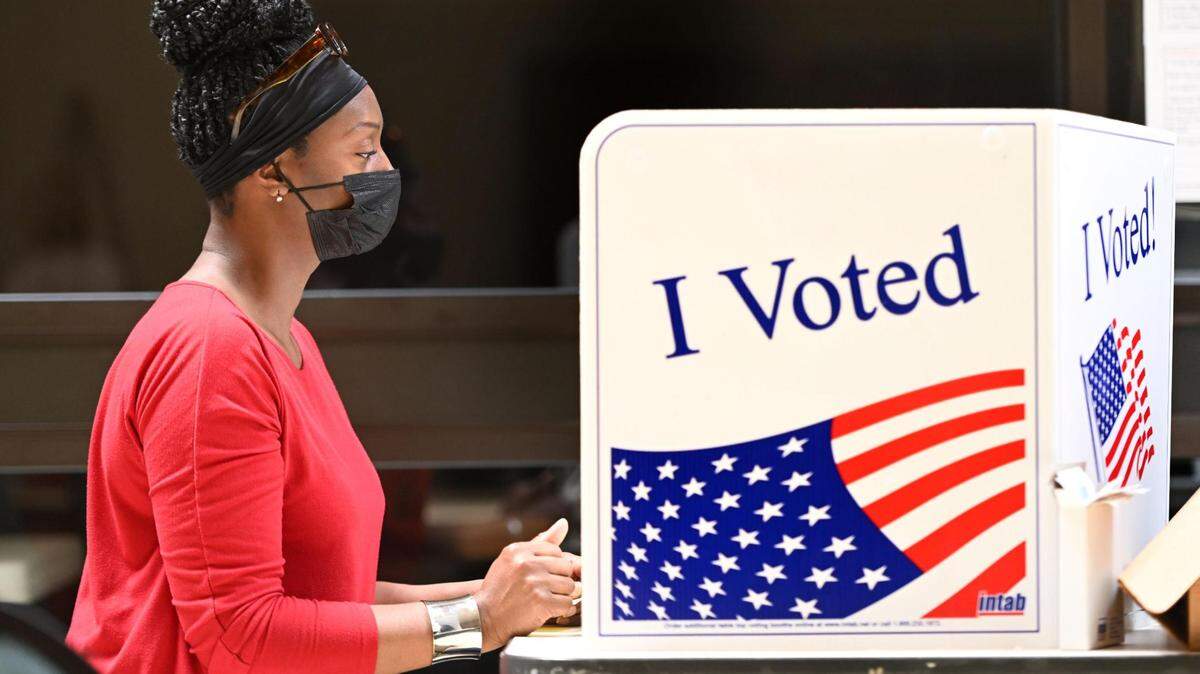
The only city in Missouri without direct control over its police department will be at the mercy of voters across the state on Nov. 8, when people in towns hundreds of miles away decide how much Kansas City should spend on police.
For Kansas City Mayor Quinton Lucas, the upcoming statewide vote illustrates the power dynamic between the state and the city. He compared it to an empire wielding influence over one of its colonies.
“The question to me is just very simply about who can try to leverage that they have more power, who can make Kansas City continue to be more of a colony, who can better silence, in particular, the Black voices in this city,” Lucas said.
Kansas City is much more diverse and politically progressive than the rest of the state. Missouri is 78.7% white and just over 16.5% of residents are Black or Hispanic. Kansas City is 55.1% white with Black or Hispanic populations totaling more than 38%.
Amendment 4, as the proposal will be called on the ballot, would allow a law to take effect that requires Kansas City to spend at least 25% of its general revenue on the police, up from 20%. But, at its core, the ballot question also illustrates the long history of state control over the city’s police force, which dates back to post-Civil War racism.
“It is one of the worst, most offensive ballot measures to have ever been placed on the Missouri ballot,” Lucas said.

Amendment supporters argue the ballot measure is needed because what happens in Kansas City has a ripple effect on the rest of the state.
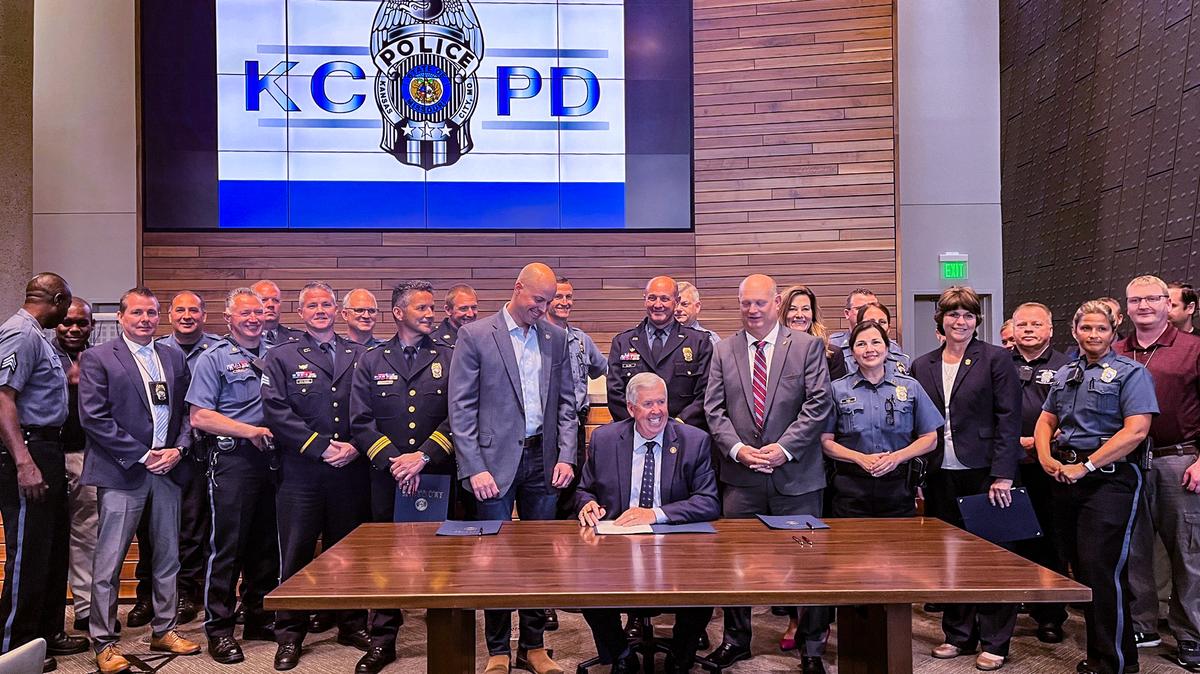
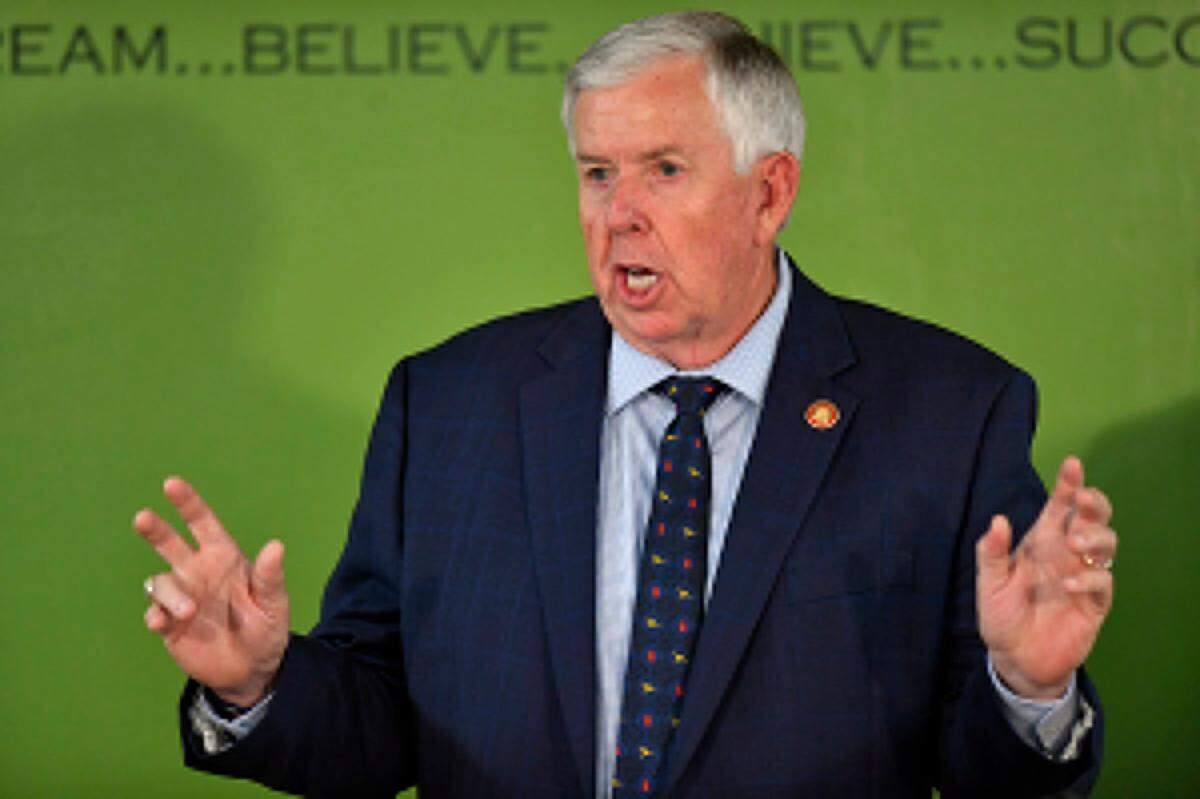
“It may be a Kansas City Police Department, but many, many Missourians outside of the Kansas City area go to Kansas City for multiple reasons, you know, so it just depends how you look at it,” said Missouri Gov. Mike Parson, a Republican who in June signed a law that will require Kansas City to increase its funding if the ballot measures passes.
But Parson, who was the sheriff of Polk County in southwestern Missouri from 1993 to 2004, was hesitant to say whether he would support “a blanket policy” on how much Missouri cities should spend on their police. Asked specifically if he would support legislation that required Polk County, his former jurisdiction as sheriff, to increase its law enforcement funding, the Republican governor said no.
“No, I mean, county sheriffs are set up totally different from what police departments are and whether they’re under commissions and stuff like that,” he said.
The Star spoke with more than a dozen political leaders and activists on both sides of the upcoming ballot measure. What emerged from those interviews is a portrait of renewed frustrations over Kansas City’s lack of control over its police force and a statewide vote that illustrates a century-long struggle for power between state lawmakers and city officials.
“This is a decision best left to the Kansas City, Missouri City Council — not the Missouri General Assembly and a statewide vote,” said Darron Edwards, lead pastor of the Kansas City-based United Believers Community Church. “We are living in a taxation-without-representation city and those who don’t view it this way, to me, are hypocrites to our strong civic position outlined in our United States Constitution.”
Republican state legislators point to a failed 2021 attempt by Lucas and the City Council to assert more control over the police budget. They argue that the amendment is a way to push back against the national movement to reduce police spending.
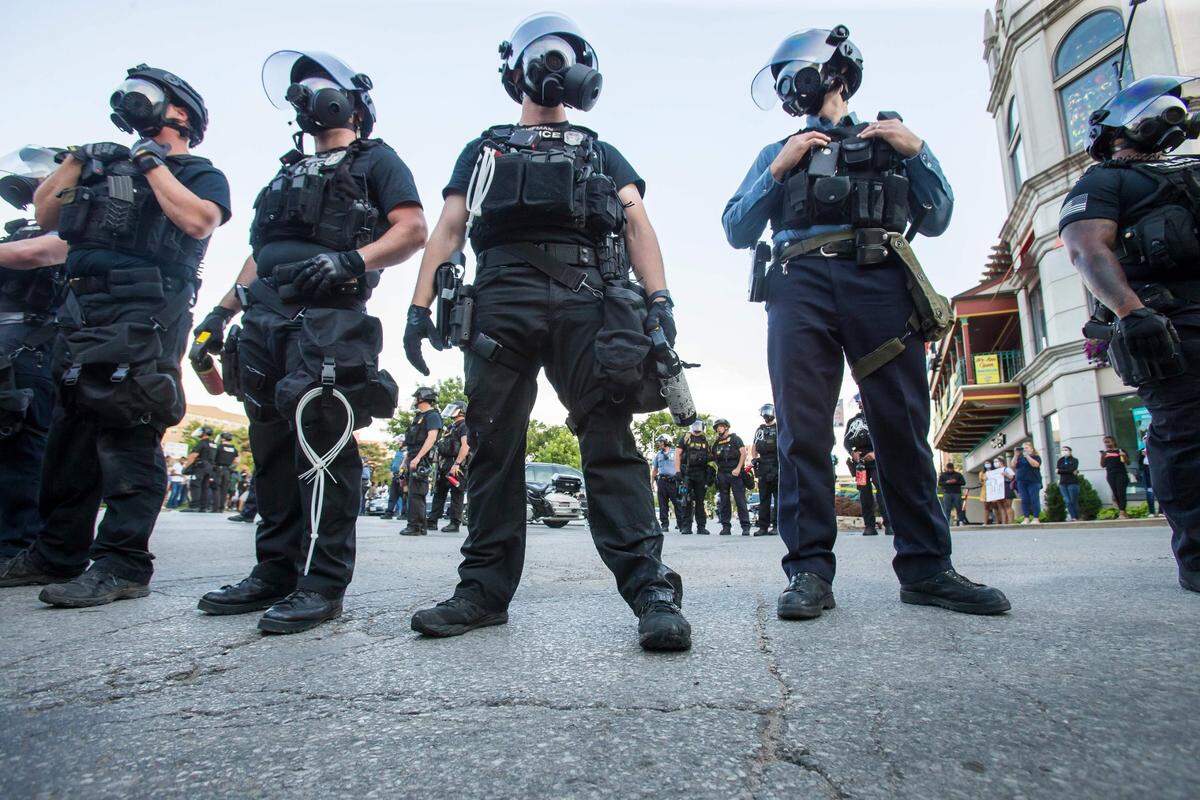
Proponents also frequently mention crime in Kansas City and the need to ensure that the city remains safe. The vote comes after two years of record and near-record numbers of homicides in Kansas City. Last year marked the second-highest number of homicides in the city’s history, with 157. The highest was 2020, with 182 killings.
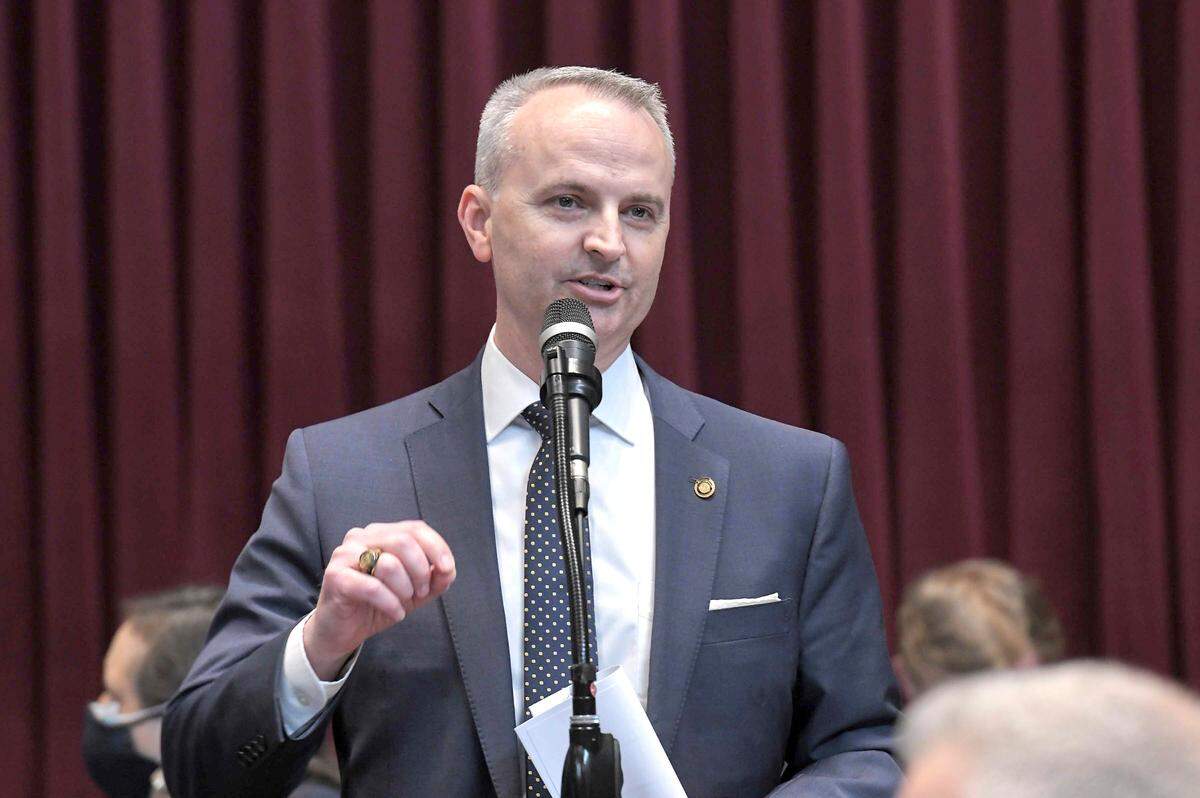
“Amendment 4 is a vote to make sure the brave men and women of the KCPD have the funding that they need to keep our city safe and to make sure they’re not future radical attempts by the City Council to defund the department,” said state Sen. Tony Luetkemeyer, a Parkville Republican who sponsored legislation that placed the amendment on the ballot.
“When the police are defunded in Kansas City, it destabilizes our region and destabilizes the entire state’s economy.”
But Kansas City activists and leaders see racism both in the upcoming statewide vote and the police department’s history of state control. They argue that Kansas City already funds its police department at an amount higher than required by state law and the vote is nothing more than the state asserting dominance over a more diverse, progressive city.
“This measure is an example of very powerful politicians taking advantage of people in a community to further dictate and control how the people in that community live,” said Amaia Cook, an organizer who is working with the Urban League and other civil rights groups opposing the amendment.
“We know that this measure has implications that have been charged by this rhetoric of defunding the police,” Cook said. “That’s also been charged by this rhetoric of back the blue. But, politicians who are leading with those messages are actually again, deceiving the public.”
National police experts also say the state’s attempt to increase Kansas City’s police funding is antithetical to a national trend where cities have re-examined their police budgets amid a national debate over policing reform sparked by the 2020 murder of George Floyd, a Black Minneapolis resident, by white police officer Derek Chauvin.
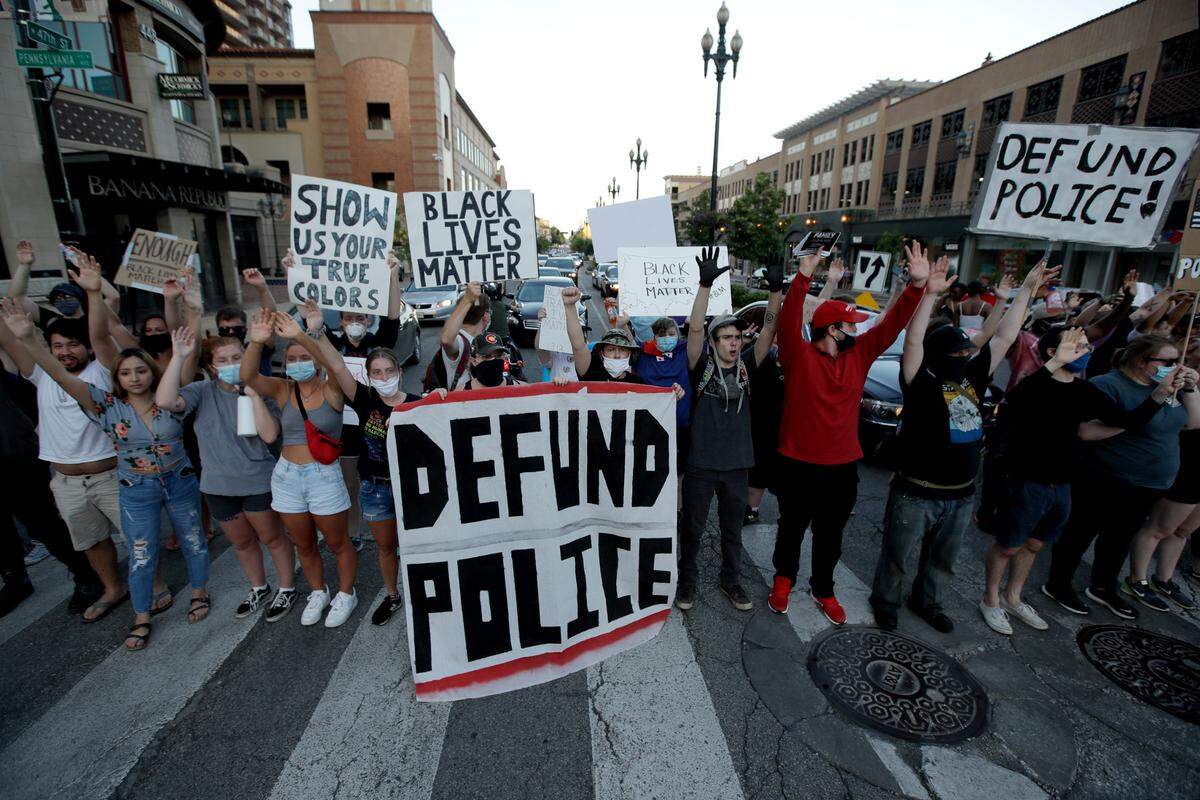
To allow voters statewide to decide how much Kansas City spends on its police is an issue of local democracy — one that will disproportionately affect people of color in the city, said Lauren Bonds, legal director for the National Police Accountability Project, a nonprofit that promotes law enforcement accountability.
“It’s incredibly racist to not let a predominantly Black or brown community make decisions about anything,” she said. “There is a very strong argument to be made that this is not only going to have racially problematic impacts, but is motivated by racial animus.”
History of state control
The arrangement of the state control of the Kansas City Police Department is highly unusual in that it requires the city allocate millions to local law enforcement but allows them no say in how that money is spent.
The state-controlled police force has its roots on the battlegrounds of the Civil War and not the political corruption frequently associated with Tom Pendergast.
It was Claiborne Fox Jackson, a pro-slavery Missouri governor who didn’t want St. Louis, which supported the Union, to have control of its own ammunition arsenal. Jackson wanted Missouri to join the Confederacy but that effort failed.
In response, Jackson encouraged the state legislature to pass the “Metropolitan Police Bill” that gave the state control of St. Louis’s police force. A police board appointed by the governor was tasked with overseeing the police department.
In those days, St. Louis and Kansas City had a higher representation of Black residents and others who supported their civil rights.
In 1874, the state gained control over Kansas City’s newly created police department. That state oversight continued until a court challenge in 1932 that placed the police department under local control.
But the short-lived independence from state control ended as widespread corruption fostered by the political dominance of Tom Pendergast enabled then-Missouri Gov. Lloyd C. Stark to take control over the Kansas City police board.
State control of the Kansas City police department has remained since. Many civil rights and elected officials say such mode of oversight is outdated, if not racist. And the Nov. 8 ballot question illustrates that, they say.
“This ballot measure is a perpetuation of a system that is unfair,” Lucas said of Amendment 4. “That is unjust and that is unwise. It has not made Kansas City safer.”
In interviews with The Star, Republican politicians and amendment supporters largely looked past the fact that state control has roots in Civil War-era racism. Instead, they pointed to corruption under Pendergast.
“When you have a history of corruption, the way that Kansas City did 70 years ago, the state has absolute right and, quite frankly, the responsibility to step in for the good of the individuals whose local control authority over their own lives is being violated by corrupt government,” said state Rep. Doug Richey, an Excelsior Springs Republican.
Missouri Secretary of State Jay Ashcroft, who certified the amendment on the ballot, said in an interview with The Star that while state control may have roots in racism, the amendment’s goal is solely to guarantee public safety in Kansas City.
“I would say that we’ve had a century pass — conditions have changed,” he said. “I don’t know anyone in Jefferson City that is pushing for state control of the Kansas City police or is against changing that control to the city of Kansas City because of racial issues. I think that’s a political argument that people use but I don’t think that’s really what’s happening.”
The statewide vote
A statewide vote means that voters in Pemiscot County, tucked in the southeastern corner of Missouri’s Bootheel, will get to decide how Kansas City funds its police from more than 400 miles away.
State Sen. Greg Razer, a Democrat who represents Kansas City, grew up in Cooter, a town in Pemiscot County of just more than 340 people. It’s 93% white. Razer argued it was illogical for voters in the Bootheel on the other end of the state to hold sway over the city’s policing.
“My mom goes to the ballot box and she looks at this, she’s going to have no idea that she’s voting on a local Kansas City issue in Pemiscot County or understand why,” Razer said. “She would be shocked if I explained to her this only affects one police department in one city in the entire state.”
Opponents argue that the measure is written deceptively to convince voters that the amendment would affect all police departments — not just Kansas City. It’s a way to get people from outstate Missouri to care about a vote that will not directly affect them, they say.
“There’s a huge divide between the understanding of rural Missouri and urban Missouri,” said state Rep. Ashley Bland Manlove, a Kansas City Democrat. “And you leave room for all of those stereotypes and misconceptions, misinformation that have been handed down for generations to continue to infiltrate positive policy, progressive policy that we’re trying to make here.”
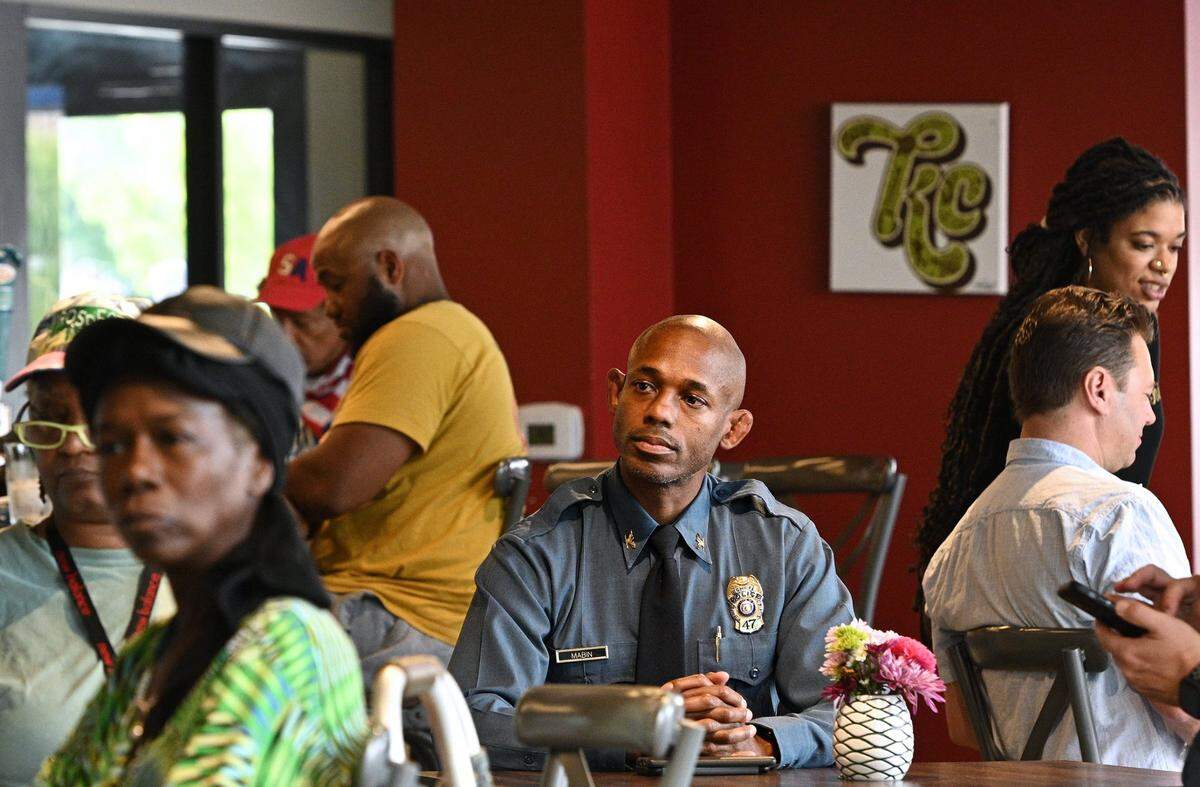
In the last 10 years, Missouri has experienced a seismic shift from bellwether to deep red, particularly in rural parts of the state. At the same time, Kansas City has remained predominantly Democratic-leaning. In the 2020 election, Jackson County was one of only three Missouri counties to vote for President Joe Biden.
Bonds, the national policing expert, said that race plays a role in the fact that a city like Kansas City is allowed to manage every facet of its government except for its public safety and policing.
“I think that it’s in large part due to these really harmful stereotypes about Black elected officials and harmful stereotypes about cities and that they’re particularly crime-ridden and that you’re not funding your police department sufficiently or supporting police in the city sufficiently,” she said.
But Richey, the Excelsior Springs Republican, pushed back on arguments that state control and the amendment have roots in racism.
“It’s not true,” he said. “Nobody that was a proponent of this had any inclination whatsoever of it being tied to a racial component or the demographics of Kansas City, Missouri. It’s just nonsense.”
Supporters have touted the need to make sure Kansas City provides enough funding for its police. The ballot question is in direct response to the 2021 move by Lucas, which would have reallocated $42 million from the police budget to establish a Community Services and Prevention Fund.
It would have funded the police department at the state-required 20% threshold, while allowing the city to control spending above that amount. A judge found the plan illegal.
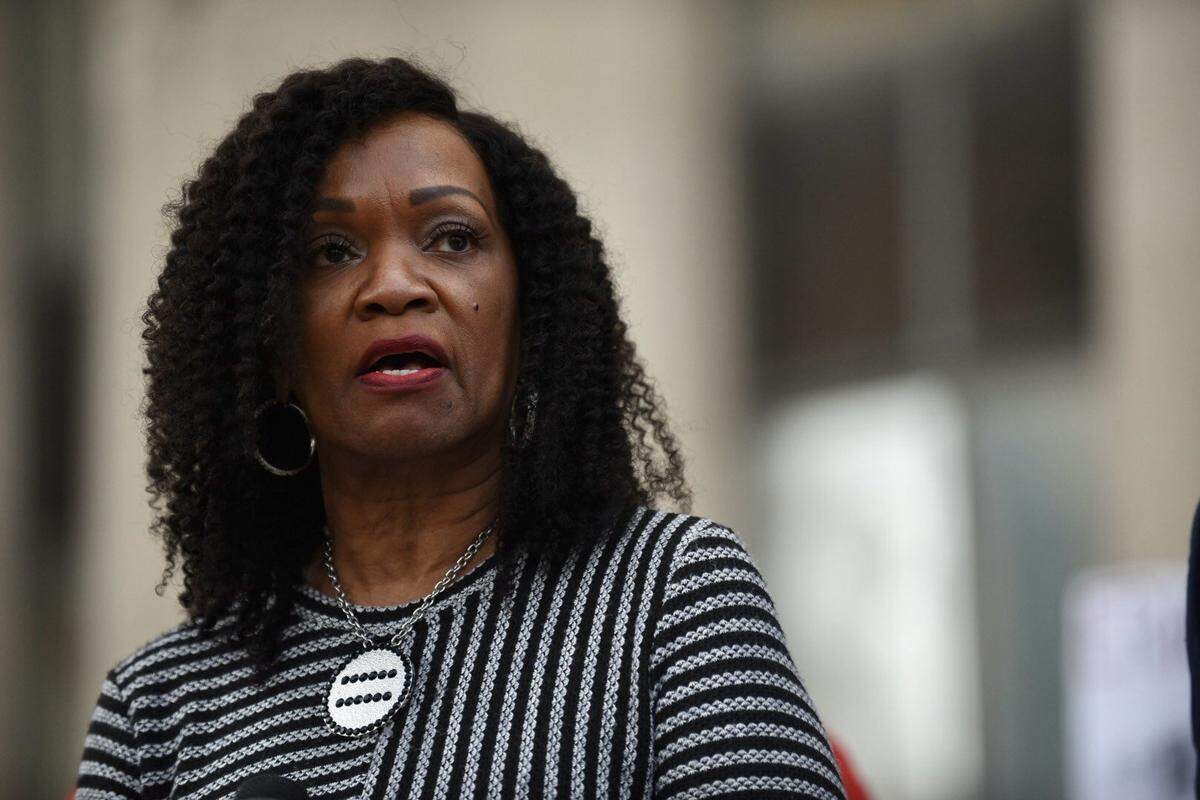
Gwen Grant, president of the Urban League of Greater Kansas City, said questions about control are at the root of the divide between the city and state on this issue.
“This is not a defund the police issue,” Grant said. “It is a local control issue. All local governments should have the power to decide what is best for their cities without the egregious overreach of politically ambitious state legislators who don’t reside in our local communities.”
Battle over money
At the center of the fight over local control is a fight over money — how much Kansas City should spend on its police.
Under previous law, Kansas City was required to spend at least 20% of its general revenue budget on the police department. The ballot measure would support a recently-passed law that increased that percentage to 25%.
Nathan Garrett, a former member of the Kansas City Board of Police Commissioners said previous efforts by the Kansas City Council to reallocate police spending gave proponents of the constitutional measure few options.
“When the city and the mayor stole money from us, weeks after allocating it, and held it hostage, they left us no choice,” Garrett said. “This isn’t a hard dilemma.”
But opponents of the ballot measure say Kansas City already spends close to that percentage in general revenue. The police department’s budget also includes other funds.
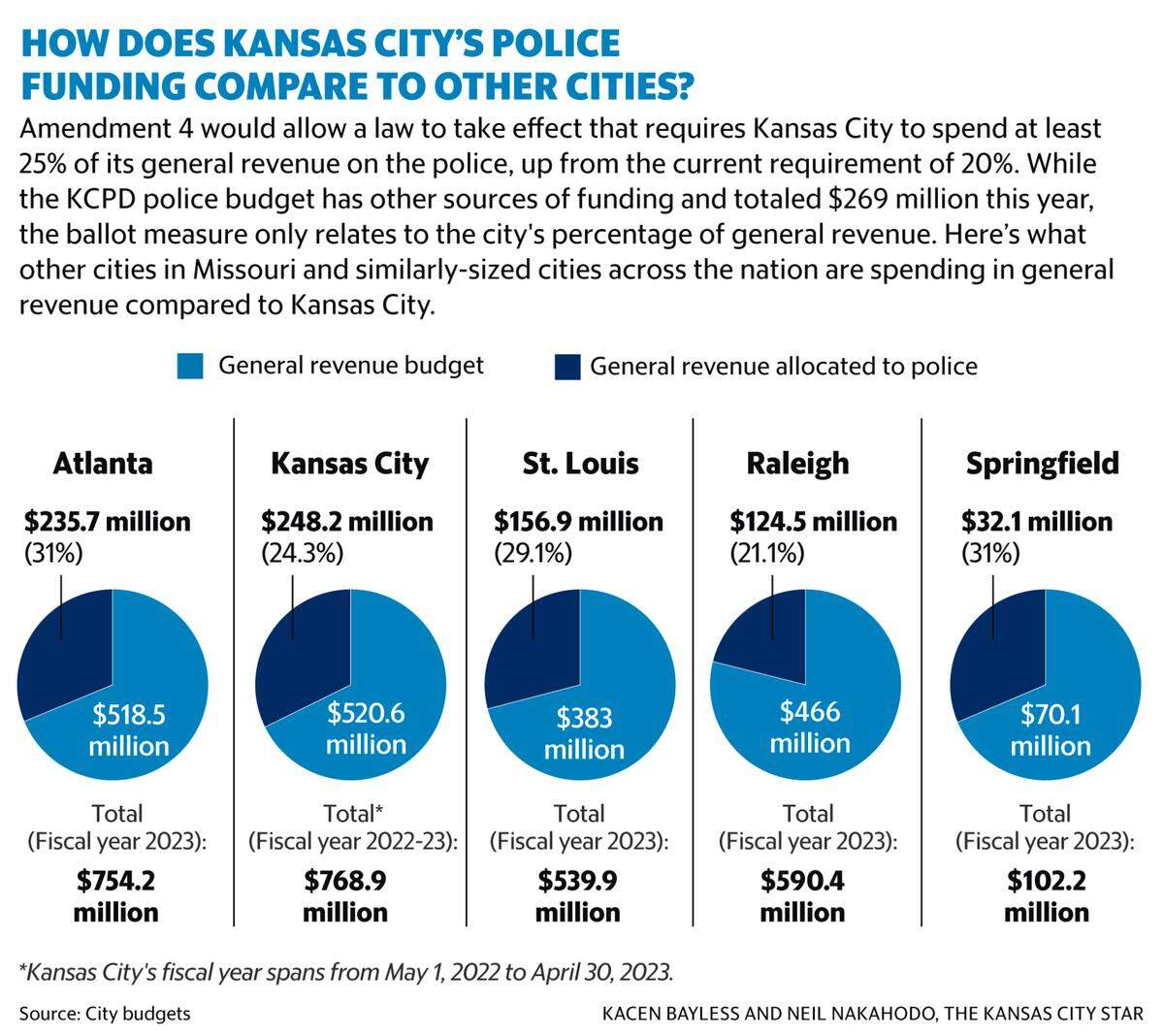
This fiscal year, Kansas City allocated $248.2 million — or 24.3% — of its general revenues to police. The police department’s total budget is roughly $269 million, a total that reflects additional pools of city funding on top of general revenue.
“This amendment really inhibits our ability to make adjustments that are going to be needed across the board,” said Melissa Robinson, who represents the Third District on the Kansas City Council. “It’s very hard to grapple with the fact that only residents of Kansas City, Missouri, have to be made to do this. The unfairness of it all and it’s just undemocratic.”
Robinson said taxpayers in her district want police accountability, more officers on the streets and safer neighborhoods. But they should decide how much that would cost, she said.
“Because we wanted to increase that accountability, we find ourselves in this draconian, oppressive environment and that every resident of Kansas City should really be raising the red flag that this is an unfunded mandate,” Robinson said.
Lucas said it is unclear how the police department spends millions of dollars provided by Kansas City taxpayers.
He criticized the Missouri General Assembly for rejecting his request to have the state spend $13 million of the $1 billion received in the federal American Rescue Plan.
Those funds would have paid for police radios and hazard pay for police officers among other expenses, Lucas said.
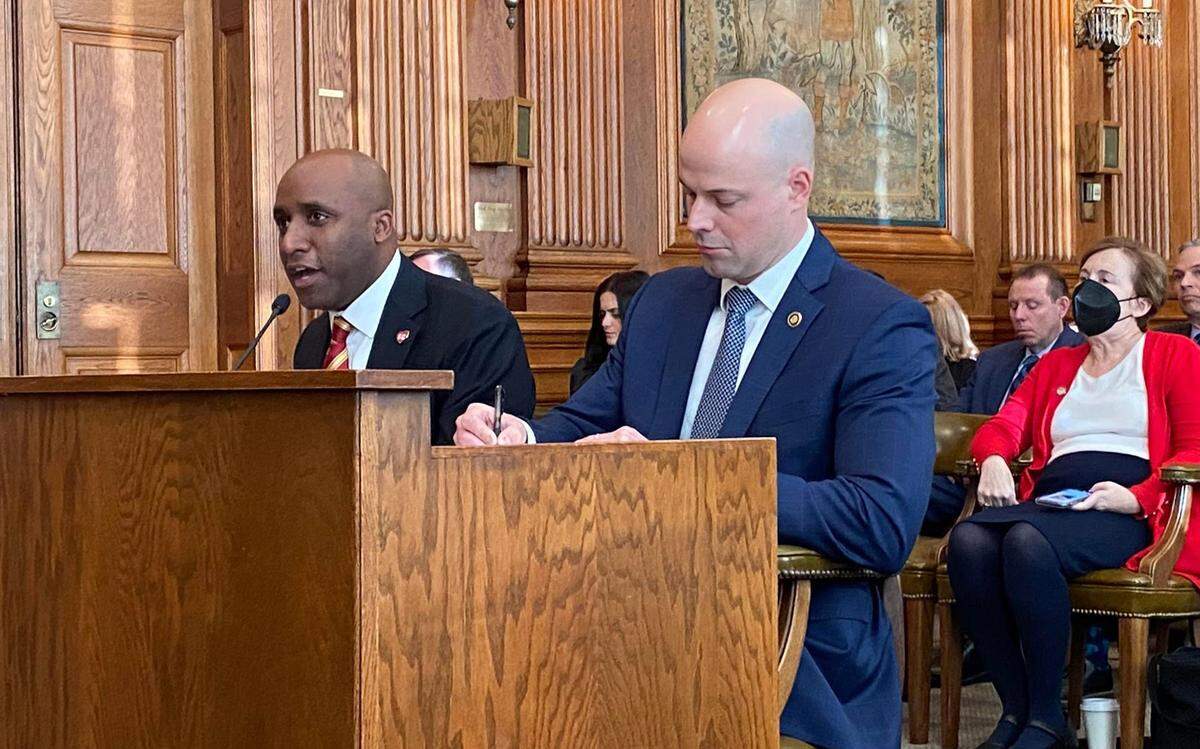
When the City Council adopted a new $1.94 billion budget for the upcoming fiscal year, it included money to hire police officers, pay raises for officers and civilian workers, funding for crisis intervention officers and other crime-fighting tools.
Kansas City’s spending on police appears comparable to other cities in Missouri and similarly-sized cities across the nation.
“I think a lot of larger cities are spending anywhere between 30% and 40%,” said Bonds, who said some cities have started to shift some of the funding after George Floyd’s murder in 2020. “I think 25% is not uncommon, but I definitely think that that’s not the direction in which a lot of cities are trending in their decisions about how much of their budget should go to policing.”
The City of St. Louis this fiscal year allocated 29.1% of its general revenue or $156.9 million towards its police department. But that’s not the only amount the city spent. With all of the funds together, the city allocated $221.1 million to police.
In Springfield, the city this year agreed to spend 31% of its general revenue or $32,069,199 on the police.
The percentage that Kansas City spends falls in between the levels of other cities of around 500,000 people in the nation.
In Raleigh, the city spent $124.4 million of its $590.4 million general fund – or 21.1% – to its police department. Of the City of Atlanta’s $754.2 million general fund operating budget this year, the city allocated $235.7 million to its department of police services. That’s 31%.
Bonds, the national policing expert, said local community members are best suited to decide what role their police departments play in their community. To allow a statewide vote on local police funding is a “huge problem,” she said.
“It’s really an issue of people not being really informed about the dynamics of a particular community being able to make decisions for that community,” Bonds said. “It’s very problematic.”
This story was originally published October 30, 2022 at 5:30 AM.