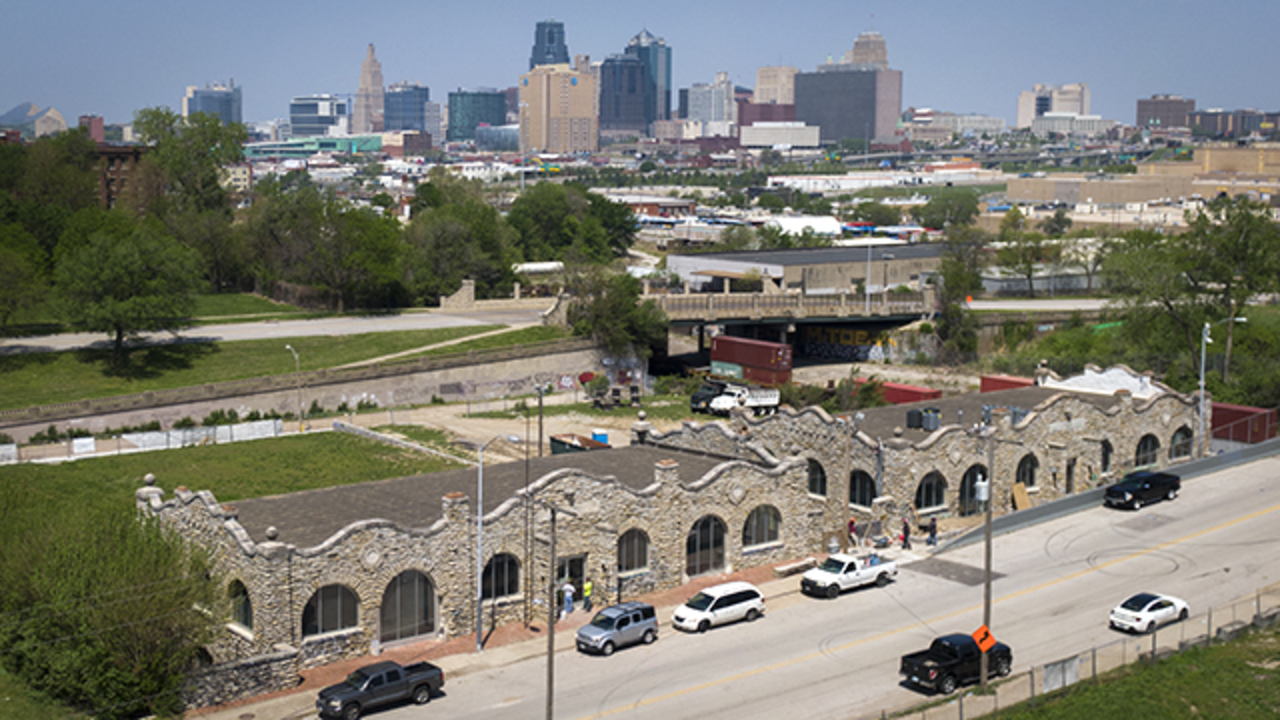
Downtown KC stadium could be coming to one of these sites — and sooner than you think
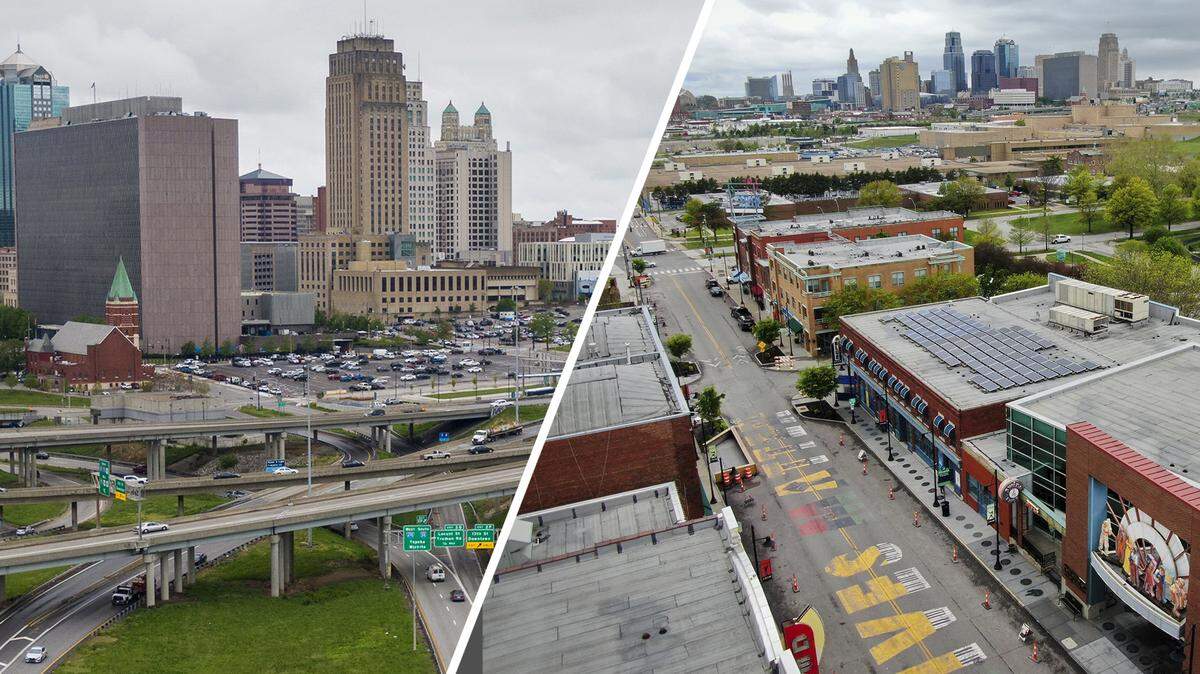
READ MORE
A downtown KC Royals stadium could be coming soon
Major League Baseball is very likely coming to downtown Kansas City — and, if voters approve, that new ballpark could be opening sooner than you might have imagined.
Expand All
Major League Baseball is very likely coming to downtown Kansas City — and, if voters approve, that new ballpark could be opening sooner than you might have imagined.
That’s how things look now, based on majority Royals owner John Sherman’s public comments and accounts of behind-the-scenes conversations that civic and government sources have had with the team.
The Royals will need cooperation from city and Jackson County elected leaders to forge the “public-private partnership” that Sherman stressed will be required to make the project happen.
But where downtown? And when?
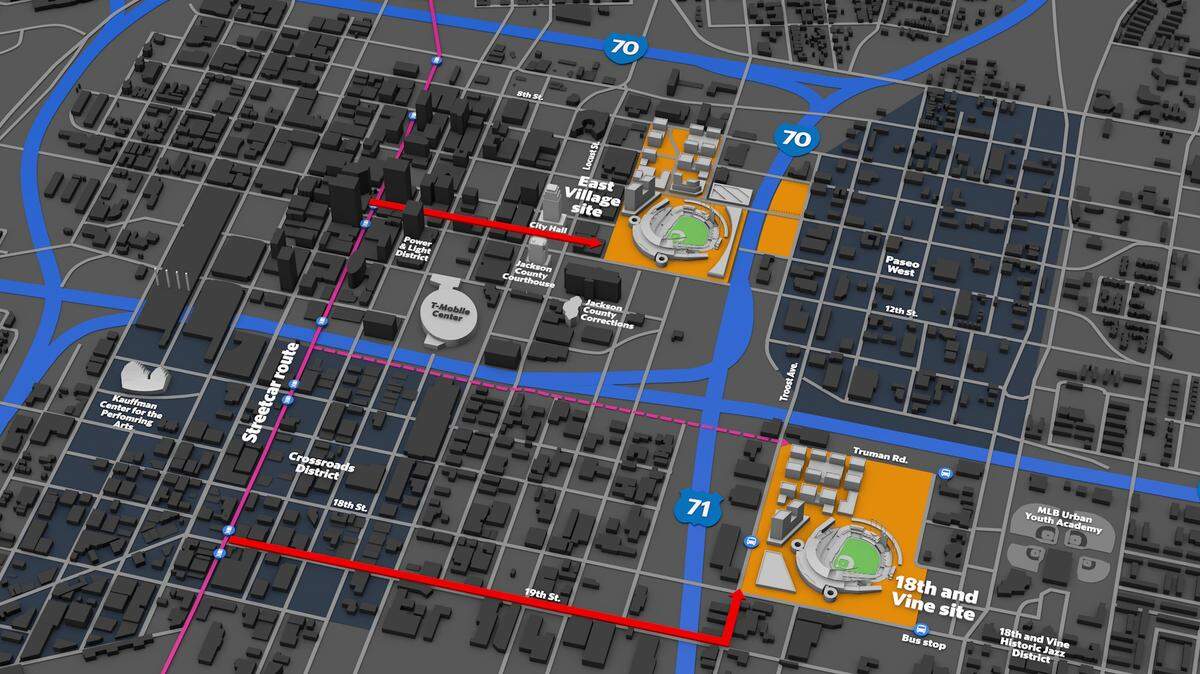
While the team maintains that multiple locations are in play, two sites have dominated their discussions with local officials:
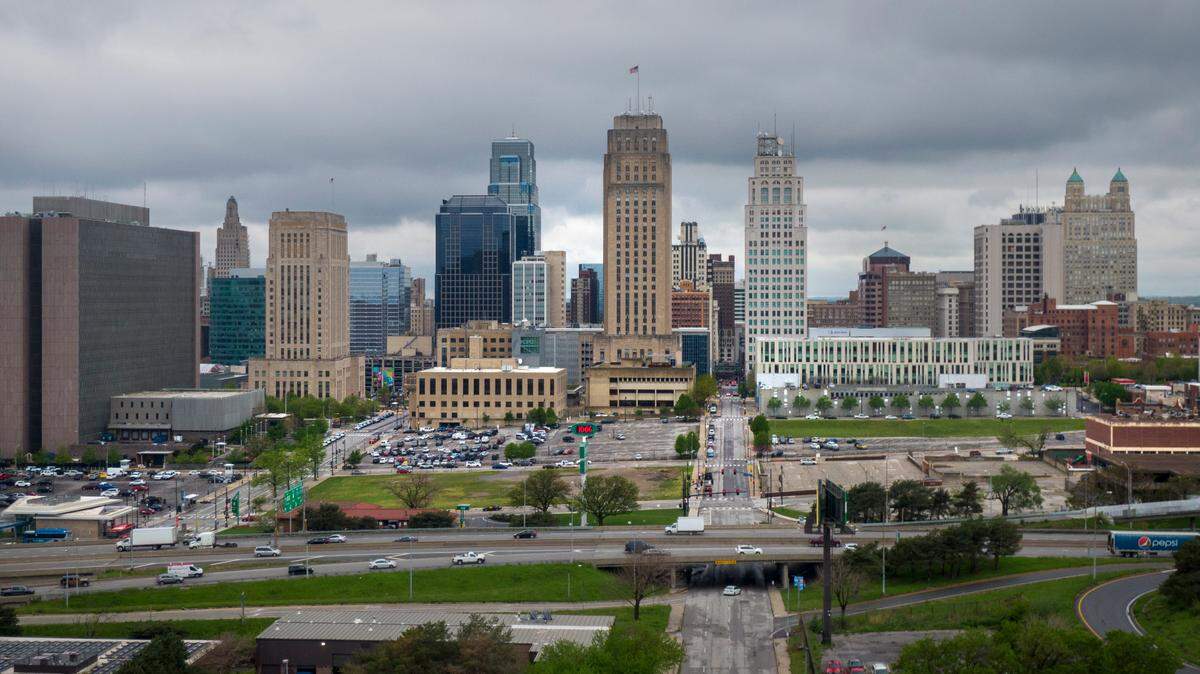
▪ The one that the Royals seem to prefer, according to these sources, is within the freeway loop in an area known as the East Village.
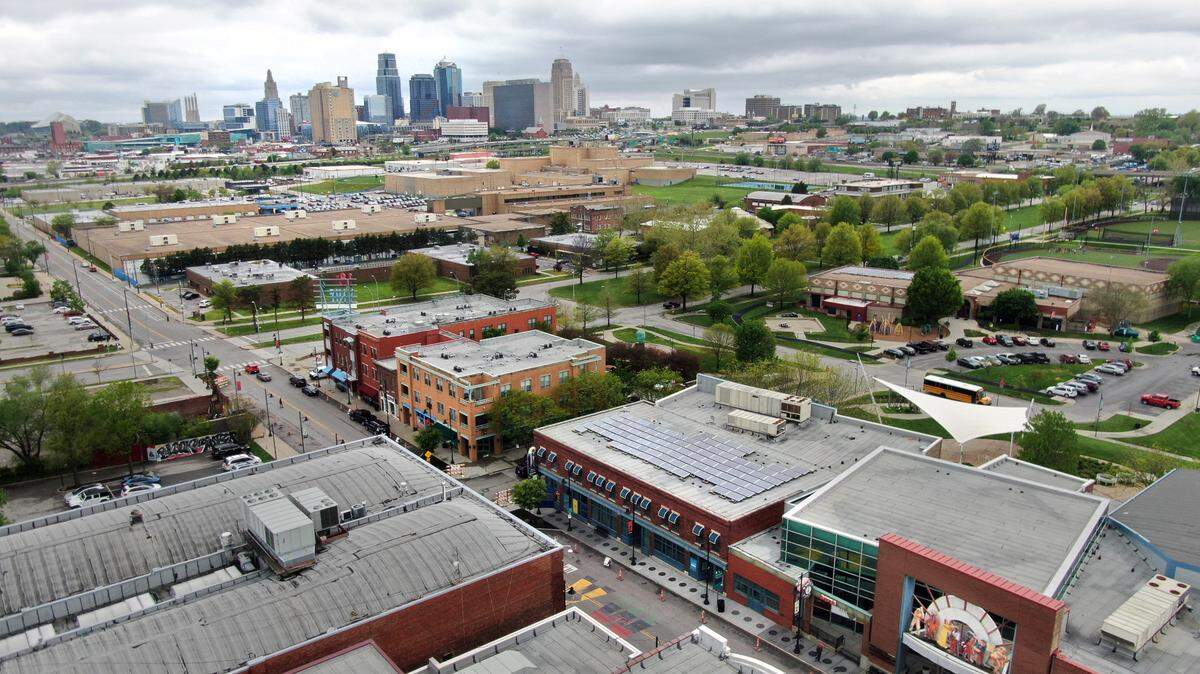
▪ And the one that some politicians are encouraging the team to consider beyond that ring of highways but still close to the downtown skyline, just west of the 18th and Vine Historic Jazz District.
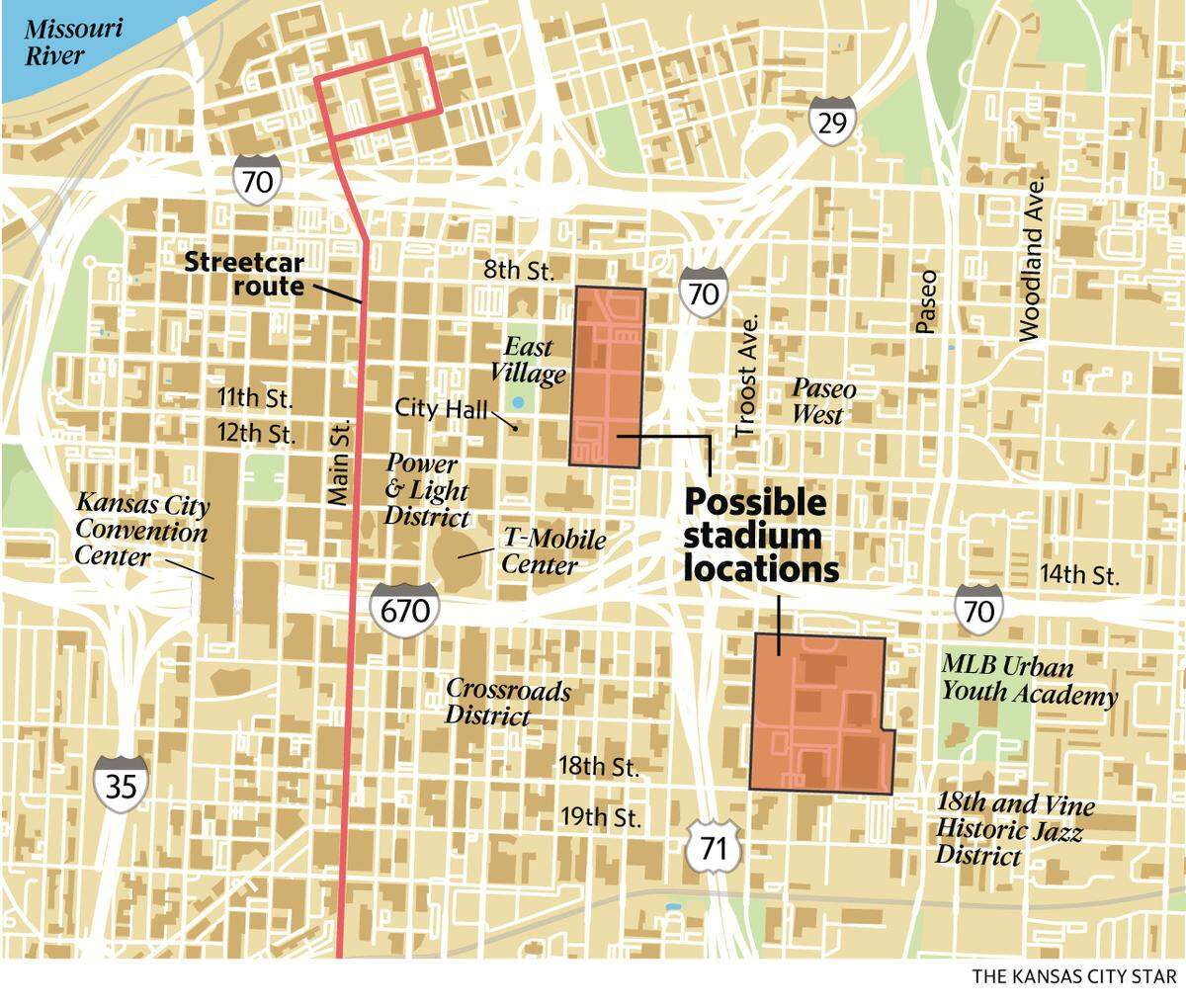
The decision of where to put a new ballpark could be coming sooner than many might have expected. While the team’s lease of Kauffman Stadium doesn’t run out until after the end of the 2030 season, the Royals are considering the possibility of a move in time for as early as Opening Day 2026.
That could mean a ballot issue to extend the current Arrowhead and Kauffman stadiums sales tax later this year or early in 2023.
In response to The Star’s inquiries, the Royals said they have not proposed any ballot measures this year, but confirmed the team could leave Kauffman early.
“There are many factors in and out of our control, but a new stadium could open before the end of our current lease and stay true to our goals of keeping the Royals and Chiefs in Kansas City for the long term,” the team said.
The Royals so far have sought to keep their plans private, meeting in small groups with political leaders, developers and community groups as they build support for a downtown stadium. But that hasn’t stopped public discussion, especially now that the Chiefs are publicly weighing their own future at the Truman Sports Complex.
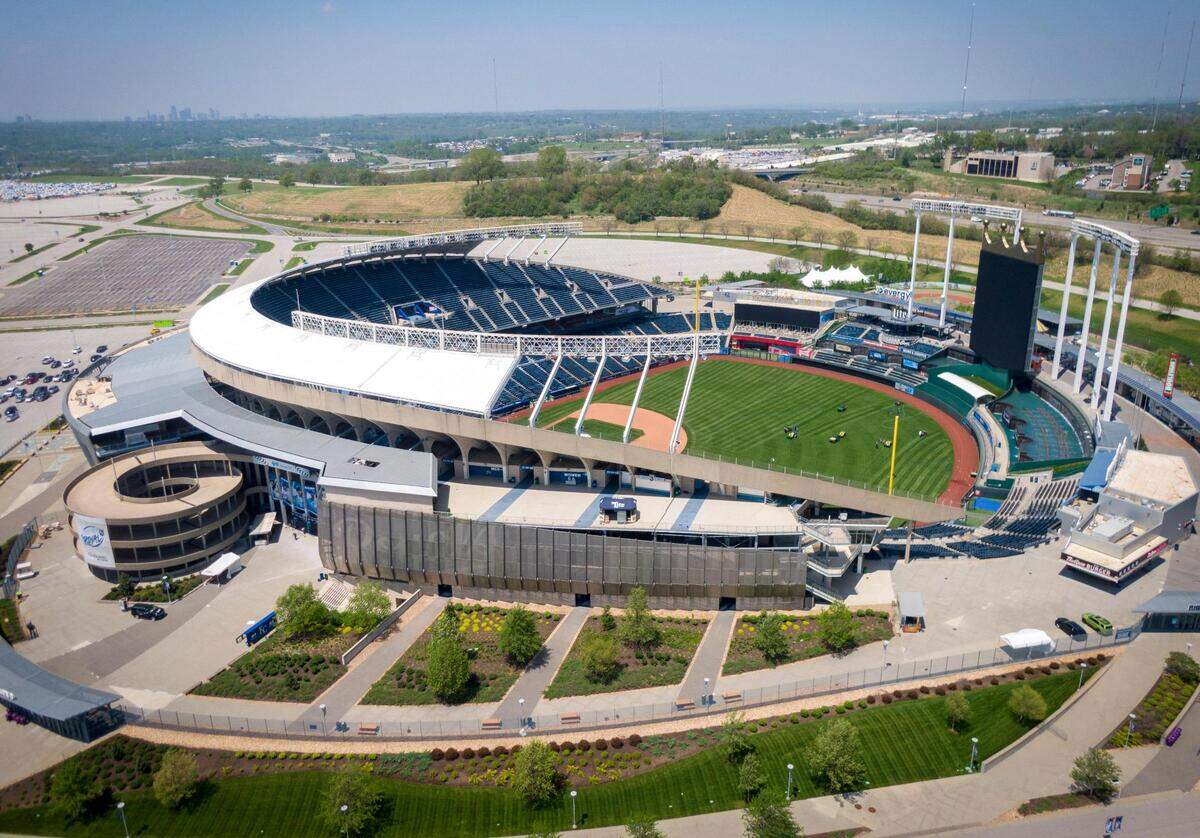
With hundreds of millions of dollars in upgrades, Kauffman could remain the team’s home for many decades to come. But by the time the lease has expired, it will have been 60 years since the club exited Municipal Stadium at 22nd Street and Brooklyn Avenue for the 350-acre site east of the Leeds industrial district, where the Royals and Chiefs have been playing their games since the early 1970s.
Concrete wears out. The amenities added during the renovations a decade ago may not be the desired amenities that fit the demands of baseball fans a decade from now. So rather than investing in another costly upgrade, Sherman has made it clear that he’d prefer that the Royals start fresh and follow the longstanding trend of Big League teams that play baseball downtown.
Kauffman is the sixth oldest of baseball’s 30 Major League stadiums. Of the 24 newer stadiums, 16 have opened since 2000.
The cost of a new ballpark is hard to say. But the newest one to open, Globe Life Field in Arlington, Texas, cost $1.1 billion, which included the cost of a retractable roof.
No matter what site the Royals pick, Sherman said he expected the new stadium to prove transformational. He envisions a ”first-of-its-kind project” that creates a hub of new businesses and uplifts underserved communities.
“We believe a new ballpark could stimulate large-scale growth, reinvigorate neighborhoods, kick start new businesses, and create jobs in parts of the city that have been neglected for too long,” he said in a statement to The Star.
The East Village
The Royals haven’t ruled out other sites, but East Village is the one that the team has focused on more than others.
In some discussions, Royals executives have told community leaders that a stadium there could be accompanied by development spanning across the eastern portion of the freeway loop into the Paseo West neighborhood that could bring new businesses, jobs and homes.
To get an idea of what that could look like, consider a plan from a team of students from the University of California-Berkeley put together for last year’s Urban Land Institute competition. The students contemplated an East Village ballpark with a pedestrian bridge connecting downtown with that East Side neighborhood.
The Royals are also said to be contemplating such a connection to make that part of town more walkable. Land prices have been soaring in Paseo West as a result, public records show.
What the East Village and the Jazz District sites have in common is they’re both under-developed expanses of real estate large enough for a ballpark and have sufficient surrounding land to accommodate further development.
By building a stadium in the East Village, the Royals would essentially be building upon and receiving the benefit of previous investments of the past two decades that have occurred to the west of that site, like the Power & Light district and T-Mobile Center, both heavily subsidized by Kansas City taxpayers.
Local planners have long envisioned the area as a prime location for development of some kind.
On its western flank is downtown’s government district, which includes City Hall, both the federal and county courthouses, the Richard Bolling Federal Building, police headquarters, municipal court and the Jackson County Detention Center.
On its eastern border are interstates 70 and 35. Eighth Street is to the north, 12th Street is on the south. For decades it was home to seedy apartment buildings, fleabag hotels and the abandoned Greyhound bus terminal.
“The trifecta of terror,” is how a downtown booster once described the bus station, the Cherry Hill Hotel and a Valero gas station known to sell cheap booze to teenagers flashing fake IDs.
Then beginning in the 2000s, as some of the seedier buildings were demolished, it was rebranded as the East Village. Construction company J.E. Dunn anchored the western perimeter with a new headquarters, and city officials offered tax breaks to anyone willing to redevelop the rest of those acres.
The area was contemplated as the next home of the Federal Reserve Bank of Kansas City and a new site for workers displaced from the Bannister Federal Complex. But plans for both fell through in the 2000s.
Private-sector plans were also unsuccessful. The city awarded East Village development rights to Swope Community Builders (now known as Community Builders of Kansas City) in 2005.
Teamed with a Minneapolis company and another local partner, Community Builders and its backers announced plans for a $340 million multi-use development that would include 1,300 apartments, 80,000 square feet of retail space and a 175,000-square-foot office building.
The J.E. Dunn headquarters was to anchor the development on its west side. But ultimately, only the Dunn building was erected, along with 50 apartments that Community Builders put up.
The land where the other buildings were to go remains surface parking lots.
Enter VanTrust Real Estate, the development arm of the financial empire created by local car-dealer-turned-business mogul Cecil VanTuyl. VanTrust became co-developer alongside Community Builders for the East Village in 2013 and took over the project in 2017.
Since then, VanTrust has spent more than $10 million buying up most of the land in the area, property records show, through an entity called Block 66 LLC.
VanTrust also has the rights to buy the city-owned land there at predetermined prices.
18th and Vine
Officials at Jackson County and Kansas City Public Schools, along with U.S. Rep. Emanuel Cleaver, want the Royals to select another site they’ve considered near the 18th and Vine Historic Jazz District.
That location is now the operations hub for the Kansas City Area Transportation Authority and, adjacent to that at 1215 E. Truman Road, the former Manual High School, now known as Manual Career Tech Center.
The jazz district location, they believe, would be a catalyst for economic growth in the predominantly Black neighborhoods east of Troost Avenue and better fulfill Sherman’s stated intention to factor community betterment into the team’s decision where to locate its new home.
Team officials repeatedly have talked about the positive community impact they hope the stadium project will have, particularly their aim of helping parts of the city that have been neglected.
One of the most neglected, of course, remains Kansas City’s East Side, where homes were historically red-lined and Black neighborhoods were long ignored.
“During our discussions, Mr. Sherman has made it clear that any decisions the team makes will be driven by the impact they will have on our community, in particular areas that have been historically underserved,” former Royal and now Jackson County Executive Frank White said last fall.
And White’s administration believes the best way to lift up underserved communities is by directly investing in them.
Locating a ballpark near the jazz district would build upon the substantial public investments that have been made over the past 25 years there and connect 18th and Vine to the East Crossroads and the rest of downtown.
“I personally think that it’s going to come down to what type of public-private partnership opportunities become available,” said East Side developer Tim Duggan, who says a stadium at 18th and the Paseo “could be the keystone between the jazz district and the Crossroads and could have profound economic development impact opportunities. Much, much more so than the East Village site, in my opinion.”
The KCATA campus and adjoining school district properties are a combined 12-square blocks, from Truman Road on the north to 18th Street on the south, from Troost Avenue on the west to Lydia Avenue and Grove Street on the east.
That location would likely require the creation of thousands of new parking spaces.
“If you had it at the KCATA site, and let’s say that Manual was part of that,” a top county official said, “you’d have parking, you know, office spaces, residential, whatever, on Truman, and walk right there down into the stadium.”
The timing may work out just right for Kansas City Public Schools, which is mulling school consolidation as part of a strategic plan. School closures will likely affect one or more public high schools. School officials believe they could relocate programs from the underutilized Manual tech building into another high school building.
KCPS Superintendent Mark Bedell said he would prefer to see the stadium go on that site because of its ability to bring reinvestment and jobs to families on the East Side.
“I think it’s a once-in-a-lifetime opportunity to do something that’s truly visionary and a catalyst for a part of the city that so many claim to want to lift up,” he told The Star. “But when we have a prime chance to do it, good intentions often waver and we shift back into doing things based on business transactions and who we are connected with rather than serving the greater good of the city.”
Cleaver said he has met with the Royals to discuss his plans for a new transit corridor that will stretch from Independence to Kansas City, Kansas. The Democratic congressman said he wants to ensure new developments along that corridor, along Independence Avenue and Truman Road, won’t interfere with a new stadium.
Cleaver was unequivocal in his preference for the 18th and Vine site.
“If they’re gonna do it, my ultimate joy would be that they do it in that area,” Cleaver said. “Because they do two things: they build a magnificent stadium and they build up this community around it.”
A longtime advocate for the 18th and Vine district, Cleaver said a nearby stadium would bring more businesses to the area, which could build it up to rival other entertainment districts like Beale Street in Memphis or Jackson Street in Seattle.
“I think it will do magnificent things for the continued development of 18th and Vine,” he said. “It’s going to create new restaurants and businesses down there.”
Cleaver envisions a ballpark atmosphere like Baltimore’s Camden Yards, where the Orioles play near the city’s Inner Harbor. That 1992-era, retro-themed stadium, designed by a Kansas City architecture firm, is widely credited with ushering in a new era of urban stadium design.
Advocates also believe that site could help lure an east-west expansion of the Kansas City Streetcar, which with two funded expansions from the starter line has so far not crossed Troost Avenue, the city’s historic racial dividing line.
One problem: the KCATA site may not even be available.
The transit agency has long talked of leaving its massive central campus in favor of smaller offices and bus maintenance stations across the metro. KCATA recently announced plans to build a new mixed use tower at 10th and Main streets, where it would locate its offices.
The development arm of KCATA is already in talks with a firm interested in building a mixed-use development on its current 18-acre site. KCATA received the unsolicited proposal recently, said Brien Starner, president of RideKC Development.
That potential developer, who Starner did not name, is now doing its homework to see if the site would work for its project and has exclusive first dibs on it for the next six months or so.
“We have a letter of interest and a letter of intent. It’s not a formal project proposal. We don’t have a timeline,” Starner said. “We don’t even know if it’s viable.”
He acknowledged that the site has periodically been mentioned as a potential site for a baseball stadium, but Starner considers any talk of that and other possibilities as just that until someone offers a firm proposal.
“Everybody always wants to talk about real estate they don’t own as if they got a plan for it. And that’s, that’s just how it all works, right? Cities do it, counties do it, developers do it,” he said. “Our view right now is we have to give the full consideration to someone who’s going to take the time to do due diligence.”
Building political support
For months, the Royals have been meeting with leaders in Kansas City’s Black community as they build support for their vision, which they insist would transform the community with new jobs, housing and other development.
Gwendolyn Grant, president and CEO of the Urban League of Greater Kansas City, has so far bought into that vision.
Her initial trust extends, in part, from her trust in some individuals. The man at the table for many of the team’s meetings is Adam Sachs, a Royals senior vice president and chief legal officer. Sachs is a past chairman of the Urban League and is the board chair-elect of the Negro Leagues Baseball Museum.
“I believe that their intentions, their hearts are in the right place,” Grant said. “It is a new day at the Royals. I do believe that they will approach this in a different manner.”
Still, she has high expectations. Grant hopes the project can push minority contractor participation rates well above what the city requires — most city contracts call for 14.7% of work to go to minority-owned businesses.
Grant noted that time and again, the same large companies, such as Burns & McDonnell, J.E. Dunn and Turner Construction, are handed the reins of major projects. If the Royals want to change the Black community, she said more Black-owned contractors need to be given larger roles and influence, to allow them to grow into future major players.
Grant said the Royals didn’t disclose any specific sites to her. But she said she greatly prefers the 18th and Vine area site over one within the downtown loop.
“Location matters because wherever the stadium is, that’s where the money will be,” she said. “...It’s in the primarily Black community. It would help alleviate a lot of blight in that area.”
But the team will likely need to build broad public support to access county or city dollars and bring its new stadium to life.
And so far, the team has said little about what sorts of financial aid it wants.
“A baseball stadium downtown or in the downtown area is certainly compelling and interesting,” said Kansas City Manager Brian Platt. “But it’s complicated and expensive.”
City Hall hasn’t seen any detailed financial data or incentive requests. Likewise, it’s unclear what sorts of infrastructure improvements would be needed to lay the groundwork for a $1 billion stadium. Those details will be crucial in determining city support of the effort.
“It depends on what the ask is going to be for this project. If the project will be financed mostly or fully privately, it’s an easier decision for us,” Platt said. “The more that’s being asked of the city on the financial side of things, the harder it becomes to say yes.”
Platt said he’s impressed with Sherman, the rest of the Royals’ ownership team and their commitment to Kansas City. But the city already has limited resources to tackle seemingly limitless needs.
“We’re supportive of the Royals and everything they’re doing for the city. But we already have limited financial resources to address a lot of our key priorities including crime reduction, housing affordability, job creation and homelessness,” the city manager said. “And we hopefully won’t have to choose between all of those priorities and this project itself.”
City officials hold most of the leverage over many developments, but the county is crucial in the stadium debate. That’s if the Royals want to continue relying on the county-wide 3/8th of a cent sales tax that was the public part of the public-private financing plan that paid for major upgrades at Kauffman and Arrowhead stadiums more than a decade ago.
While the team has been pondering whether the November general election might be a good time to ask voters to extend the stadiums’ sales tax for purposes of building a new downtown ballpark, county officials have been hesitant.
“We don’t think it’s a good idea,” one top county official told The Star, “until we have an agreement for how the funds are going to be used.”
City officials have been less adamant about steering the team to a particular location. But city leaders privately acknowledged that the proposed location of the stadium could impact what amount of city funds — if any — are committed to the project.
What’s the hurry?
One surprising aspect to the discussion is how soon the Royals would like to make a move. At one point, the team was discussing with Jackson County officials the possibility of holding an election this past April.
Currently, there’s discussion of possibly asking county voters at November’s general election to extend the current sales tax for however long it would take to pay the county’s share of helping the Chiefs and Royals build new facilities.
A 2026 opening of the new stadium would alleviate potential concerns that the Royals would have to be on the road for an extended time should Kansas City win its bid to become one of the host cities for soccer’s World Cup competitions that year.
Kansas City matches would be held across the parking lot from Kauffman in Arrowhead Stadium that June and July.

Katherine Fox, who is overseeing the city’s World Cup bid, thinks Major League Baseball can arrange the Royals’ schedule to make it less of a burden.
“We’re obviously not the only market that is going to have to deal with that,” she said. “The Royals have been incredibly supportive. And I think we can work through any issues if they need to be displaced for a short period of time.”
Another possible reason to leave Kauffman early: newer stadiums tend to provide teams with opportunities to boost revenue through the sale of tickets to luxury seats and concession sales.
Manny Abarca, a candidate for Jackson County legislature, expects the question over whether taxpayers should subsidize a new Royals stadium to be a campaign issue this fall, if not as a ballot question then as a topic for county legislative candidates to debate.
While he’s supportive of the potential move downtown, Abarca said Jackson County residents don’t want to see any tax increase from the endeavor. He said he would agree to an extension of the current sales tax.
“If we do it with no new taxation, I’m excited for that potential,” said Abarca, who is also a board member for Kansas City Public Schools. “The reality that we as a county and a city have two major sports teams is incredible and it’s incredibly important we do everything we can to maintain them.”
This story was originally published May 15, 2022 at 5:00 AM.