Did jailhouse snitch send innocent man to prison? It’s happened to 10 others in Missouri
In May 1992, at police headquarters in downtown Kansas City, William Mock had a story to tell.
He claimed Joseph Smith, his cellmate at the Jackson County jail, confessed to driving a car that struck and killed a police officer and another man weeks earlier in Westport. Mock, who was being detained on an attempted burglary charge, was willing to testify.
By then, the 34-year-old Mock had been in and out of jail across the country, including in New York, California and Oregon, for charges like assault, forgery and fraud. He now stood accused of trying to break into an automotive store in the Crossroads with a tire iron.
Months later, Jackson County prosecutors reduced Mock’s felony charge to a misdemeanor, changing their earlier plea offer of four years in prison to probation. There was just one special condition, according to court records: He had to testify truthfully in Missouri’s case against Smith, who was eventually convicted of two counts of second-degree murder.
It’s not clear if Mock actually took the witness stand, but two years later when he was put in a noisy and crowded holdover unit at the St. Louis jail — accused of breaking into a church van and violating his probation — he knew the path to getting out of his charges was “with the prisoners in the cells around him,” according to lawyers who tracked his movements.
Mock moved fast, those attorneys say. He knew how to snitch.
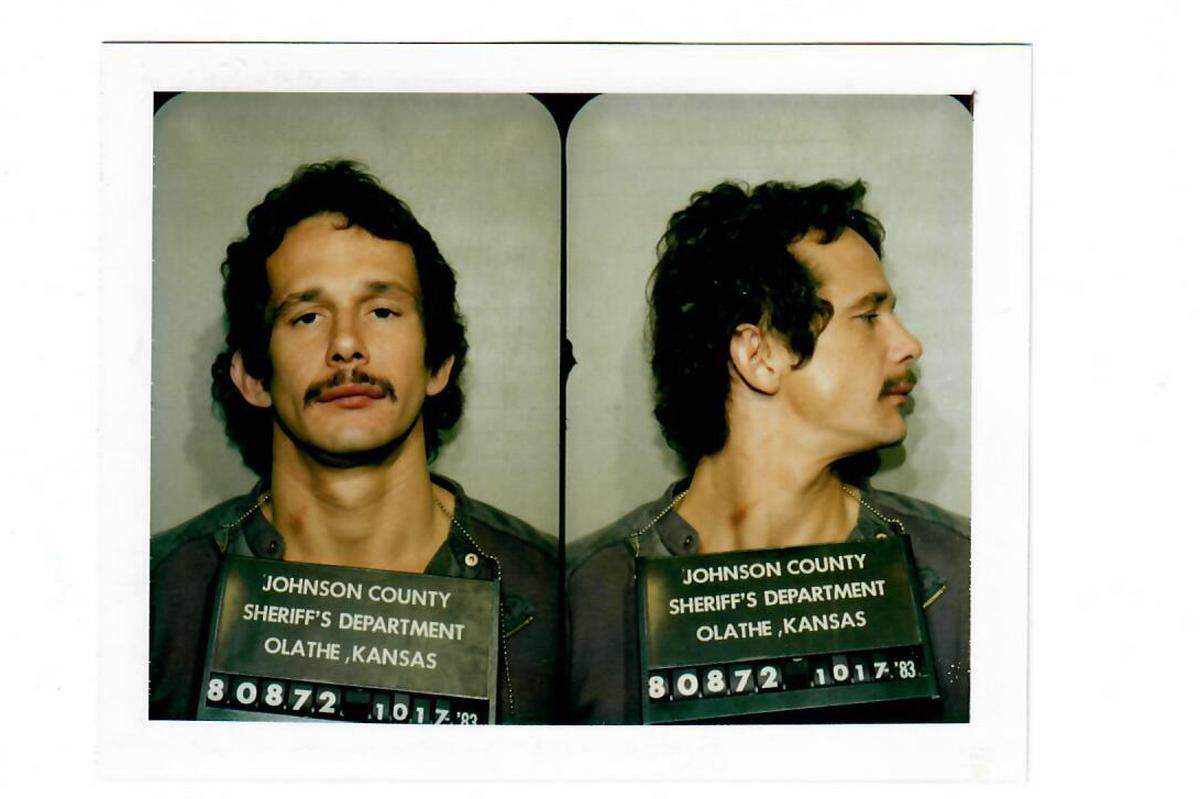
Soon, Mock offered prosecutors valuable, and at times incredible, testimony that would send a man named Lamar Johnson to prison for life. Now, questions are growing about Johnson’s conviction, about the favors authorities granted Mock — who has been described as a violent racist with a swastika tattoo — and about the way prosecutors use jailhouse informants who offer reports of confessions from fellow detainees in exchange for benefits or their own freedom.
Since 1983, dubious testimony from jailhouse informants like Mock has contributed to sending 10 people to Missouri prisons for crimes they did not commit, according to the National Registry of Exonerations. They collectively spent more than 120 years behind bars and account for about a fifth of the state’s 52 confirmed wrongful convictions.
But no one knows exactly how often jailed witnesses are used because there is no centralized record tracking them.
Within days of being thrown in jail, Mock asked to speak to the police. After a detective pulled him out of lockup, he claimed to have overheard Johnson, 20, discussing a homicide with Phillip Campbell, 19, and concocting an alibi with a person named “Lamont.” The next day, Mock again wanted to talk — and, this time, alleged he heard Johnson confess to Lamont.
“Be sure to tell my mother to tell the police that I was with them (his family), when this went down,” Mock claimed Johnson told Lamont, according to a detective’s notes.
There was just one problem, jail logs show: among the dozens of detainees in the cells, there was no one named Lamont.
Nevertheless, Mock’s testimony proved to be crucial in the case against Johnson, who was convicted in 1995 of first-degree murder in the shooting of a man named Marcus Boyd.
Two men, including Campbell, have since repeatedly confessed to killing Boyd and said Johnson is innocent. Shortly after Johnson was convicted, Campbell wrote him a letter that started, “What’s up dude. That’s f—ed up you got convicted when you didn’t do a thing.”
Johnson, who maintains he was wrongly convicted, hopes to be exonerated soon with the help of experienced post-conviction lawyers and St. Louis’ top prosecutor, who has called his continued incarceration a “miscarriage of justice.”
Lawyers and advocates for criminal justice reform say Johnson’s case illustrates the need for safeguards to ensure testimony from jailhouse informants is reliable in Missouri courtrooms.
Several states, including Texas, Oklahoma and Connecticut, regulate the use of jailed witnesses. Kansas has recently come close to joining their ranks. Efforts in Missouri, though, have barely begun.
This last legislative session, Rep. Nick Schroer, an O’Fallon Republican, introduced a bill that would have required judges to hold pretrial hearings to determine if an informant is credible. Co-sponsored by Rep. Kimberly-Ann Collins, a St. Louis Democrat, it also would have ordered prosecutors to track informants and any deals they’ve requested or received. It did not get far, however, and was never scheduled for a hearing.
The Missouri Association of Prosecuting Attorneys opposed the bill and said prosecutors are already ethically obligated to disclose information about witnesses. Its general counsel, Steve Sokoloff, described the proposed hearing as wasteful and said a database to monitor jailhouse informants would be “nearly impossibly cumbersome” to maintain and update.
“Stuff that creates yet new procedural hurdles really needs to be examined very critically to see whether they’re warranted or not,” he said.
Johnson, a soft-spoken man with a graying beard and glasses that he did not need when he entered prison, believes Mock never would have been allowed to testify at his trial had the proposed rules been law 27 years ago. An informant who can point police to a victim’s body or a missing weapon can be useful, he said, but in most cases, they simply claim to have heard admissions of guilt.
“And that’s enough to send somebody to prison for the rest of their life,” Johnson, now 48, said in April as he sat in a visiting room at the Jefferson City Correctional Center. “That’s not right.”
‘The man may be a burglar’
Johnson, who is Black, recalls first laying eyes on William Phillip Mock, a lanky white man, at his two-day trial in July 1995.
At the time, Mock was confined in a Missouri prison for carrying a concealed weapon in Jackson County. He told the jury that his criminal history included at least three felonies.
To Johnson’s disbelief, Mock then testified he heard Johnson shouting from cells away, through the bars, to a “Lamont” that the police did not “have the gun” or the “white boy,” a reference to a witness in the Oct. 30, 1994, nighttime shooting.
“They’re not askin’ the right questions,” Mock claimed Johnson said. “They don’t have s—.”
After hearing this, Mock said, he alerted a jailer who called a detective. The investigator took Mock up an elevator to the homicide unit, where he handcuffed Mock to a table.
In addition to claiming he heard Johnson discuss the killing of Boyd, who was found on the porch of a brick home in the Dutchtown neighborhood of St. Louis, Mock alleged Johnson and Campbell talked about a different murder on the “south side.” Detectives searched their files, though, and could not find that case.
That’s because it “never happened,” according to Johnson’s lawyers, who say prosecutors knew Mock’s testimony was false.
Assistant prosecutor Dwight Warren asked Mock if he had promised him anything in exchange for his cooperation. Yes, Mock testified, a letter to the parole board on his behalf, but that was all.
David Bruns, Johnson’s public defender, asked Mock if he gave his statement as part of a deal. Mock replied: “Absolutely not.”
As the trial came to a close, Bruns told jurors that Mock was a “totally untrustworthy” liar, while Warren painted him as a man who came forward out of the goodness of his heart.
“What motive does Mock have?” Warren asked the jury, soon adding: “The man may be a burglar, he may be somebody that carries a gun … but he’s the man that draws the line. … It was a cold-blooded murder and you draw the line. Even criminals, people in jail, have got some morals and those morals say, you know, enough is enough on this murder stuff.”
Just two years earlier, St. Louis had suffered its all-time annual record for homicides at 267. The jury, after less than two hours of deliberations, found Johnson guilty. He was sentenced to life in prison without the possibility of parole. He has now spent more than half of his life behind bars, watching from afar as his two baby girls grew into adults.
Johnson was convicted before Campbell, the co-defendant who prosecutors say was one of the actual shooters.
Campbell’s lawyers uncovered more of Mock’s past before his trial, discrediting him as a witness. The lone eyewitness also stopped cooperating, and Campbell was able to make a deal. He pleaded guilty to voluntary manslaughter and got a seven-year sentence.
Only later, Johnson’s lawyers say, did it become clear that Mock had “debilitating heroin and alcohol addictions” and a 200-page criminal history, the majority of which was never disclosed to the jury.
And, they say, he got more out of cooperating than a letter to the parole board.
Cause of wrongful conviction
Faulty jailhouse informant testimony can be disastrous and irreversible: A 2004 study by Northwestern University School of Law found that snitches were the leading cause of wrongful conviction in death penalty cases across the country.
Today, nearly a fifth of the 375 DNA exonerations nationally can be traced to cases that involved informants, according to the Innocence Project. When including non-DNA cases, informants played a role in about a quarter of the nation’s 134 death-row exonerations.
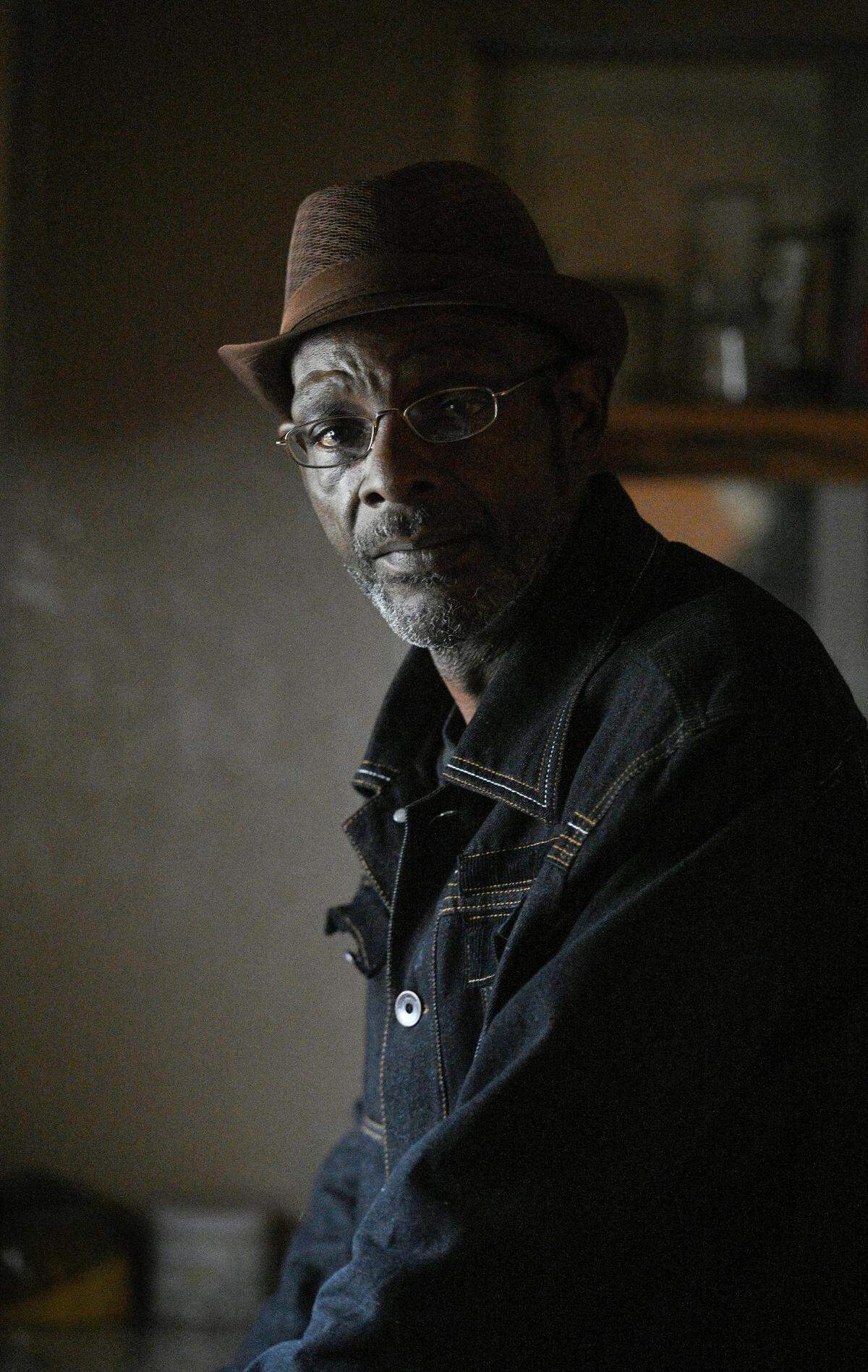
The Northwestern survey noted the case of Joe Amrine, a Kansas City man sentenced to die in a 1986 prison murder based on the word of three informants who later recanted. Amrine, who was freed in 2003 and now works at a hotel in the Crossroads, came within hours of execution.
Sean O’Brien, a University of Missouri-Kansas City law professor who represented Amrine, said compelling evidence showed one of the informants, Terry Russell, was the real killer. Russell was paroled days after testifying against Amrine. Weeks later, he robbed and killed an elderly man in St. Louis and was sent back to prison to serve multiple life sentences.
Another Missourian, Ellen Reasonover, then 26, avoided a death sentence by one vote after two jailed women alleged she confessed to a 1983 gas station murder in St. Louis County. Without physical evidence or eyewitnesses, the prosecution’s case was built on the informants, who had criminal histories and benefited from their cooperation. One of them later died by suicide.
Reasonover spent 16 years in prison before her name was cleared in 1999. Now 64, she believes the use of in-custody informants should be outlawed altogether.
“They will sell their soul to get out of prison,” she told The Star.
Of the eight states that touch Missouri, only Illinois outpaces the Show-Me State in the total number of exonerations tied to jailhouse informants. Those wrongful convictions have cost Missouri’s jurisdictions more than $19 million in settlements.
Defense attorneys across Missouri told The Star of clients who were convicted on the basis of questionable testimony by jailhouse informants.
Attorney Stephen Wyse said a Boone County client of his took an Alford plea — conceding prosecutors had enough evidence to convict him without admitting guilt — last year after three informants claimed to have heard him confess. One of them said the defendant used sign language to express guilt about dreams of the killing. Wyse said his client does not know sign language.
Tricia Rojo Bushnell, executive director of the Midwest Innocence Project who is among the lawyers representing Johnson, said the amount of pushback from prosecutors to reform shows “how much they rely on that kind of testimony.”
Mike Mansur, a spokesman for the Jackson County Prosecutor’s Office, said jailhouse informant testimony is “rarely ever” used today in its cases.
St. Louis County Prosecuting Attorney Wesley Bell, one of the state’s most progressive prosecutors, said he would generally support statewide safeguards relating to jailhouse informants, such as tracking their use, to ensure “that we are getting it right.”
But Bell said jailed witnesses can be valuable if their information is corroborated. He pointed to a case in which a jailed man warned prosecutors that Deonte Taylor, a former teacher’s aide convicted in April of sodomizing a student, allegedly offered to pay the man to kill the child victim and his mother in 2019. Prosecutors were then able to charge Taylor and his boyfriend with conspiracy to commit murder.
“That information, for all intents and purposes, likely saved two lives,” Bell told The Star.
Sokoloff, of the prosecuting attorney’s association, said most prosecutors do their due diligence and examine the reliability of informants, who he described as not popular with juries because they are viewed with a “high degree of skepticism.”
When Sokoloff was Dunklin County’s prosecutor from 1990 to 2014 in the Missouri Bootheel, “lots” of detainees claimed to have information. He’d weigh what they were asking for and the nature of their charges, among other things. He estimated he presented less than half of their information.
“Of course, the other part of it is the strength of my case without him,” Sokoloff said. “If I’ve got a good case, I’m not gonna junk it up with a jailhouse informant.”
‘Startling leniency’ for information
Across the state line, Kansas lawmakers last year weighed reform after hearing from the relatives of Olin “Pete” Coones, an innocent Kansas City, Kansas, man who spent 12 years in prison.
A jailhouse informant with a history of criminal dishonesty, who a Butler County prosecutor once called a “bit nutty,” claimed Coones confessed to him in a double homicide. He took the stand, even though the story he told was inconsistent with the evidence.
Behind bars, Coones fought to clear his name and get home to his wife and their five children. In November 2020, a judge declared him innocent and he was freed. He died 108 days later from cancer that went undiagnosed during his time in prison.
A bill brought to lawmakers would have required prosecutors to disclose information about jailhouse informants, including benefits they received and other cases in which they testified. That information would have then been logged in a database maintained by the Kansas Bureau of Investigation.
“Opposing this bill,” Coones’ daughter, Melody Bitzer, told legislators, “could quite literally mean life or death for an innocent person.”
In testimony urging action, lawyers described cases in which informants got a “startling amount of leniency” for serious crimes. One told of a serial informant who for 15 years was in a cycle of getting arrested for often violent crimes, being released after informing and then committing more offenses.

For repeat snitches, information is a commodity, said attorney Lindsay Runnels, who helped free Coones in Wyandotte County and for years has represented Lamar Johnson.
“And they sell it,” she told The Star.
The Kansas House unanimously passed the legislation, but it stalled in the Senate.
Prosecutor: Lamar Johnson is innocent
When an investigator looking into Johnson’s innocence claim tracked down a woman who had dated William Mock, the informant in his case, she instantly asked about Johnson’s race.
Then, the former girlfriend described Mock as racist and said he claimed to be part of the Aryan Brotherhood, the white supremacist prison gang. She also revealed that Mock beat her when he learned she previously dated a Black man.
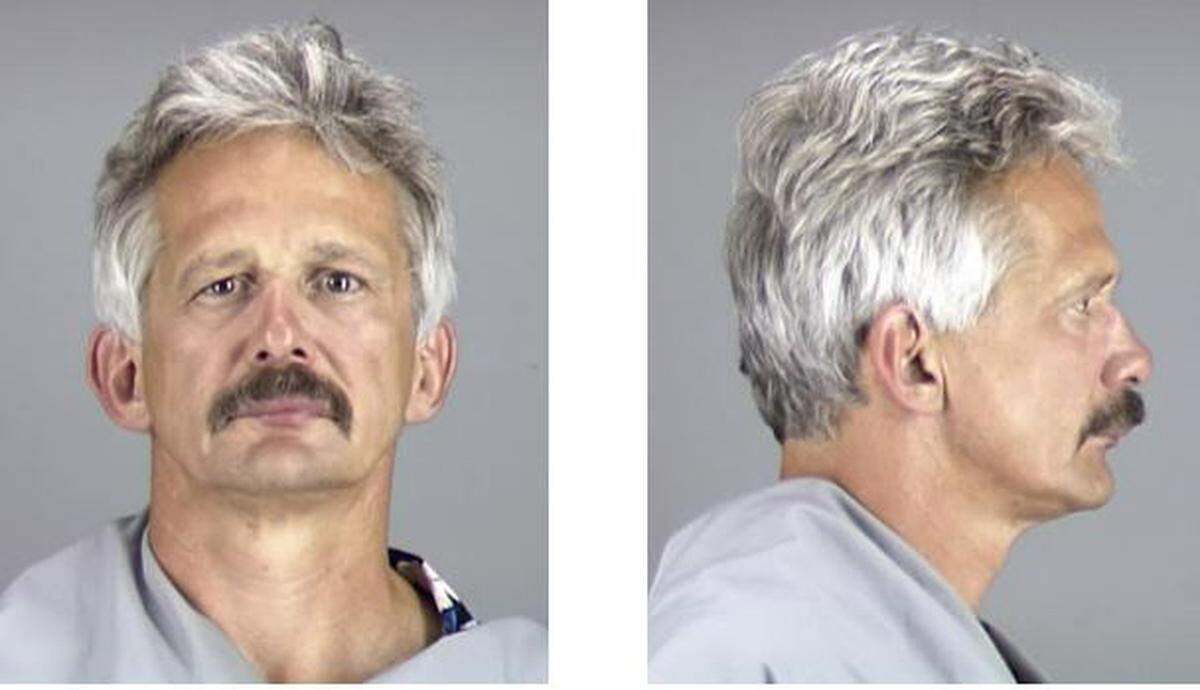
Mock’s background was significant to St. Louis Circuit Attorney Kim Gardner’s review of Johnson’s conviction, which she launched in 2018.
The next year, her office said it found, among other misconduct, that her predecessors failed to disclose Mock’s “extensive” criminal record, assistance he received from prosecutors and his history as a jailhouse informant. Mock’s informing in Jackson County two years earlier, her office added, was done under “bizarrely similar circumstances.”
Her office’s 2019 report on the case, and Johnson’s court filings, lay out the extent to which Mock thought he was involved in the St. Louis prosecution — and the benefits he expected in return.
Ahead of Johnson’s trial, Mock penned a letter to the circuit attorney’s office and vowed he would testify “articulately, accurately and honestly” under one condition: he not be sent back to prison.
“I pray we succeed in our endeavor to convict these two,” he wrote in another letter.
In his correspondence to prosecutors, Mock did not attempt to hide his racial hostility, at one point calling Johnson a “two-bit” N-word.
While Mock was in jail, prosecutors gave him coffee and cigarettes. After Johnson was convicted, they intervened on Mock’s behalf in DOC disciplinary matters and asked that he be moved to preferred prisons.
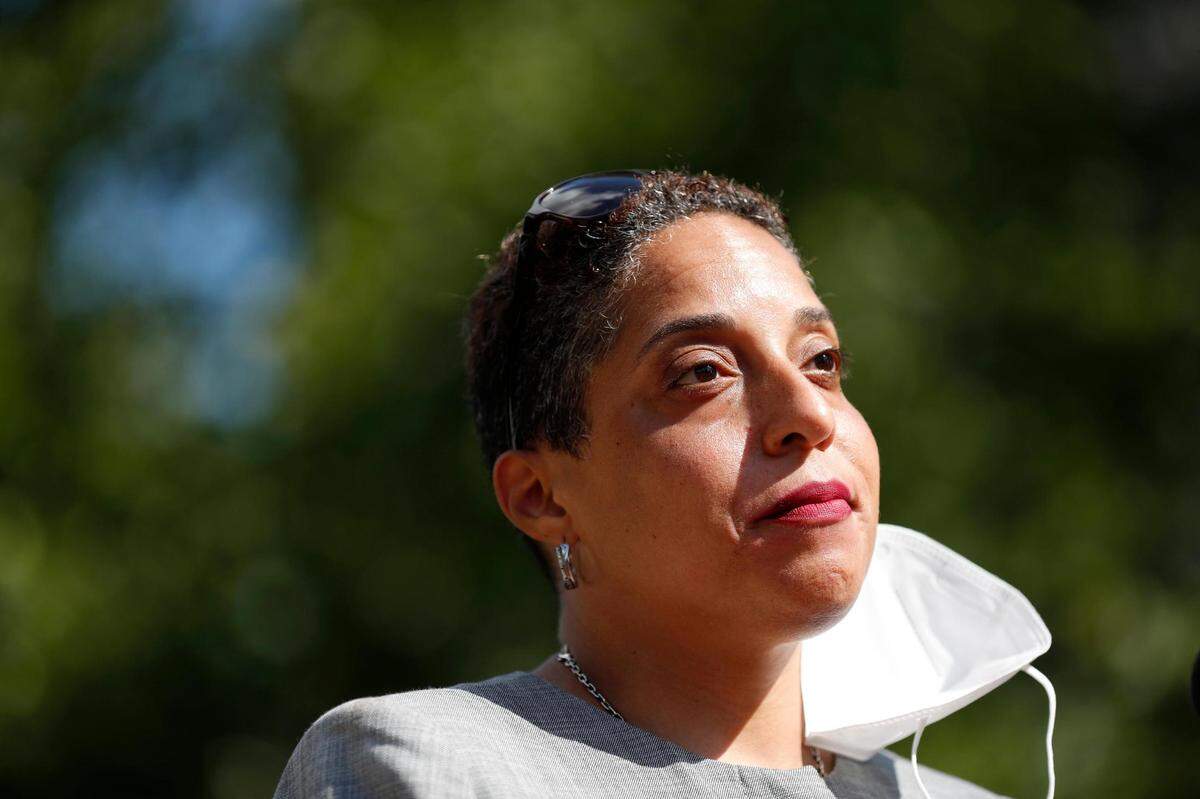
Gardner’s conviction integrity unit also learned that, for more than two decades, Campbell and another man, James Howard, credibly confessed to shooting Boyd alone and provided a motive. Howard, who was never charged in Boyd’s killing, is in prison for a homicide committed three years later, in 1997. Johnson — now the only person behind bars for Boyd’s murder — had “nothing to do” with the crime, Gardner’s office concluded.
In a 2020 opinion piece, Dwight Warren, the former assistant circuit attorney who prosecuted Johnson, said just because Gardner filed a motion for a new trial does not make Johnson’s innocence claim “true.” He took issue with Gardner’s accusation that he failed to divulge Mock’s crimes.
“The motion cites 63 examples of Mock’s criminal history, six of which were revealed to the defense,” Warren wrote in the St. Louis Post-Dispatch. “Of the remaining 57 incidents, almost all of them were either dismissed, or no charges brought, or were for ordinance violations that were not required to be disclosed.”
One of the incidents that Gardner said was not disclosed occurred in 1988, when Mock allegedly assaulted and “severely” beat a fellow detainee at the Platte County jail. Missouri probation and parole records also indicate that Mock, who at times went by the alias James Robb and donned a mustache in most of his mugshots, was once accused of burglary in Honolulu, Hawaii.
Mock’s violence was not contained to jails. In 1993, he allegedly kicked in a former girlfriend’s front door in Kansas City’s Central Hyde Park neighborhood, grabbed her around the throat and stole her handgun and hundreds of dollars. She later told a KCPD robbery detective that Mock had threatened to kill her “many times.”
“I have hired armed security companies to sit in my living room so I could sleep at night,” the woman said.
Gardner has said she would seek to vacate Johnson’s conviction under a new state law that last year led to the exoneration of Kevin Strickland in Kansas City. Her office declined to comment on why she has not yet filed that motion.
Johnson’s lawyers are seeking to free him through another avenue in Cole County. An evidentiary hearing, during which Johnson will present his new evidence, had been set for early June in that case, but it was delayed.
When that hearing comes, his lawyers will go up against the Missouri Attorney General’s Office, which contends he is guilty. Among its arguments, it said Johnson has not presented “new, reliable evidence” that Mock committed perjury on the witness stand.
Johnson’s attorneys say Mock also lied when he said he had never testified or been a witness in a criminal case before. The AG’s office, though, said they have not shown that Mock actually testified in Kansas City.
“Even if Mock did testify in a Jackson County criminal case, there is no reason to believe or expect that a prosecutor in St. Louis City had any knowledge of Mock’s agreement to testify in Jackson County,” the AG’s office argued.
Additionally, the AG’s office said Johnson’s trial would not have ended differently had Mock’s testimony been called into question with “some additional minor crimes.”
“The jury knew that Mock was a repetitive felon,” the office wrote.
‘This one’s for you, Lamar’
Today, Johnson works six days a week as prisoner 516846 at a center for Braille and narration, transcribing for the blind and helping create large print books for the visually-impaired.
If he’s freed, he plans to care for his ailing mother and see the ocean for the first time.
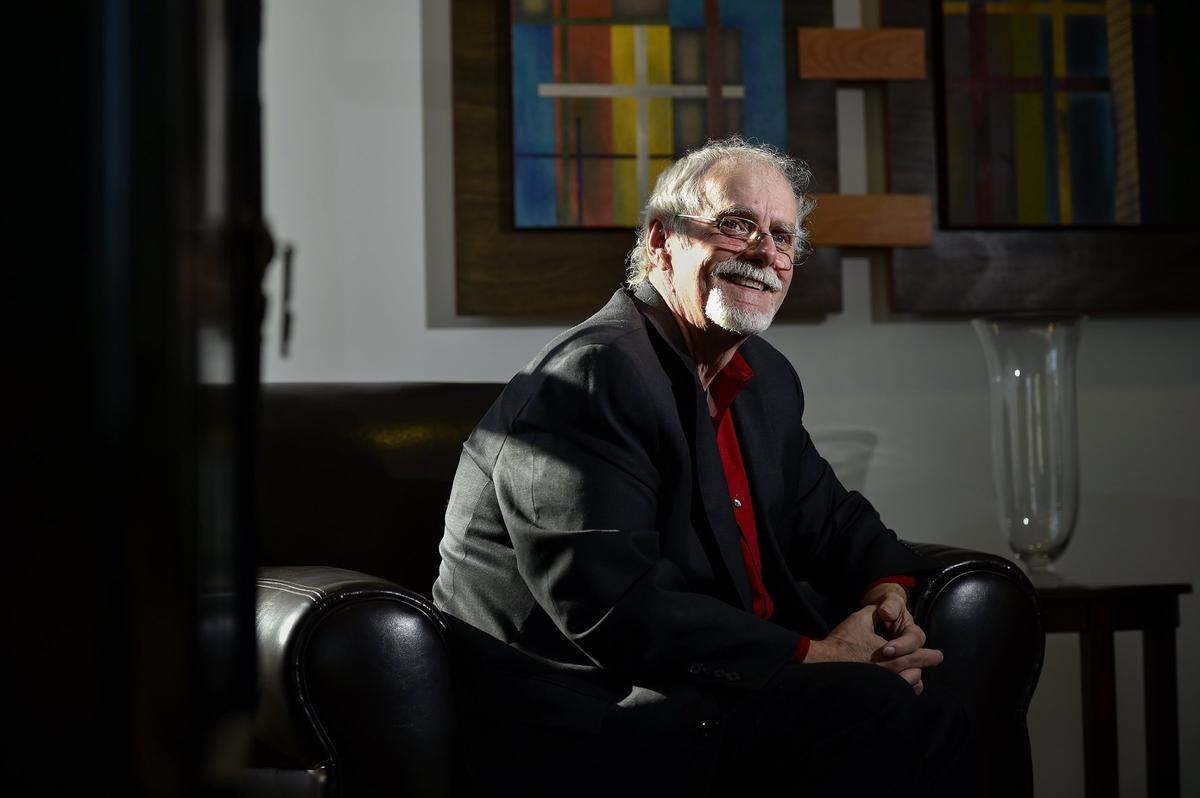
Rodney Lincoln — whose sentence was commuted in 2018 after he presented compelling evidence that he spent 36 years in prison for a St. Louis murder he did not commit — has challenged Johnson to skydive with him. When he jumped out of a plane in September, Lincoln, who is 77, wanted to make sure Johnson was there in spirit. So as he fell toward the earth, his mostly-white beard moving with the air, Lincoln wore a shirt that read, “This one’s for you, Lamar.”
“Lamar Johnson is another example of the flaws of our justice system,” Lincoln told The Star months later. “He’s proven his innocence but yet, no one wants to say, ‘Oops. We made a mistake.’”
As for Mock, he died in October 2000 at age 43 after he drove an SUV off a boat ramp into Longview Lake in southern Jackson County.
Earlier that day, the red 1997 GMC Jimmy had been reported stolen from a Kansas City car dealership about 10 miles away. It was then seen ramming vehicles in a convenience store parking lot along the road leading to the marina. When the SUV went into the lake, witnesses swam toward Mock, but he disappeared for a time under the cold water’s surface. He later died at a hospital.
“He just drove right down into the water,” Capt. Rick McLaughlin said at the time. “We don’t know if it was intentional.”
Mock’s “deadly plunge,” as a headline put it two days later, left the police puzzled.
This story was originally published June 5, 2022 at 5:00 AM.