Family of late Kansas exoneree says jailhouse informant bill could have saved his life
When Olin “Pete” Coones, Jr., was locked behind prison walls for a Kansas City, Kansas, murder he did not commit, the state reduced his identity to an offender number, his daughter said: #93985.
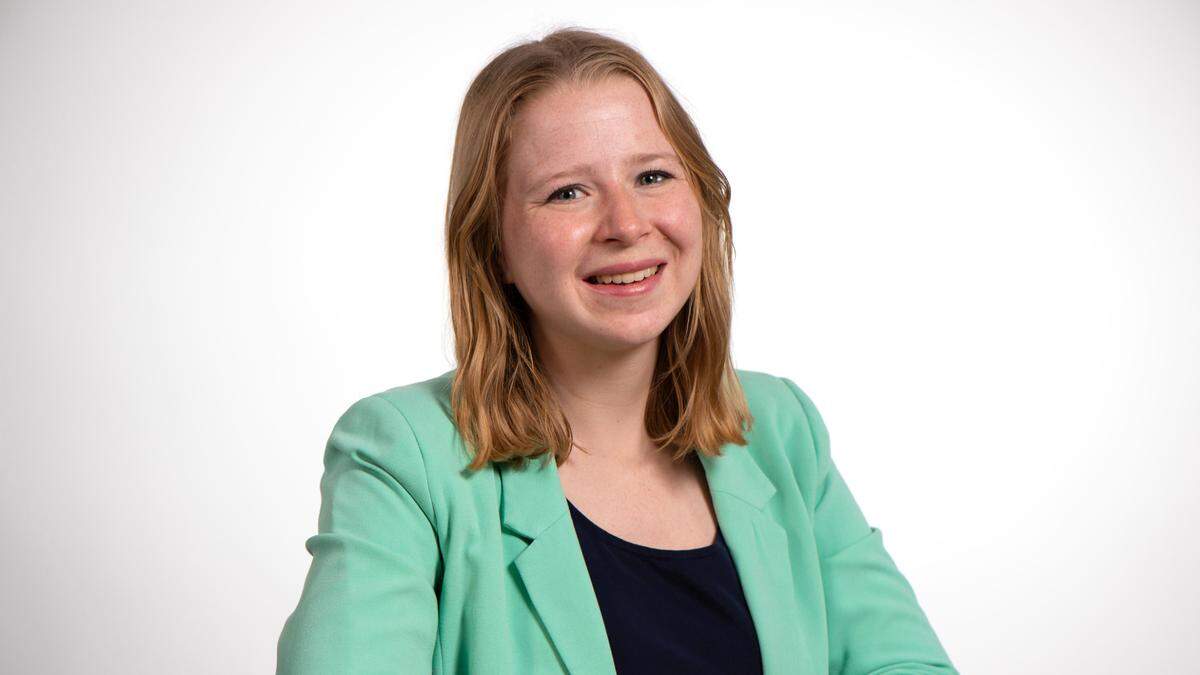
“I, however, have my own series of numbers,” Melody Bitzer told a panel of Kansas lawmakers Tuesday.
“12: that’s the number of years my dad was wrongfully imprisoned. 14: that’s the age I was the day my family was torn apart. 27: the age I was when the truth was finally released to the public. 108: the number of days my father was allowed to be the free, innocent man that he was, before the cancer that went undiagnosed and untreated during his wrongful incarceration took his life permanently.”
That, Bitzer said, brought her to 2366 — the number on a bill before the House Judiciary Committee that, had it been law in 2009, could have prevented her father’s wrongful conviction. He might still be alive today, she said.
“Opposing this bill could quite literally mean life or death for an innocent person,” Bitzer said.
The legislation would require prosecutors to promptly disclose to defense attorneys specific evidence relating to jailhouse witnesses. Coones was wrongly convicted, in part, because the Wyandotte County District Attorney’s Office turned to a jailhouse informant it had been warned was not trustworthy, and who a prosecutor threatened with jail time if he did not cooperate.
Coones was freed after his attorneys argued he was framed in the 2008 deaths of Kathleen and Carl Schroll, who were found dead in their Kansas City, Kansas, home. They revealed the shooting was more likely a murder-suicide carried out by Kathleen.
The informant, Robert Rupert, had a history that included 15 crimes of dishonesty, Coones’ lawyers said. But he was put on the stand and claimed Coones confessed to the killings while they were jailed together. His testimony, though, included serious inconsistencies.
Under the bill, prosecutors would be required to disclose the criminal history of a jailhouse witness, including pending or dismissed charges; benefits the witness has requested or will receive; and information about other cases in which the witness has testified. That information would then be sent to the Kansas Bureau of Investigation, which would maintain a statewide database.
Additionally, if a prosecutor intends to put a jailhouse informant on the stand in a murder or rape case, a judge would conduct a pre-trial hearing to determine if the witness’ testimony shows reliability. It’s something Illinois and Connecticut require in serious cases.
Other states, such as Texas and Nebraska, already require prosecutors to maintain records of testimony from jailed witnesses and any benefits they received, according to the Midwest Innocence Project, which helped free Coones and is a proponent of the bill.
The bill was proposed in the legislature last year but was one of several that was halted as COVID-19 cut the session short.
House leadership allowed the bill to stay alive past the mid-session deadline, signaling that it may be a priority this year.
After Tuesday’s hearing on the bill, Rep. Fred Patton, a Topeka Republican and chair of the House Judiciary Committee, said his committee could vote on the bill and send it to the full House as soon as next week. But he wants to review it first.
“It’s just truly heartbreaking the things that could happen to somebody and we know it does, and if there’s a way we can minimize the likelihood of that then we certainly need to figure out how to do that,” Patton said. “I just want to make sure it’s not too much of a burden on anyone and it’s things we can effectively do.”
Safeguards and transparency
Since 1989, jailhouse informants have played a role in 200 known wrongful convictions, Elizabeth Powers, state campaigns director for the national Innocence Project, told committee members, citing data from the National Registry of Exonerations.
The bill, Powers said, does not stop the use of jailhouse witnesses, but it “simply implements safeguards” and transparency around their testimony. It would also improve efficiency in the legal system, she said.
“When everything is done right at trial, there’s more accurate outcomes,” Powers said, noting there are then fewer appeals and payouts to the wrongly convicted. “This bill really does benefit the entire justice system.”
Last year, for example, Kansas paid $1.55 million to Lamonte McIntyre, who spent 23 years in prison for two Kansas City, Kansas, murders he did not commit.
“I know people are sitting in prison right now based on lies told by jailhouse witnesses who they never met,” McIntyre told lawmakers last year when they were considering the bill.
The KBI, which would maintain the statewide jailhouse witness database, has not taken a position on the bill, said spokesperson Melissa Underwood. The agency estimates maintaining the database would initially cost $182,180 for licensing, training and installation. Ongoing costs are expected to be $29,520 annually, Underwood said.
The Kansas County and District Attorneys Association has also not taken a position on the bill.
After looking at the legislation, Leavenworth County Attorney Todd Thompson said many of the requirements in the bill should already be performed by prosecutors. He said he does not know of any prosecutor who would want to use false allegations.
“Prosecutors must be really mindful on what evidence they use and testimony is presented,” he said in an email. “When people testify, we must assess the reliability and the motivation and assure the defense is aware of these factors as well.”
Tricia Rojo Bushnell, executive director of the Midwest Innocence Project, said the legislation would allow prosecutors to track how often jailhouse informants are called to testify across the state. At the moment, there is no system in place to trace them.
‘One of the most serious mistakes’
Rep. John Carmichael, a Wichita Democrat and practicing attorney, said he had been concerned about the power of jailhouse testimony since his time as an intern at the Sedgwick County courthouse. Far too often, he said, it is the “nail that closes the lid on the first-degree murder coffin.”
Carmichael said he saw a high likelihood the bill will pass through the House as it had a low price tag and support of the typically conservative group Americans for Prosperity, which played a key role in pushing for compensation for the wrongly convicted.
The testimony of Coones’ family, Carmichael said, deeply affected him and the other committee members. It showed the consequences of wrongful convictions, which he called “one of the most serious mistakes we can make as a government.”
“It was one of the most powerful testimonies that I have seen in my eight years on the judiciary committee,” Carmichael said.
In an interview after he was exonerated in November, Coones called on Kansas lawmakers to create a statewide database. He said he would never know how many other defendants Rupert, the “snitch” in his case, testified against.
“There’s no way to find out,” Coones told The Star.
After his release, Coones wanted to dedicate the remainder of his life to ensuring no other family endured what his did; he was excited to get involved in the movement to free the wrongly convicted. He didn’t get the chance, his family said. He died of cancer at age 64.
“But we hope that this law can be his legacy,” his relatives wrote in a statement Monday, adding that they did not want his 12 “long years” in prison to be in vain.
“That some good will come of it. That’s what Pete would’ve wanted.”
For Coones’ daughter, she did not understand everything that happened at her father’s trial when she was 14. But now as an adult, she told lawmakers Tuesday, it pains her that “lies are valued higher than the truth.”
“I’m angry there’s still nothing in place to protect innocent people from this happening over and over and over again,” Bitzer said.