Innocence is ‘not enough’ to free prisoners in Missouri. This bill would change that
When a Missouri appeals court in 2016 declined to release prisoner Rodney Lincoln, it devastated Melissa DeBoer, who had testified against Lincoln but came to believe he was innocent in her mother’s murder.
While the appeals court considered evidence of Lincoln’s innocence compelling, it did not exonerate him in JoAnn Tate’s 1982 killing in St. Louis because he was not on death row.
The legal conundrum crushed DeBoer. She almost took her life that year, she told state lawmakers Monday in Jefferson City.
“I was victimized again and again. I wanted so much to do something, anything, because I had identified the wrong person,” DeBoer, who was 7 when her mother was killed, said through tears, later adding: “It tore my soul apart.”
DeBoer recounted the shock of that 2016 ruling during a Senate committee hearing for a bill that would allow prisoners to bring a claim of actual innocence to court — even without an accompanying violation of due process. The majority of other states already permit that.
Missouri is the only state in the country that restricts innocence claims without a constitutional violation to prisoners facing execution, said Tricia Rojo Bushnell, executive director of the Midwest Innocence Project, which represented Lincoln.
The bill that would change that is sponsored by Senate Minority Leader John Rizzo, an Independence Democrat. Currently, prisoners serving 150 years — who will die in prison — are not afforded the same claims as those on death row, he noted.
Michael Wolff, a former Missouri Supreme Court judge and chief justice, said that “really doesn’t make any sense.”
Wolff and 15 other retired circuit, appellate and state supreme court judges sent a letter to lawmakers in February saying they are “troubled by the lack of a viable legal remedy” for people with evidence of innocence.
“This innocence-isn’t-enough standard means people who have strong evidence of their innocence, but lack an underlying due process violation, have no legal path to relief — even in the clearest cases of actual innocence,” they wrote.
The ability to file a petition solely based on innocence has been established in other states, through case law or legislation.
In 2003, lawyers in Missouri believed innocence alone was a claim to free prisoners when Joe Amrine, of Kansas City, was exonerated from death row for a prison murder he did not commit. That was until freedom was denied to Lincoln, when the appeals court interpreted the Amrine case to mean innocence claims alone could only apply to death-row prisoners.
Then-Gov. Eric Greitens ultimately commuted Lincoln’s conviction, saying he had served 36 years “for a crime he did not commit.”
But the legal decision in his case has become a significant barrier to freeing innocent prisoners in Missouri, lawyers say.
It has blocked incarcerated people, such as Chris Dunn, from winning their freedom. Dunn, who maintains he is innocent, has been imprisoned for more than 25 years in the 1990 fatal shooting of a 14-year-old boy in St. Louis.
Judge William Hickle in 2020 agreed a jury would likely find Dunn not guilty given his new evidence. But Hickle declined to exonerate him because of the legal precedent. It meant Dunn would have been better off had he been awaiting execution, as opposed to his sentence of life in prison plus 90 years.
Lawmakers on Monday also heard from Ricky Kidd, a Kansas City man who spent 23 years in prison for a double murder he did not commit. Kidd said his path to freedom included 12 years of his case winding its way through a court system that focused “primarily on whether or not I could even be in court, and not on the evidence of my innocence.”
During those years, Kidd lost out on time with loved ones, including with his step-father, who had hoped he would live long enough to see his release. Kidd was exonerated and freed in 2019.
“Please take judicial notice of this conundrum and help make it right,” he said. “Not just for those who are believed innocent, but for the integrity of our justice system and for the best example of doing the right thing here in Missouri.”
No one testified in opposition to Rizzo’s bill.
Testifying for informational purposes, Darrell Moore, executive director of the Missouri Association of Prosecuting Attorneys, said prosecutors support the bill’s concept, but asked that its wording be changed to clarify when innocence claims can be raised.
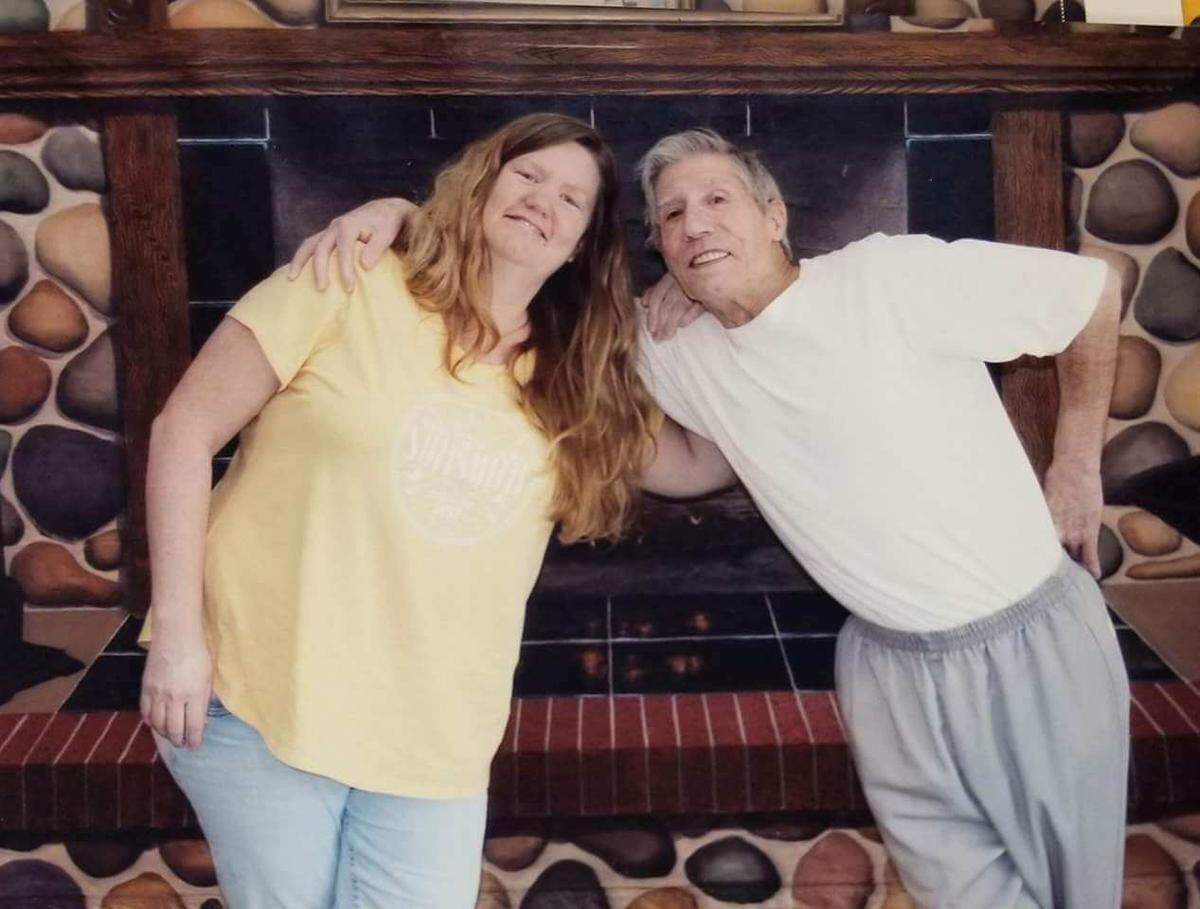
Rodney Lincoln, now 78, wanted to testify in support of Rizzo’s bill, but he remained Monday in a hospital recovering from pneumonia, said his daughter, Kay Lincoln. She said he suffered a host of medical problems while wrongly behind bars, and that had his innocence been recognized two or three years earlier, it would have meant “the world right now.”
“No family should ever have to live through that nightmare of having your loved one in prison, innocent, knowing they’re innocent and having proved their innocence, and have the state tell you: ‘That’s not enough for them to come home.’”
This story was originally published April 4, 2022 at 5:30 PM.