Morticians beef up security as violence, fueled by revenge, escalates at funerals
READ MORE
‘Enough is enough’
As gun violence rocks their communities, funeral directors take action for peace
Expand All
On July 18, a dispute among mourners at Serenity Funeral Home on East Bannister Road in Kansas City escalated into gunplay. When the shooting ended, one injured person was taken to the hospital.
Two weeks later in Indianapolis, five people — including a 4-year-old girl — were shot outside a funeral home during a fight in the parking lot.
The shootings were among more than a dozen at funerals and funeral-related events in the United States reported by the media from June 2020 to August 2021.
The code of not interrupting the bereaved at a funeral? It’s broken.
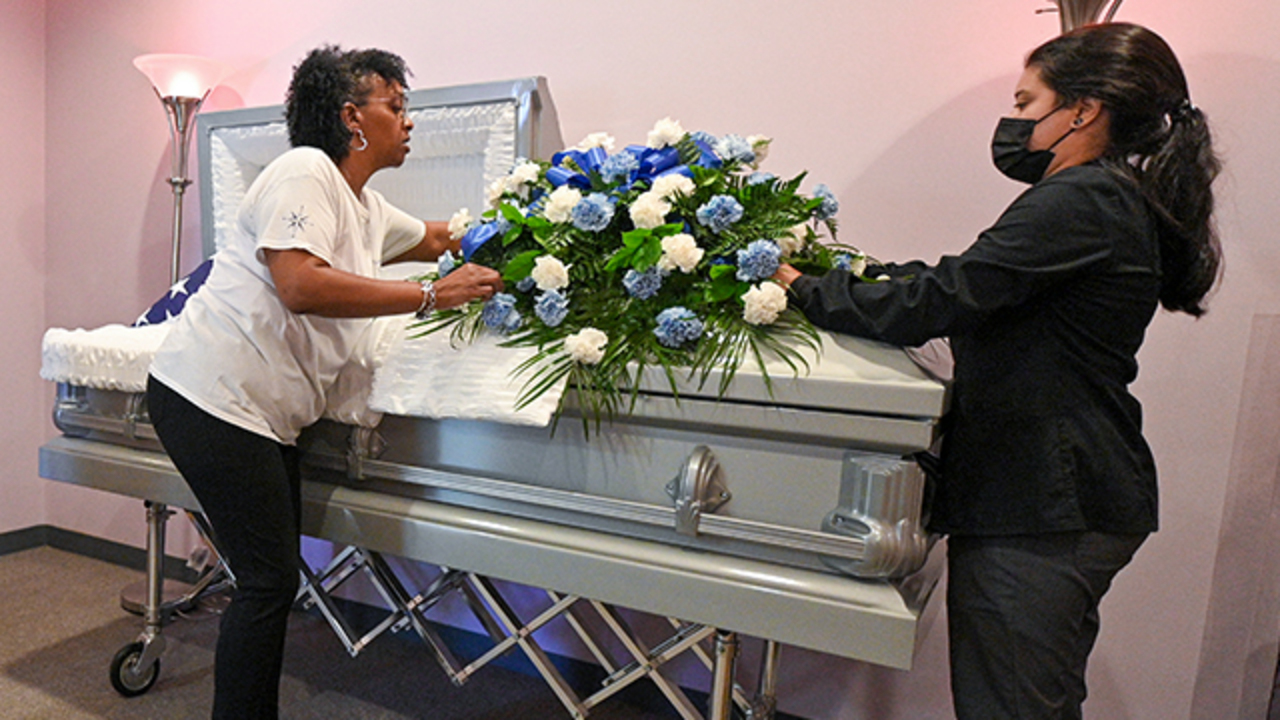
The escalating violence has forced some funeral directors to change the way they do business to keep mourners, and their employees, safe at funerals where emotions run high — often at services for people who have died violently.
They’re requesting police presence, installing surveillance cameras, keeping funeral information private. Some directors carry guns. Guests seeking revenge, often gang members, are blamed for much of the violence.
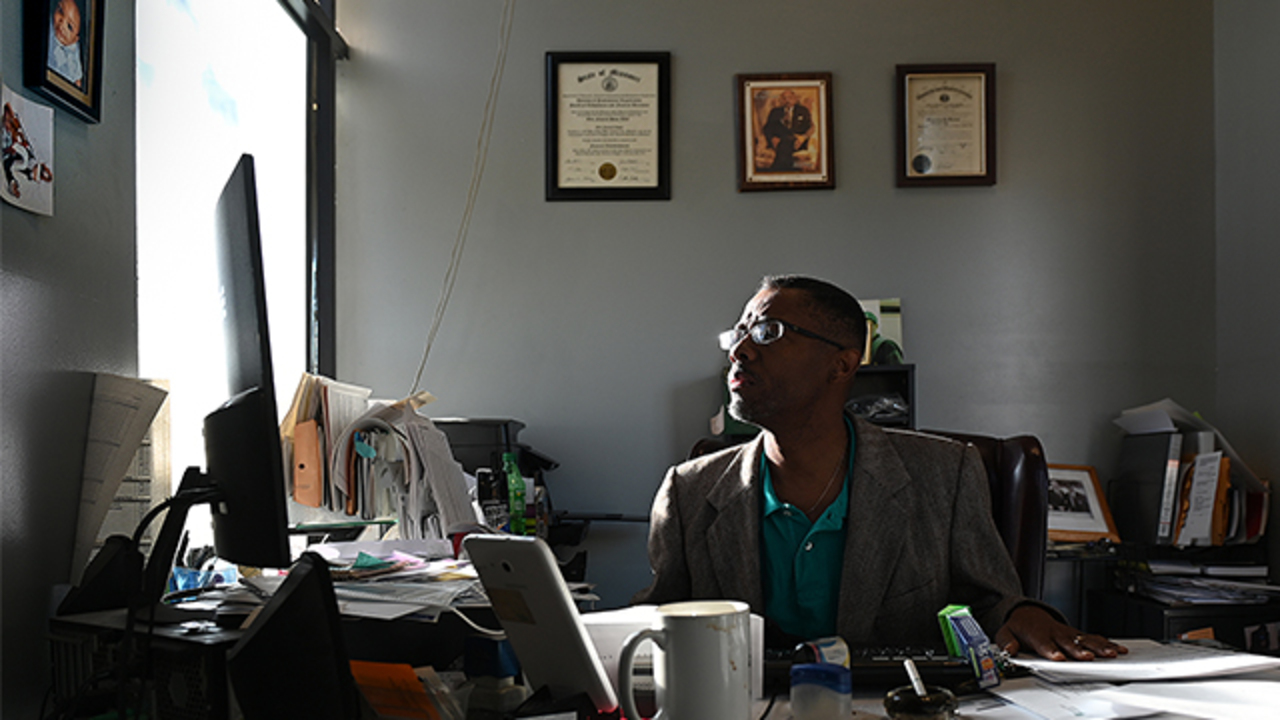
“Unfortunately, the process of grief with these different incidents brings out other issues,” said Baltimore funeral home owner Hari P. Close II, president of the National Funeral Directors & Morticians Association.
The Kansas City Police Department doesn’t have data on shootings at local funeral homes.
But there have been at least six funeral-related shootings across the country this year:
▪ Aug. 4: A woman in Brooklyn was shot and killed by another woman after they both reportedly attended the same neighborhood funeral that drew hundreds of people.
▪ July 2: In Champaign, Illinois, a 17-year-old was killed and four others injured — including a pregnant woman — in a shooting outside an American Legion during a post-funeral gathering.
▪ June 26: In Lowndes County, Alabama, one person was killed and three were shot in an argument over loud music in a cemetery during a funeral service. The brother of the deceased, a cancer victim, was killed.
▪ June 11: In Minneapolis, one person died and one was injured in a shooting during a funeral at Shiloh Temple International Ministries.
▪ April 23: In St. Louis County, a man was shot in the parking lot of Resurrection of Life Center during a funeral for a murder victim. Witnesses described to police a rolling gun battle outside the funeral.
▪ Feb. 10: In Chicago, a window at Elev8 Church was shattered by gunfire during the funeral of a 19-year-old gunshot victim after a fight broke out among people lined up to get in.
“When you handle services like this, it’s quite heavy and traumatic for the families, obviously, but also for the practitioners,” former funeral director John Christian Phifer told The Tennessean in Nashville in 2018. “I’ve been to services where guns have been drawn. It’s actually not uncommon.”
Two years ago in the Kansas City area, gunfire rang out during the funeral of 15-year-old An’Janique Wright, who was gunned down outside the Central Academy of Excellence during a basketball game. Police arrested three men in connection with shots fired from a passing car that disrupted the funeral at Graceway church in Raytown.
One witness told a TV station that as many as 300 people ran for the exits at the same time, some believing a shooter was coming inside to attack. “People were all over the floor, babies on the floor,” the man said. “That is real terrible. (They’re) trying to bury, and this is what’s going on.”
In July 2020, a mass shooting of 15 people outside a Chicago funeral home — where this has been a growing problem in recent years — brought calls to resurrect a 2017 task force that addressed violence at memorials, mostly services for gang members.
Revenge is a powerful driver of the violence.
In Kansas City, police evaluate each homicide “for the possibility for a risk for retaliation,” said Kansas City Police Department spokeswoman Leslie Foreman.
“We like to gather intel and info on any possible retaliatory violence and try to interrupt violence, whether at a funeral, within a certain neighborhood, etc. Thus, this is not specific to funerals, but to ongoing feuds in general.”
But funerals can invite violence because of the heightened emotions of a violent and sudden death, Foreman said. Mourners or “associates” at the funerals involved in possible feuds can retaliate, she said.
“Law enforcement may observe or be made aware of threats on social media, the deceased’s criminal history/ criminal involvement, and when other credible sources are known to law enforcement,” she said.
“We are aware that funeral homes are hiring off-duty officers or requesting assistance from KCPD. Often family members who have lost a loved one to violence are apprehensive. Citizens may request law enforcement in cases where the family, church or funeral home wants a police presence.”
The day Close spoke to The Star, he was overseeing a viewing for a family who had asked him to keep the event information private.
“If people call the funeral home, we’re not to confirm or deny that the person is here,” he said. “Those types of tragic situations go with part of the process we do. And across the country, each funeral home is dealing with their own protocols.”
Close is not only concerned about the toll that violence is taking on the Black community, but on family members left behind to mourn.
“We realize that not only are we losing a generation with these acts, but it also affects the victim’s family and the other side of the family,” he said. “Those families are innocent victims of the process.”
Two years ago, he handled the funerals of both a homicide victim and the killer caught and shot by police.
“I made the decision to never have those families in the building at the same time,” he said. “So the victim’s (funeral) was public, and then after that service we had the other. And I explained that to the families.
“And here’s the funny part: Both mothers went to each other’s child’s funeral. I can’t explain it in words … seeing these mothers comforting each other despite how they were in that compromising situation.”
.jpg)