Baker says KCPD ‘cannot’ investigate its own after refusals to hand over charging docs
When Kansas City police refused to hand over charging documents against an officer who pepper sprayed a man and his teenage daughter last year, it was at least the fourth time since 2019 they had done so, Jackson County prosecutors say.
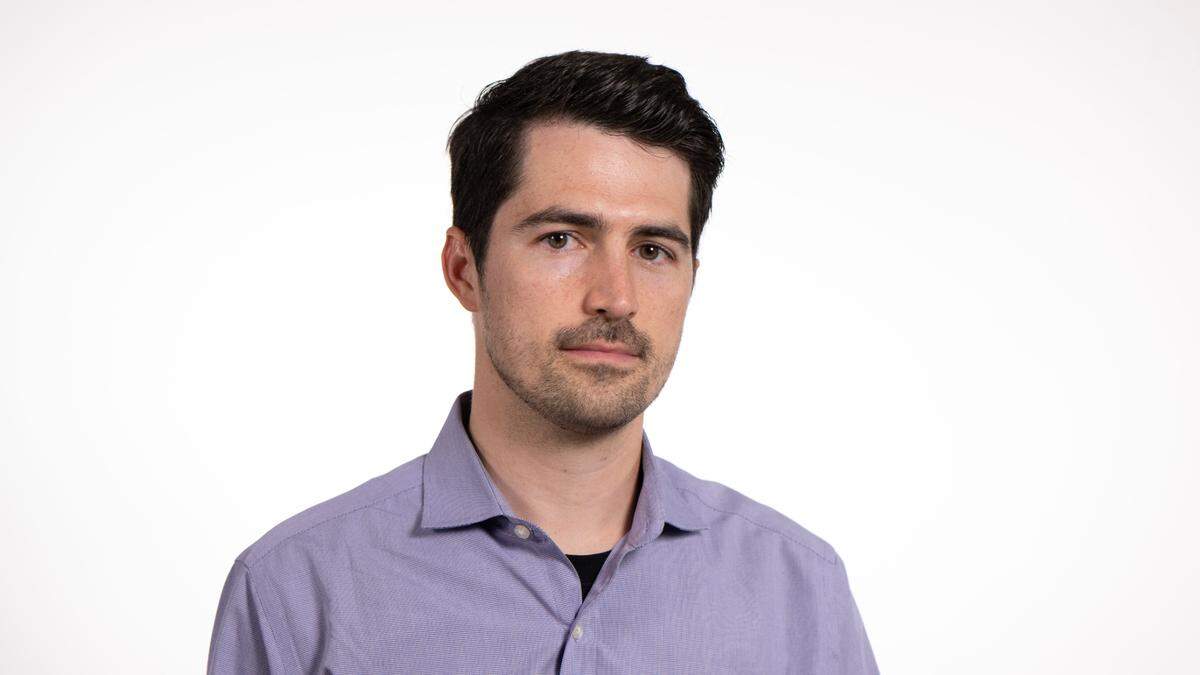
It is an unusual problem, Prosecutor Jean Peters Baker said. And it’s a new one for her in dealing with the Kansas City Police Department, which used to provide those probable cause statements as a matter of course, she said.
But it has become part of a recent pattern when Kansas City police investigate their own officers, Baker told The Star.
Beginning in 2019 after a white detective shot and killed a Black man who was sitting in his truck in his own backyard, and continuing with the alleged assaults of a transgender woman and a 15-year-old boy last year, Baker said the department continues to cut off prosecutors’ independent review when officers are accused of crimes. Officers in each of those cases were indicted by a grand jury. That process, however, lacks transparency, eroding public trust.
Baker drew public attention to the latest example last month when she announced that a grand jury had indicted police officer Nicholas McQuillen, 38. He was charged with fourth-degree assault for pepper spraying Terance Maddox, 37, and his 15-year-old daughter at a police brutality protest at the Country Club Plaza.
Baker said she had no other option but to take the case to the grand jury because police would not give her a probable cause statement, the document necessary under Missouri law for her office to file charges on its own.
The prosecutor’s office receives more than 5,000 cases a year from Kansas City police, all of which include probable cause statements, Baker said. But in use-of-force cases, the department consistently does not turn them over.
“All of a sudden it’s, ‘Well, Jean’s political. Jean’s a bad person,’” Baker said, though detectives don’t tell her that directly. “There’s a fear that I’m going to charge the officer.”
The larger issue, however, is the police department’s neutrality while investigating its own officers, Baker said. Those probes, she said, should be pursued with the theory that “whatever the evidence turns up, is what it turns up.”
“But I fear that’s not happening here,” Baker said. “This department has demonstrated to me that it cannot be neutral on these cases.”
Police Chief Rick Smith has defended his decision to not give prosecutors charging documents, saying in at least one case that an internal police investigation concluded that the officers did not break the law. The department maintains that it cannot sign a probable cause statement if investigating officers don’t believe a crime has been committed.
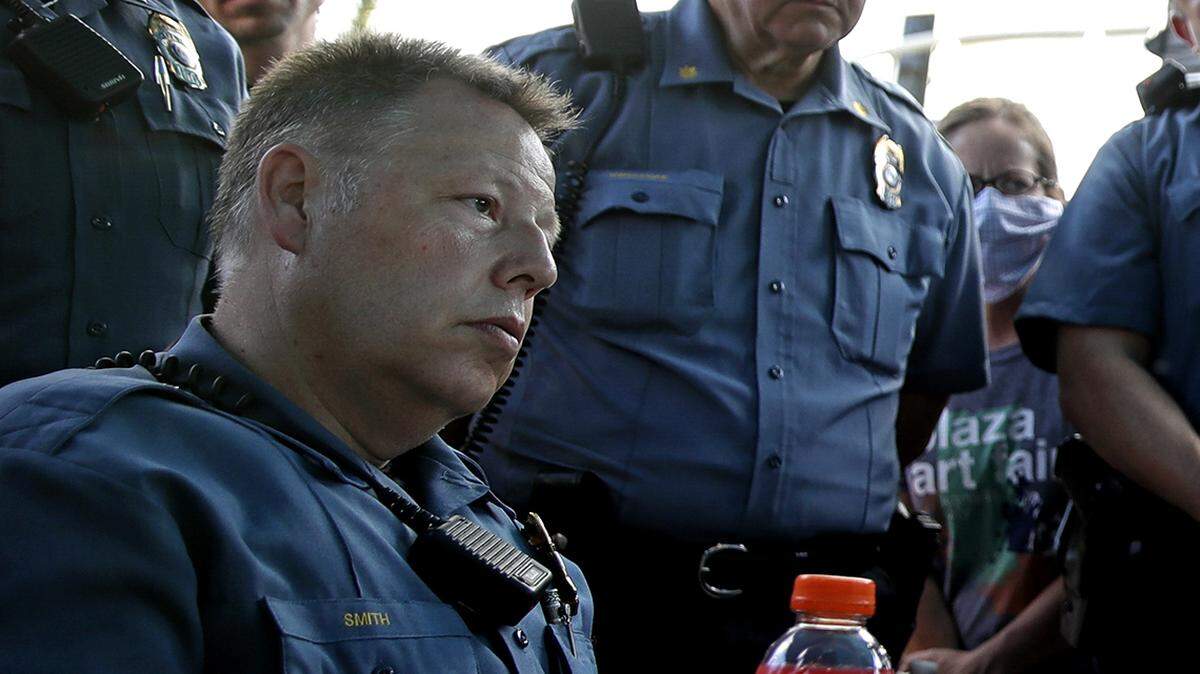
Police officials have said the department follows the letter of Missouri law and that it has never had a policy not to submit probable cause statements in cases in which an officer is a suspect.
“When there are instances that meet this criteria regarding our officer’s on duty conduct/actions we submit a probable cause statement,” Sgt. Jacob Becchina, a police spokesman, wrote in an email.
Baker said every other police agency in Jackson County submits probable cause statements in use-of-force cases. She called Kansas City police “singular” in their refusal to provide the document.
Probable cause statements hold a unique place in Missouri law, said Richard Rosenthal, a former prosecutor who has led civilian oversight agencies in the U.S. and Canada.
In California, if police refused to issue a probable cause statement, the district attorney’s office could simply obtain the agency’s investigative file and move forward.
The situation Baker describes, he said, sounds like a hindrance to prosecution.
“It’s not stopping the prosecution from doing its job, but it is putting an impediment in there,” Rosenthal said. “And for the prosecutor to go public on that — you don’t see that every day. That’s very uncommon.”
‘A cop out’
The issue, as police see it, is they would be committing perjury by signing a probable cause statement for which they see no crime.
But John Picerno, a local criminal defense attorney, said police should only be concerned about committing perjury if they provide false information in a probable cause statement when it is submitted to a prosecutor.
Investigators are tasked with gathering evidence and facts about an alleged crime and present those findings to prosecutors, who will determine whether to proceed with criminal charges, Picerno said.
“Let the chips fall where they may fall. If those facts do lead to a criminal prosecution, in this case another police officer, that’s not the police department’s call. That’s a prosecutor’s call,” he said. “It is not for them to determine whether or not a crime has been committed.
“It’s a cop out,” Picerno added. “It is a way for them to not have to file cases against their brothers and that’s all that is.”
When Darryl Forté was police chief in Kansas City, he said, the police department provided prosecutors with probable cause statements in officer shootings. Forté served as police chief from October 2011 to May 2017.
Now the sheriff in Jackson County, Forté said it is standard practice for his office to include a probable cause statement in all deputy shootings submitted to the prosecutor’s office.
That included the case of Lauren Michael, a former deputy who in 2019 shot a woman in the back and made false statements about the circumstances. She pleaded guilty to first-degree assault and was recently sentenced to 180 days in jail.
Capt. John Hotz, director of public information for the Missouri State Highway Patrol, said the agency was unable to discuss specific use-of-force cases, but that “all case facts are presented to the appropriate prosecuting attorney for final case disposition.”
Lee’s Summit Police Chief Travis Forbes said his department works with prosecutors in “any case of activity identified as criminal in nature.” Thankfully, he said, his department has not had a use-of-force case that required a probable cause statement.
And in the Raytown Police Department, public information officer Capt. Dyon Harper said if Jackson County prosecutors request case documents, they provide them.
Kansas City police and Jackson County prosecutors agree that the police department provided a probable cause statement in at least one case involving an officer: Terrell Watkins, who was ordered to serve four months in jail for causing a crash near Arrowhead Stadium before a game that killed a teenager and injured two others in 2018.
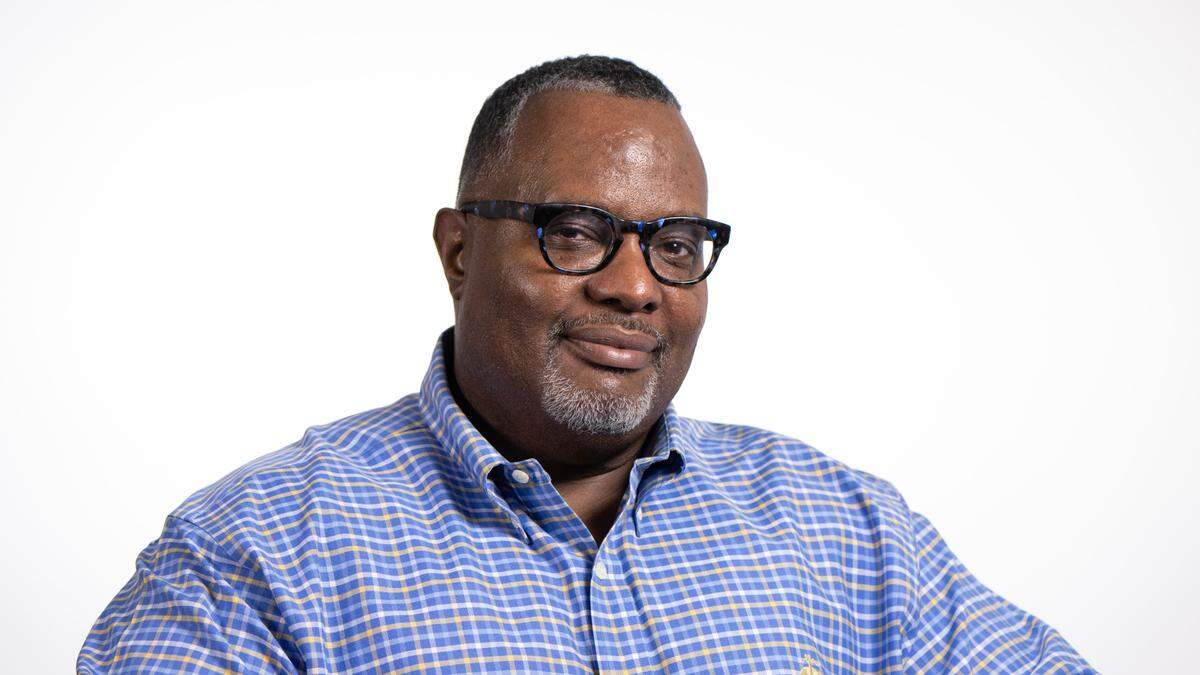
Justice Horn, a 22-year-old social justice activist and political strategist who helped organize protests on the Country Club Plaza, said Kansas City cannot allow police to investigate their own officers. The probable cause issue was one example of the problem, he said.
“It’s yet another example of the county prosecutor trying to do her job and only getting the bare minimum,” Horn said.
“There’s a big conflict of interest and I think they are going to continue to stonewall her and not allow her to do her job,” he added. “And the only ones who suffer in this whole back and forth is the community at large.”
Prosecutors in Clay and Platte counties who also take cases from Kansas City police say they have not been refused charging documents — though they acknowledged they have not filed charges against any officers in use-of-force cases.
“If they and I had a disagreement, whether probable cause existed, I suspect that they would give me their entire case file and I could do with it what I chose, whether or not I had a probable cause statement from the police,” Clay County Prosecutor Daniel White said.
White said his office declined to charge Kansas City officers who in 2018 fatally shot 28-year-old Ashley Simonetti. Police said she was armed with a sword and refused repeated commands to surrender after she emerged from a detached garage behind a burned-out home in the Northland. In that case, police provided White’s office with the entire case file, he said.
Eric Zahnd, the prosecuting attorney in Platte County, said he could not think of a time when a police agency, including Kansas City, refused to submit a probable cause statement in a case that his office believed warranted charges. His office has charged several police officers for crimes over the years, however, none in a use-of-force case, he said.
“If the situation ever arose where a police officer refused to sign a probable cause statement because the officer believed no crime had been committed, I would accept that opinion — even if I disagreed — because I would not want to try to persuade an officer to commit perjury,” Zahnd said. “Instead, following the settled guidance of the Missouri Supreme Court, where we believed probable cause existed, my office would simply have one of our own investigators or assistant prosecutors prepare and sign a probable cause statement or present the case to a grand jury.”
But in an hour-long interview with The Star, Baker said members of her office can’t file probable cause statements on behalf of other investigators because they can’t personally attest to the facts of the case. She said she has even addressed it with judges.
“They cannot attest to someone else’s work,” Baker said, noting that she has no legal mechanism in Missouri to force police to provide the document. “The bigger question is, why would we be asked to do so?”
‘Stymied’ by KCPD
In June, police leadership agreed that officer-involved shootings would be investigated by an outside agency, which typically falls to the Missouri State Highway Patrol.
However, it has not been codified in police department policy.
Baker says using outside agencies to investigate police shootings is not enough. Of the five officers indicted by grand juries in the past 10 months, only one was charged in a shooting.
One problem with grand jury decisions, Baker noted, is that in cases where no indictment is returned, Missouri law bars prosecutors from telling the public what occurred during grand jury proceedings.
Many national experts recommend that independent agencies investigate use-of-force cases — particularly shootings — and some point to civilian-led oversight as a top model of police accountability.
In some cases, Baker said, not only do police refuse to give her charging documents — they also do not notify her office in a timely fashion of major incidents. Some times police do not inform her office of them at all.
In December of 2019, Baker was in the middle of educating Missouri lawmakers about police use-of-force cases when one of them told her there had just been a police shooting in Kansas City. The state representative found the news on Twitter.
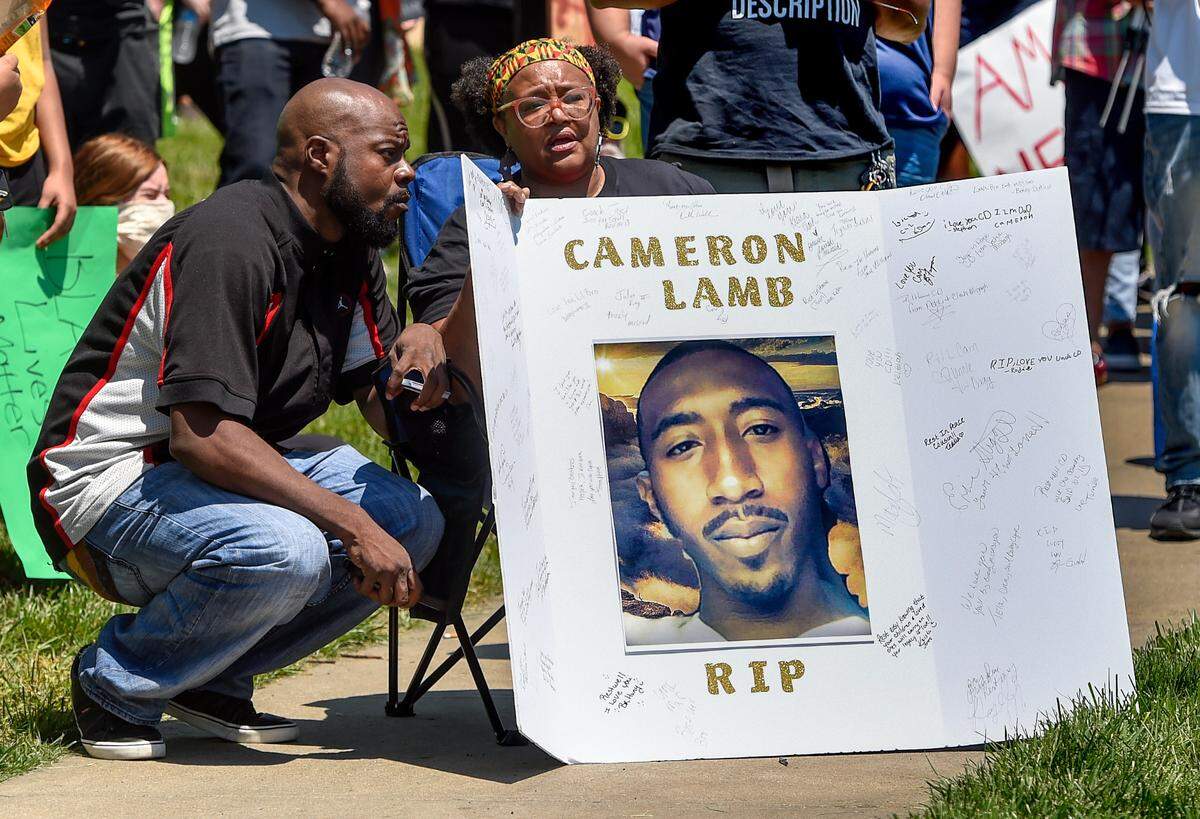
At first, Baker thought he was joking — no one had called her. She headed to the scene where Eric DeValkenaere, a police detective, had shot 26-year-old Cameron Lamb as he backed his truck into his own garage.
The killing was the first of the use-of-force cases in which Baker said she was “stymied” by the police department refusing to issue a probable cause statement.
Kansas City police also did not alert prosecutors when two officers allegedly assaulted 30-year-old Breona Hill, a transgender woman, during an arrest that was caught on video. The officers, Matthew Brummett and Charles Prichard, were accused of slamming Hill’s face against the concrete sidewalk and kneeing her in the face, torso and ribs.
Baker’s office learned about that case when The Star published a video of the incident.
In another case, a police sergeant was indicted by a grand jury in August for allegedly assaulting a teenager in the parking lot of the Go Chicken Go on Troost Avenue. The officer allegedly forced his knee into the back of the teen’s head, causing his teeth to break.
Baker said at the time she was troubled that the incident occurred in November 2019, but her office did not become aware of it until the following spring.
This story was originally published April 4, 2021 at 5:00 AM.