
Olathe votes unanimously to put local tax dollars toward new Chiefs facilities
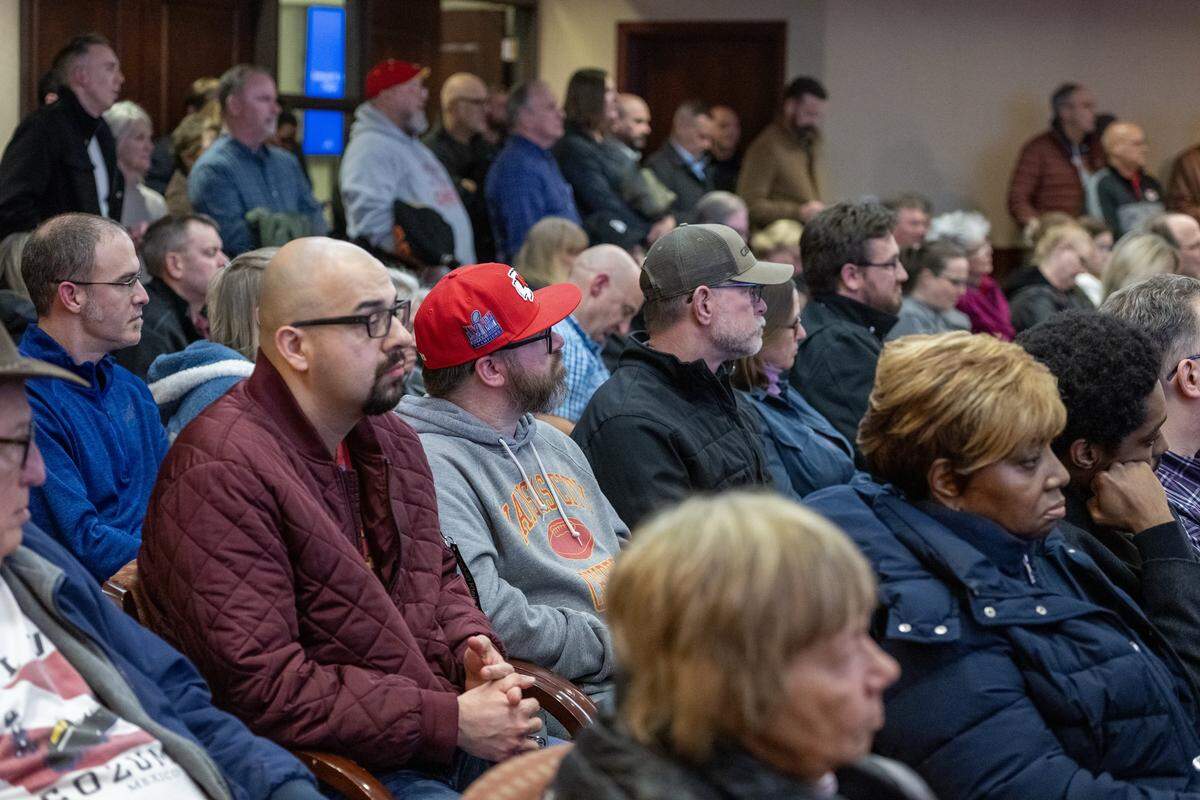
After weeks of anticipation and hours of public input, the Olathe City Council unanimously voted to contribute local sales tax revenue to help pay for a new Kansas City Chiefs headquarters and training facility in town.
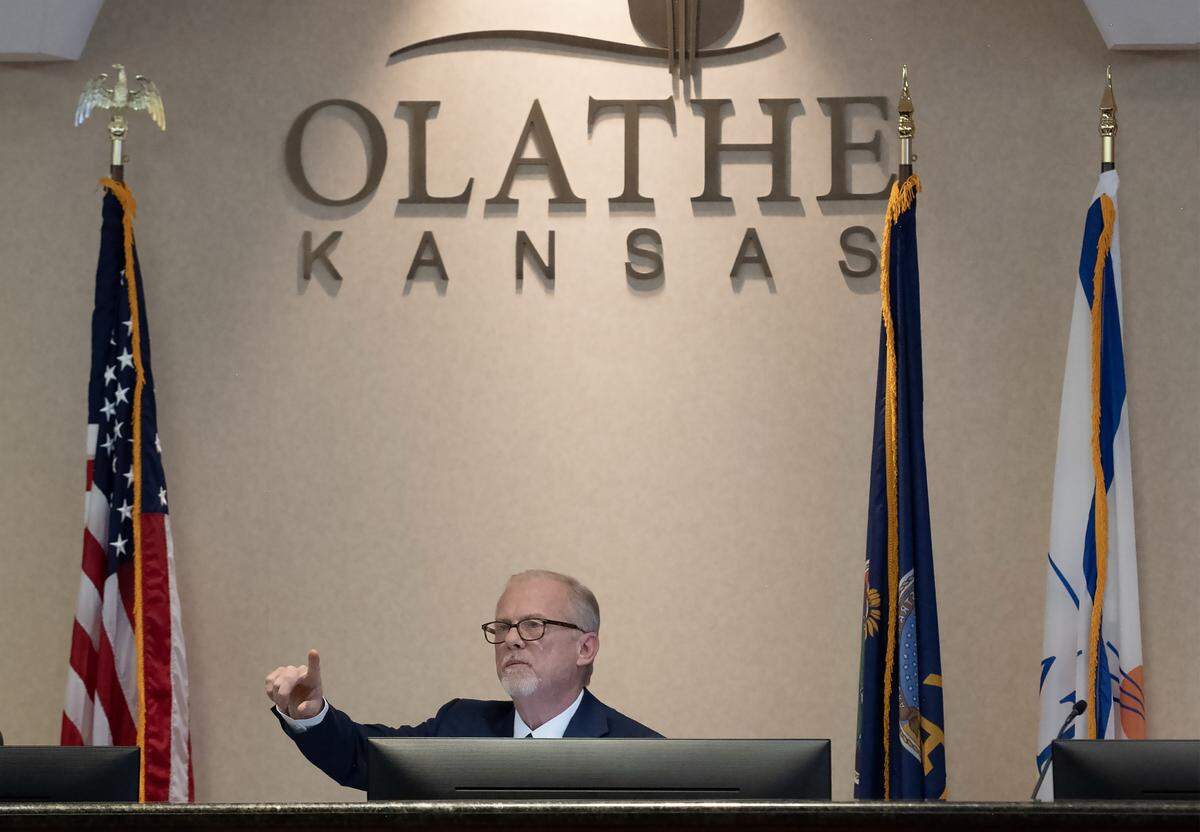
“At the end of the day, I’m excited the Chiefs will stay in the metro area,” Mayor John Bacon said at the end of the meeting on Tuesday night. “A lot of benefits have come (to) Olathe, in my time I’ve served on council, from tax incentives to try and bring businesses, jobs. So as far as this particular project …it’s a fairly easy decision tonight.”
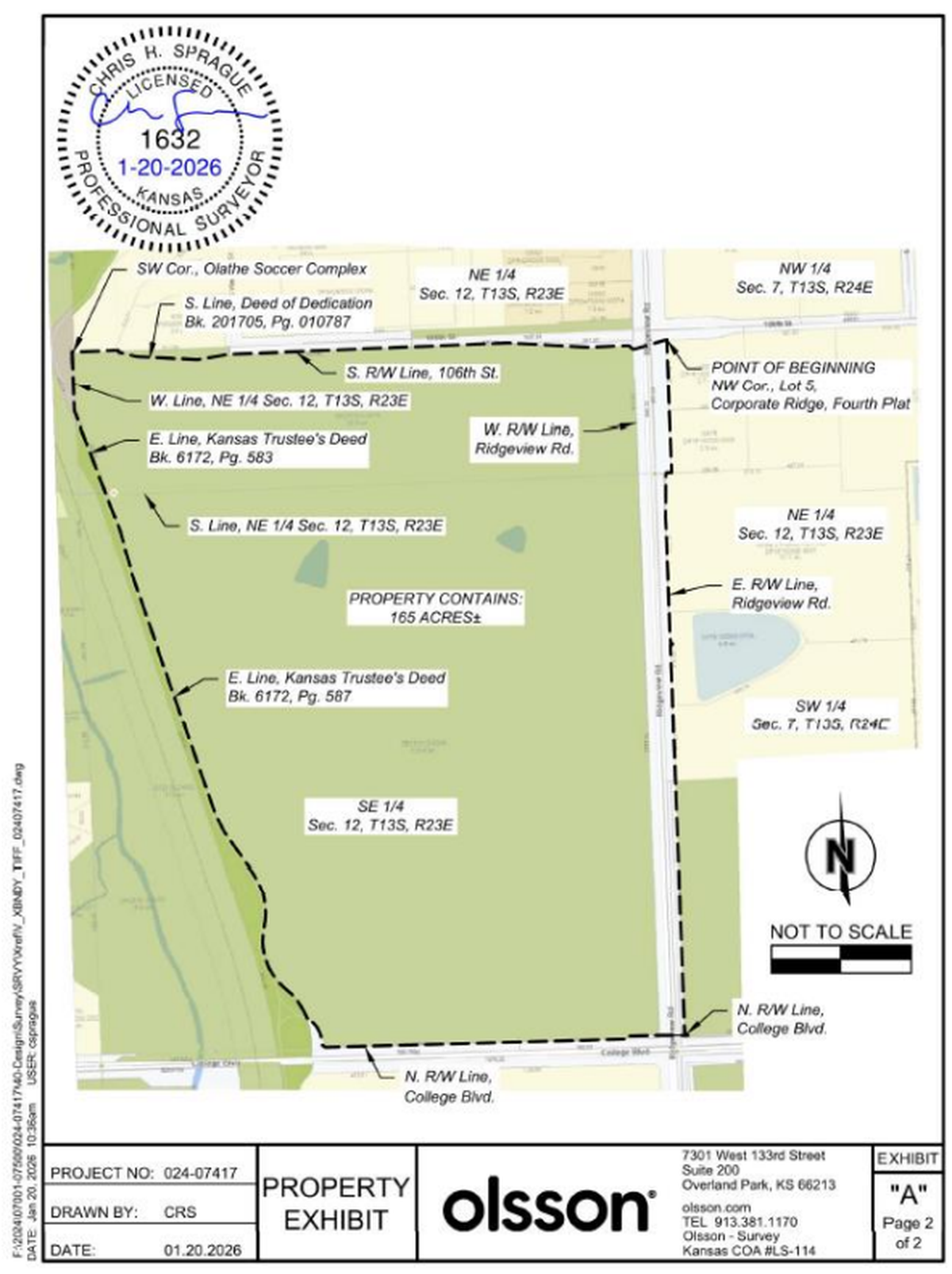
The City Council’s unanimous decision will allow the city to direct local, incremental sales and use tax revenues from a 165-acre site on the northwest corner of College Boulevard and Ridgeview Road, just south of Kansas Highway 10, for 30 years, to help finance the team’s new facilities in Kansas.
Olathe’s approval marks the first step toward Kansas’ goal of bringing the Chiefs to the Sunflower state after state and team officials announced in December their near-$4 billion plan to build a new domed stadium in Wyandotte County and state-of-the-art training facility and headquarters in Olathe.
The United Government of Wyandotte County and Kansas City, Kansas, held a lively public hearing on Tuesday with more than 50 public speakers, but the Commission won’t vote on its similar request to provide local sales tax revenue to the Chiefs project until Thursday.
Despite several residents’ skepticism about Olathe committing local tax revenue to the Chiefs — in part due to the wealth of the team’s billionaire owner Clark Hunt — the City Council felt that this would help develop an area that has otherwise sat untouched.
“This is money that is going to be coming from a piece of property that’s been sitting there for a lot of years, and I’ve been told that it’s difficult to develop on, and the Chiefs feel like this is a place where they can build a training facility and headquarters and have success,” Mayor John Bacon said.
The state’s funding tool
Kansas aims to finance the bulk of the proposed Chiefs developments through special stadium incentives lawmakers passed in 2024 that are a supercharged version of the state’s sales tax and revenue, or STAR, bonds. State officials pledged to issue $2.8 billion in STAR bonds to help fund the project.
STAR bonds are paid back with new sales taxes collected in a defined district around the tourist attraction that the bonds helped build.

Kansas’ stadium incentive plan relies mostly on state sales taxes to help pay back the STAR bonds, but state and team officials requested that Olathe and the Unified Government also pitch in some of their local sales tax money to help. That’s what Tuesday’s hearings were about.
Paying back the STAR bonds for the Chiefs project could involve pulling sales tax revenue from three places:
- A sweeping district across much of Wyandotte and Johnson counties that would redirect state sales tax money,
- A smaller, 236-acre area around the new stadium site that would redirect local sales taxes from Wyandotte County,
- And an even smaller, 165-acre area around the new practice facility that would redirect local sales taxes from Olathe.
What is Olathe pledging?
The stadium project wouldn’t pull local sales tax money from businesses across all of Olathe. The city would only allocate sales tax revenue generated within the 165-acre site around the proposed practice facility, referred to as a “Base Revenue Area” in the ordinance.
For up to 30 years, the local sales taxes from that area would go toward paying off the Chiefs project bonds. Additionally, the ordinance calls for the city to pledge 7% of the 9% transient guest tax the city charges for hotels, motels or guest stays located within the “Base Revenue Area.”
Street maintenance and park sales tax are among the voter-approved retail sales tax that will be excluded from going toward the Chiefs project and the ordinance carved out exemptions for future special taxing districts – like community improvement districts or tax increment financing districts.
Resident pushback
During Tuesday’s meeting, several residents questioned whether the city should give local sales tax revenue to the Chiefs.
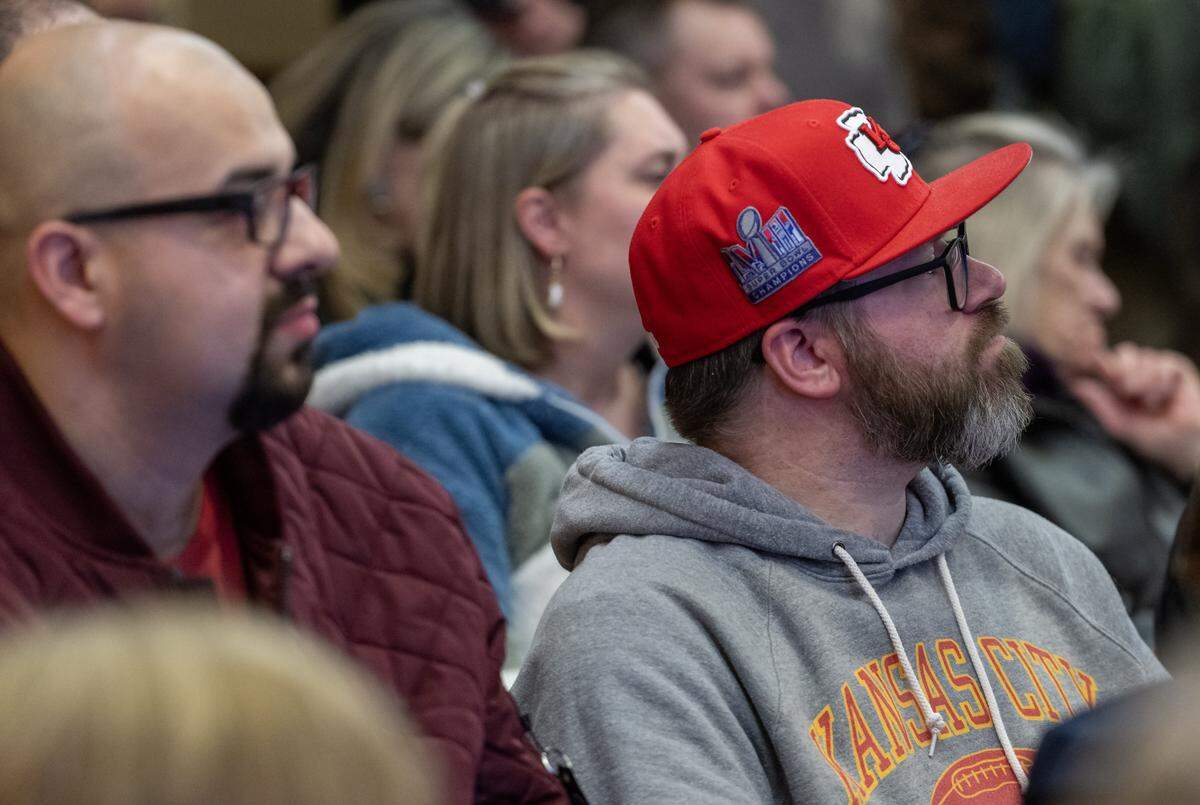
“Don’t let my Chiefs gear fool you, I am strongly opposed to this ordinance and using taxpayer funds for this development,” Olathe resident Derek Christensen said while wearing a red Chiefs windbreaker. “No matter where you stand on the political aisle, the idea of sales tax going to pay for this project should abhor you.”
“If you’re progressive, you (have) to ask yourself why is the middle class taxpayer funding an NFL owner that’s worth $24 billion? If you’re conservative you have to ask yourself, why are government handouts going to a successful business?”
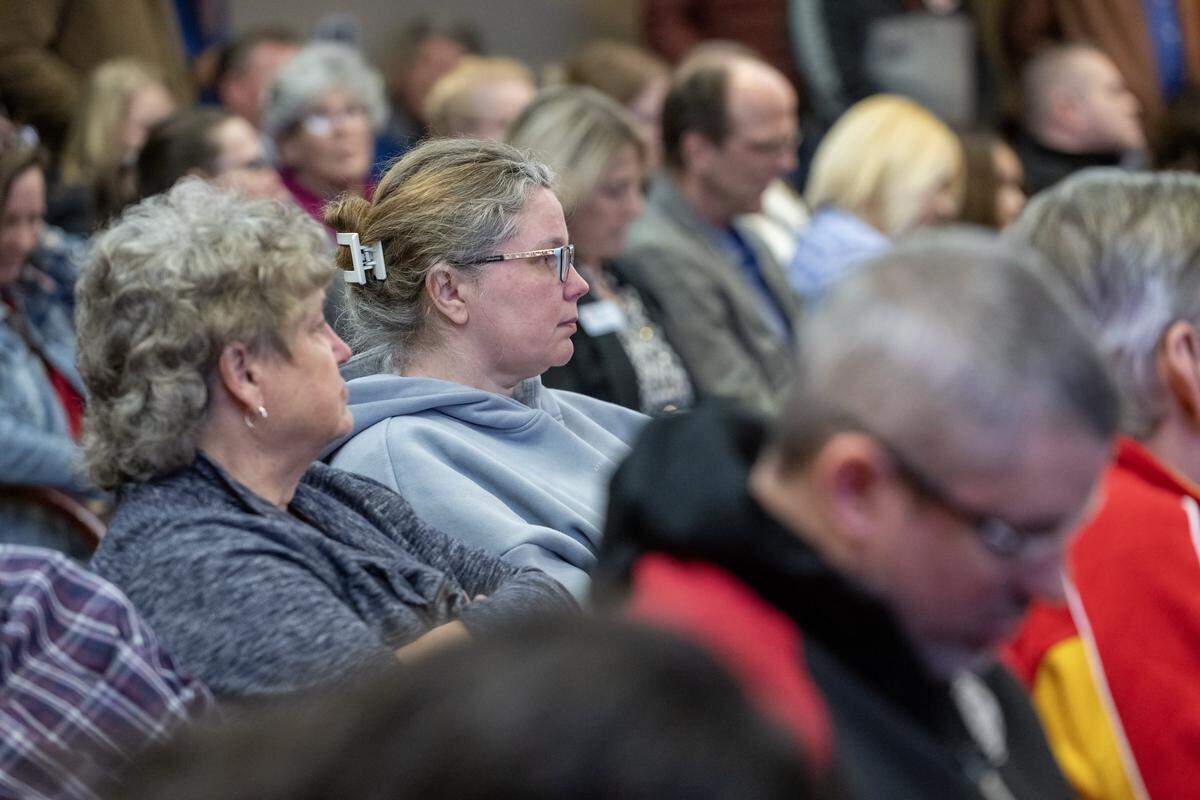
Resident Jeremy Thurston shared similar sentiments.
“I don’t mind increases in taxes, but they need to go toward something that I would consider a public good — increased housing for residents, increased services for residents,” Thurston said. “Those are the things that I think the city should be focused on, not providing incentives, frankly for someone who should be paying his own way for his little toys, such as a stadium.”
City attorney Ron Shaver said that currently, no sales tax revenue is generated on the site and only a “minimal amount of property taxes,” he said.
Councilmember Matt Schoonover said that he would have more skepticism of the allocation if the revenue went beyond “a very defined piece of real estate.”
“Now, if there are future taxes on this development that are going to come before council, CID, TIF…then I think that’s something we need to take a little bit more of a fine-toothed comb,” he said. “But this deal as I see it since we are not generating sales tax here there is really nothing to lose here.”
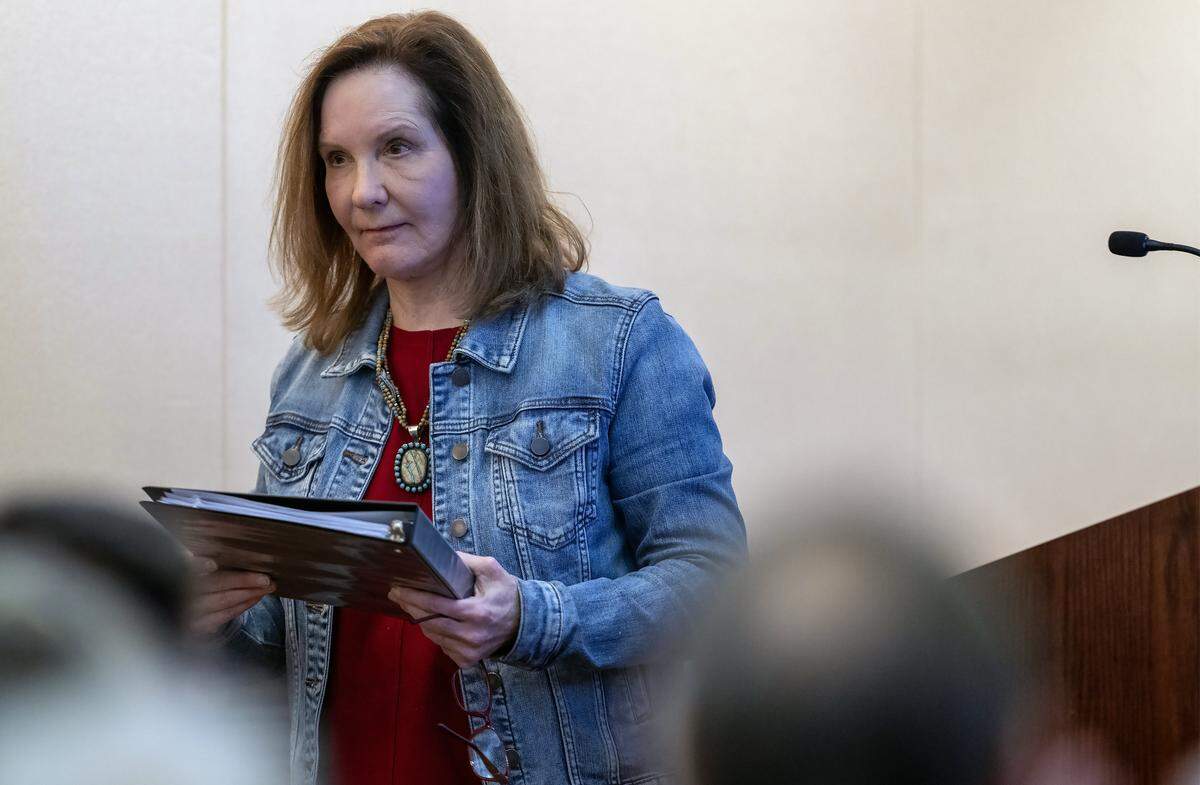
Economic growth, new jobs
Other residents, like Jim Felter, expressed their excitement about the new facilities coming to town.
“Opportunity for economic growth events like the Chiefs relocating to Kansas only happen rarely,” he said. “Businesses need to have incentive tools to make them a reality. … Yes we are helping billionaires, but these are the types of events that provide opportunities for the rest of us.”
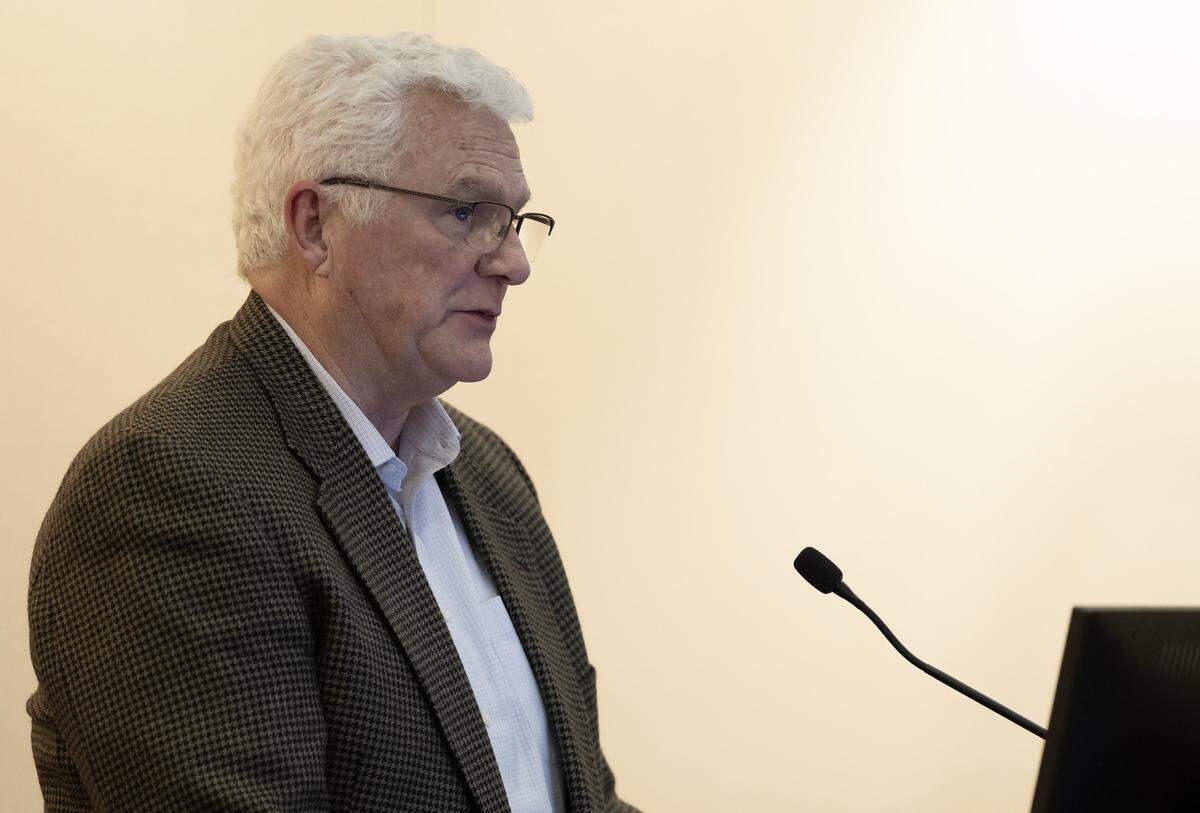
Jobs, businesses, and tourism will come to Olathe, he said, “benefiting the area for decades to come.”
Wade Kiefer, a union representative for the International Brotherhood of Electrical Workers, added that the Chiefs agreement provides the opportunity to support union careers through the construction work for the project.
“Olathe has worked hard to attract major investments, and now is the moment to keep the opportunity at home,” he said.
Olathe’s approval on Tuesday is not the end of the discussion. As the Chiefs work to get their stadium and facilities up and running before the 2031-2032 season, any development and additional incentive requests will need to be approved at the local level.
This story was originally published February 4, 2026 at 12:38 AM.