While Chiefs tout Kansas stadium deal, Olathe residents worry about housing costs
AI-generated summary reviewed by our newsroom.
- Residents cite 58% property tax spikes in 2023 and $500 monthly mortgage jumps.
- Olathe housing values rose 56% in five years, shrinking affordable stock.
- State STAR bond plan would redirect sales tax revenue to Chiefs projects, raising demand.
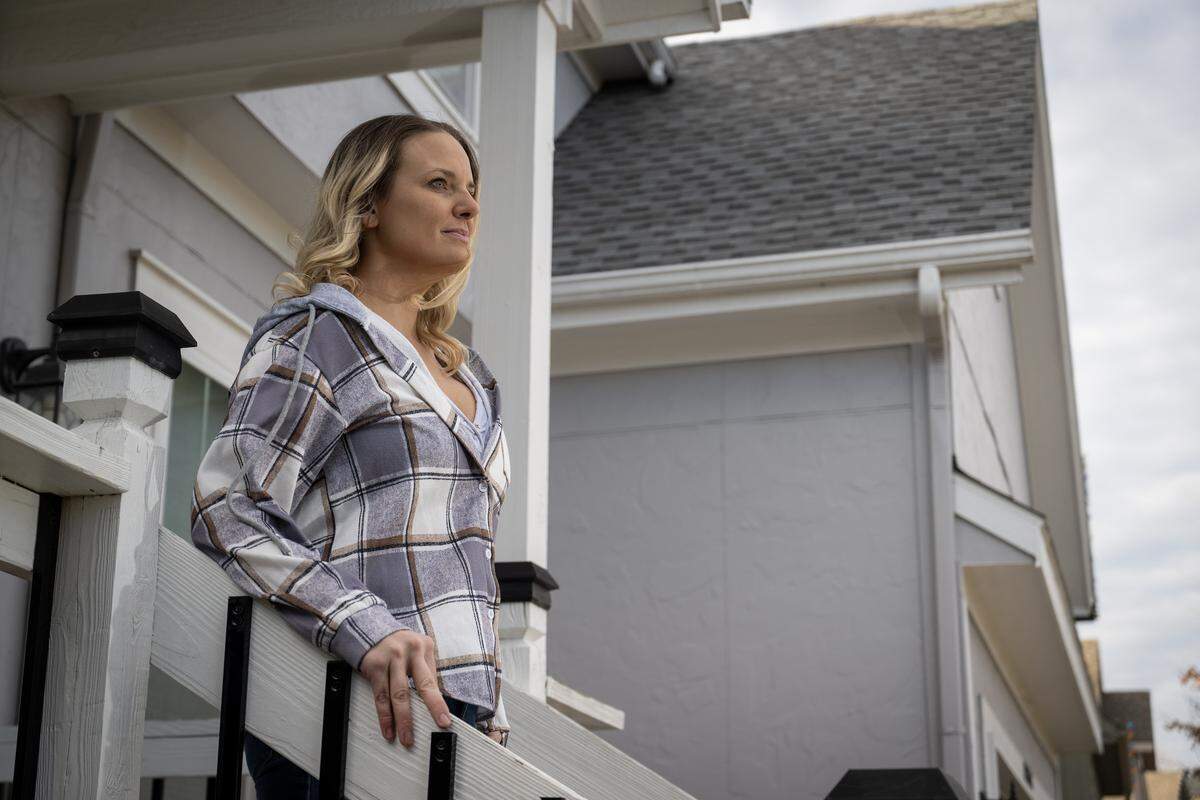
While Kansas officials celebrated the possibility of the Kansas City Chiefs coming across the state line, Olathe resident Nichole Cook had something else on her mind: The cost of living.
Born and raised in the Johnson County city and a graduate of Olathe South High School, she bought her first home in south Olathe in 2022 and has since noticed tax hikes, mortgage changes, and neighbors moving away because they could no longer afford to live in her hometown.
“In 2023 here in Olathe, we experienced a 58% property tax increase on our home ... That was a $500 per month mortgage change,” Cook said. “In 2023 when we got those dreaded notifications of our tax increases, so many houses went up for sale … We’re a pretty tight-knit community over here, it was sad to see that happen.”
According to appraisal documents, Cook’s home was valued at $264,900 in 2022. In 2023, her home’s final appraised value increased to $405,000. In 2022, Cook’s tax bill was $3,573.28, and in 2023, it increased to over $5,000.
Now, she’s worried what the Chiefs coming to town will do to the cost of living in Olathe as the NFL team plans to build a new headquarters and training facility in the city.
Cook isn’t alone in her concerns.
Following the state unveiling plans for Kansas to publicly finance $1.8 billion of construction costs for a $3 billion domed stadium in Wyandotte County and up to $975 million for a new training facility and headquarters in Olathe, several other Olathe residents commented on a post created by a Star reporter in Olathe Connect — a public Facebook group with 24,000 community members — sharing their concerns about how a major project like the Chiefs facilities might change the affordability of their community.
“With the rising cost of living over the years, that’s been a hardship on a lot of people,” Cook said. “That 58% increase made our mortgage go up by $500 a month. For a middle class family, $500 per month is not chump change.”
While the state’s financing tool to pay for the stadium will not rely on property taxes — rather state sales taxes — housing is an important factor to consider when building large-scale projects like this as Johnson County faces shrinking availability of homes that are considered affordable, said Kristy Baughman, the executive director for United Community Services of Johnson County, an organization dedicated to ensuring that public services meets the needs of Johnson County residents, including housing.
“If you’re bringing in more investment and more jobs and more resources to a community, you can see an increased need for housing,” Baughman said.
Olathe housing costs
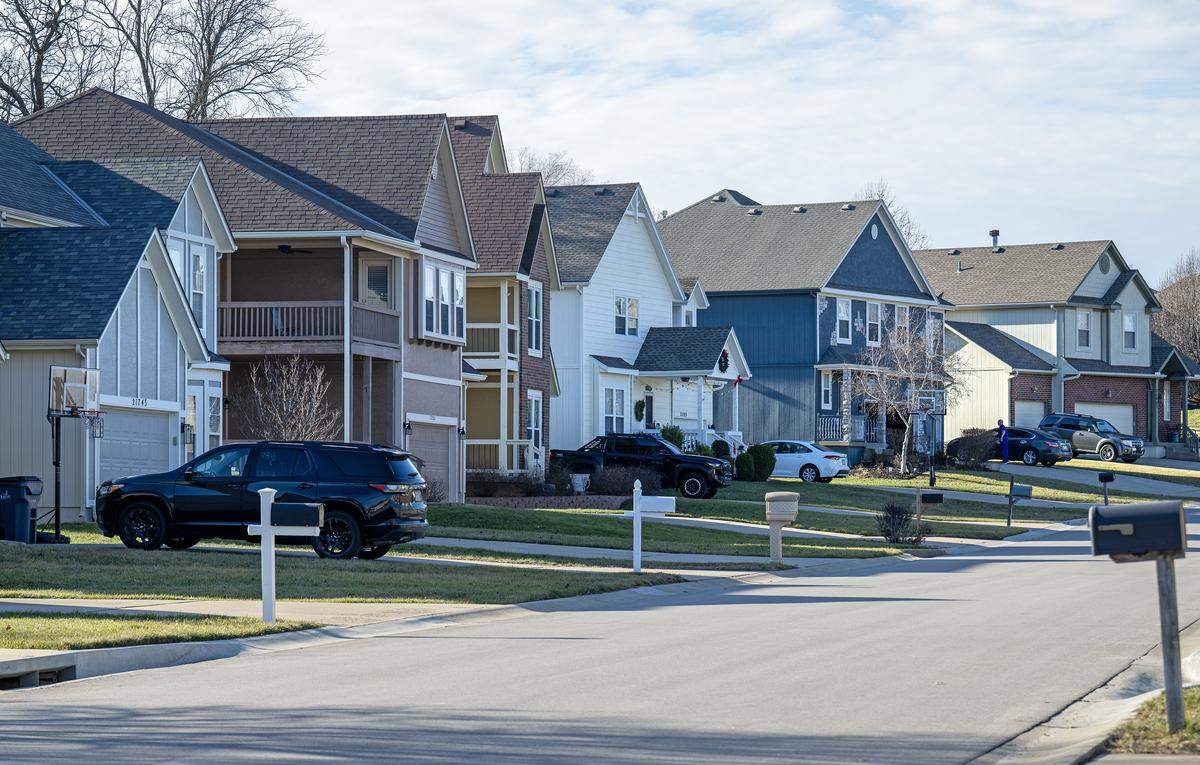
Even without the potential development coming to Olathe, United Community Services has seen a dramatic increase in housing costs in Olathe over the last five years, Baughman said.
“I don’t think Olathe residents are wrong to be concerned, but the concern should be there regardless,” Baughman said.
According to Johnson County appraisal data, the median housing prices for homes in Olathe have increased 56% in the last five years.
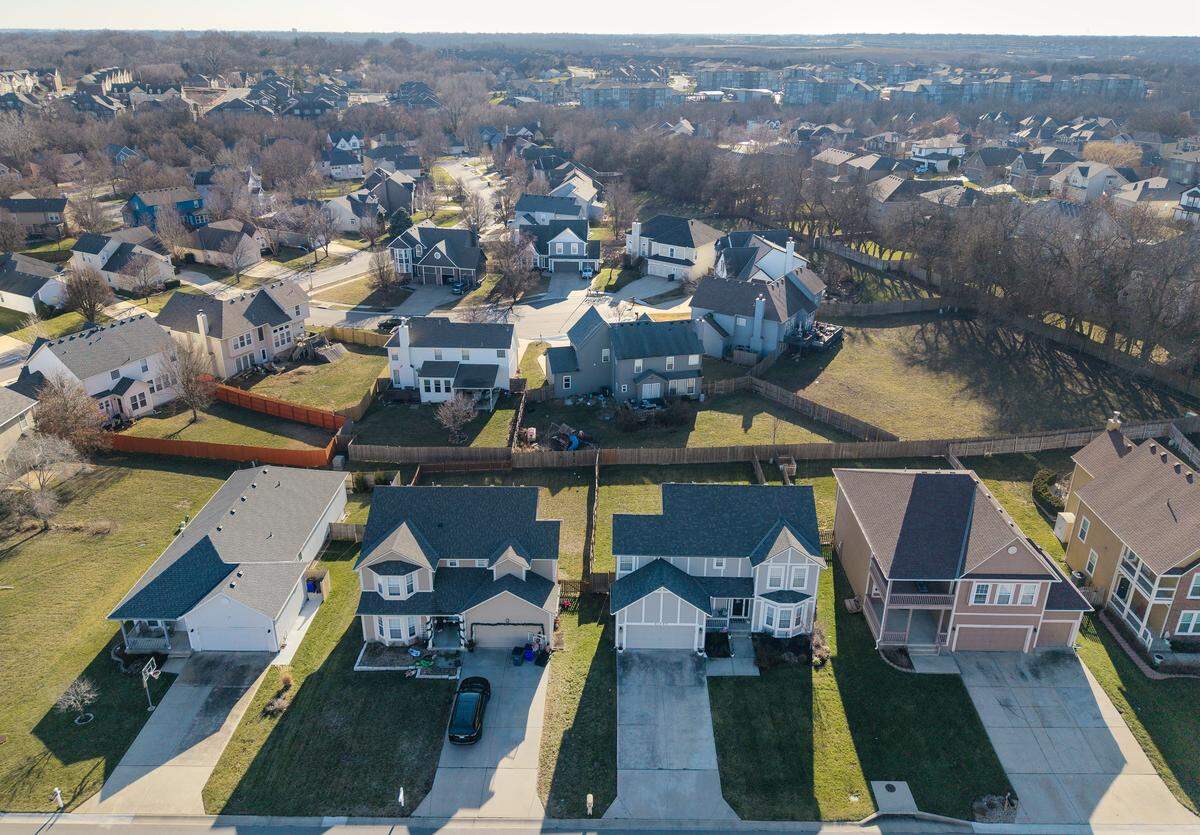
In 2019, about 60% of Olathe’s housing stock was less than $300,000, a price range that’s often considered attainable for first-time home buyers or residents looking to downsize. Five years later, only 23% of Olathe’s housing stock was less than $300,000.
In the same time frame, the number of homes that are valued at $500,000 went from 5% to 25% of the city’s housing stock — making up a quarter of what’s available in Olathe.
Olathe’s trajectory mirrors what’s happening across Johnson County — which saw more than 90% of the homes go up in value in 2024, with the average home prices sitting at $508,000 and average sale price at $557,000.
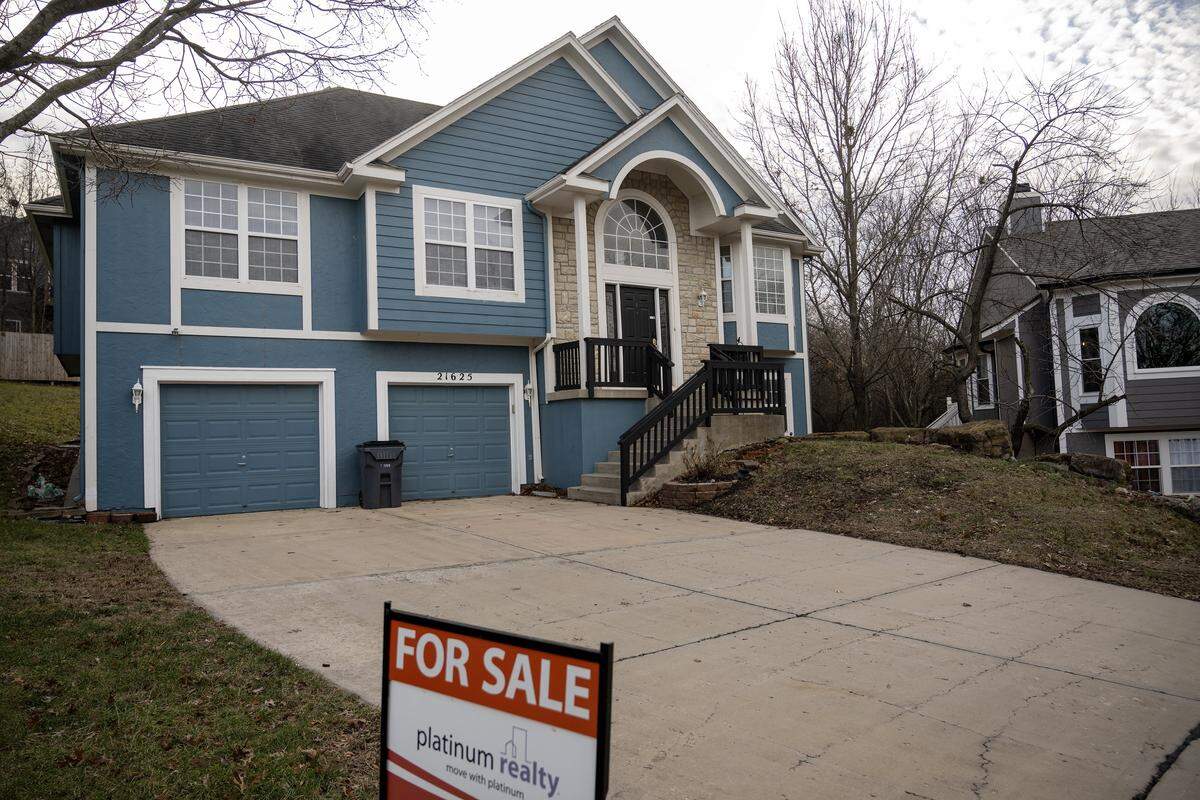
“Even without new developments — without the potential for whatever is going to happen with the Chiefs, and I know there’s a lot of unknowns — even without that, over the last five years we’ve seen this dramatic change in Olathe in terms of what we might have considered one of the last affordable places in Johnson County,” Baughman said.
In a situation where the availability of affordable housing stock is shrinking and the possibility of demand increasing, the Chiefs coming to town could present more housing needs, Baughman said.
“And so I think it’s not a huge leap of logic to think that anytime you’re bringing more people into a community that’s struggling in terms of housing needs, you’re going to see more competition and more need for more housing,” she said.
How the deal impacts Olathe
The Chiefs are planning to build a new team headquarters and state-of-the art practice facility in Olathe that will feature mixed-use development surrounding the site, including entertainment, dining, shopping, office, hotel and residential properties — mirroring similar projects in Dallas and Minnesota.
Johnson County Board of Commissioners Chair Mike Kelly said in an emailed statement that he believes Johnson County as a whole has “so much to gain” by possibly welcoming these new facilities to town.
“Development projects of this size and scale can have significant short- and long-term economic benefits – including generating local jobs, driving traffic to area businesses and growing tourism dollars,” Kelly said. “Looking beyond the economic impacts, seeing the Chiefs make Johnson County an important part of their home base adds a new and exciting layer to the already vibrant culture and sense of community that we enjoy here.”
“We know there are still many steps to make this possibility a reality, including working with the Chiefs to ensure we identify and work through any impacts to our existing residents. I am confident that our community partners are working thoughtfully to make sure we can all be proud to call the Chiefs our newest neighbor.”
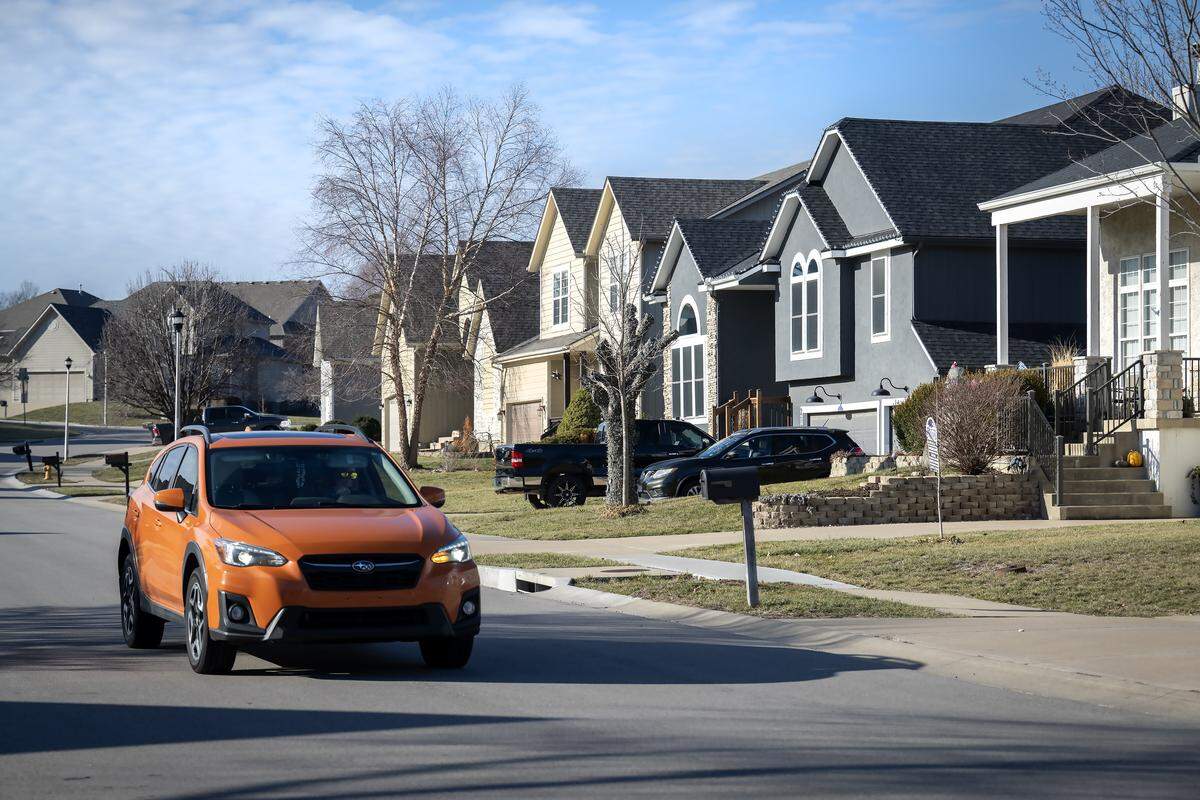
Olathe spokesperson Cody Kennedy added that developments like this could help bring more housing opportunities to the city.
“Any opportunity of this scale or development of this scale is bound to generate housing opportunities and our council has prioritized attainable or affordable housing,” Kennedy said. “This type of development should spur opportunities for all housing types.”
In order to bring the Chiefs to Johnson County, Kansas plans to fund up to $975 million for the new facilities in Olathe via a controversial funding tool called sales tax and revenue, or STAR bonds. The state would finance 60% of the development, covering the bulk of the project’s cost.
STAR bonds don’t change tax rates and won’t show up as added charges on bills or receipts. Instead, the program will change where the sales tax dollars go — redirecting dollars that would have otherwise been added to the state’s general fund to pay for highways, schools and other services to pay off the project’s debt and retire the bonds.
Some experts have called it the biggest government subsidy for a professional sports team in U.S. history, and it’s bigger than all 23 projects backed by STAR Bonds since 1999.
New state sales tax revenue generated within the massive STAR bond district will pay back the bond debt used to build a new stadium and accompanying facilities for several decades.
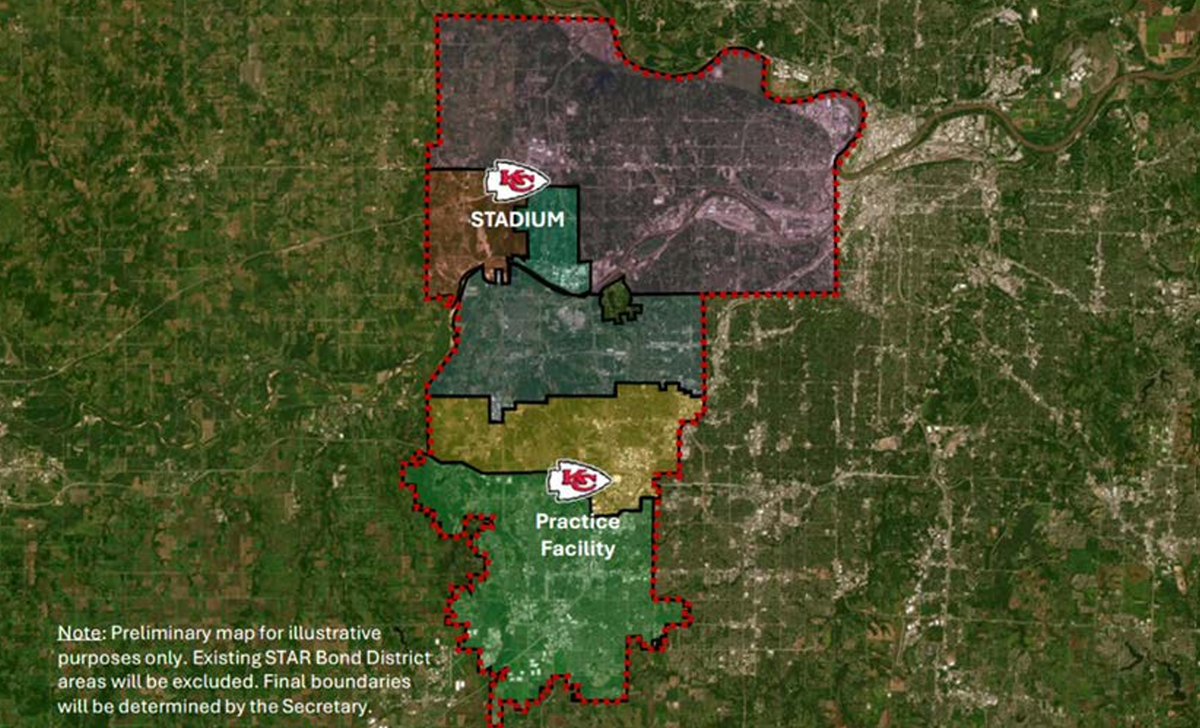
A preliminary map the state published outlines a sweeping area that will redirect state sales taxes to the Chiefs project — including a large chunk of Johnson County.

Olathe has confirmed that the City Council will hold a public hearing and vote on an ordinance that would pledge all local incremental general sales tax within the STAR bond project area to pay off stadium debt. If approved, new local sales taxes in Olathe would pay back the stadium bonds instead of going toward other local government functions.
“The project area, the only thing that is dedicated would be sales tax that doesn’t exist today,” Kennedy said. “If it’s in an area where there’s already existing restaurants and those kinds of things, those existing restaurants will continue to have their (sales) taxes go to the same jurisdiction as always ...Their taxes all of a sudden don’t stop coming to the city.”
Kennedy said that the item has not been added to a City Council agenda as of Jan. 9, but the city has until Feb. 20 to make its pledge. The remaining City Council meetings before the deadline are Jan. 20, Feb. 3 and Feb. 17.
Building homes in Olathe
Increased housing stock and a variety of housing options, often referred to as “missing middle” housing, that can help support communities as developments like this move forward, Baughman with UCS said.
In recent years, Olathe’s seen more projects move forward that could help address the missing middle housing gap, including a City Council approval on Tuesday to build 71 townhome units, despite the Planning Commission recommending denial, Olathe spokesperson Kennedy said.
In 2024, the city approved the Olathe Commons — a housing development that features 60 cottage-style single family homes and 27, two-story townhomes, according to Johnson County Post reporting.
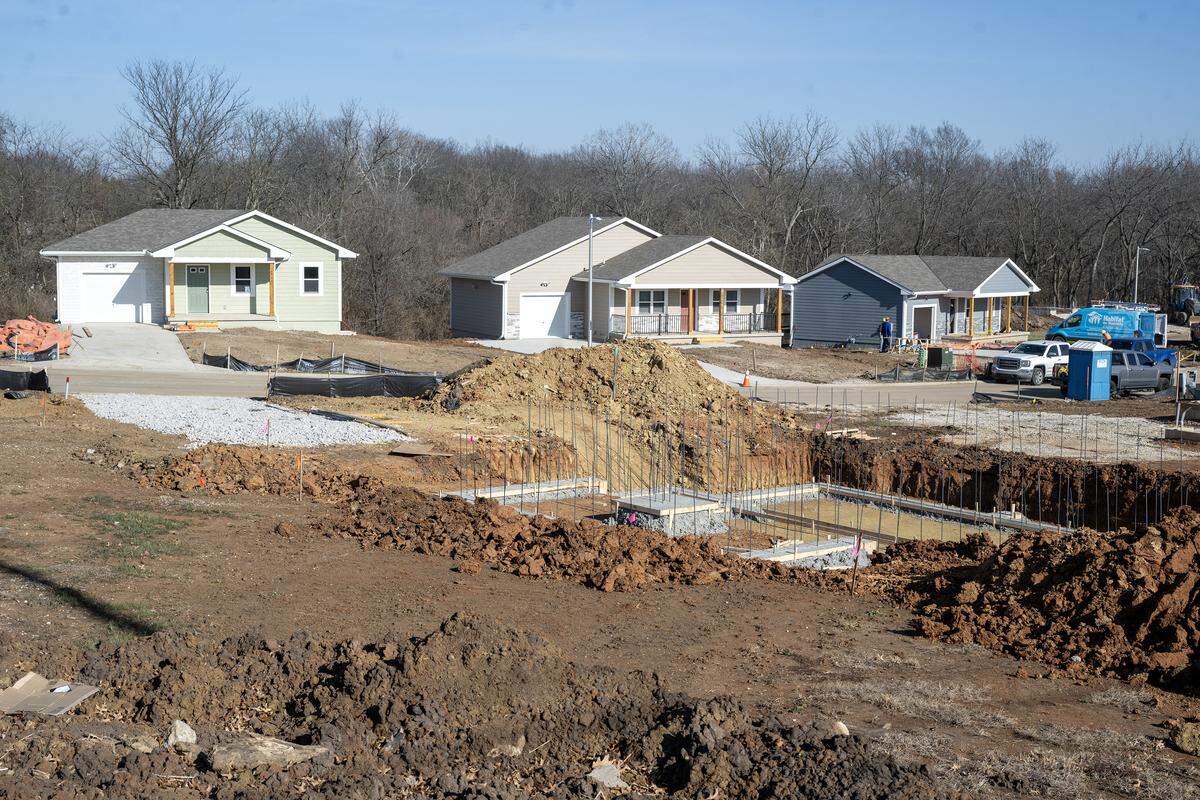
Over the summer, Habitat for Humanity began construction on Pathway at Heritage Park, an affordable housing project that will build 14 homes off of Black Bob Road. The homes will be a part of a Community Land Trust model to help ensure long-term affordability, according to Habitat for Humanity. The project is set to be completed this December.
“Whether it’s first-time buyers or individuals looking to make that jump into their second home or living situation, (we) want to have an offering for all residents that are interested in Olathe and ... our council has that priority list of making sure we do offer various opportunities to achieve housing in our boundaries,” Kennedy said.
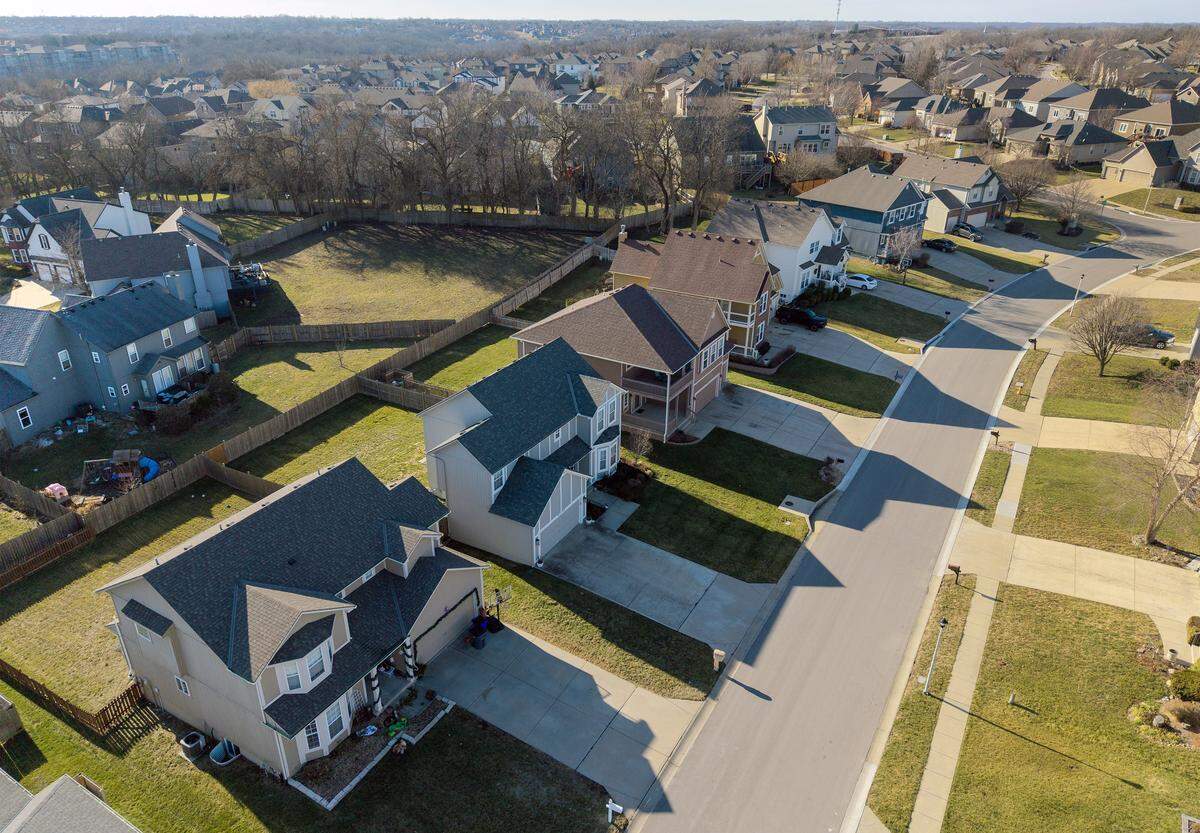
For United Community Services, one of the organization’s big pushes this year is zoning reform by advocating for Johnson County cities to adopt a unified approach to their zoning rules to make it easier for developers to build a variety of housing options, Baughman said.
“I think anytime the county or cities have land available, I think they should be prioritizing building housing and … being really thoughtful about how we develop our housing,” Baughman said. “I think we’re very thoughtful about how we do economic development in our cities, and I think more and more we recognize that you can’t separate economic development from housing.”
This story was originally published January 10, 2026 at 5:00 AM.