How this KC woman, in time of Trump crackdown, struggles to help teen refugees
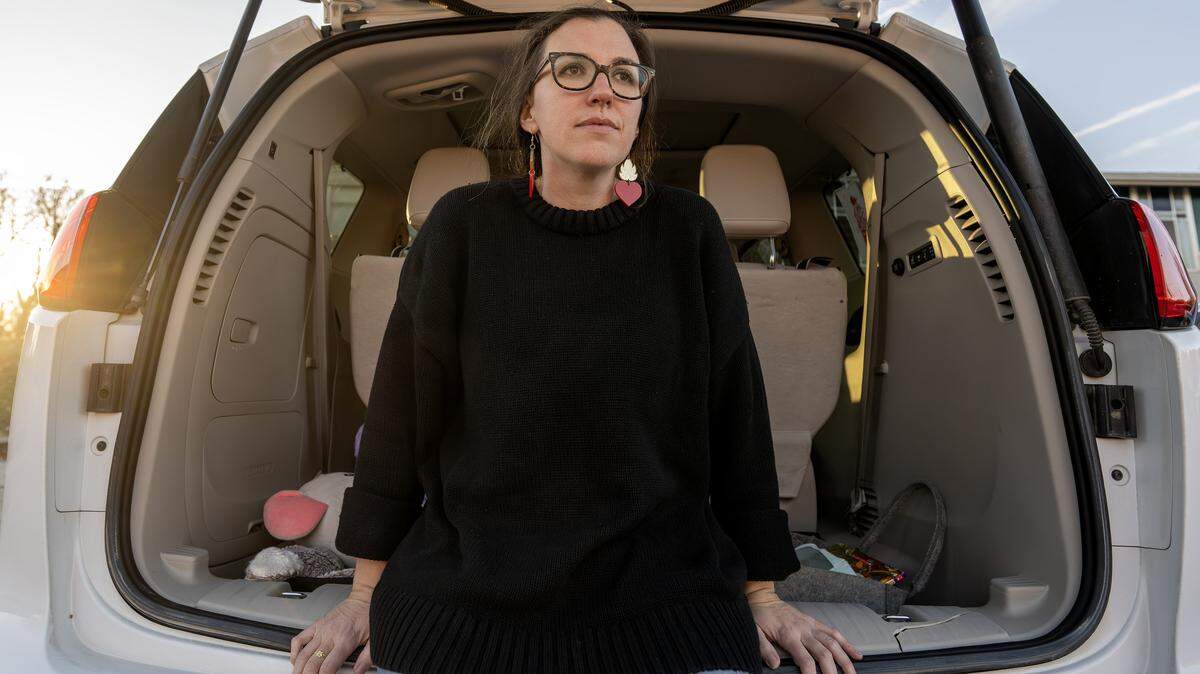
Meaghan Fanning, a 35-year-old licensed clinical social worker who spends every day counseling and trying to improve the lives of Kansas City’s child, teen and young adult refugees, starts her mornings the same.
Her alarm rings. She is up at 4:45 a.m.
Then Fanning — a Rockhurst University graduate who has steeped herself in the Jesuit philosophy of serving God by serving the greater good — recites a prayer.
“Oh God, for those who hunger, give bread. And for those who have bread, give a hunger for justice.”
Soon after, it is time for Fanning to dive into her work.
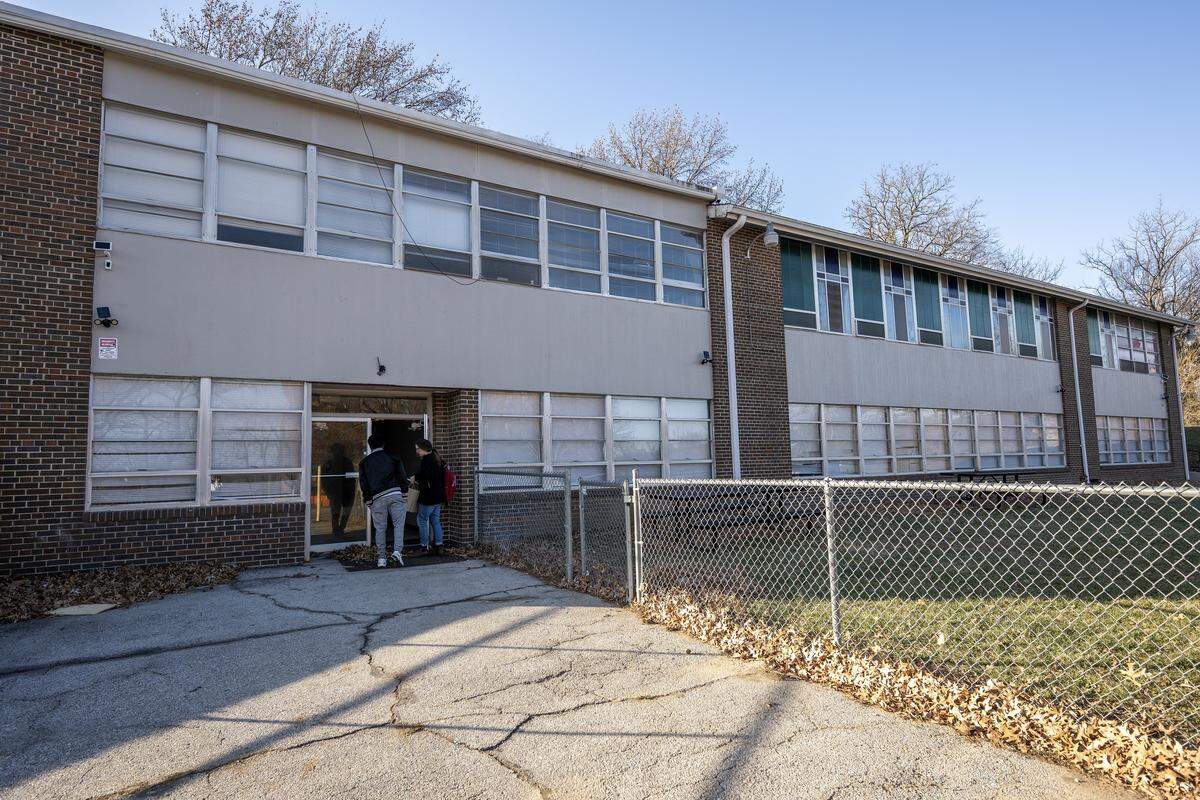
It is a job, as the youth social work manager for Jewish Vocational Services, contracted to be Kansas City’s largest refugee resettlement agency, that one year into President Donald Trump’s second administration, has presented challenges not only to the mental health and security of some 350 child and young refugees in Kansas City from Afghanistan, Congo, Mexico, Rwanda, Somalia, Haiti and 20 others countries, but also to the organization’s overtaxed staff.
On the president’s first day in office, when he signed an executive order that effectively shut down refugee admissions into the United States from a peak of 100,000 in a year under President Joe Biden to 7,500 under Trump, it not only stopped the flow of refugees, it also halted the flow of resettlement funds to agencies such as Jewish Vocational Services, founded in 1949 to aid Jewish survivors displaced by the Holocaust.
As a result, Fanning’s JVS colleagues shed tears to watch the layoff of 40% of their staff, leaving 60 employees to do the work of 98, and forcing the organization to turn to donors to help fund their services. New refugees — people fleeing war or persecution — are not coming in, but JVS each year still provides services to some 7,500 refugee clients in the city each year.
“I mean three months ago, I would have given you a different answer: ‘We’re holding up. We’re keeping each other motivated,’” Fannings said to the question of how her own staff of nine youth case workers and therapists are coping. “But the answer today is, ‘Absolutely exhausted.’”
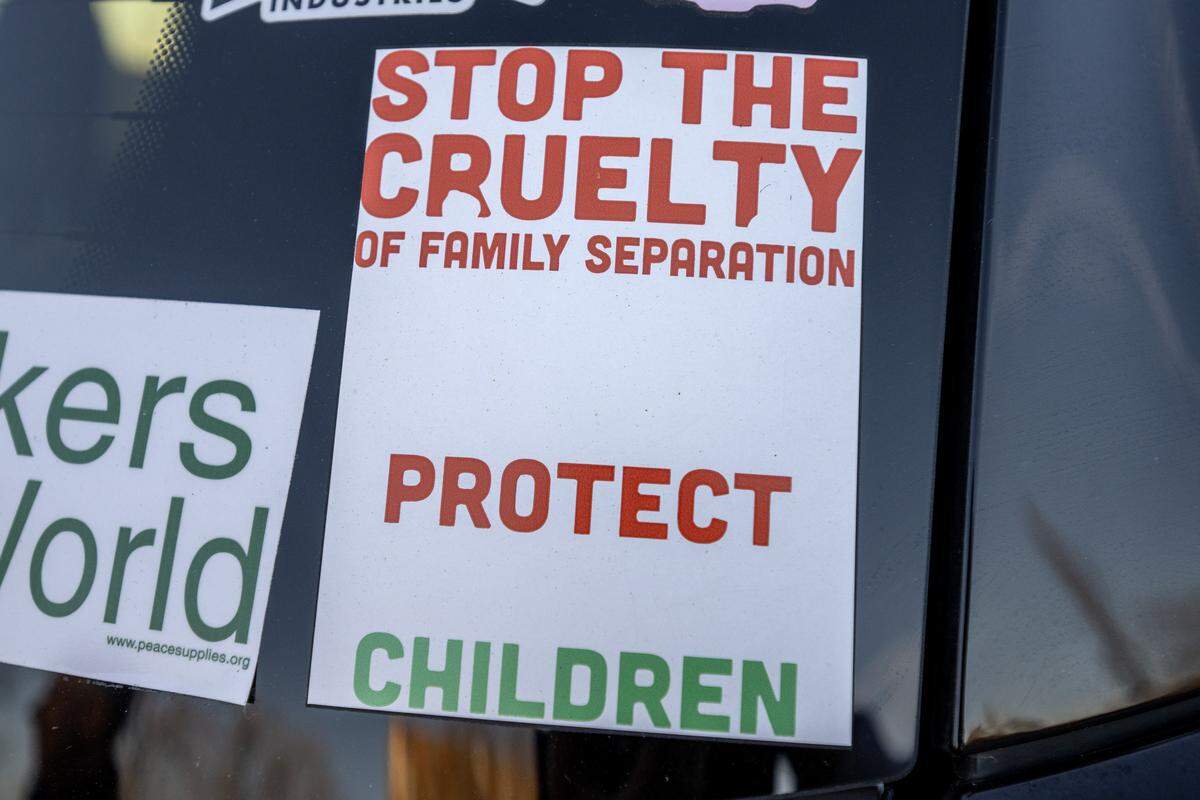
Trump cuts refugee help
Throughout 2025 and now into 2026 Trump, citing his promise to strengthen national security and to control America’s borders, has taken aim not just at illegal immigration, but also at refugee policies on multiple fronts, including:
- A provision — part of the president’s One Big Beautiful Bill Act — to deny refugees emergency food assistance through SNAP (the Supplemental Nutrition Assistance Program) unless they have been deemed lawful permanent residents, a process that can take years. Jewish Vocational Services estimates they have 170 families — some 770 people — who may soon lose food assistance because they have not been in the country long enough.
- Ending temporary protected status for people from countries such as Ethiopia, Haiti, South Sudan and Venezuela.
- Shortening the length of work permits from five years to 18 months.
- In November, after two National Guard members were allegedly shot by an Afghan national who came to U.S. in 2021, after having aided the U.S. in the war, Trump called for the reexamination of “every single alien who has entered our country from Afghanistan under Biden.” The processing of all immigration requests from Afghanistan were immediately stopped.
“They are each one more thing in a line of things that work to destroy our humanitarian-based immigration,” said Hilary Cohen Singer, Jewish Vocational Services’s executive director, “and to put folks who are not born in this country in increasingly unsafe and scary positions. . . .
“This is part of a bigger effort — I don’t think that that’s a secret — to discourage people from coming to this country.”
If not all people, then people from specific countries, as the president has consistently made clear.
In 2018, during his first term, the president questioned why the U.S. should accept immigrants from “shithole” nations that included Haiti, El Salvador and various African nations as opposed to, the president said, Norway.
In February, he fast-tracked refugee status for white South Africans, known as Afrikaners, to come to the U.S. at the same time he was cutting aid to the country and halting other refugee programs.

In December, during a cabinet meeting Trump unleashed a nearly three-minute tirade against Somalians in America, calling them “garbage” and also calling Minnesota congresswoman and Somali-American Rep. Ilhan Omar “garbage.” The comments came after the president referenced a fraud scandal in which dozens of people in Minnesota from East African descent were alleged to have stolen over a billion dollars from the state’s child nutrition program.
“I don’t want them in our country,” the president said specifically of Somalians. “Their country stinks. . . .Our country’s at a tipping point. We could go one way or the other. We’re going to go the wrong way if we keep taking in garbage into our country. Ilhan Omar is garbage. She’s garbage. Her friends are garbage. These aren’t people that work. These aren’t people that say, ‘Let’s go, come on, let’s go make this place great.’ These are people who do nothing but complain. . . .Let them go back to where they came from and fix it.”
Last month at a speech on affordability in Pennsylvania, Trump confirmed his 2018 “shithole” comment, adding that he asked senators at the time, “Why can’t we have some people from Norway, Sweden, just a few? Let’s have a few. From Denmark. Do you mind sending us a few people? Send us some nice people, do you mind? But we always take people from Somalia, places that are a disaster, right? Filthy, dirty, disgusting, ridden with crime.”
Working three jobs and worried
Fanning views the world, and the people she serves, completely differently. JVS offers counseling to adults. Fanning’s job, and the jobs of the nine youth services workers she supervises, is to help children and young adults, including unaccompanied minors — people who left the chaos of their native countries to make it to the U.S. and seek asylum on their own.
“They are on my mind the most,” Fanning said. “They are literally here without family or parents. . . .I’m thinking of a girl. She traveled here by herself when she was 15 from Guatemala. It took her three months to get here. She does not have any parents in the United States.”
She spoke no English when she arrived. “Not a word,” Fanning said.

The girl had never touched a computer. She entered East High School when she arrived. She graduated. She’s now in community college, paying her rent and for school on her own. She works three restaurant jobs to make ends meet, working 4 p.m. to 2:30 a.m., sleeping for a few hours, only to be back at another restaurant for the breakfast shift — with school in between.
Fanning said that the two of them had just spoken to each other days before. In the current political climate, the girl is despairing.
“She comes to my mind all the time,” Fanning said. “She has expressed the most concern about losing hope, struggling to keep her hope alive.
“She has to pay $890 out of pocket, every four months, for community college because she doesn’t quality for FAFSA (federal aid). She’s asked my guidance on, essentially, is this still worth it to do? We talked about what is keeping her motivated, why she’s still here, why she’s fighting so hard for her future, despite not feeling welcome here anymore.”
Having applied for asylum, the girl has an attorney. She has a driver’s license and legal work permit. Her dream is to speak perfect English and become, like Fanning, a therapist.

“She doesn’t know if there’s a reason to continue to have that kind of dream now,” Fanning said, “when she feels like all the steps that she’s taking to get there could be pulled out from underneath her at any moment.”
Fear now pervades the refugee community, Fanning said. On her schedule: a team meeting to consider the possibility of providing counseling and emotional support to refugee children at Northeast Middle School.
“We’re already doing that at the high school level, but now we’re down to the middle schools to provide a safe space for kids,” Fanning said. “They’re facing adult problems and they’re bringing them to school: loss of food stamps, loss of housing, loss of jobs — their parents’ jobs because of work permit issues.
“We also know lots of kids who have moved multiple times to kind of basically change their address so that there’s not an address on file with the government. I mean, the stress that they’re absorbing at home — of just their parents wondering if they should still be here or not — is causing them to not be able to concentrate at school.”
No system to count on
Fanning’s own caseload is 17 kids, ages 14 to 19. At the end of September, she bought a 2017, white Chrysler minivan with 130,000 miles on it to shuttle her team’s kids from place to place. She drives the kids so often, that she had put 30,000 miles on the van in less than three months.
Her team of nine handles about 350 other children and young adult refugees, ages five to 24, from countries that include Congo, Afghanistan, Syria, Sudan, Cameroon, Rwanda, Haiti, Tanzania, Mexico, Guatemala and others.
“One of the things that strikes me the most, one of the things that has changed this year, is we’ve had many high school students tell us that they do not want to graduate,” Fanning said. “They don’t feel safe leaving high school. They also feel they have no job prospects, or no ability to go to college — so they don’t want to graduate.
“They want another year in high school because it feels like a more safe place for them than trying to go out in the world and navigate this climate.”
“We have always had motivated students. Graduation is the goal for everybody. It’s everybody’s biggest celebration. It’s everybody’s joy and family collective goal. This is the first time ever where we’ve had students not wanting to take extra classes online because it would mean they would graduate — which is a huge, huge problem to figure out.
“How do you motivate a young person right now when it’s always been based on hope, and on their future, and being able to take steps toward their future, when nobody can envision the future — including staff. It is incredibly hard to motivate kids.”
The counselors, too, are having a harder time.
“So my staff, almost all of them are refugees or immigrants themselves,” Fanning said, “so they’ve had lots of family fears. It’s their first time trying to come to work while they’re worried about their families.”
One worker is from Somalia, with family in Minnesota. All are legal residents, but that doesn’t allay the worry. Following the state’s large-scale welfare fraud, Trump focused his ire on the community, sending hundreds of immigration enforcement agents to the state.
This month, clashes have lead to massive protests and the shooting death by agents of two American citizens, poet Renee Good, who lived last year in Kansas City, and Alex Pretti, a nurse who cared for patients at the Minneapolis Veterans Affairs Medical Center.
“There’s the fear factor,” Fanning said. “Nobody feels like there’s any system that they can count on at this point. If the focus is now thinking that Somali people scam the government, then Somali people are going to be freaking out that they are going to be targeted.”
Ever present, Fanning said, is refugee trauma — JVS’s counselors helping young people deal the robberies, sexual assault and murders they may have experienced on their journeys to the U.S.
‘Let God, like, work on it’
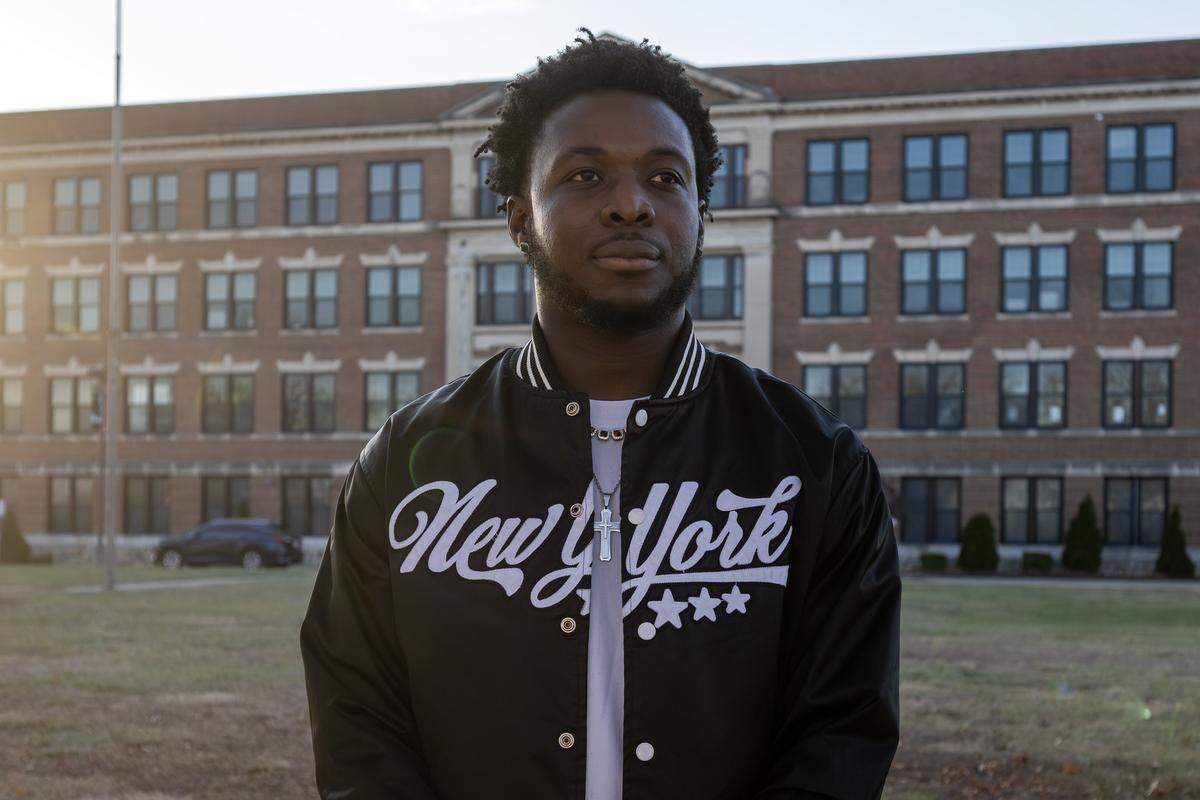
Now age 20, Mayson Victor is one of them. Originally from Haiti, he was 16 when, on his own, he made his way from Chile, where his father had been living, through Peru and then into Colombia and through the Darién Gap — a perilous strip of jungle where migrants on their way north are forced to not only face swamps, rivers, and wild animals, but also the exploitation, thievery, rapes and murders dealt out by criminal gangs along the way.
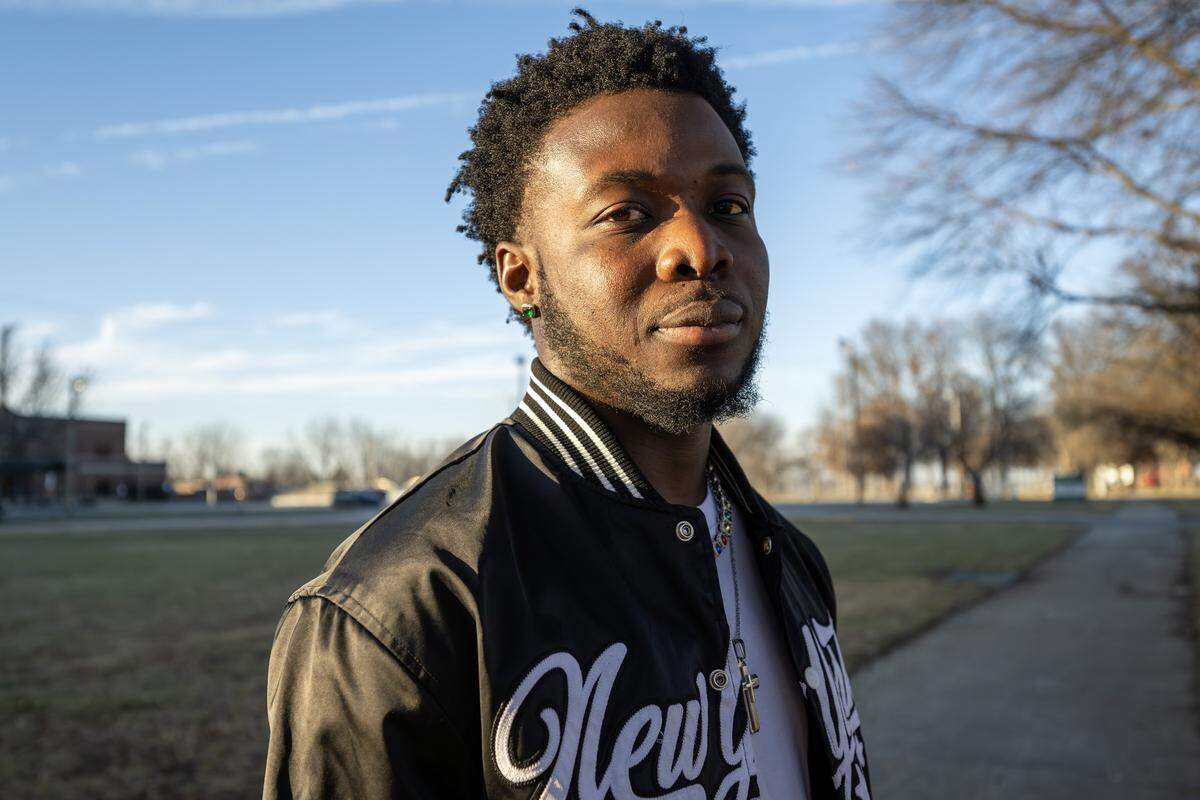
Victor saw it all — excelling despite everything, even lifting young children who could not swim onto his shoulders, allowing them to cross deadly rivers, where they would otherwise drown.
Victor arrived in the U.S., in Texas, at age 17. He presented himself for asylum at the border, and made his way to Kansas City to the home of a relative. Victor knew no English. He now speaks the language with confidence, graduated from East High School in May 2024, and is playing soccer in Nebraska at a community college
“It was a dream for me to come study here or Canada,” Victor said. He thinks he may one day run a restaurant, possibly serving Haitian food, or own his own business. He wants to send money home to help his mother.
Fanning said that it’s young refugees like Victor, faced with what seem to be insurmountable odds, who continue to give her hope.
“His journey was so perilous,” she said, “and it took him so long. He worked so hard through it. He took care of all the people in his group, and he took care of the kids. He just did not give up, and he just will not let himself get down right now.”
He insists that is so.

“I just don’t think that worrying is the best things for me to do,” he said. “You just have to stay calm and then see how everything is going. I know anything can happen. I’m just trying to get ready for that, for whatever is going to be.”
In the meanwhile, he said, “I’m just letting go. Let God, like, work on it.”
This story was originally published December 23, 2025 at 5:00 AM.