Kansas City has paid $6 million in police lawsuits in 2025. It’s only August
AI-generated summary reviewed by our newsroom.
- Kansas City paid $6 million in police settlements by mid-2025, doubling 2024
- From 2021 to 2025, taxpayers funded $20.8 million in KCPD legal payouts
- Wrongful death and excessive force claims account for most settlements paid
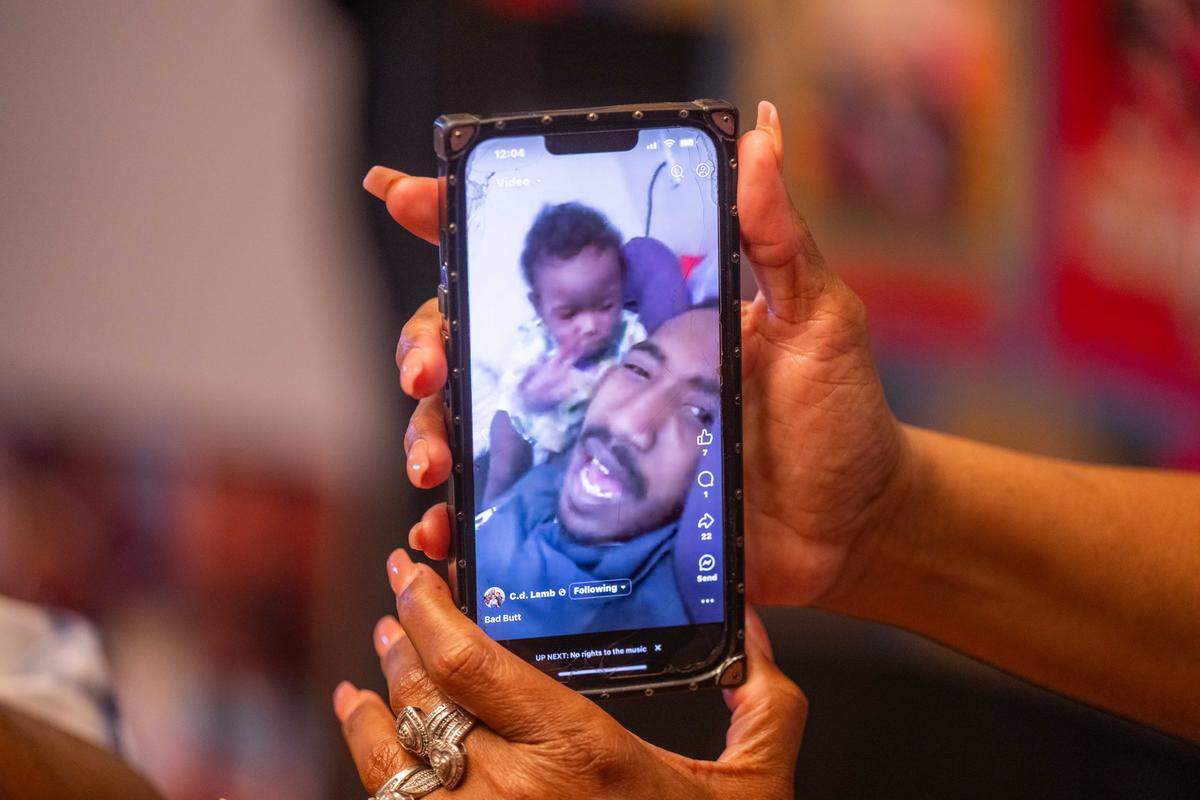
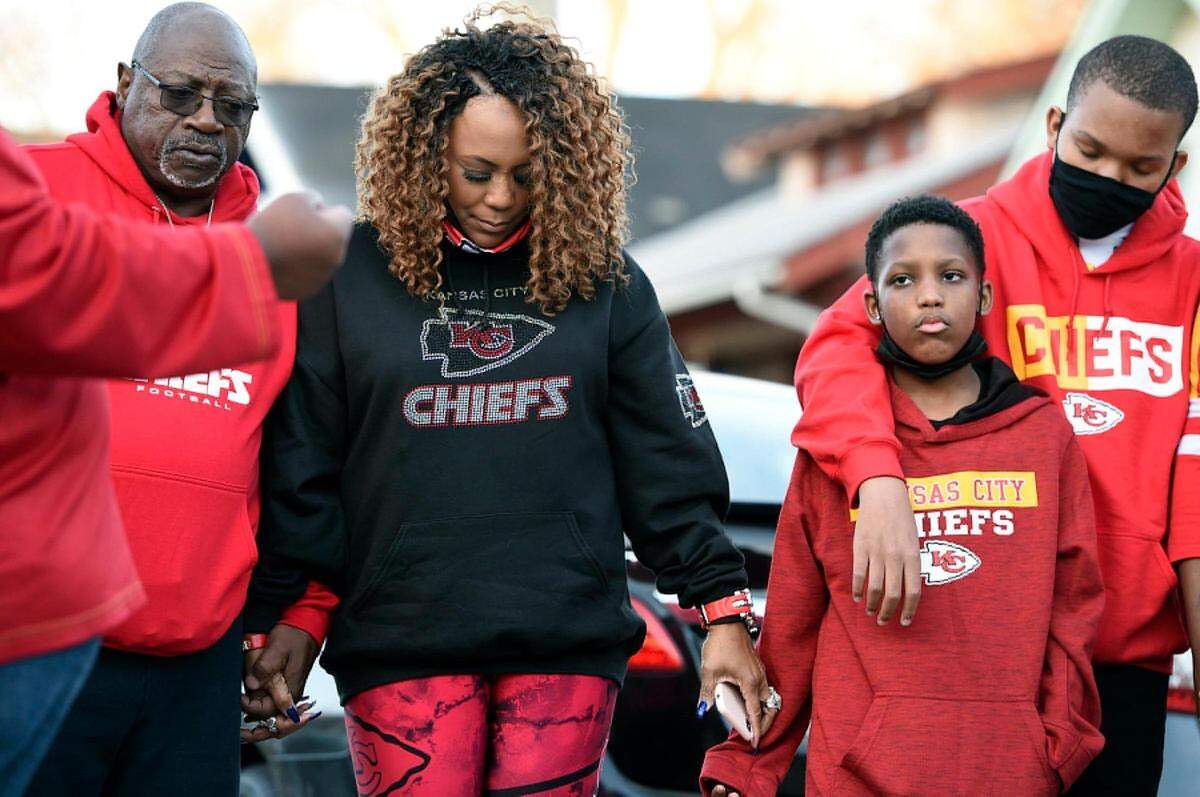
Surrounded by loved ones, Laurie Bey said it wasn’t until around 8 p.m. on Dec. 3, 2019, that Kansas City police officers finally came to her home to confirm what she had already learned hours earlier — that her 26-year-old son, Cameron Lamb, had been shot and killed by a police detective around noon that day.
Despite her asking questions, Bey said, officers didn’t have any answers. Instead, they handed her a card with a phone number for the department.
She called for days, but no one answered.
“I found out hours before anyone (from the department) ever came to me,” Bey recalled in a July interview at her home. “They could not give me any information whatsoever. This is my son. I want some answers.”
In the days that followed, Bey said, the department also denied her the opportunity to see her son’s body until the day before his funeral.
Six years later, she said the department has never apologized for killing her son, and she has felt disrespected ever since.
In April, Bey and the attorneys finalized litigation with the Kansas City Police Department. The department settled with them for $4.1 million, significantly less than the $10 million they initially sought.
They aren’t the only family that has privately settled with the department in recent years.
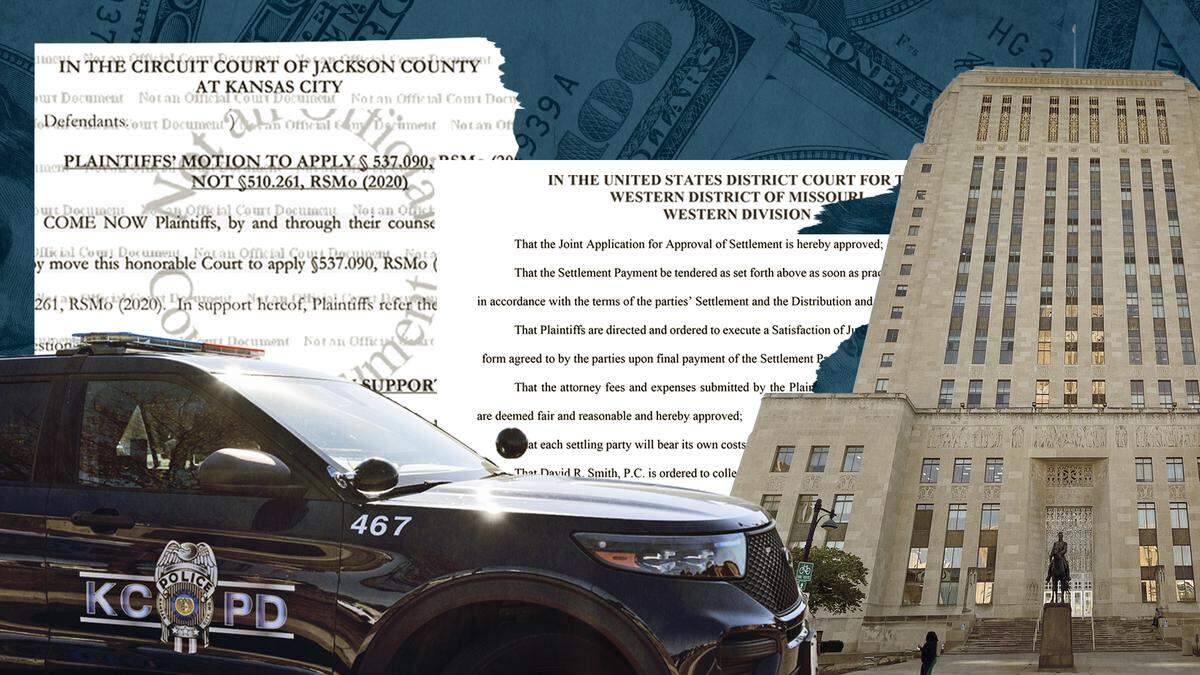
In fact, since 2021, Kansas City taxpayers have paid out nearly $20.8 million to resolve lawsuits filed against the police department, including claims of wrongful death, excessive force, discrimination, and other alleged misconduct, according to police records.
Halfway through 2025, the Kansas City Board of Police Commissioners approved paying $6 million in legal settlements, an increase from the nearly $3 million paid out in all of 2024.
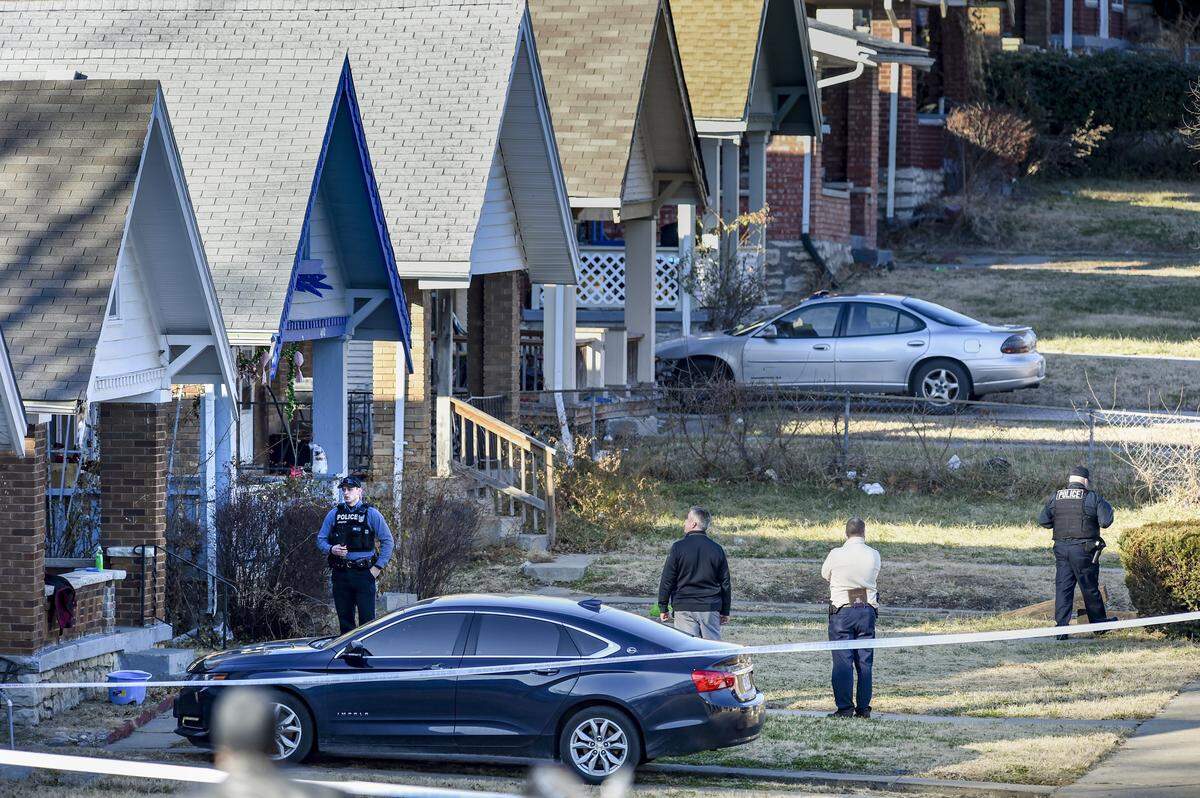
For the past few weeks, The Star has analyzed dozens of lawsuits between January 2021 and June 2025.
In its analysis, The Star found:
The department paid out $20.8 million from January 2021 to June 2025.
Seven wrongful death lawsuits cost the city $13.3 million.
17% of the settlements were excessive force lawsuits, costing taxpayers roughly $1.84 million.
The Kansas City Board of Police Commissioners and its attorneys discuss settlements often behind closed doors, away from public view.
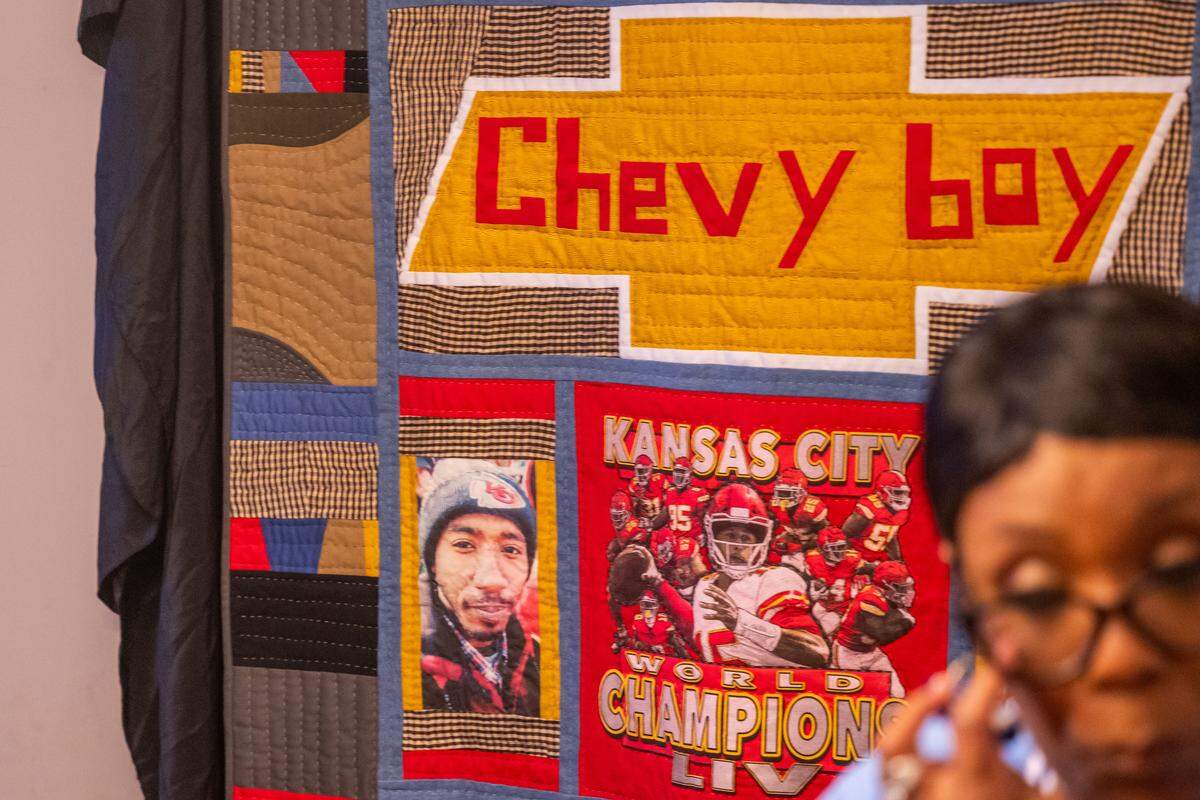
The money, Lamb’s family said, doesn’t make up for the loss of their son, who dreamed of opening an auto repair shop, was an avid Kansas City Chiefs fan, and, just before he was killed, had found a home where he planned to raise his three sons: Cam’Ron, Cincere, and Cameron Jr.
The boys are now six, 10, and 12 years old.
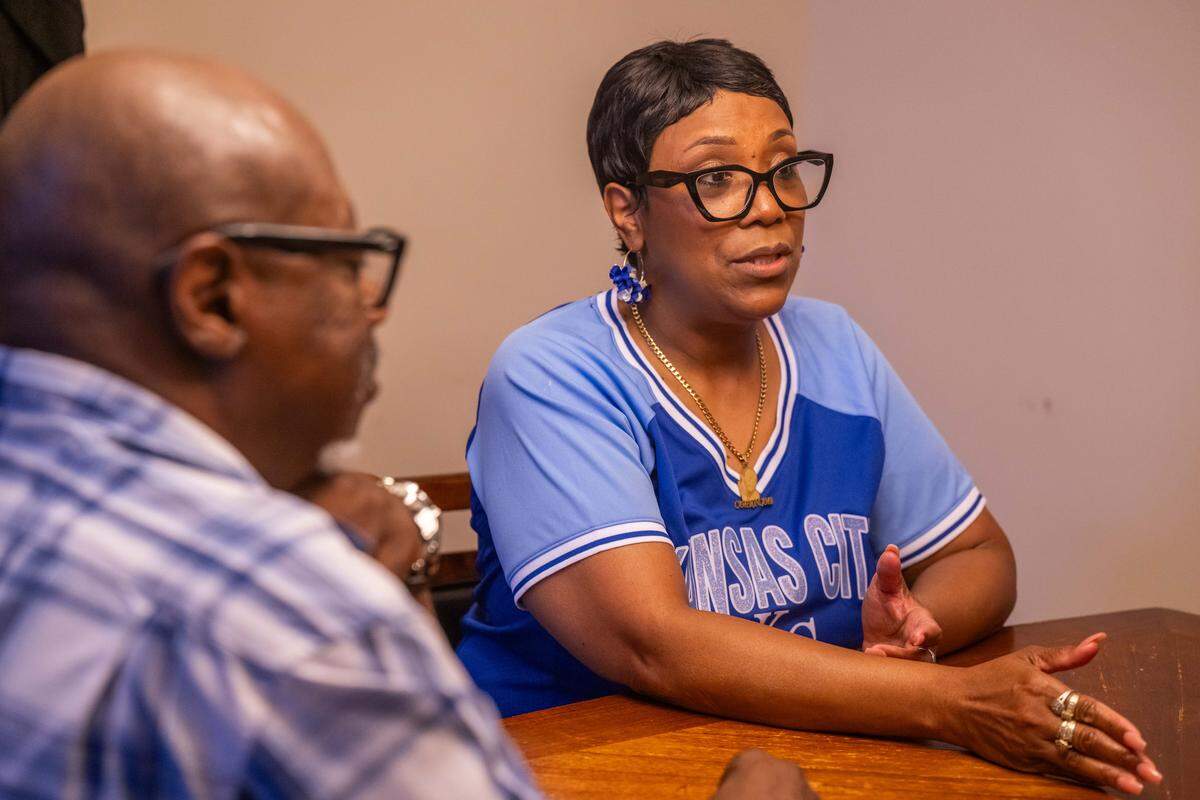
“My son’s life was much more value than the money that I received,” Bey said. “It helps me cover some things, sure, but no one is rich in this.”
Allegations range from deadly force to discrimination
The millions of taxpayer dollars paid out in recent years covered settlements and attorney fees paid to outside counsel.
The settlements span a wide range of allegations, from deadly police interactions where someone was killed to excessive force incidents, including a case where an officer allegedly slammed a minor’s face into asphalt and punched them repeatedly until they bled.
Others involved discrimination, sexual harassment, negligence, illegal search and seizure, assault and battery, violations of constitutional rights, and other allegations.

Among all the claims, wrongful death settlements have cost taxpayers the most money since 2021. Meanwhile, excessive force settlements made up the largest number of lawsuits resolved, according to records.
The Star also found that former and current KCPD officers filed at least eight settlements, totaling $2 million, alleging retaliation and workplace discrimination based on their age, race, and gender. In one instance, the department paid $45,000 to an employee who said she was sexually harassed by male colleagues.
Of that $20.8 million, the department paid Missouri Attorney General Andrew Bailey’s Office $885,756 for legal representation.
Decisions on resolving litigation were made on a case-by-case basis, according to police department spokesperson Sgt. Phillip DiMartino.
“We seek to balance the best interest of the community and the department,” DiMartino wrote in an email. “Decisions on settlements are made in consultation with counsel, approved by the Board of Police Commissioners, and are based on many factors.”
DiMartino declined to make Chief Stacey Graves available for comment on this story.

2025 settlements exceed $6 million
This year, the police department is on pace to have one of its most expensive years in legal settlements, with cases still pending.
In contrast, in the seven years from 2014 to 2021, the department paid out more than $9.5 million for excessive force claims — an average of less than $1.4 million per year.
The $4.1 million settlement with Lamb’s family is one of the largest paid thus far in 2025.
Some settlements and judgments this year have not been paid yet and are not included in the $6 million figure.
Last month, a police detective who sued the department for discrimination was awarded $4.7 million. Earlier this year, the police board agreed to pay $14 million to Ricky Kidd, a Black man who spent 23 years in Missouri’s prison system for a crime he didn’t commit.
With those figures, Kansas City taxpayers are already on the hook for more than $24 million in 2025.
DiMartino said the department is “always evaluating and analyzing” incidents involving its officers.
“Whether it is a settlement, a critical incident, or a car stop, as a culture, we ask; what can we learn? What needs to change? These moments push us to look deeper at our training, supervision, and policies,” DiMartino wrote.
Police violence against Black residents in Kansas City isn’t new.
In Kansas City, from 2013 to 2021, Black people were killed at a rate 5.6 times higher than white people, per one million residents, according to data compiled by Mapping Police Violence. The same data also found that Black people were the most likely to be arrested for low-level, non-violent offenses, despite making up around 25% of the city’s population.
Advocates like Eze Redwood, an organizer with It’s Time 4 Justice, said the millions in legal settlements represent systematic issues within the department.
“Without transparency, there can’t be trust,” Redwood said. “The data doesn’t lie. We have massive amounts going out. And payments where the officers are found to be in the wrong, and sometimes those officers are back on the street.”
When officers involved in deadly and excessive force incidents patrol these communities, Redwood said, it only heightens fear.
“Sometimes those officers are back in those communities or at a desk, and the communities don’t feel like there are penalties for actions that were harmful to members of the community, which amplifies trauma,” Redwood said.
Under Graves’ leadership, Redwood credited the department for meeting with advocates and community members, but said there was still a way to go.
“I want to push them to further lean into thinking creatively about how can we produce the absolute best trained officers,” Redwood added. “There’s always more room for training, until we get that settlement number down, the homicide number down, and the community trust up.”
KCPD wrongful death settlements
Seven wrongful death lawsuits have led to $13.3 million in legal settlements since January 2021.
During that time, the families of Cameron Lamb, Alphonso Carroll, Thomas Mark Colatrella, Donnie Sanders, Robert White, and Cathryn McClelland completed litigation and received one or multiple payments from the department, according to police records.
Also among the group is Rontonya McGee, whose son, Terrance Bridges Jr., was shot and killed by a Kansas City police officer after a footrace on May 26, 2019.
Officer Dylan Pifer was responding to a domestic violence and carjacking call on that day, according to police records. Officers deemed Bridges a suspect at the time. Bridges fled when Pifer attempted to arrest him. Pifer shot Bridges in the chest, killing him.
Pifer told detectives he believed Bridges was armed. However, an investigation by the Jackson County Prosecutor’s office found that Bridges was unarmed and had not been given commands during the chase.
Pifer was never charged.
Police department officials confirmed on Wednesday that Pifer is still on the police force and works in the department’s patrol bureau.
The department settled with McGee for $5 million in 2022.
She said the money could never bring her son back, and her physical and mental health declined after he was killed.
And every day she wakes up missing her son, who she said loved to dance and attend family gatherings.
“No amount of money could erase my pain,” McGee said in a phone interview. “I’d rather have my son here than anything. My life has been pure hell. We deal with this (loss) every day, wake up in tears, crying, it’s just too much.”
Like McGee, Lamb’s family has also seen justice slip through the cracks.
Kansas City police detective Eric DeValkenaere killed Lamb while he was sitting in his truck on his property. The shooting happened within nine seconds of DeValkenaere and his partner, Troy Schwalm, arriving at Lamb’s home.
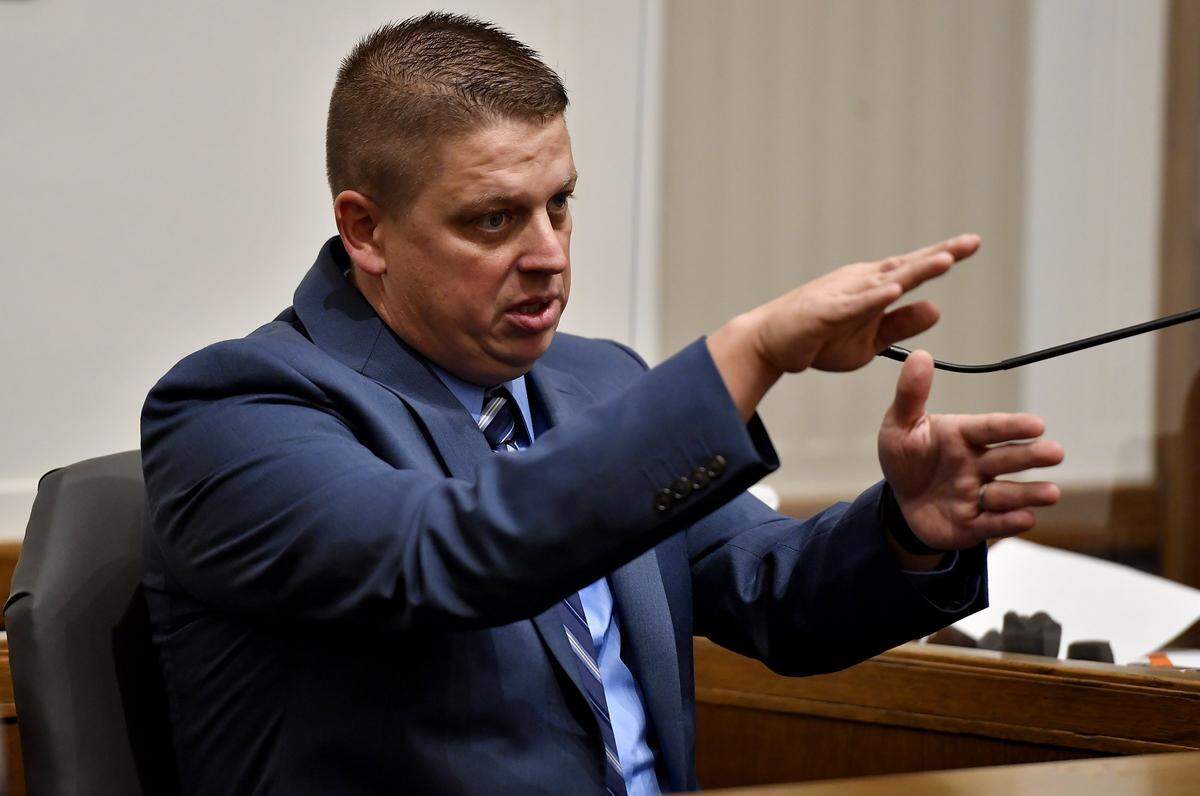
DeValkenaere told investigators Lamb was armed and worried the 26-year-old was going to shoot Schwalm. He fired his weapon four times, striking Lamb in the leg and upper chest, according to autopsy results.
DeValkenaere was charged with involuntary manslaughter and armed criminal action.
During DeValkenaere’s trial, Jackson County prosecutors said the police department staged the crime scene and planted a gun near Lamb’s left hand before investigators arrived.
DeValkenaere’s conviction in 2021 made him the first white police officer in Kansas City convicted of killing a Black man.
However, one year into his prison time, then-Gov. Mike Parson commuted his sentence, allowing the former officer to walk free.
For Lamb’s family, the release of the officer who killed their son and the settlements paid from taxpayer dollars left them feeling even more frustrated.
“I’ve been a taxpayer here since I’ve been working at a young age,” Bey said. “So really part of this settlement that I got is taxes that I’ve paid.”
State-controlled, city-funded
Since 1939, the state of Missouri has maintained control of the city’s police department. The Board of Police Commissioners is a five-member body responsible for overseeing the operations of the department.
The Missouri governor picks four seats, while the last seat is held by the Kansas City mayor.
The Star got in touch with two board members, Madeline Romious and Heather Hall, who both declined to comment on this story. Attempts to reach the other two members, Scott Boswell and Tom Whittaker, were unsuccessful.
So, how can Kansas City residents hold the police department accountable?
“I don’t think they can,” Mayor Quinton Lucas said in a June interview at City Hall, noting that Kansas City’s police government structure limits residents’ power.
“What you’re seeing is where there is no political path to accountability … either people go to the streets or alternatively go to the courts and the courthouse steps. And that is a very expensive way for a community to have accountability on things,” Lucas said.
When told about $20.8 million in settlements, Lucas said the state of Missouri should cover all police liability costs because of its authority over the department.
“That’s a lot of money in a world where everybody says there isn’t enough money going to the police,” Lucas said.
Lucas also said the department and the police board need to examine how they can prevent future lawsuits.
“The biggest defunding of the police happening right now is through what we’re seeing in settlements, liability, and the fact that the board of police commissioners is not reassessing how those costs can be defrayed long term,” Lucas said.
Wes Rogers, 2nd District Councilman, said the police settlements were just the “tip of the iceberg” of litigation filed against Kansas City agencies and departments.
“I’m not interested in pointing fingers,” Rogers said in a phone interview. “To me, it’s real hard to blame any particular group when this is an epidemic of a problem in our city.”
The Star reached out to each member of the City Council for comment on this story. Sixth District at Large Councilwoman Andrea Bough’s office said she was not available. Third District at Large Councilwoman Melissa Patterson Hazley’s office said she declined to comment. Others could not be reached.
Even with a string of settlements, police typically aren’t required to admit fault or wrongdoing, according to Lauren Bonds, executive director of the National Police Accountability Project.
“A lot of settlement agreements, unfortunately, include a kind of waiver where the police department doesn’t acknowledge any wrongdoing or that there was anything wrong,” Bonds said.
Since the murder of George Floyd by Minneapolis police in 2020, which sparked nationwide protests where thousands of people called for accountability and justice, police killings have continued to rise.
Those demands led to proposals such as investments in crisis response teams, revising police use of force standards, and some states either banning or limiting qualified immunity, according to Bonds.
However, nationally, the implementation of these programs has stalled in recent years.
“There were a lot of exciting things that I think happened in 2021 and 2022, and some significant progress,” Bonds said. “Unfortunately, in 2023, 2024, and even this year, we’re seeing kind of a backlash to that. I don’t want to downplay them, but seeing them being executed and implemented has been a slower process than we might like to see.”
How KCPD settlements are paid for
Missouri law requires Kansas City to allocate 25% of its budget to the police department. In March, Kansas City lawmakers passed a $2.5 billion budget for the 2025-26 fiscal year. Of the $2.5 billion, the police department received $343 million, the largest budget among all city agencies.
Most police departments pay for settlements through a liability insurance policy, but the Kansas City Police Department doesn’t have one.
Instead, KCPD pays for its settlements through a “Self-Retention General Subsidiary Fund,” which receives $1 million yearly from the state of Missouri, and this year $2.5 million from the city council.
Most of the payouts are litigated in closed sessions, which means they are held behind closed doors and discussions aren’t open to the public.
Lucas said the closed session conversations point to transparency and accountability issues on the police board.
That $3.5 million for buyouts the department set aside this year has already been exhausted.
DiMartino said the department is covering settlements this year through multiple revenue streams.
“We are managing legal expenses by using funds rolled over from Fiscal Year 2025, receiving our statutory $1 million reimbursement from the State of Missouri for legal expenses, and delaying certain purchases,” DiMartino wrote.
He denied that any money would be taken from the department’s personnel budget, which covers officers’ salaries and pensions, to pay for settlements or other legal expenses.
“As of now, the discussion regarding any sort of cuts would affect equipment or contracts,” DiMartino wrote. “As we do every fiscal year, we continue to seek efficiencies in our budget that will allow us to be responsive to changing conditions.”
Regardless of how the department handles legal settlements, Bey said, the flow of money to cover police misconduct needs to stop.
“If you keep paying out these settlements, then that means you keep excusing all this bad behavior that’s going on,” she said.
This story was originally published August 7, 2025 at 10:31 AM.