In wake of protests, family of man killed by KCPD hopes for their turn at justice
To Rotonya McGee, her family is like a puzzle and her two dead children are missing pieces.
Fourteen years ago, she lost one son to gun violence. Last year, she lost another when her son Terrance M. Bridges was killed by a Kansas City police officer.
McGee has never felt that her son was treated justly, and over the last month she has heard his name chanted at protests in Kansas City along with the names of other Black men killed by Kansas City police: Cameron Lamb, Ryan Stokes and Donnie Sanders. When McGee first saw a video of the demonstrations and heard her son’s name, she cried.
Those protesters, and charges filed recently in the Lamb shooting, have encourage McGee to keep speaking out in hopes of justice and recognition for her son.
The protests in Kansas City, like others around the country, were sparked by the death of George Floyd at the hands of a white police officer in Minneapolis but were also a result of centuries of racial injustice. The demonstrations have called for an end to police brutality and racial inequality.
In Bridges’ case, the Kansas City Police Department has maintained that he was a suspect in a carjacking and that he was shot during a struggle. A recording of the moments after the shooting captured a brief conversation between Bridges and the officer who shot him.
Bridges’ family filed a wrongful death lawsuit in August, and they have said they want an independent investigation.
A new life
Bridges grew up in Chicago.
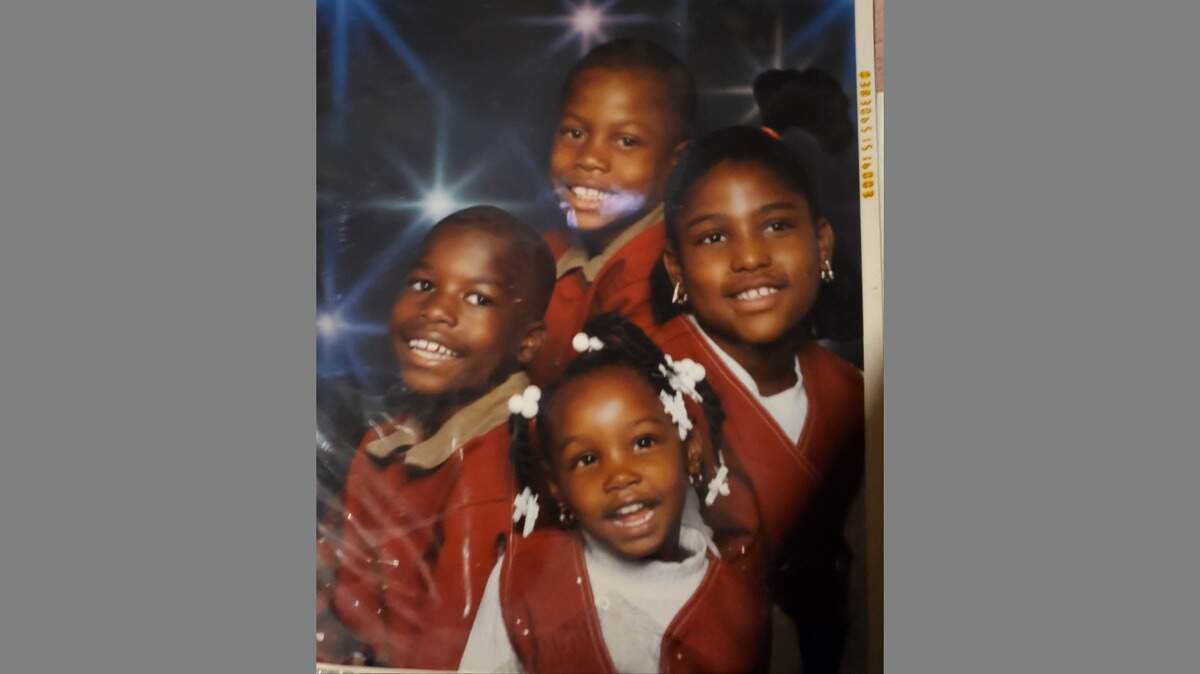
He had five siblings. His sister Tierra Cox said she and her older brothers, Bridges and Raydale Davenport, were especially close. Bridges and Davenport were her protectors. They always looked out for their little sister.
In 2006, Davenport was shot and killed in Chicago. The man who killed him was later sentenced to 50 years in prison.
McGee said after Davenport’s death, Bridges took on the role of big brother to his siblings.
Bridges would call McGee “Wonder Woman,” she said, because she would make anything happen for her children. McGee said she doesn’t feel like Wonder Woman anymore. She feels like she let him down.
“That’s what I would tell people: Love your kids while you’ve got ‘em,” McGee said. “Because you never know when they’ll be gone.”
Bridges loved to dance. In April last year, Bridges and McGee had a dance-off at the annual party they threw to celebrate Davenport’s life. Bridges would dance with his sister’s children too.
Cox said Bridges loved to cook, especially soul food. Two of his favorite things to make were fried pork chops and macaroni, she said, but he could cook anything.
Bridges wanted to be a homeowner and buy houses for Cox, McGee and his grandmother.
He and Cox had a plan to succeed. It was something they had dreamed about for years. She would sell books and he wanted to start his own trucking company.
“All he wanted was to make it out the projects,” Cox said. “My brother wanted something out of life.”
In 2018, Bridges moved to Kansas City with his girlfriend. He was planning on moving back to Chicago in July 2019, McGee said. Cox had been looking at apartments for him and his girlfriend.
His two sons, ages 13 and 12, now fatherless, are having a hard time with his death, McGee said. She talks to them constantly.
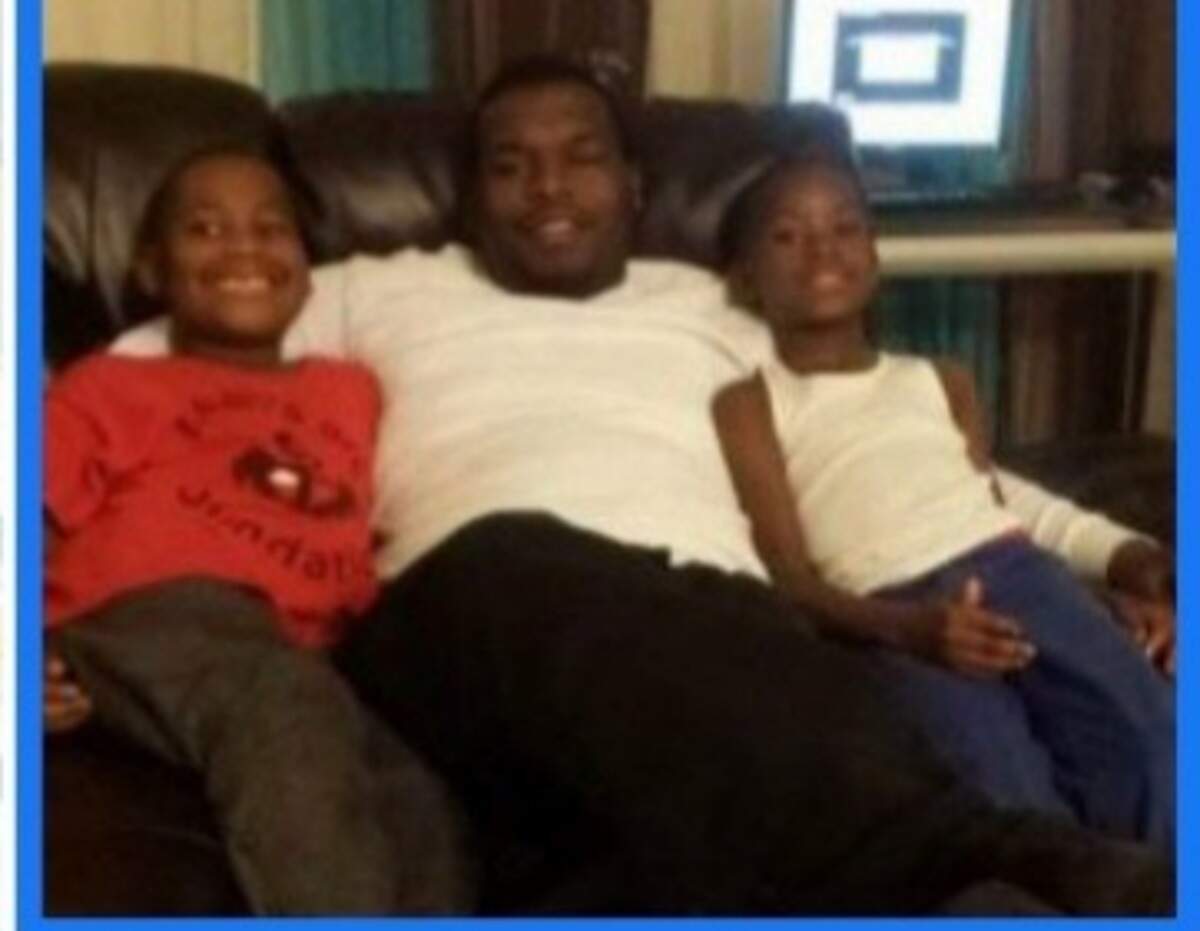
“Terrance Bridges, he is me, he is you,” McGee said. “Like they say, it takes a village to raise a child. It’s gonna take a whole village and the world to come together and fight for them.”
An early morning call
McGee said she got a phone call about 4 a.m. on May 26, 2019 from Bridges’ girlfriend. She could barely speak, but managed the words: “He’s gone.”
In the early hours of that morning, a Kansas City police officer shot Bridges in the 7000 block of Bellefontaine Avenue.
Police have maintained Bridges was a suspect in a carjacking, and that officers were responding to reports he had forced his way into a home, engaged a man in an armed confrontation and took his vehicle.
Police have also said that Bridges resisted during arrest and that an officer shot him during the struggle.
According to the use of force letter from Jackson County Prosecutor Jean Peters Baker, the officer didn’t give Bridges any commands during the chase.
In the officer’s statement, he said Bridges pulled his hands out of his hoodie pocket. He said he thought Bridges had a gun.
“I was ... I was scared,” the officer said. “The way he brought his hands up out of his hoodie pocket it was like he was presenting a gun towards me so I shot him.”
The officer’s microphone recorded the moments following the shooting.
“Show me your hands,” the officer said.
“I ain’t got nothing,” Bridges responded.
The officer then told him to “get on the ground.”
Bridges said: “You shot me.”
“Why’d you attack me, dude?” the officer said.
“I didn’t attack you,” Bridges said.
Bridges later died from his injuries at a hospital.
“The members of the Kansas City Missouri Police Department mourn the loss of any life in our community, especially when an officer is involved in that loss of life,” police previously said in a statement.
The family has disputed the police department’s account. In August, the family filed a wrongful death lawsuit against the police officer who shot Bridges, alleging the officer was not acting in lawful self-defense. That lawsuit is still pending in Jackson County Circuit Court.
“That ain’t serving and protecting,” McGee said. “That’s stealing and killing — stealing our kids’ lives, taking they lives . . . They not doing what they supposed to do. Because if they was, Terrance would still be here.”
She said she felt disrespected by the police department. She wasn’t allowed to identify her son’s body, McGee said, and didn’t understand why she was told her son was armed.
The investigation found Bridges was unarmed. Investigators never found a gun in the area.
Calling for justice
The past year, McGee said, has been hell. She doesn’t sleep much at night. She’s lucky if she manages to sleep for four or five hours before she wakes up.
“I don’t wish this pain on nobody,” McGee said. “This is like a dream that you can’t wake up from. This is a wound that never heals. This pain runs so deep.”
On June 4, Mayor Quinton Lucas announced outside agencies will review all police shootings and major use-of-force complaints against officers, including shootings in which an officer’s use of force appears justified.
The Missouri State Highway Patrol was called in to investigate when a Kansas City officer shot and killed a man suspected of carjacking on June 13. And while the change has not been written into formal policy, Kansas City police officials said that will be their practice for the “foreseeable future.”
On June 18, a Jackson County grand jury indicted Kansas City police detective Eric J. DeValkenaere in the 2019 killing of 26-year-old Cameron Lamb, who was shot while sitting in his pickup truck in his backyard. DeValkenaere, 41, was charged with first-degree involuntary manslaughter and armed criminal action.
McGee said she was grateful that Lamb’s family now had a chance at justice. She said it was a big step for DeValkenaere to be arrested at all.
“That’s progress,” McGee said. “I’m grateful to God that that family is getting justice,” McGee said. “And I want the same justice for my son. His life matters.”
McGee said she wants to see an independent investigation into her son’s death. She also wants the police officer involved fired and charged.
The investigation into Bridges’ death was conducted by the Kansas City Police Department. A grand jury decided no charges would be filed in Bridges’ case.
The prosecutor’s letter said there were “insufficient established facts” to support charges in Bridges’ case. Criminal grand jury proceedings are not subject to public disclosure.
Police spokesman Sgt. Jake Becchina said he doesn’t know if the department has discussed asking an outside agency to retroactively investigate a recent case such as Bridges’.
McGee said she wants to see the four men who were killed by Kansas City police and remembered by local protesters — Lamb, Stokes, Sanders and her son — to be recognized nationwide next to the names of others, such as George Floyd.
“I want them to know his name too. His life matters. Their lives matter. Say their names more.”
At Bridges’ open casket funeral last June, his family saw his face one last time.
He looked angry.
Gun violence will be the subject of a new, statewide journalism project The Star is undertaking in Missouri this year in partnership with the national service program Report for America and sponsored in part by Missouri Foundation for Health. As part of this project, The Star will seek the community’s help.
To contribute, visit Report for America online at reportforamerica.org.