‘She should be known by everyone’: Meet the woman who brought Pride Parade to KC in 1977
When people think of a city’s annual Pride parade, an image of a colorful party may come to mind.
For Lea Hopkins, who organized Kansas City’s first Pride parade 45 years ago, it’s much more.
Until recently an unsung hero in the history of civic leaders in the metro, Hopkins, a Black lesbian, set about to bring together opposing factions of a splintered community in a chaotic time, when race relations were just coming off the civil rights era.
To honor her for her decades of activism, this month’s 2022 KC Pride Parade made her the grand marshal, leading the parade from a classic Corvette.
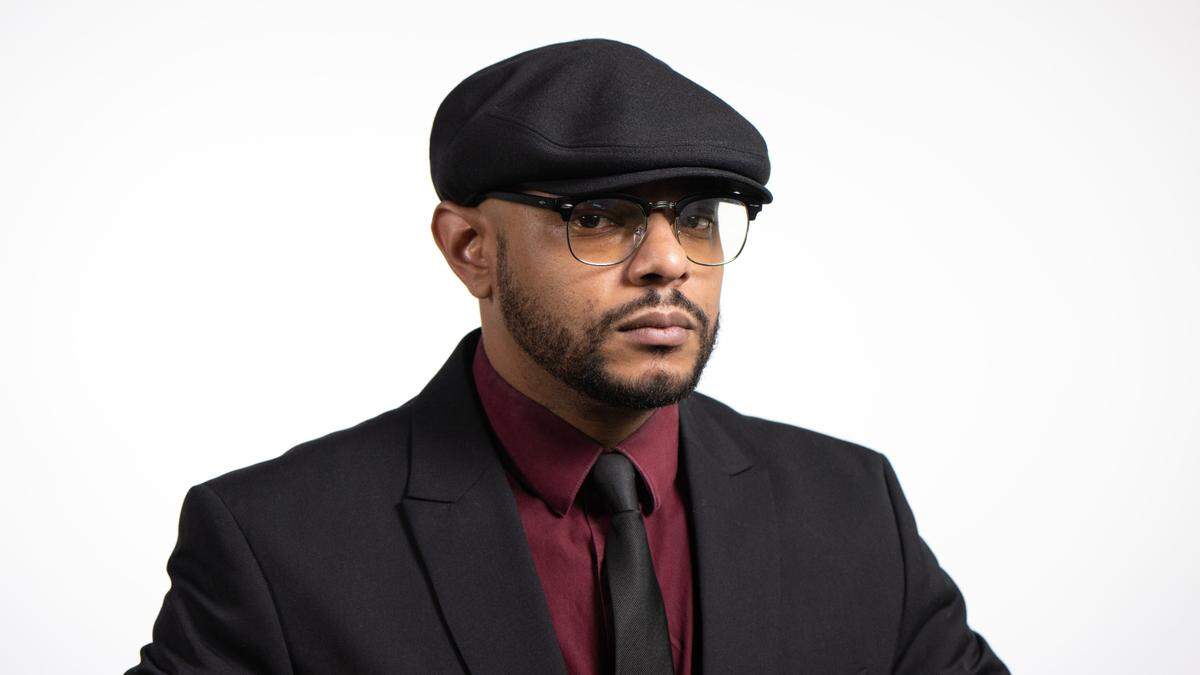
“I had never in my life heard of Lea Hopkins,” said Marquez Beasley, who was the host of this year’s KC Pride Fest and echoes many of the younger leadership in the LGBTQ community. “She should be known by everyone in our community. So many times in history Black women don’t get the recognition they deserve. We are all here doing this now because she fought for us.”
Hopkins, who was born in Kansas City, Kansas, in 1944, knew at a young age that she was different from what mainstream culture dubbed as normal.
“I knew I was gay at 13 years old. You recognize this is who you are and there are no ifs, ands or buts with it,” says Hopkins. She would go on to attend Pittsburg State University for a year before leaving to pursue a modeling career in New York City. After eight years in the Big Apple and giving birth to her son, Hopkins returned home to Kansas City in 1974.
“My son made me want to get involved with the activist side. I guess I have always been an activist at heart. I was involved in the women’s movement when I moved back. I went to Washington for the march and came back, started getting involved as a lesbian,” she says.
She was shocked how behind KC was in terms of progress for unity in the LGBTQ community back then. No common goals or plans to work together, she says. Only a long list of excuses and reasons a Kansas City Pride function could not be pulled off.
“There was no gay activism in Kansas City that I could see. Maybe covertly but not really out. Living in New York, they would have the Gay Pride parades that just go on for hours. When I came back here, nothing like that was happening,” says Hopkins.
Hopkins was approached by members of Christopher Street, an early LGBTQ rights organization named after the New York City street of the Stonewall Inn, where riots in the 1970s gave rise to the gay rights movement. The organization wanted to bring together segmented and distrusting groups within the local queer community.
“At that time we had maybe three lesbian bars and a billion gay men’s bars,” laughed Hopkins. “But the two sides never did anything together. The women did their thing and the men did theirs. There was absolutely no communication at all between the owners of these businesses, and I just felt like it was terrible.”
After a series of conversations with gay and lesbian bar owners, Hopkins scraped together enough funding to put on Kansas City’s first Pride March in 1977.
It wasn’t easy. She says the largest internal obstacles were from the feminist branch of the lesbian community, unsure of the need to unite with gay men.
“They wanted all-women functions; they mentally could not understand why I was doing what I was doing. Everyone was so separated when I first came back,” says Hopkins.
Thankfully after much time and planning and the reassurance from Hopkins that the march would proceed with or without the uncertain holdouts in the community, the event began to take shape. To help attract a crowd, they brought in a speaker, Virginia Apuzzo, a New York gay rights and AIDS activist. About 75 people showed up.
Hopkins, who has worked with a number of organizations in the LGBTQ community, in the 1990s chose to step away from organizing Pride.
“Pride got very commercial. It got very party. It is not going to go back. And when it started to become that I decided my time was over and took a step back,” says Hopkins.
With the struggles faced by LGBTQ youth today, Hopkins hopes that the new generation remembers what the essence of Pride was and what it stands for.
Events for Pride Month in June are among a handful of opportunities where young individuals exploring their identity can come out and feel accepted.
Hopkins, now 78 and living in Leawood, has recently found her story reaching the ears of the next generation of LGBTQ leaders in the Black community.
Many are amazed there was a Black lesbian at the forefront of the first Pride in KC. For others, there is no shock as the contributions of many Black lesbians have been swept under the rugs in the retelling of LGBTQ history. For many, this year’s Pride represents the full extent of the LGBTQ spectrum.
This year the KC Pride Community Alliance wanted to take the opportunity to recognize Hopkins’ impressive work on behalf of the LGBTQ community. In addition to making her the grand marshal, the Pride governing body presented her with an award at the parade.
“Nobody knows how many years any of us has on this earth. So, all we can do is hope people notice and respect the work we have done,” Beasley says. “Seeing her get her roses in front of all those people really made my heart smile. She was crying. It was just a powerful moment in time.”
Beasley, who over the past few years has become one of the leading forces in the 18th and Vine entertainment community, felt a responsibility to use his platform to help members of the Black LGBTQ community in the district. For the second year, Beasley will be hosting “Pride on the Vine” at noon Saturday. It will include a parade, street vendors and drill teams, followed by a brunch show. A concert that evening will feature 15 musicians from within the LGBTQ community.
This story was originally published June 24, 2022 at 5:00 AM.