Black Pride: A new generation of LGBTQ organizers lead the parade in Kansas City
Two years ago, Star Palmer took a hard look at the leadership of LGBTQ events in Kansas City.
She didn’t like what she saw.
In her view, Kansas City Pride events were primarily run by, and for, white gay men. Palmer, who had been in leadership for years as a Black lesbian, and others felt the organizers had too little input from more diverse parts of the community.
Further, the events themselves were lacking: The city hadn’t had a Pride parade in more than a decade.
“White gay men have historically ran everything surrounding our community,” Palmer said. “For a while it never seemed to have women of color at the table.”
To change that, Palmer and others set out to lead a takeover of the Pride organization. They created a new group, the Kansas City Pride Community Alliance, with a diverse leadership that includes Black women and Hispanic members.
In the two years since, they have transformed Pride Month in Kansas City.
To begin with, they brought the parade back. Now in its second year under new leadership, the parade on Saturday, Palmer says, will be twice as big as last year. Vendors and sponsors all doubled in number and are on a waitlist.
One important focus is inclusion, Palmer says: Events are meant to be family-friendly and welcoming of everyone under the LGBTQ banner. But organizers are also emphasizing that the event is not just a party. It’s also about bringing much-needed resources and services to the community.
At the same time, Palmer is joined by other leaders in the Black LGBTQ community who have continued to organize their own events to guarantee representation in Pride Month.
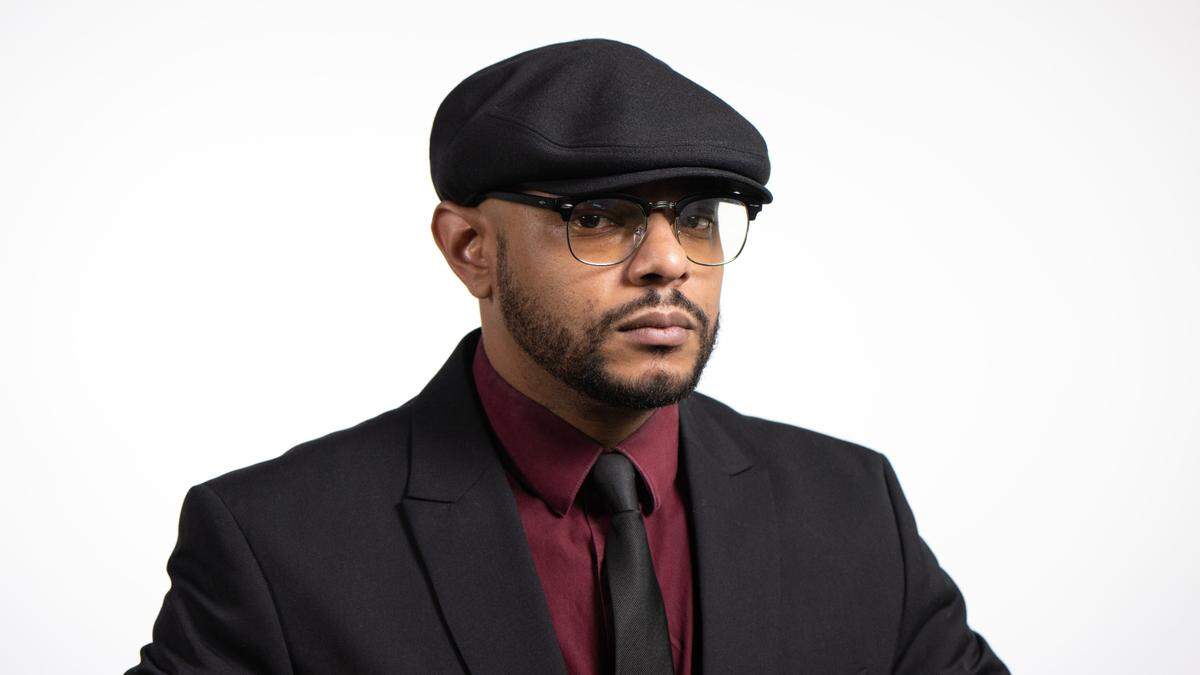
Entertainer and host Marquez Beasley, the creator of a monthly brunch show at 18th and Vine featuring interviews, music and talks on current events, said a June event in the series geared toward the Pride theme holds a special place in his heart.
This year, Beasley and Palmer are working together to bring more unity to all of their events. For Beasley’s part, his brunch event Saturday will be focused on LGBTQ topics but is designed to bring in non-LGBTQ audiences too.
And at the Pride events the following weekend, Beasley will share the main stage with trans activist Korea Kelly. It will be the first time in years, organizers believe, that the event features two Black hosts.
“You have the white Pride and you have the Black Pride, and since I can remember it has always been that way,” Beasley said. “I have a lot of white, Black, Mexican friends and I have always wanted to bring everyone together.”
Taking over Pride
Before Palmer could rise in the Pride leadership, she had to take a step back.
Until 2020 she was a member of the board of directors of the nonprofit Kansas City Diversity Coalition, which had been running Pride events since 2017. But it was not as diverse as it should have been, despite its name, Palmer and others felt.
Then, in 2020, upset by what Palmer called “blatant transphobic rhetoric” used to describe trans issues related to Pride programming, she stepped down.
It was a time when members of the community were confronting existing leadership with tough questions about a lack of diversity in leadership positions, as well as controversial financial decisions and a desire for more programming such as the parade, which had not been held in about 14 years.
Palmer emerged at the forefront again in some contentious town hall meetings that ended with the former leadership, the Kansas City Diversity Coalition, giving up its role in putting on the annual PrideFest event.
Members of the Kansas City Diversity Coalition did not respond to messages from The Star seeking comment for this story.
“They called for transparency and accountability with the leadership at that time and was met with resistance. So, the community spoke up and held a vote to dismantle that organization. Elections were held for new board members,” says Palmer.
Out of that, the Pride Alliance was formed, with Palmer as president. The board of seven includes two Black women, a Black man and two Hispanic members.
Soon, the new leadership made clear they weren’t just throwing a parade. They were on a mission.
‘Partying with a purpose’
Too often at past Pride events, the entertainment has taken away attention from serious problems and inequities in the community, Palmer says.
“They would give all the bars an hour on stage to do productions like drag shows or a chorus to come out and sing. After that there would be the headliner and then half-naked men DJ’ing and stripping and Go-Go dancers,” Palmer said. “Women often feel left out.”
Now, the Pride Alliance board says it is determined to refocus the events on helping those most in need.
One example is the danger faced by trans and gender nonconforming people, several of whom have been killed in Kansas City in recent years. That reflects a troubling national trend in which the number of victims nationally has reached 230 since 2013, according to the Human Rights Campaign.
Also pressing locally is the problem of housing. Palmer estimates nearly 50% of homeless youth in Kansas City are LGBTQ. And generally, young people who are Black or multiracial and LGBTQ report the highest rates of homelessness, double the rate of their white counterparts, according to Youth.gov, a U.S. government website promoting youth programs.
Pride should be about raising awareness about those needs and gathering resources to help, Palmer says.
“It is supposed to be purposeful. Partying with a purpose.”
Apart from her role in Pride leadership, Palmer leads Our Spot KC, a nonprofit organization she founded in 2016 to provide transitional housing and other resources for LGBTQ people in need.
It was founded partly out of frustration, she said. She saw how organizations targeted to helping white gay youths were better funded than programs for minorities.
To find out how she could best help, Palmer hit the streets, talking to members of the public she hoped to serve. She listened to what they wanted from an organization.
Based on that research, her organization is geared to offering housing and food programs in addition to operating a community center with life skills classes.
It now offers rapid LGBTQ-specific transitional and rapid re-housing through its Lion House program. The program says it has housed 12 LGBTQ families as of 2021.
“We are here even if it is just providing a safe environment for folks in the community,” Palmer says.
“Historically we have had to go and create our own safe spaces because we didn’t see ourselves represented in leadership, or on the main stage, or in the vendor booths, so we created our own events.”
Pride at 18th and Vine
Kansas City has for many years lacked public venues for Black LGBTQ events. The city has no Black-owned gay or lesbian bars.
And while the historic 18th and Vine District has long been celebrated for its culture, it is not known for hosting events for gay, queer, and trans patrons.
Last year Beasley, who has been putting on monthly Brunch with Quez shows in the neighborhood for years in addition to his job as event and program coordinator at the American Jazz Museum, decided to change that.
“18th and Vine had never been a place that accepted gay and lesbian people,” Beasley said. “A few years ago you would never of seen a gay centered event. I am not afraid to live my life out loud and I don’t want anybody else to. So, I wanted to create a place where people felt safe.”
The first Pride-themed Brunch with Quez, on a Saturday in June 2021, was intended to be an ambitious and over-the-top production. Beasley had called on every corner of the LGBTQ community to put on a show the likes of which the Jazz District had never seen.
The show featured a panel discussion with Black LGBTQ leaders, musical acts, and a runway show. The main event was a Ballroom performance put on by the House of Alain Mikli.
Although each segment was rich with entertainment, education was the main purpose.
“We opened up the panel to the audience so that they could ask questions and get answers from the people who make up these corners of the LGBTQ community. I am gay and I am still having trouble remembering about pronouns still,” Beasley said.“That show was all about creating a space for understanding.”
The response was overwhelmingly positive, Beasley said.
“People actually thanked me. A lot of people said they never went on Vine and felt they could be themselves. Most people don’t know what it feels like to be unwanted and unwelcome, but we have to deal with it for most of our lives.”
For his efforts, Beasley was awarded a commendation by Jackson County, presented to him by members of the Kansas City LGBTQ Commission.
The success only reinforced Beasley’s belief that more LGBTQ events for Black communities are needed not only on Vine Street but around the city.
House and Ballroom
As part of the effort to diversify the entertainment at PrideFest, organizers this year are hoping to introduce new audiences to an art form with deep roots in Black LGBTQ communities.
KC Pride is planning to bring on performers to showcase the cultural phenomena of the “House” and “Ballroom” scene.
House and Ballroom are defined by a combination of high fashion and dance, with a history that goes back to the drag communities of the 1920’s Harlem Renaissance.
At that time, with many Black queer members being ostracized from biological families, “Chosen Families” became the norm, adopting members into familial roles, and “Houses” were formed.
These “Houses” would come together to compete in dances of elaborate walks, dips, drops and costumes.
“Right now Ballroom is hitting mainstream heavily,” said Kelly, the Black trans activist and Pride Alliance board member. “Ballroom was created way back in the day. Back then we had to create Ballroom because they wouldn’t let the Black girls win the drag shows so we had to make our own.”
With social media and online streaming, Ballroom has found new audiences that appreciate the skill and pageantry of the exhibition. However, as has happened with other forms of Black culture, it has also become something to be duplicated and appropriated, Kelly said.
This year’s Pride is a chance not only to claim Ballroom for authentic performers, but to make the event in Kansas City inclusive to all.
“Through the years many Black people could only participate when we were allowed,” Kelly said. “Finally, you see more of us stepping forward into those positions of leadership. We have been making the moves in the last few years to make it so Pride is actually diverse.
“We have done nothing but make sure that from our entertainment to our vendors that we are showing true diversity,” she said.
2022 KC Pride events
This year, Pride Month events in Kansas City kick off Saturday with the June edition of Brunch with Quez at Soiree Steak and Oyster House on 18th and Vine.
The brunch event will highlight several local Black-led LGBTQ organizations, including the Transgender Empowerment Society, Lyfestyle Entertainment, Blaq Out and Operation Liberation.
It will also showcase musical artists and acts in the community such as D and the House of Alain Mikli, JoJo, and Cherayla Haynes.
KC Pride Fest starts the following weekend, with events running from Friday, June 10 to Sunday, June 12 at Theis Park, just east of the Country Club Plaza at Emanuel Cleaver II Boulevard and Oak Street.
The parade on Saturday kicks off at 11 a.m., proceeding from Pennsylvania Avenue east on Westport Road, turning south of Broadway Boulevard onto Mill Creek Parkway until it turns left onto Emanuel Cleaver II and arrives at Theis Park.
All ages are welcome. Sunday’s events will be focused on family-friendly activities and entertainment. The price of admission for each day is $5.
For more information or to buy tickets, visit kcpridealliance.org.