
Nearly half of Shawnee tenants are ‘rent-burdened’ with limited housing options, study shows
READ MORE
Shawnee co-living ban
In April, the Shawnee City Council voted 8-0 to ban co-living, becoming among the first Kansas City area municipalities to prevent the practice, which has gained popularity in recent years as rent and home prices have soared. The new ordinance has been under heavy scrutiny.
Expand All
Co-living rentals banned in this Johnson County city after unanimous council vote
Shawnee City Council members take heat for co-living ban. Here’s what they say
Did Shawnee really ban roommates? Here’s what the new ‘co-living’ restrictions mean
Nearly half of Shawnee tenants are ‘rent-burdened’ with limited housing options, study shows

Shawnee’s ban on co-living rental homes is exactly what ‘criminalizing poverty’ means
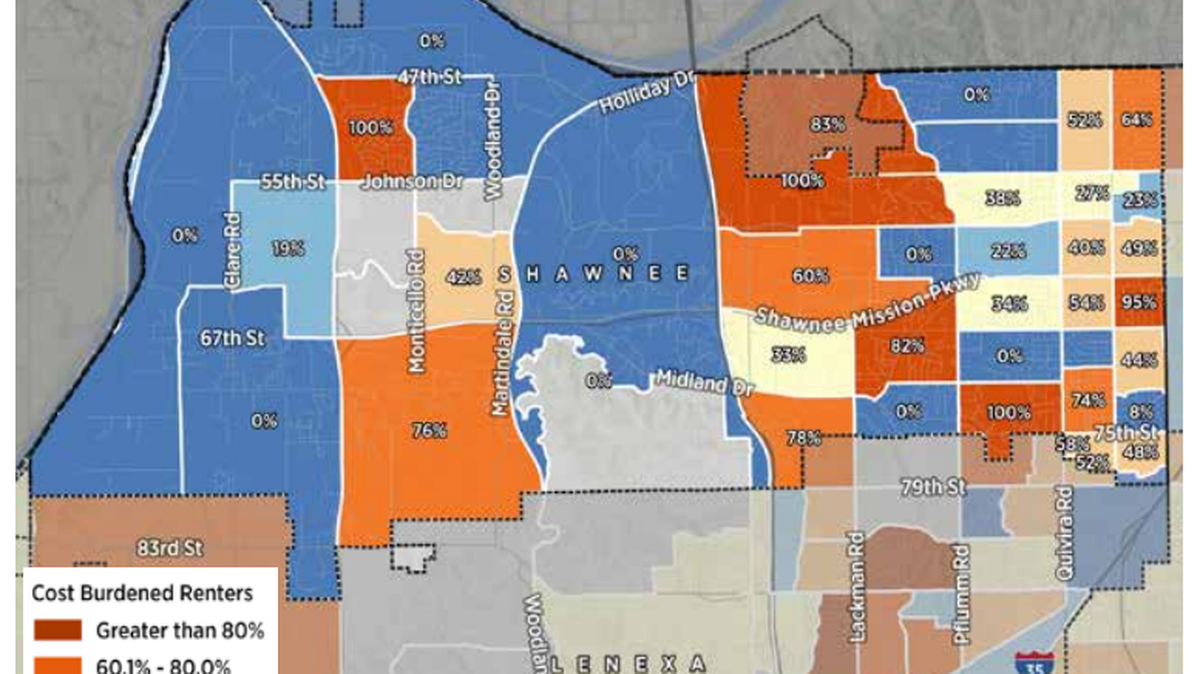
The city of Shawnee suffers from a lack of affordable housing, according to a study by United Community Services of Johnson County. Nearly half of its tenants are rent-burdened, meaning they spend more than 30% of their income on rent.
Last week, Shawnee’s city council made a change that critics say disadvantage low-income renters further. It voted unanimously to ban “co-living,” which it defines as four or more unrelated adults living together.
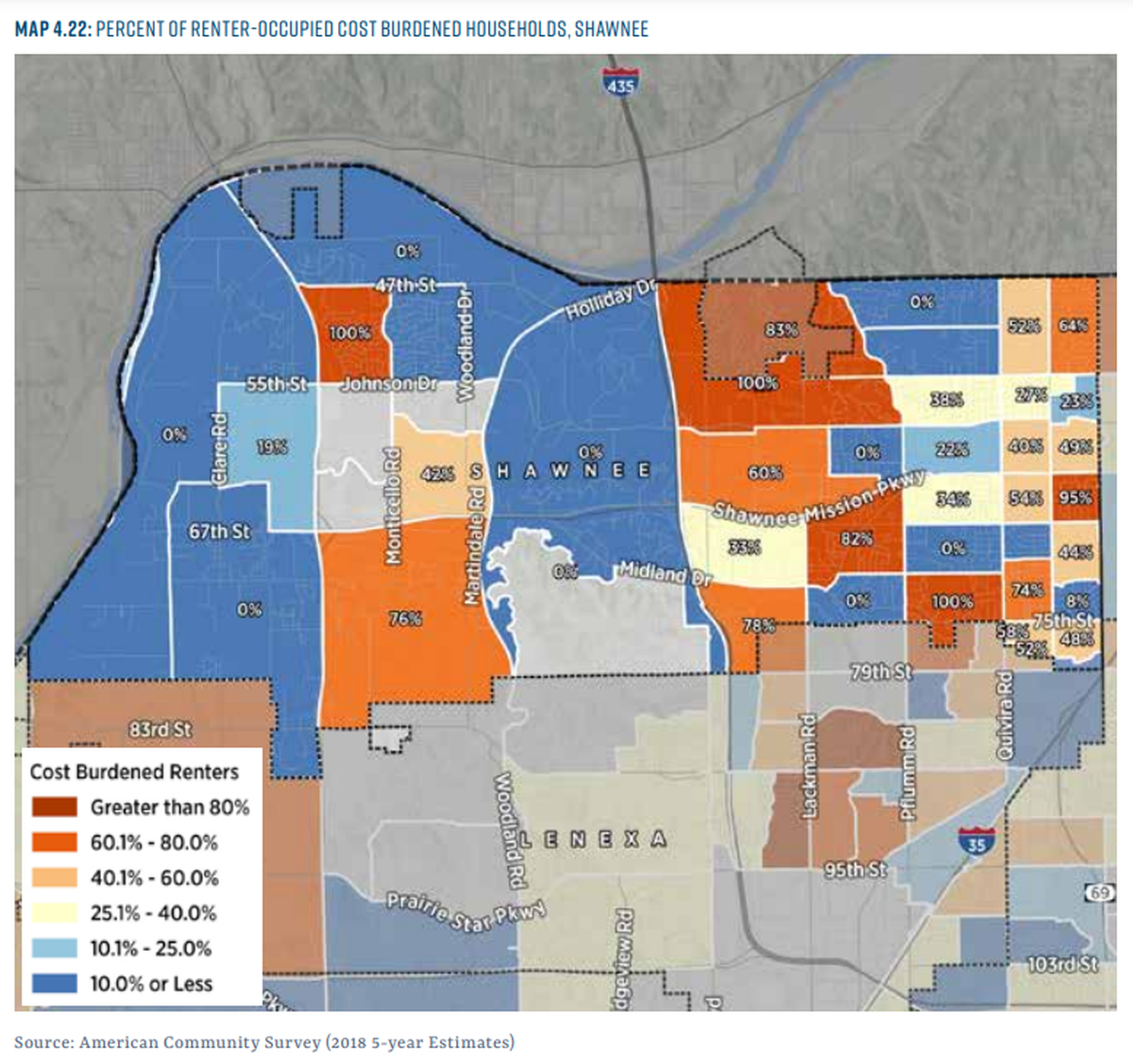
“Households making under $50,000 who rent have more difficulty finding attainable options than those that can purchase, because of fewer options and rents increasing faster than incomes,” the study found.
According to rental data aggregator Rent Cafe, the average rent in Shawnee is currently $1,057 per month.
The cost of living in Johnson County is higher than anywhere else in Kansas, and is the highest of the counties in the Kansas City area. A recent study found that in order for an adult with two children to afford basic necessities in the county, they would need to make over $41 an hour.
Shortage of rental housing available
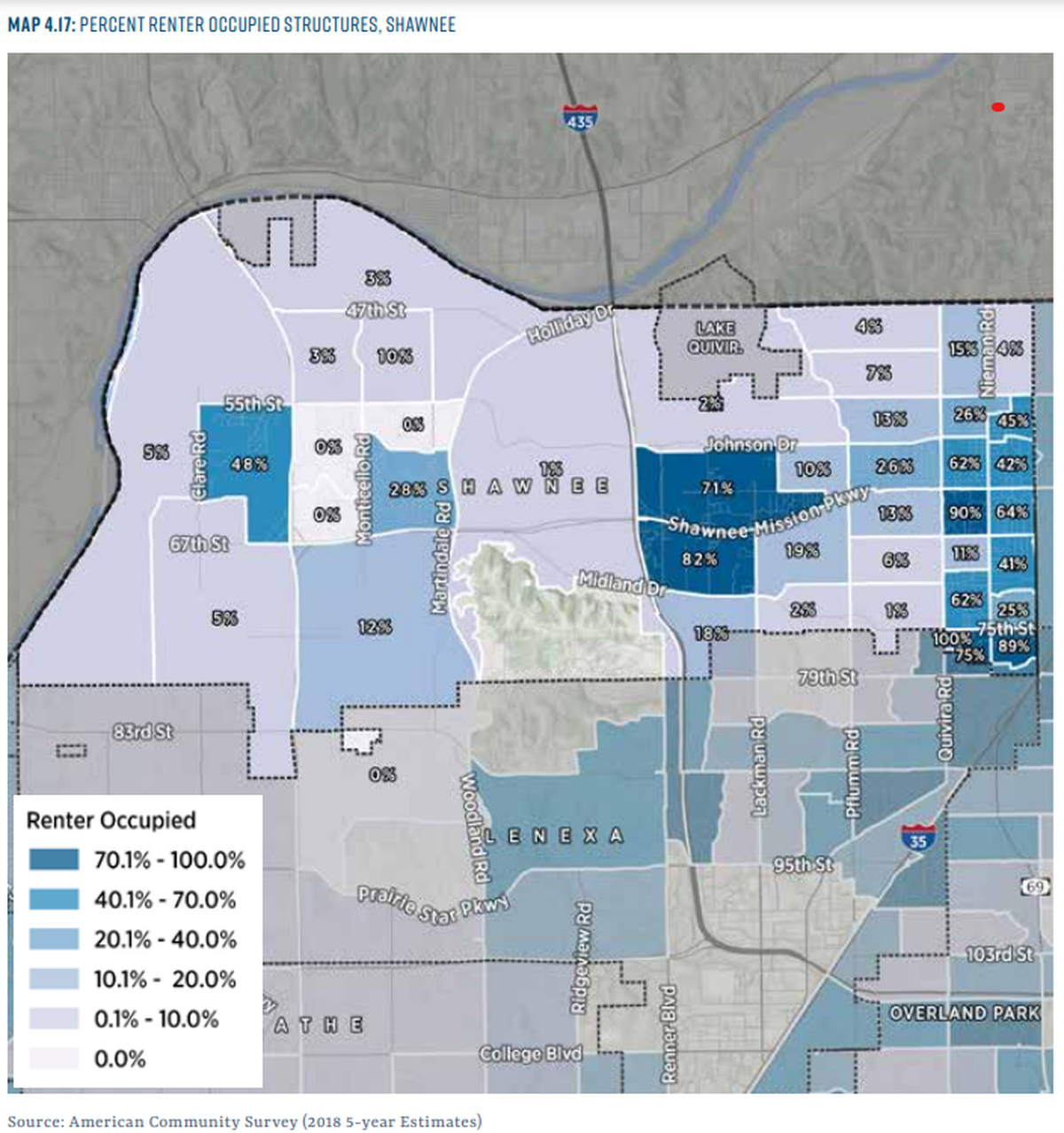
The Johnson County Housing Study found that only 27% of Shawnee homes are occupied by renters, and the city’s vacancy rate for rental properties ranges from 3 to 5%.
That is lower than a “healthy” rate of 7 to 8%, meaning that rental housing is more difficult for tenants to find.
Shawnee is also steadily seeing more people call the city home, with an annual population growth rate of 1.08%. Between 2020 and 2030, the city is expected to grow by more than 7,500 residents.
The study predicts that rental housing shortages will only get worse if current development patterns continue.
“Nearly all development in the western portions of the city is owner-occupied,” the report stated. “If left on this trend, there will be a significant gap in rental options near future jobs and services.”
Do you have more questions about housing or the rising cost of living in Kansas City? Ask the Service Journalism team at kcq@kcstar.com .
This story was originally published May 3, 2022 at 5:00 AM.
.jpg)