A gardener’s guide to Kansas City: Seven things to know about planting for success
READ MORE
A beginner’s guide to gardening in Kansas City
Have a green thumb — or just a new hobby? Take it to the next level with these gardening tips based on local conditions and opportunities.
Expand All
If you’re new to gardening in Kansas City, it can take a while to figure out how to be successful with the city’s clay-like soils and unpredictable weather.
It can mean a lot of decisions: What to plant, when to plant it and where. Is the soil at home productive, or will you need a raised garden bed or container? Is it time to include some native plants, invest in compost or join a local gardening group?
According to a survey by garden supplies retailer Bonnie Plants, more than 20 million Americans planted a vegetable garden for the first time in 2020, during the height of the pandemic.
This gardening boom is about more than saving money on vegetables or garnishing your home with hostas and tulips: It’s about staying grounded.
“[When] your hands are in the dirt, and you’re working at a very physical level, it allows the brain to kind of reset, recalibrate, if you will,” said Jennifer Fugate, a psychology professor at Kansas City University. “I think we learn a lot through our environment and physically interacting with our environment. The link there with gardening is that it provides a real tangible learning experience.”
Whether you’re a new learner, gardening to cope, a gardening vet, planting to liven up your yard or to put fresh food on the table, we’ve got some advice for you from local growers.
Here are seven tips that can help you take it to the next level.
Get to know your soil
Whether you’re planting in the ground or in a flower pot, good soil will make or break your garden.
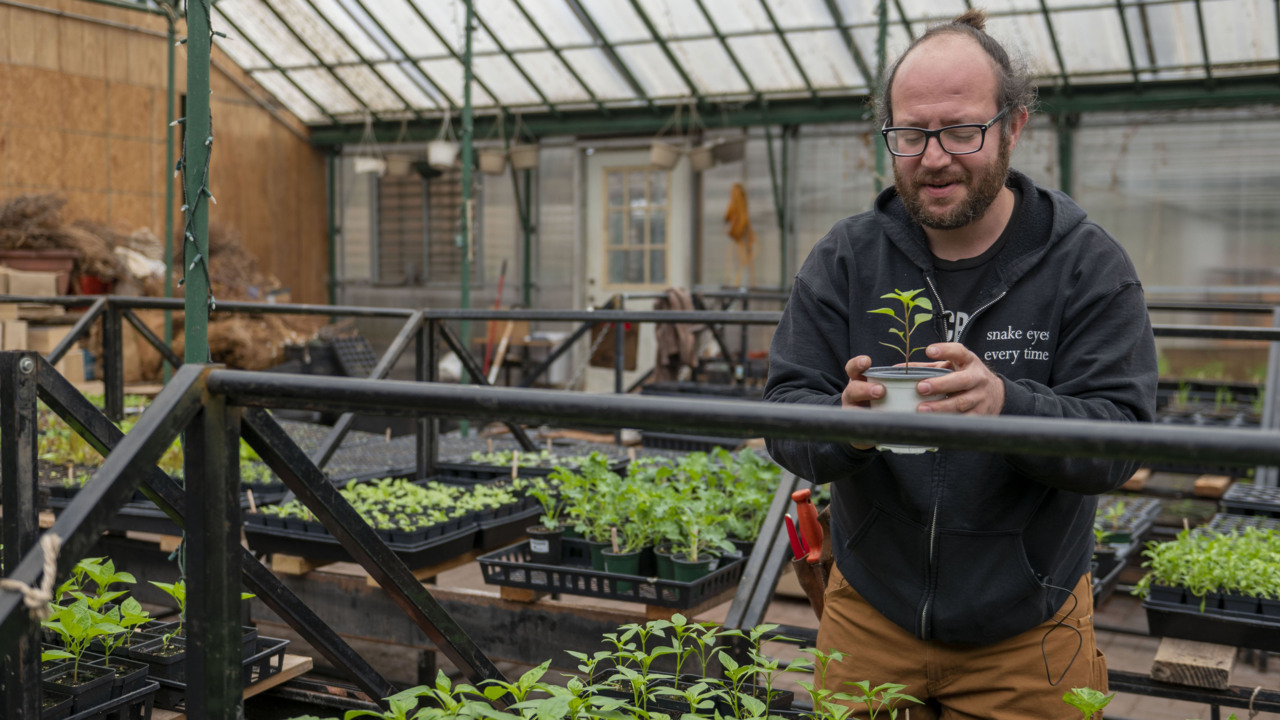
As a grower and a consultant, Nicolas Garcia, who owns and operates Treehouse Urban Farm in south Kansas City, has helped plenty of Kansas City home gardeners create thriving gardens.
Kansas City’s soil is very clay rich, which can make it difficult to grow in-ground. If you have clay rich soil, consider adding more organic material like compost or manure to the ground to add more nutrients.
There are some plants that can grow well in clay soil. Black-eyed susans, butterfly weeds, cone flowers and perennial sunflowers are all examples.
People who live in post-industrial areas, including Kansas City’s West Bottoms and East Bottoms, should opt to use planters and raised beds, Garcia said, in order to avoid contamination, especially if your garden will include vegetables or other edible plants.
For a small fee, soil testing can tell you how nutritious the ground is.
Kansas City Community Gardens has a quick guide on soil testing. Many gardens might need compost or fertilizer to supplement the nutrients in the soil.
If you want to test your soil for nutrients, the University of Missouri-Extension can help and offers testing starting at $12.50. You can call the office at 573-882-0623 to set it up.
Choosing between in-ground, raised beds or container gardens
One thing to remember is that you can garden anywhere, whether you are in an apartment or living on acres of land.
A few of the popular ways to garden include in-ground, raised bed, and container gardens. In-ground planting refers to when you sow directly into the ground. Raised beds sit on top of the existing soil and container gardens are typically made up of potted plants. Both are options in local community gardens.
The point is: If you want to grow something, there’s always a way.
In the ground
Whenever you see space in a yard, there’s a good chance you can make a garden grow there.
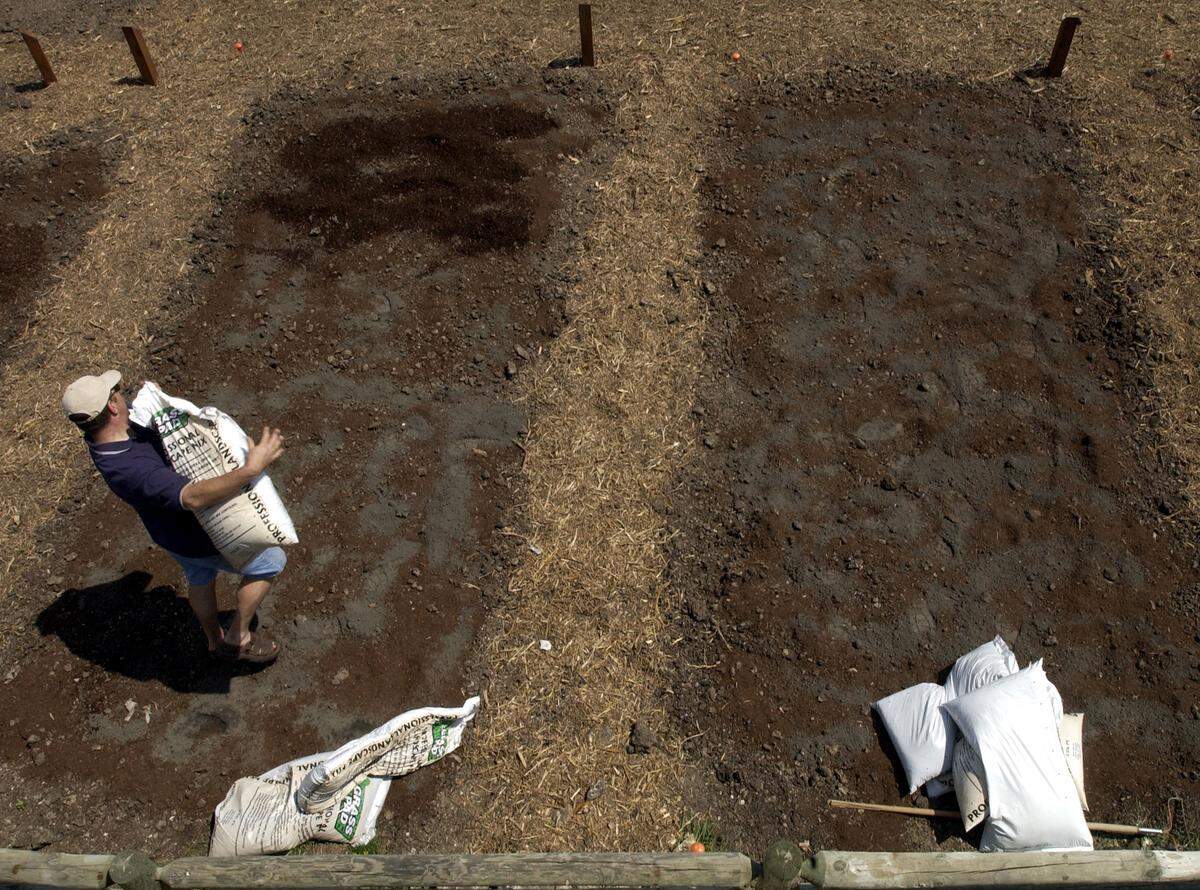
If you decide to plant directly into the ground, you may have to get the ground ready before you can just plop a plant in. Make sure to pull up weeds or removing grass with a shovel or a garden tiller. Then you can add more compost or fertilizer to make sure the soil is ready to host plants.
If getting rid of weeds proves to be difficult, Garcia suggests covering the ground you want to plant in with a tarp or landscape plastic and holding it down with bricks or sand bags.
Raised beds
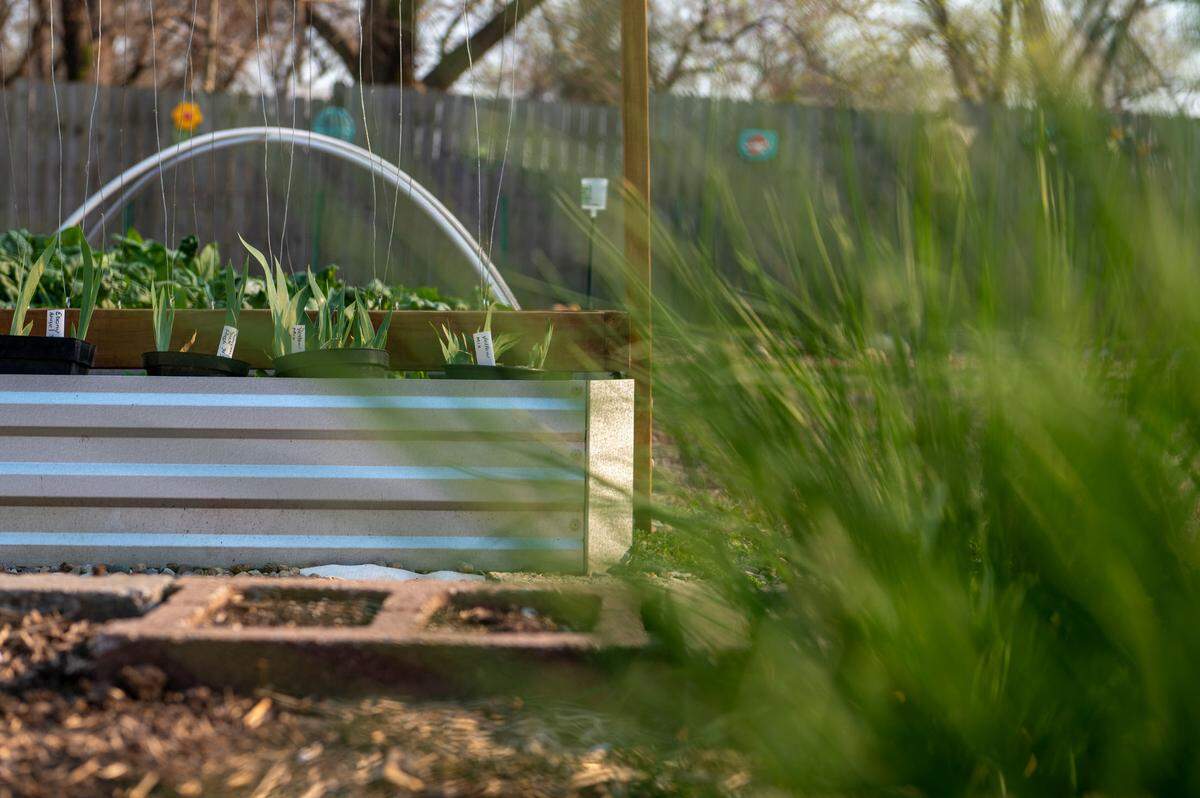
Raised beds can be a great, no-dig option. In many ways they are like massive containers. Typically, a raised bed is four planks of wood that create a border for soil. They can also be made of other materials like galvanized steel. Some people even create borderless raised beds, which are like mounds of soil.
Kansas City home gardener Heather Gray-Johnson said she started her raised bed garden with cinder blocks that were laying around from an old project.
“So you can use most anything. It’s nice to try to recycle things,” Gray-Johnson said.
By using a raised bed, a gardener can also make decisions about the kind of soil they want to use without worrying about the soil quality of their yard. University of Missouri Extension horticulture specialist Tamra Reall said she uses raised beds in her personal garden to get better drainage, warmer soil and to avoid having to bend down as far.
Raised beds can be store bought or homemade. Most home improvement stores have a selection of raised beds.
Local home gardener and moderator of the Kansas City Area Gardening Group Keisha Mitchell suggests that beginners start with a four by six-size raised beds or layouts.
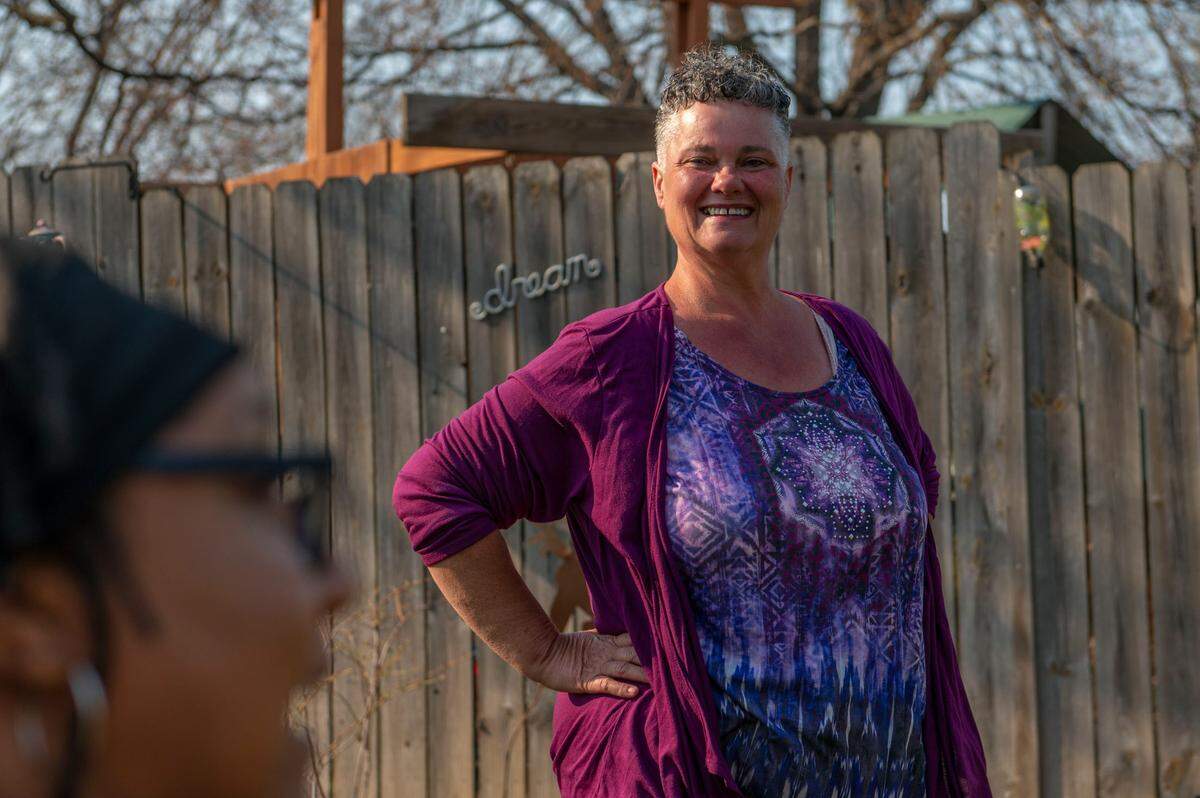
“If you’re doing a raised garden, whatever size, whatever length you decide, the width should be that you can reach across when you’re on your hands and knees,” Mitchell said.
If you think there may be weeds or other contaminants in the ground below the raised bed, you can also put a plastic or cardboard barrier between the ground and the soil, Reall said.
Container gardens
If you are in a confined space or don’t have a yard, consider starting a container garden. Container gardens usually consist of a variety of pots or containers. Most plants can thrive in containers. If you have the right amount of sun, you can grow anything from chrysanthemums to cucumbers in a container.
If you plan to mix and match multiple plants into a single pot, make sure that they require the same amount of sun and be sure to start with healthy plants.
Since water can evaporate easier in a potted plant, you also want to make sure that you water frequently. Better Homes and Garden, recommends that gardeners also fertilize their containers often as well since flowers and vegetables can be heavy feeders and will need a boost to keep producing throughout the season.
Reall said she recommends larger pots for container gardens, but if you are using a balcony to be mindful of the weight.
Check out a plant calendar and map
When deciding what to plant there’s a lot to consider, from temperature to geography.
Ideally, you should start planting after the last frost. In Kansas City that should be around early April, but since weather can be unpredictable, sometimes gardeners may need to wait.
Local home gardener and moderator of the Kansas City Area Gardening Group Keisha Mitchell said she tells people to wait until Mother’s Day in May to assure the soil is warm enough for the plants.
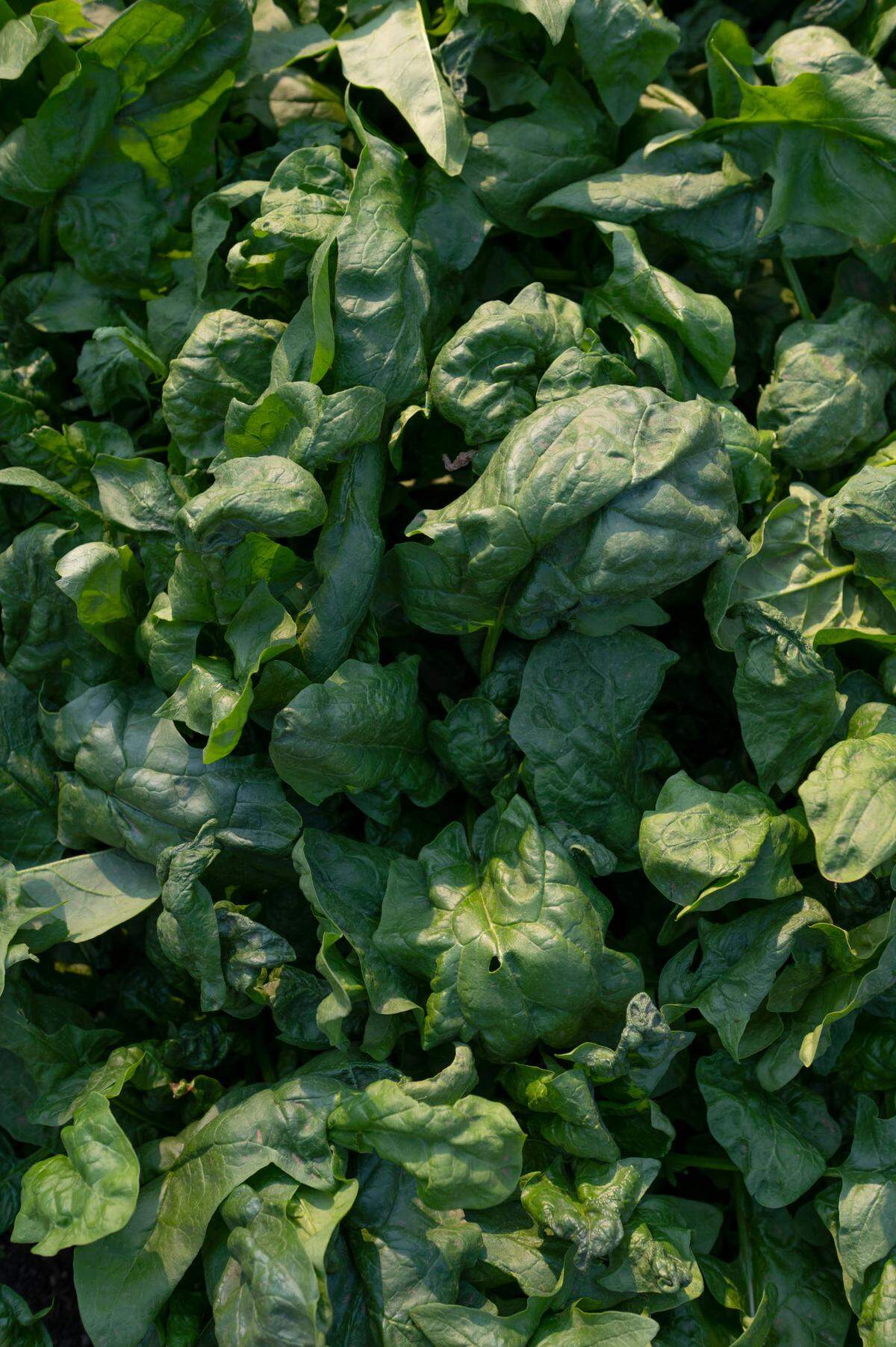
If you want to get a jump start on your garden this April, Mitchell said it’s important to plant things that don’t need a lot of pollinators. Leafy vegetables, carrots, snow peas and radishes are all great plants to put in the ground while you wait for your pollinator friends to visit your garden.
You can also consider a planting calendar. Planting calendars are calendars that break down when in the year you should start planting certain vegetables based on the expected temperature.
Planting calendars are based on the temperatures or the “hardiness” of your region or zone. Those zones are set by the United States Department of Agriculture. Kansas City is in Zone 6.
So when you are shopping for seeds or looking up instructions, referring to a calendar and looking up tips based on Zone 6 can guarantee you some success in the yard this year.
To get an idea of when to plant your plants and veggies, check out the Farmer’s Almanac online planting calendar for Kansas City.
Plant native plants
A great way to make sure the plants you choose are in sync with the climate that Kansas City offers is to pick native plants.
Native plants are plants that naturally grow and thrive in the area. Garcia is a champion of planting native species and said that adding more native plants to your garden can be great for the environment.
“By sticking with lower Midwest native [plants], it’s going to require a lot less maintenance,” Garcia said. “Generally the natives really have only two, three main points in the year that you’ll need to do any maintenance.”
Nepale, which are the only native cactus in the Midwest, are both edible and cool to look at. Virginia Strawberries, or fragaria virginiana, are native, ground hugging berries that taste sweet like honey. Eutrochium flowers or joe-pye weeds are herbaceous flowers that can grow up to six to eight feet tall and can color your yard with its purple flowers.
“If you put them in the right spot and add just a bit of compost to the soil each year, you’re going to be fine,” he said.
Garcia sells a wide range of native edible, ornamental and medicinal starter plants at Treehouse Urban Farm on Fridays from 1 p.m. to 6 p.m. at 8105 Main Street.
To get an idea of other native plant species in the Midwest, Grow Native! has a native plant database to help lower Midwestern growers get started.
Add compost and nutrients
Whether you make it on your own by collecting food scraps or buy it at the store, compost is essential to a successful garden, according to Mitchell.
There are a few places in Kansas City to get fresh compost. Gray-Johnson, who has been an avid home gardener for over seven years in the Kansas City area, said she recommends buying compost from Suburban Lawn and Garden, which has a number of locations throughout the Kansas City area.
“I’ve always bought from them,” she said. “It is just black, rich compost. It’s gorgeous. It stays loose, it doesn’t compact, and it has no weeds.”
Compost Collective KC, is also a great option for local compost. The collective helps Kansas City residents compost by picking up food waste. Members who participate also get up to 20 pounds of free compost from the program twice each year. Call 816-550-9350 to learn more.
Missouri Organic Recycling also offers compost in Kansas City and its surrounding areas. This program has bulk pricing and delivery available. There are four locations, and you can choose to either drop off your waste or pick up some compost for your yard. To learn more visit their website here: missouriorganic.com/compost.
Tend to pests with care
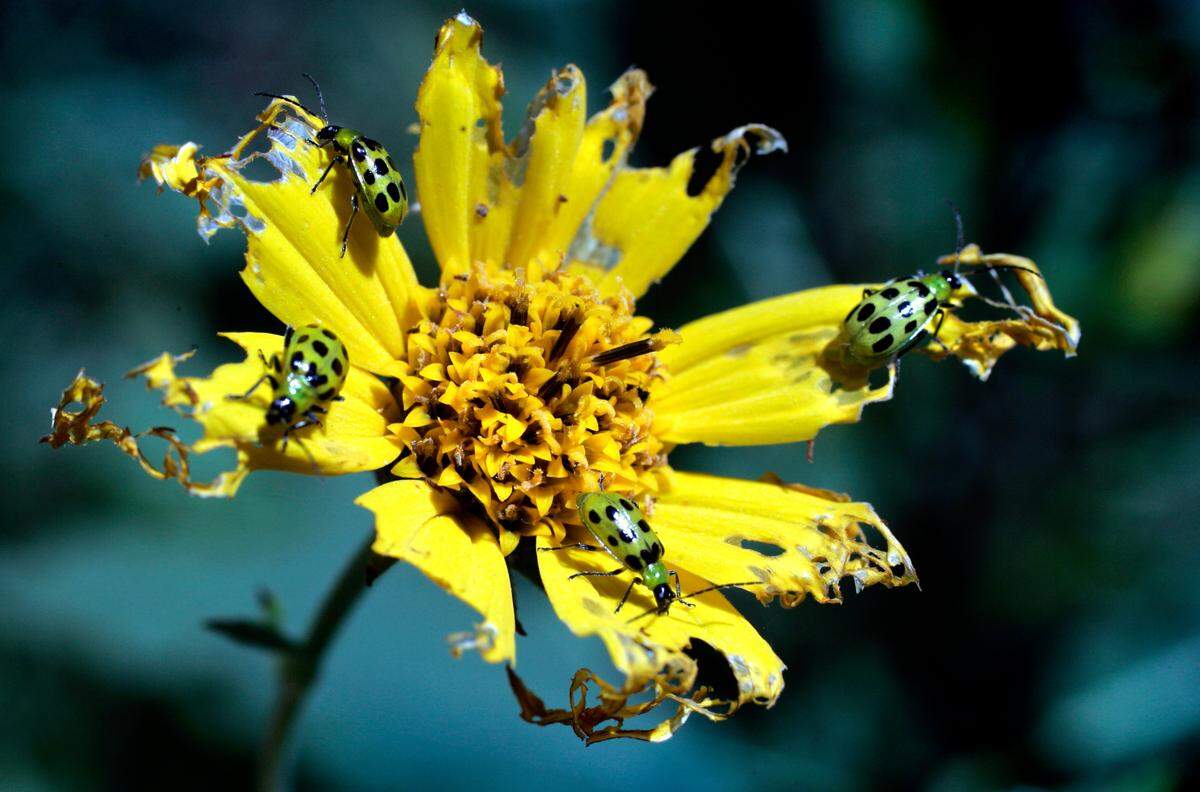
Reall said she encourages people to be mindful before they resort to eliminating what may or may not be a pest from their garden. Before you take any major actions against pests, Reall said the first step is to figure out what the specific critter is.
“You need to identify it. More often than not any insects you see in a garden are going to be a beneficial or a neutral insect rather than a pest,” she said.
If identifying the bug has you stumped, you can take a picture of it and send it to the University of Missouri Extension, and Reall and her team can help you figure out what it is and whether it will cause more problems.
Wasps, praying mantis and beetles are examples of bugs that can seem alarming at first, but can be beneficial because they may eat other insects.
“So most of the insects that are in our gardens could actually be viewed as helping us,” she said.
Certain insects that can be harmful if you catch them in your yard include Japanese beetles and vine borers. In the case that you do see a bug that is harmful, sometimes it’s better to pick it off and put it in a bowl of soapy water to kill it. Mitchell said it’s best to avoid traps, as they can lure unwanted pests to your garden.
If you have an immediate question, you can also contact University of Missouri Extension’s garden hotline at 816-8338733 or email mggkc.hotline@gmail.com.
In any case, remember that bugs and pests are all a part of the process.
“If nothing is eating your stuff, you’re not gardening,” Gray-Johnson said.
Find your community
If you want to know more about gardening or have specific questions, there are a ton of local resources available in Kansas City.
Both the University of Missouri and Kansas State University offer extension programs where residents can take gardening classes and learn more about hyperlocal gardening practices.
K-State also has its own gardening hotline at 913-715-7050 or garden.help@jocogov.org.
Kansas City Community Gardens is a membership-based resource for gardeners who are getting started. The program is priced on a sliding scale based on income.
Members have access to discounted seeds, plants, gardening equipment and event rental gardening plots. To learn more call the headquarters at 816-931-3877.
There is also an extensive online community of Kansas City gardeners, who are actively sharing tips and plants.
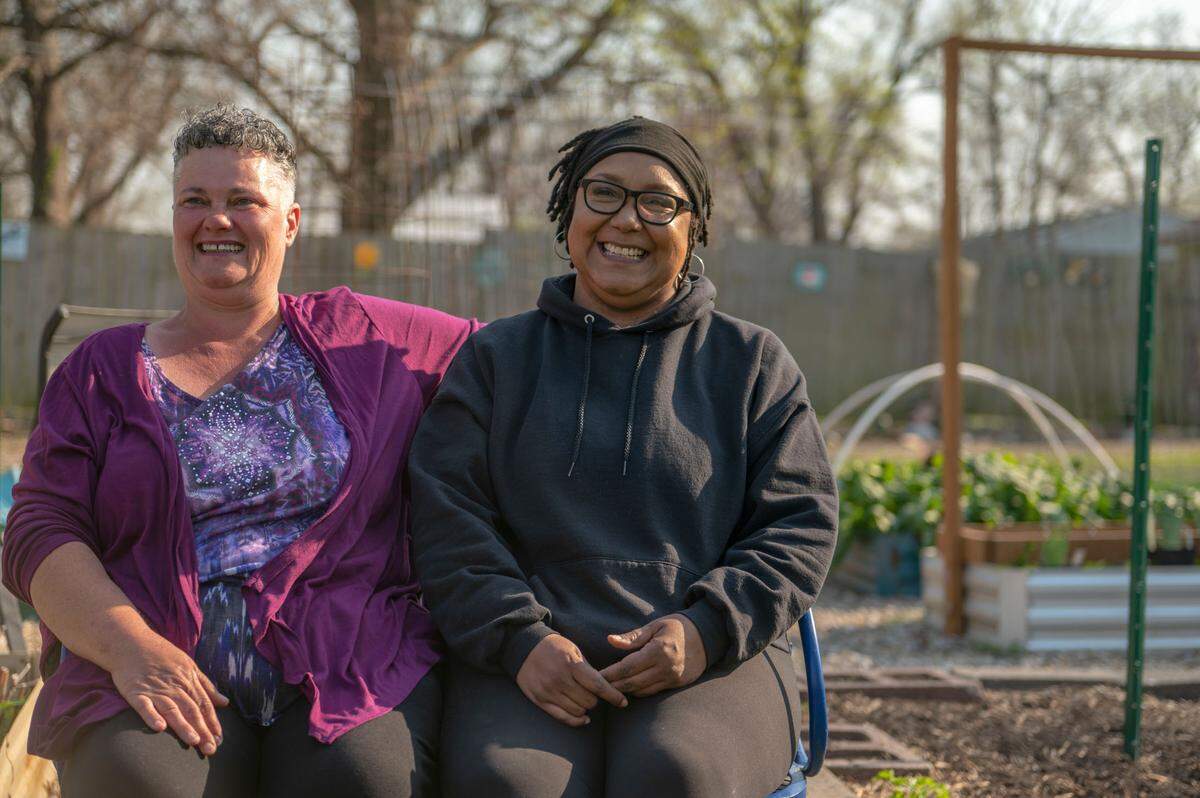
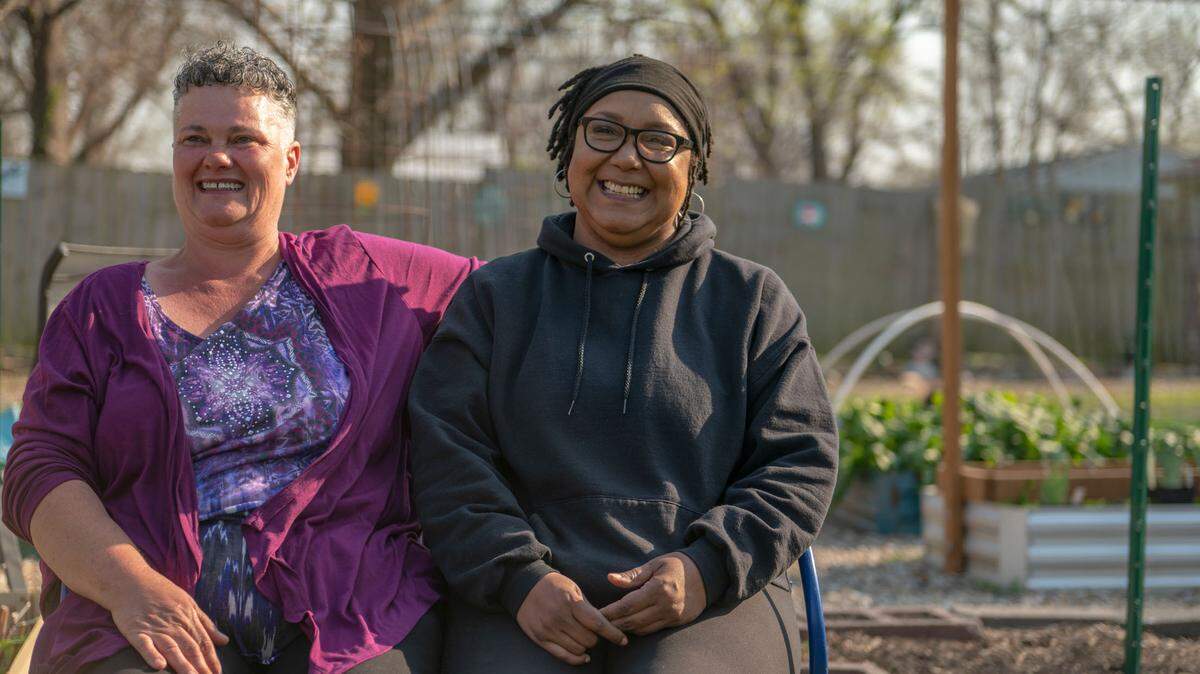
Mitchell and Gray-Johnson have benefited greatly from Facebook Groups like the Kansas City Area Gardening Group and credit much of their success to having a community of like-minded people to lean on when they need advice.
“Honestly, there are no dumb questions,” Gray-Johnson said.
Now Gray-Johnson and Mitchell are seasoned gardeners in the group who help to answer questions for more than 9,000 people.
“It’s always nicer to get advice from people that have experience,” she said. “That’s what those groups are so good for.”
This story was originally published April 20, 2022 at 5:00 AM.