
We’re almost to veggie season. Tips for planting, harvesting from spring to fall
Since the pandemic began, an estimated 20 million new gardeners picked up a packet of seeds and started a vegetable garden. If you are new to gardening, you may not know there are three seasons to grow fresh fruits and vegetables. So, to get the most out of your piece of land and fill your dinner table with produce, it is important to know the ideal timing to plant.
Spring season
Vegetable gardening starts with spring planting in mid-March and wraps up in mid-April. Spring vegetables grow best under daytime temps between 60 and 80 degrees. Fortunately, many of the spring crops will tolerate a light frost. Warmer spring days reduce the quality and flavor.
Spring crops are typically used in making nutritious and tasty salads. Plant lettuce, spinach, radishes, beets, carrots and various greens by seed starting in mid-to late- March. Harvest begins in April and continues until the heat of summer.
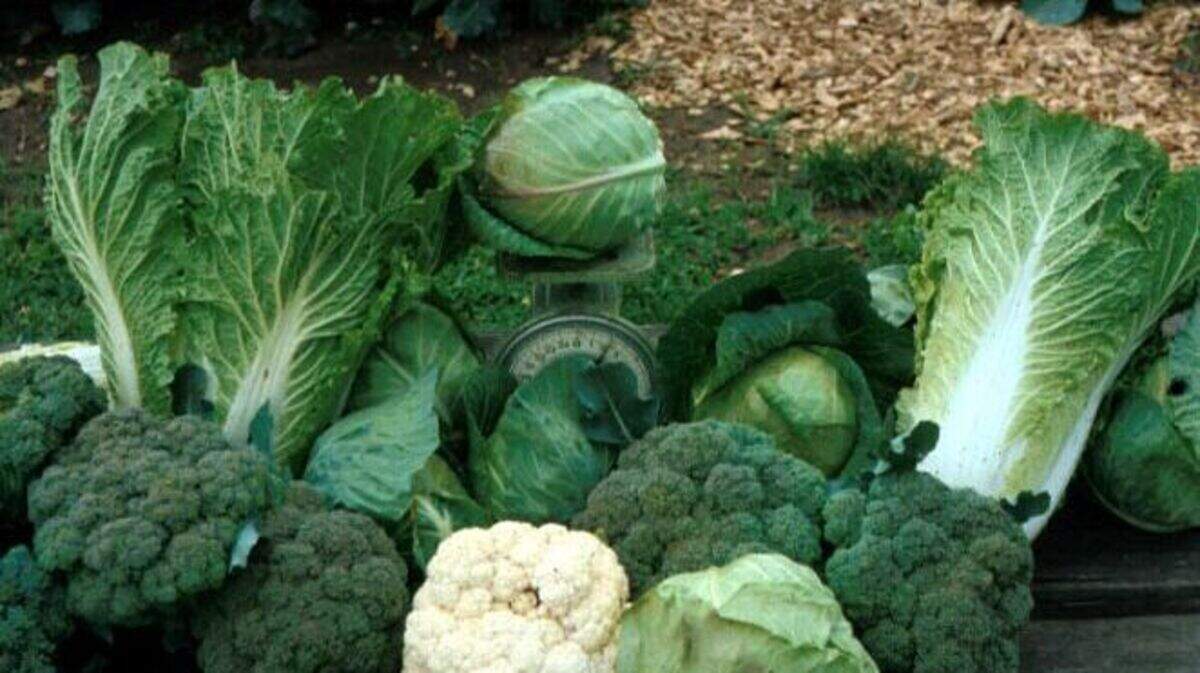
Plant onions and potatoes in mid-March. As summer heat arrives, they are ready to harvest. Introduce broccoli, cauliflower and cabbage transplants in mid-March to mature in May and June.
Summer Season
The summer season planting kicks off in late April through May. Summer crops do not tolerate frost and cool soil temperatures. These crops grow best when the temperatures hover in the 70 to 90 degree range. Favorite summer crops are tomatoes and peppers. Other summer crops are squash, cucumbers, green beans and sweet potatoes.
Tomatoes and peppers are sensitive to cool springs, so delay planting until warm weather arrives. Tomato transplants are typically planted in early May. Pepper transplants prefer even warmer soil conditions, so mid-May is ideal for planting. Sweet potatoes are the heat-loving summer crop. Slips, or starts, are planted in late May or even early June.
Fall Season
The fall season may the most overlooked. Planting for a fall harvest is done in the late summer, but the rewards don’t make it to the dinner table until fall’s arrival. Fall crops are similar to crops grown in the spring. Except for onions and peas, all the salad crops can be grown again in the fall.
The fall planting season starts in early August through September. The challenge of the fall season is getting the seeds and plants started in the summer heat. Extra care must be taken to keep the seedbed moist for establishment.
The advantage of fall is cooler temps results in a more flavorful crop with sweeter carrots, tender spinach, and bigger heads of broccoli and cauliflower. Because there are more consistent cooler temperatures in the fall than in spring, the fall season has better growing conditions.
We all get excited to plant with spring’s arrival. Continue your zest for planting as the season progresses for a garden of bounty all summer and fall. Good vegetable gardening is about the timing and taking advantage of three seasons.
For more information, search “Kansas Garden Guide” from K-State Extension, where you will find the best information about vegetable gardening in our area.
Dennis Patton is a horticulture agent with Kansas State University Research and Extension. Have a question for him or other university extension experts? Email them to garden.help@jocogov.org.
This story was originally published March 4, 2022 at 5:00 AM.