It took about two hours to get from Kansas City to Westport in this early day transit car-unless the mule balked. Then the trip could have required most of the day. Riders sometimes took their lunches along on this cross-country jaunt in 1870.
File
The Kansas City Star
READ MORE
The hidden cost of a Streetcar
In a rapidly changing Midtown, some fear Streetcar expansion will price out residents.
Expand All
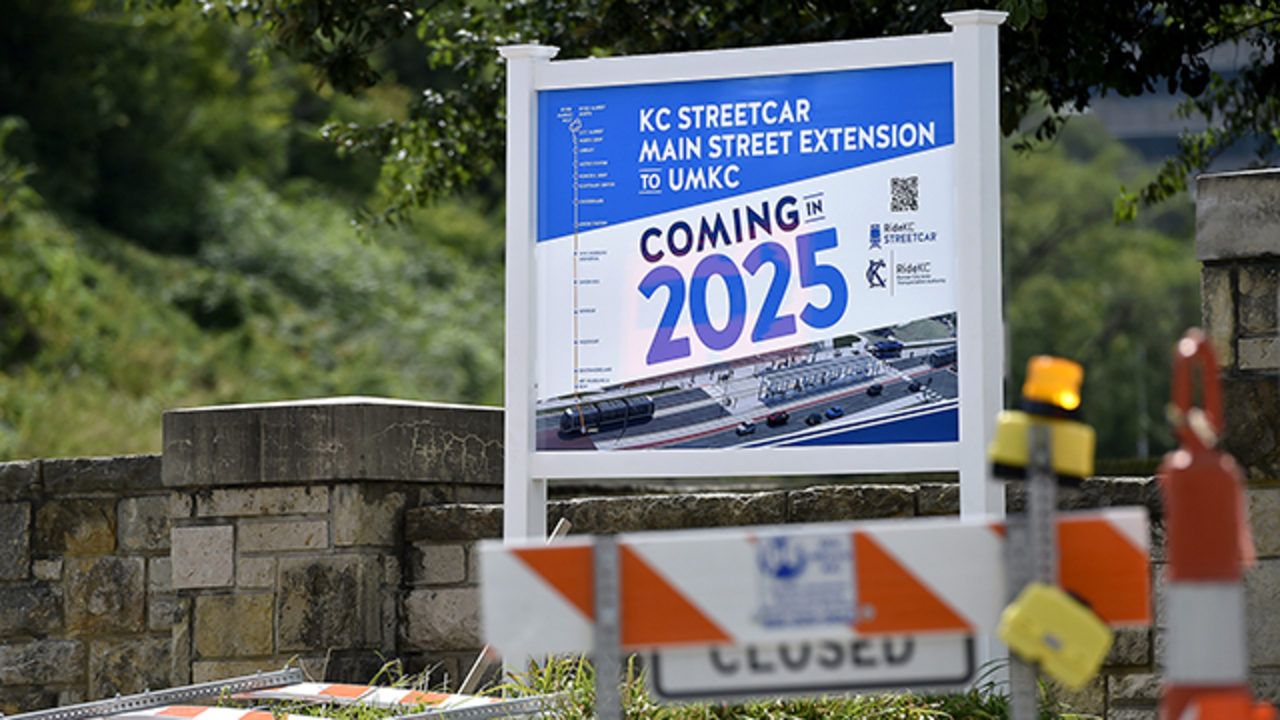
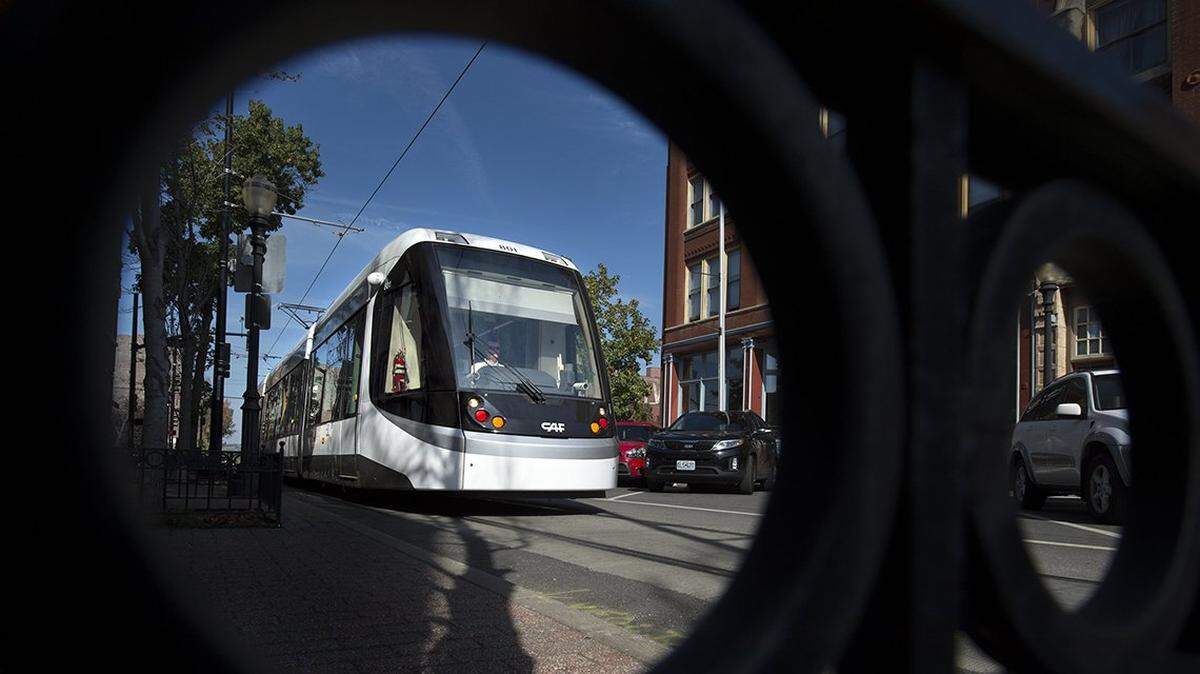
Streetcars, trolleys, cable cars and light rail lines served as major sources of transportation for the citizens of Kansas City from the late 1800s until 1957. At the peak of streetcar operations, the city had nearly 300 miles of track for its railed mass transit systems. Streetcars returned to the city nearly 60 years later in 2016.
Here are some of the streetcars that once traveled the streets of Kansas City.
Typical of the cable car trailers put into use in Kansas City in the 1880s was this one on the Troost line. It was towed by a grip car which was propelled by a moving underground cable. The gates were removed to expedite loading and unloading. Except at major stops, men usually boarded or hopped off without waiting for the cars to come to a halt. File The Kansas City Star
Cable car on the 12th Street incline. The slot between the tracks opened over the moving cable which pulled the cars along. File The Kansas City Star
The west entrance of the tunnel and part of the 8th Street viaduct, or “L Road,” are shown in this photograph taken about 1895. The powerhouse for the cable railway is at the left of the tunnel entrance. The ÒL-RoadÓ continued on across the West Bottoms and the Kaw River to Kansas City, Kansas. File The Kansas City Star
Horse-drawn cars of the Consolidated Line. File The Kansas City Star
A streetcar rolled through Independence, Missouri, along Maple Avenue at Liberty Street near the start of the 20th century. File The Kansas City Star
The horse car, pictured here, the cable car and the first electric cars all ran on Kansas City streets at the same time in the 1880s. File The Kansas City Star
Looking west on 9th Sreet. near Walnut in 1890, a cable car and trailer. It traveled to the sleep bluff overlooking the West Bottoms and went almost straight down the face of the bluff to the old Union Depot. File The Kansas City Star
The Kansas City & Independence rapid transit railway, with its six small steam engines, provided street car service between Kansas City and Independence for 10 years near the end of the 19th century. The engines, made by Baldwin of Philadelphia, were encased with street car tops to avoid frightening horses.They were similar to those used on Pike’s peak in Colorado. The line, one of Willard Winner’s promotions, was built in 1886 on the present Winner road, which was a private right of way at the time. Later Winner allowed the city to use part of the right of way for a road and received tax concessions for his generosity. File The Kansas City Star
An elevated railroad, which connected Kansas City, Mo., the old Union depot in the West Bottoms, and Kansas City, Kansas, was the most up-to-date transit system in its day. Shown is the Mulberry street station at Ninth and Mulberry with an electric street car pulling in from the east. A cable train proceeds north on Ninth. The picture was taken in the early 1890s. File The Kansas City Star
One of the monster cars of the early 1890s. It seated 24 riders. File The Kansas City Star
Waiting room which the street railway company built at the southwest corner of Main Street and Linwood Boulevard in 1899. Below is one of the Main Street cars of that period. File The Kansas City Star
One of the old Kansas City cable cars on the 12th Street viaduct in 1913. Young pranksters would tie metal wash tubs to the moving cable. File The Kansas City Star
The Strang Line was an interurban light rail line that carried people from Kansas City, Missouri, to Johnson County, Kansas, where the Strang Land Company was selling lots to those wanting to get away from the crush of the city. Johnson County Museum
The Metropolitan Street Railway Company, operator of the street car system prior to World War I, ran this car on the independence line, from downtown Kansas City to the square in Independence. File The Kansas City Star
A streetcar rolls through downtown Kansas City at 11th and Walnut in the early 20th century. File The Kansas City Star
A streetcar shares the street with automobiles in Kansas City in 1929. File The Kansas City Star
A streetcar named ‘”Betsy”, a fugitive from a Chicago scrap heap, was used by the Blue Valley Real Estate company to serve a new subdivision in southeast Kansas City shortly after the turn of the century. The line carried suburbanites to and from the Swope Park carline. Another streetcar, “Nancy”, a closed-in job of the same vintage, took over in foul weather. File The Kansas City Star
The last day of operation in October of 1931 for the “Toonerville trolley,” found James DeWeese bidding Gus Rhodes, long known as “the skipper,” farewell on the car knowns as “Betsy”. DeWeese, who lives one-half mile from the east end of the line, said he bought a motor car two days before in order to have transportation to go to work after the trolley cars had been relegated to the junk pile. File The Kansas City Star
Fresh from a paint shop test in 1937, this street car passed approval with a royal blue body, sage green window trim and panels, and a silver roof, narrow red stripes separating the three major colors that would go on to be used on future Kansas City busses and street cars. File The Kansas City Star
An elevated streetcar crossed over Main Street near 8th Street in downtown Kansas City in the mid-20th century. File The Kansas City Star
K.C Public Service Co. car south bound on the Country Club line. File The Kansas City Star
This was the last version of the streetcars to travel the streets of Kansas City when the service was discontinued in 1957. File The Kansas City Star
A streetcar emerges from the 8th Street tunnel in the mid-20th century. File The Kansas City Star
The end of street cars in Kansas city, at least for several decades. This car shown at 63rd and Troost was photographed on its last day of operation on November 27, 1956. File The Kansas City Star
Looking north on Grand Boulevard in downtown Kansas City, the tracks of the last of the streetcars that the city would see for several decades could be seen in this photo made on July 19, 1957. File The Kansas City Star
By November of 1957 the rails of the streetcar had been paved over on Grand Boulevard. File The Kansas City Star
This story was originally published September 15, 2021 at 4:00 AM.
Visuals Editor Chris Ochsner leads The Star’s talented staff of photojournalists and video producers. He’s had his hand in directing visuals coverage since 2002. Ochsner led the visuals team in its coverage of four Super Bowls and two World Series.