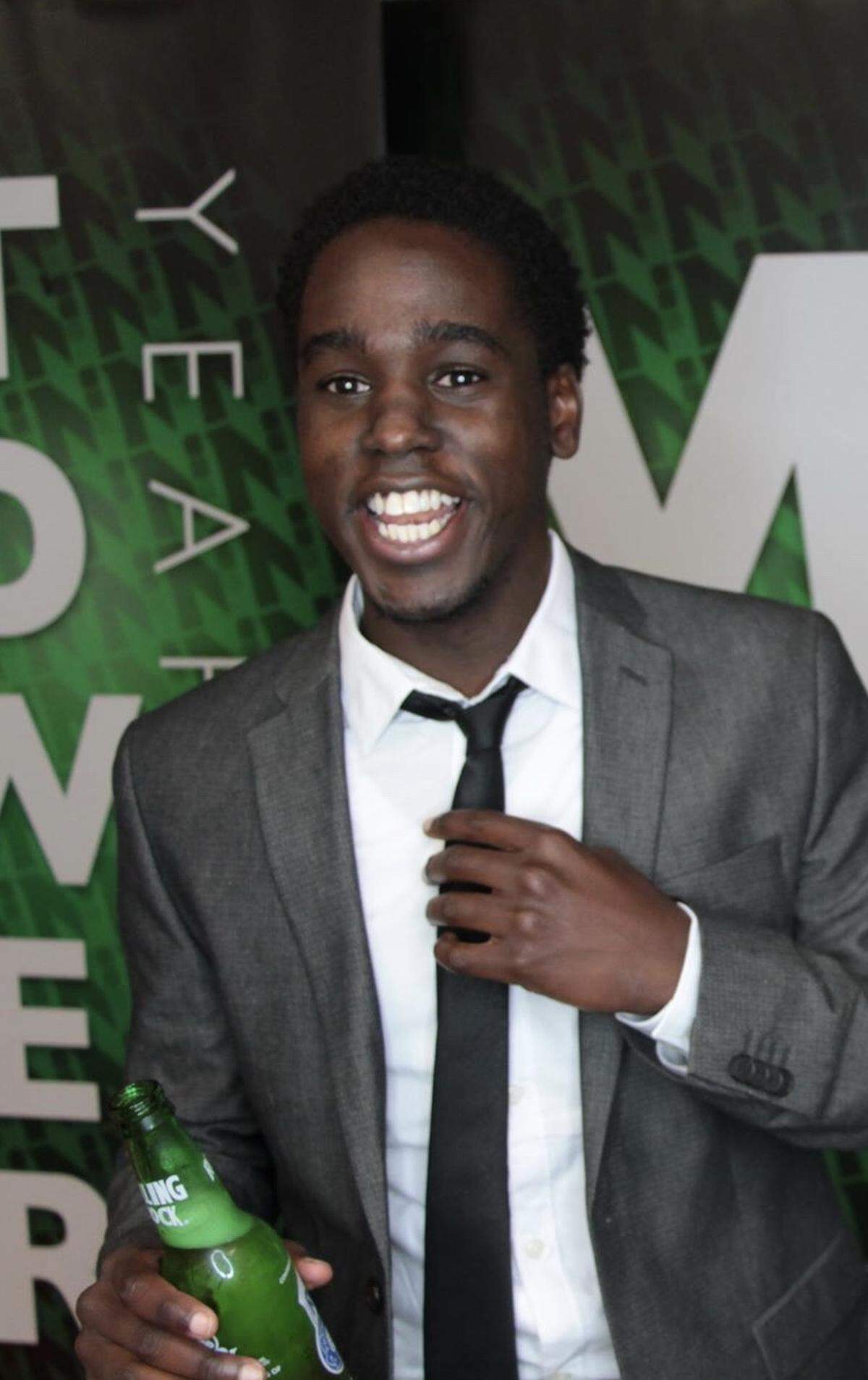
On The Vine: Home is where the [____] is?

To Anna, Cortlynn, Sharon, Katie, Allie, Savanna, and Mará (aka mother, aka aka yo yo ma); thank you for lending your voices to On The Vine.
I feel like I’ve aged years since February. My body feels tight, my eyes are heavy, my head feels blurry and discombobulated. All I seem to be able to think about is: Are we there yet?
Is this long haul almost over? The two weeks, turned year-plus — a decade in pandemic years — is coming to a close, right? Look outside, those familiar signs of home are getting closer, yeah?
Question is, what are we returning to? What has normal become? What will we realize once the lights are back on? Will we find a fuse has gone bad? That the clocks have reset? Will the couch still feel as comfortable as it did before?
We long to be back at crowded bars, vibrant restaurants, booming concerts and dark theaters. We long to freely meander grocery stores, host friends and family, and relieve the stress of the year through a massage and a healing touch. We long to do all of these things without the threat of virus tickling our nose. But even when that’s gone, when the invisible menace has dissipated, so many of us are faced with another that manifests violently. One that a vaccine won’t cure. One that, while walking down the street and “freely” living our lives, I’ve seen no proof we’ll ever escape — hate, ignorance, racism, white supremacy.
I’m terrified for things to go back to “normal.” I’m terrified for all the people I’ll never be able to protect, and for the ones I might find out I couldn’t.
We’re so close (I think?) to returning home. But, if we’re able to put the pandemic aside for a moment, there is so much that has happened. Not nearly as much has changed — this is still home — but it feels so much different. It does, right?
Resource: How to Help Combat Anti–Asian American Violence
Around the block
Stop the hate. Stop the stereotypes: Asian activism rises in KC after Atlanta attacks
It took probably too long following the murder of eight individuals, six of them Asian women, in Atlanta for The Star to enter the conversation. I bear the brunt of that blame. Where would we start? What are our Asian communities in Kansas City even like? Where are they? What do the people there think? How do they feel? ... So we started with those questions.
The Asian communities across the Kansas City metro, to someone who’s not embedded, nor in tune with them, are not easily identifiable, but they’re here and as violent anti-Asian hate and harassment has increased, they’re tired of not being heard.
Journalists at The Star interviewed dozens of people of Asian descent in the week following the attack. They spoke of being told to go back to where they came from. Of enduring jokes at their expense. Of fearing for their family so much that they bought a gun.
Across the Kansas City area, Asian activism is now rising.
It emanates not only from new and often young voices, but also from those who say that white America is finally listening to warnings of the reality of anti-Asian aggression.
“I do think that the Asian community has been trying to get (media) exposure,” said Jackie Nguyen, 32, whose mother came to the U.S. after the Vietnam War. “Just now are we finding that, you know, it’s being covered. … You’re finally listening.”
‘A little less lonely’: Kansas City shows up to support, honor its AAPI communities
Last weekend hundreds of Kansas Citians from across the metro showed up in solidarity to rallies meant to honor the lives of those killed in Atlanta and to support people of Asian decent.
Some 500 people on Sunday attended a vigil in front of Nguyen’s Vietnamese coffee shop Cafe Cà Phê in the West Bottoms. The day before, roughly 150 people gathered for a rally in Overland Park to stand against anti-Asian hate crimes.
Hattie Watson, 11, of Kansas City, is Asian American. In Kansas City, she said, she often feels invisible.
“White supremacy erases the important and nuance of AAPI experiences and often pits us against other communities of color,” she told those gathered. “We deserve to be seen regardless of how many of us there are.”
In case you missed it...
After Atlanta murders, how do we talk to our Asian American children about racism?
‘Honk for Peace’ activist accuses 2 KCPD officers of excessive force in civil lawsuit
KCQ remembers jazz star Julia Lee, who found national fame staying put in Kansas City
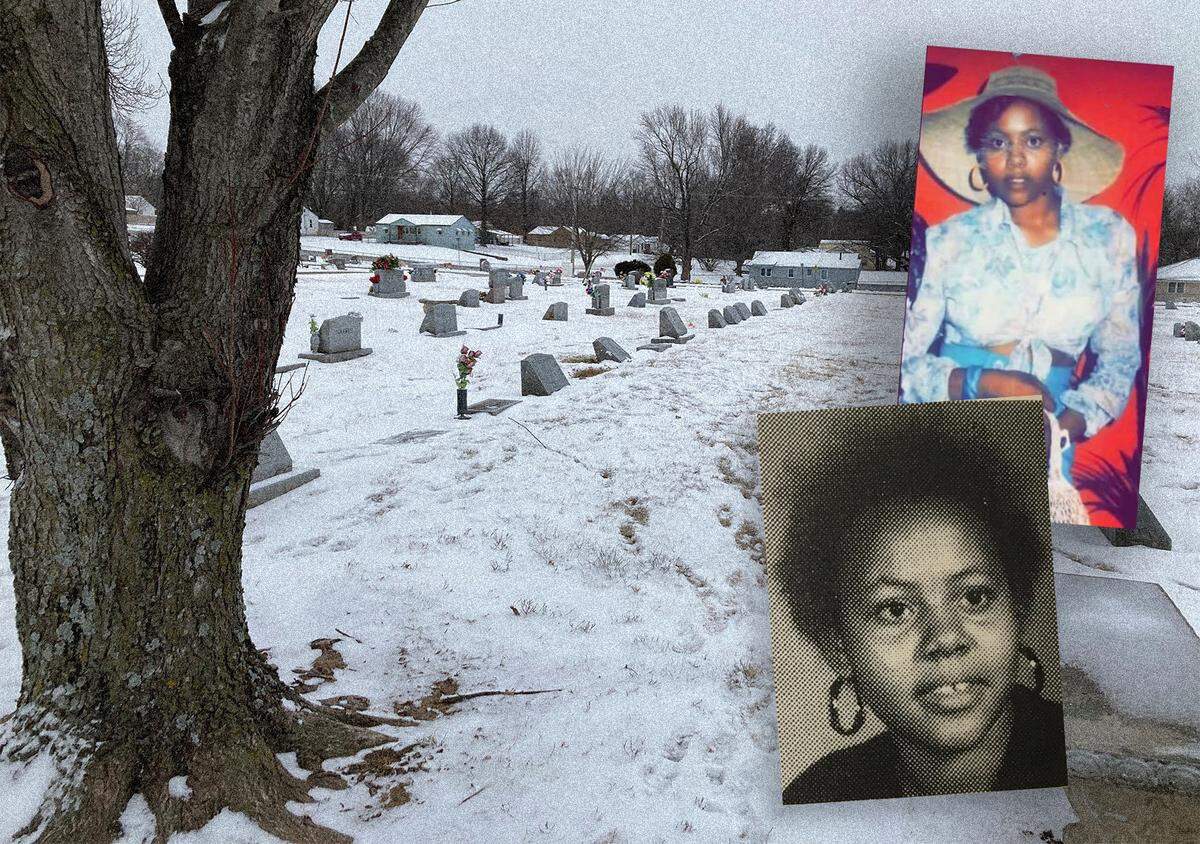
Why haven’t Kansas City, Kan., Police done more about long list of slain Black women?
In an investigative project collaboration with NPR’s Kansas City affiliate, KCUR 89.3, The Star dug into the cases of several Black women in Kansas City, Kansas, whose murders have remained unsolved for years. Former KCK police detective Roger Golubski has a close connection to at least six Black women killed decades ago.
The family of at least one of those women, Rose Calvin, still has unanswered questions. Calvin had been seen around with Golubski. Her family said they believe he was the one who supplied her with the drugs she was using.
In another piece on Golubski’s ties to murdered KCK prostitutes, The Star’s Melinda Henneberger writes:
Think about that: Wouldn’t any other man who’d been having sex with a series of murder victims be a suspect in their killings? Or at a minimum, someone the cops would want to talk to? That he was also the investigator in some of these cases is wrong on its face...
If you were one of “Golubski’s girls,” as activist Khadijah Hardaway calls the women he exploited, you were already in deep trouble. Like others he is accused in a lawsuit of pressing into service sexually and as informants, these were all women who had become addicted and were working as prostitutes.
Conveniently for the guilty, there was no public outcry when they disappeared. A line or two in this newspaper announced that their bodies had been found mutilated or strangled or shot.
Beyond the block
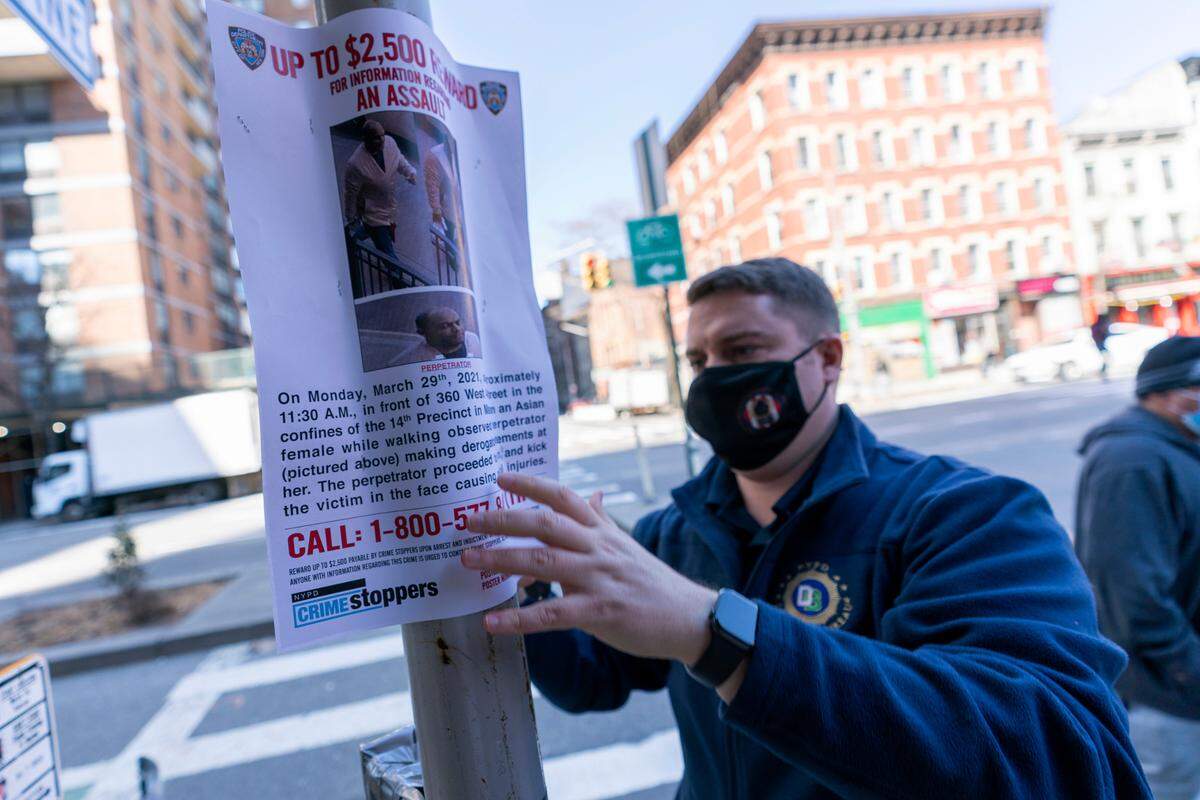
NYC Man Held Without Bail Over Attack on Elderly Asian Woman
On Monday a 65-year-old Asian woman was shockingly and brutally attacked in New York City in broad daylight. The entire incident was captured on the surveillance camera of the apartment building in front of which the attack occurred.
In the video, the man, who’s since been identified as Brandon Elliot, can be seen kicking the elderly woman to the ground and then repeatedly while making anti-Asian remarks. It’s shocking. But the brutality comes from the people inside the building who see it happen, watch it happen and simply shut the door.
Elliot, out on parole for killing his mother nearly 20 years ago, was arrested and charged with two counts of felony assault as a hate crime, Bloomberg reported. He also faces other charges.
“He then kicked her in the chest, knocking her to the ground and proceeded to stomp on her head, multiple times,” Assistant Manhattan District Attorney Courtney Razner said during the arraignment, according to Bloomberg. “The victim was taken to the hospital, suffered a fracture to her pelvis and contusions to her head and her body. She was hospitalized for over a day.”
Be sure to read up on...
A Minnesota man can’t be charged with rape because the woman chose to drink beforehand, court rules
Georgia Republicans speed sweeping elections bill restricting voting access into law
Asian women say Hollywood has failed them for decades. They’re ready for meaningful change.
The assault on trans youth rights
March 31 was Trans Day of Visibility. It could not have come at a more salient time, at a moment in which a record number of anti-trans bills have been introduced in state legislatures across the country.
This week Arkansas became the first state to ban transition-related health care, like puberty blockers, for trans youth.
“The bill in Arkansas is among the most sweeping and egregious anti-trans bills this [legislative] session,” Chase Strangio, an attorney for the American Civil Liberties Union, told Vox.
How the bill works, per Strangio: It would create civil and regulatory penalties for any health care provider who directly provides or even refers a patient for transition-related care to minors. It also bans state funds from being used toward transition-related care for minors, so even if someone goes out of state for care, but is on the state insurance plan or Medicaid, they would not be able to get coverage for that care.
There’s also been an effort spreading across the country to keep trans girls and women athletes out of girls sports in schools.
“Transgender Day of Visibility recognizes the generations of struggle, activism, and courage that have brought our country closer to full equality for transgender and gender non-binary people in the United States and around the world,” President Joe Biden wrote in a proclamation on Transgender Day Of Visibility. “Their trailblazing work has given countless transgender individuals the bravery to live openly and authentically. This hard-fought progress is also shaping an increasingly accepting world in which peers at school, teammates and coaches on the playing field, colleagues at work, and allies in every corner of society are standing in support and solidarity with the transgender community.”
Some reading for y’all...
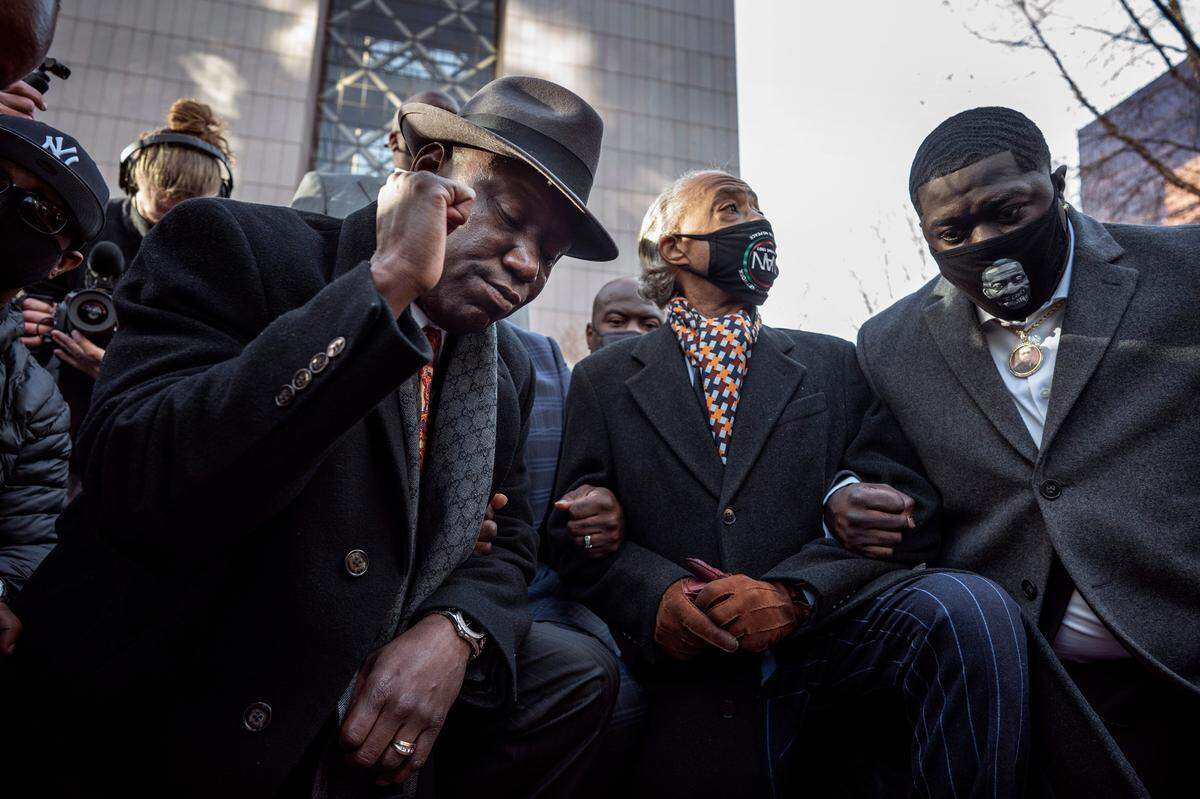
Derek Chauvin is on trial for George Floyd’s death
The trial of former Minneapolis police officer Derek Chauvin, accused in the killing of George Floyd, got under way this week. Honestly, it’s been difficult to follow. It’s been difficult to have to relive, to confront trauma, to have the American psyche on racism boiled down to the most direct and simple of terms through a trial that’s nearly impossible to escape.
There’s been a lot of emotional and affecting testimony thus far. But one thing that’s been clear from analysis and conversation around the trial — what we knew going in — is focusing on the fact that George Floyd is not on trial here. Blackness, though impossible to avoid, is not on trial here. Derek Chauvin is the one on trial.
During cross examination of Donald Williams II, one of the Black witnesses present in George Floyd’s final moments, Chauvin’s defense attorney attempted to paint Williams with a broad brush as “angry” at the scene. Praise to Williams for what he said, dismantling that narrative in its use here of the angry Black man or woman. The angry, out of control, wild Black man.
“In that statement, you said that, ‘Like, I really wanted to beat the shit out of the police officers,’ you said that,” Nelson said, reading from a transcript of the interview.
“Yeah, that’s what I felt,” Williams responded.
“So again, sir, it’s fair to say that you grew angrier and angrier.”
“No, you can’t paint me out as angry — I would say I was in a position where I had to be controlled. Controlled professionalism, I wasn’t angry,” he said, before being interrupted by Nelson, who objected on the grounds that Williams was being nonresponsive. Like so many other aspects of this widely watched trial, the exchange struck a nerve among some Black Minnesotans and on social media. Some users blasted Nelson’s line of questioning, accusing him of playing on a harmful racist trope of “an angry Black man” as a way to discredit Williams.
For the culture
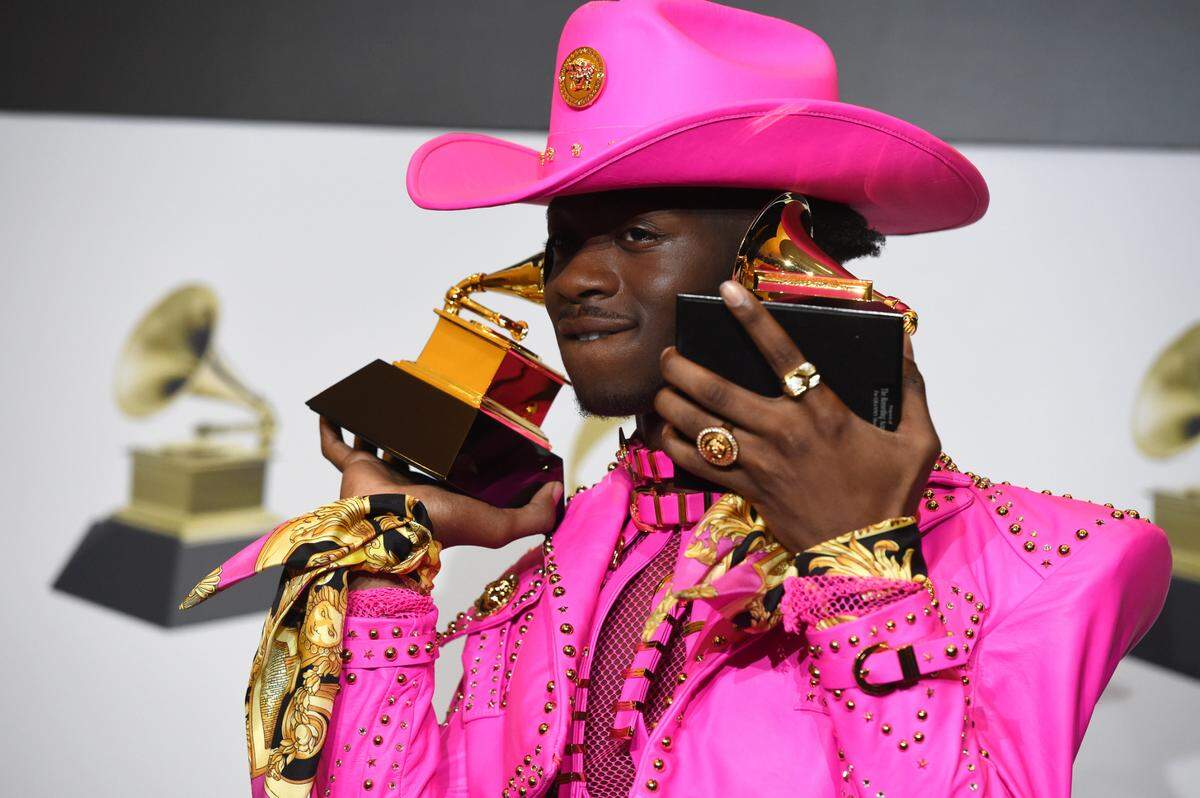
It’s Lil Nas X’s world, we’re just (happy) living in it
My, oh my, oh my.
Last weekend Lil Nas X, you know, the rapper turned internet icon who in 2019 broke country music for a time, released his latest music video for a new song “Montero (Call Me By Your Name).” Boy did it make people feel some kind of way.
My feelings: It’s the gayest thing I’ve ever seen, and I love every single thing about it.
Lil Nas X paired the song and video release with a letter he shared on social media addressing his 14-year-old self — using his given name, Montero — about coming out publicly.
He wrote:
i wrote a song with our name in it. it’s about a guy i met last summer. i know we promised to never come out publicly, i know we promised to never be “that” type of gay person, i know we promised to die with the secret, but this will open doors for many other queer people to simply exist. you see, this is very scary for me, people will be angry, they will say i’m pushing an agenda. but the truth is, i am. the agenda to make people stay the fuck out of other people’s lives and stop dictating who they should be. sending you love from the future.
I read it and every time want to cry.
I’m not here to write a dissertation on Lil Nas X’s declaration on queer love, but the video leans HARD into the belief of some that homosexuality is a sin. The wow moment in the video, where my eyes lit up with giddy amazement, sees Lil Nas X twirling down the absolute longest stripper pole, red died braids flowing in the wind, all the way to hell where he tempts Satan and then rules over hell. If that isn’t expert-level trolling.
Oh but it doesn’t stop there. I recommend reading this Vox piece from Aja Romano, in which she lays it all out and details the additional ensuing controversy...
So you can see how the music video might be a little bit shocking — especially from the portion of the public that loves a good moral panic and believes queerness is a sin.
But Lil Nas X apparently wanted to ratchet up the potential for outrage just a bit further. So he partnered with a creative agency named MSCHF, a Brooklyn-based promoter with serious Zardulu energy that’s become known for a string of viral stunt promotions. In 2019, MSCHF released a viral pair of sneakers called “Jesus Shoes,” which claimed to contain a drop of holy water in every pair.
Check this too...
‘Greatest Stripper Saga Ever Tweeted’ Comes to Life in New ‘Zola’ Trailer
‘Falcon and the Winter Soldier’ Uncovers Marvel’s Original Sin

Addison Rae taught Jimmy Fallon TikTok dances, but Twitter remembers who created them
I’ll be quick.
One of the biggest “stars” on the TikTok platform, Addison Rae, did a segment on “The Tonight Show” with Jimmy Fallon in which she taught the host popular and viral dances that have originated on the app. Though, those dances didn’t just manifest from nothing like some TikTok big bang. They were created by people of color, many are young Black women, none of whom got a segment on “The Tonight Show” to share their art and creativity. Whoops.
This has been an issue since the nascent days of TikTok, hell, this has been an issue really since... well, I can’t think back that far, but it always reminds me of Little Richard’s courtroom introduction in the 1998 classic (fight me on it) “Why Do Fools Fall in Love.”
With Little Richard’s patented dynamism, he exclaims:
I am the originator. I am the innovator. I am the emancipator. I am the motivator. I conceived and achieved it, defined and refined it. Mold it and souled it. Then the white man stole it. Ooooh yes, stole my “whooo!” Stole my “wop bop a loo bop a lop bam boom.” Took all my copyrights. Put out covers on me. Why do you think they call it rhythm and blues?
And we’ve all seen “Bring It On,” right? Of course.
Stay safe; get vaccinated!
Did someone forward this newsletter to you? You can sign-up here. If you’d prefer to unsubscribe from this newsletter, you can do so at any time using the “Unsubscribe” link at the bottom of this message.
This story was originally published April 1, 2021 at 11:36 AM.