
‘Stealth omicron’ variant is unlikely to hit KC as hard as past variants, experts say
READ MORE
Kansas City cop survived COVID-19, supported by West Side
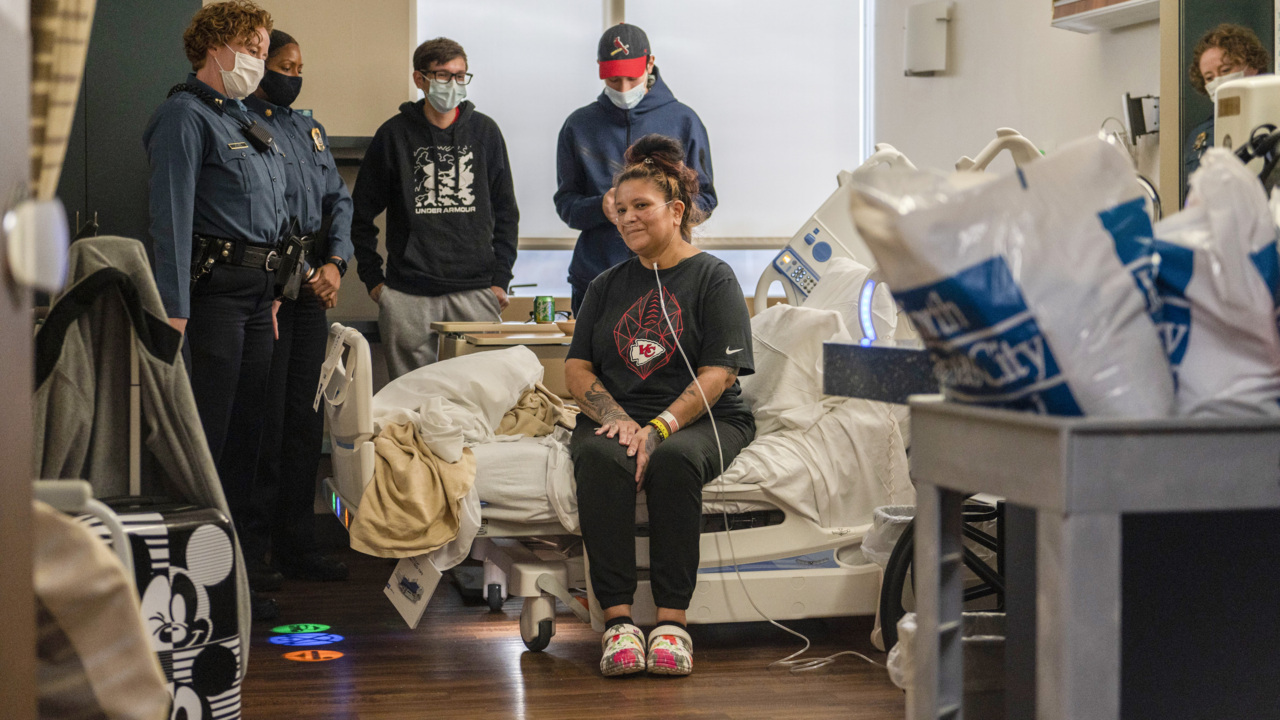
Lisa Sidenstick, a KCPD officer and mother of four, was so sick a priest read her last rites. Now she faces a long road to recovery — but she’ll also have a lot of help from her family, fellow cops and West Side community.
Expand All
KCPD officer almost died of COVID. Now she recovers, helped by fellow cops, Hispanic community
‘Stealth omicron’ variant is unlikely to hit KC as hard as past variants, experts say
Una mujer policía de KCPD casi murió por COVID. Está mejorando con la ayuda de la comunidad
Kansas City police officer recovers after nearly dying of COVID
COVID-19 case numbers and death counts are low and steady in the Kansas City area despite the increased share of infections being caused by the BA.2 subvariant, a version of the omicron strain sometimes called “stealth omicron.”
“I don’t think we’re going to get hit by the BA.2 variant in the same direction that Europe was– I’m very hopeful about that,” said Dr. Steve Stites, chief medical officer at The University of Kansas Health System, in a news briefing on Tuesday, March 29.
“I think there is going to be a lot of natural immunity [from the original omicron variant], and it does look like we’re going to be offering a fourth vaccination for people over the age of fifty.” Stites added that getting vaccinated not only helps reduce transmission of the virus, but also gives it fewer opportunities to mutate into new and more dangerous variants.
Here’s how vaccinated different parts of Kansas City are, and here’s where to get a free vaccine or booster shot in the area.
Kansas City’s latest COVID data
Local officials have reported 398 new COVID-19 cases in the past week, bringing the total number of cases in the Kansas City metro area up to 356,642 since the pandemic began. That’s almost exactly the same as the 399 cases recorded last week, which was lower than the 451 the week before.
As of Tuesday, March 29, the rolling average of new COVID-19 cases across the metro area is around 75 per day over seven days, according to data tracked by The Star. That’s a little higher than last week’s average of 67, which was similar to the previous week’s average of 64.
There have been approximately 4 deaths per day reported in the last week, which is lower than the 5.4 per day reported the previous week. Last week’s average included an audit which added 111 previously uncounted COVID-19 deaths to the state’s totals. This week’s data included a smaller audit that added 115 deaths.
Twenty-eight new deaths were reported this past week in the Kansas City area, bringing the local death total up to 4,255 since the pandemic began. Thirty-eight deaths were recorded the previous week.
How are local hospitals holding up?
The University of Kansas Health System is treating fourteen patients with active COVID-19 infections as of Tuesday, March 29. One of these patients is in the ICU, and is on a ventilator. That’s the same number of active cases the hospital was treating at this time last week.
“Our active infections… are really staying stable in the mid-teens,” said Dr. Dana Hawkinson, medical director of infectious disease prevention and control at The University of Kansas Health System in this morning’s news briefing. “We obviously don’t have a significant amount of critically ill patients… I think the trend is good.”
Does the BA.2 subvariant pose a threat?
The BA.2 subvariant of omicron is already present in Missouri, including in Kansas City. Wastewater expert Dr. Marc Johnson has been seeing the strain for months in local wastewater, but its presence has not caused a rise in cases so far. Johnson predicts that while a new wave of infections is on the way, it will likely be much milder than previous waves.
While early data shows that this strain is no more serious than the original omicron variant, it is somewhat more contagious. Dr. Raghu Adiga, the chief medical officer of Liberty Hospital, stressed the importance of getting a booster shot or completing a course of COVID-19 vaccination if you haven’t already.
How vaccinated is the Kansas City area?
Vaccination rates in the area are rising slowly, with 60.99% of the population fully vaccinated in the Kansas City region. Eastern Kansas has a higher vaccination rate, at 68.73%, than western Missouri does at 55.23%.
Getting vaccinated is still the most effective way to protect yourself and others from COVID-19, and experts recommend using increased caution if you are not yet vaccinated.
Do you have more questions about staying safe from COVID-19 in Kansas City? Ask our Service Journalism team at kcq@kcstar.com.
This story was originally published March 30, 2022 at 5:00 AM.
.jpg)