
‘It’s OK to be not OK.’ How parents can talk to their kids about mental health
READ MORE
Website showed these Kansas Citians how to die by suicide
Two young Kansas Citians took their lives after spending time on a pro-suicide website. Their grieving families want the sites shut down, but there’s no law prohibiting them.
Expand All

These Kansas Citians died by suicide. A website showed them how, and it’s all legal
Here are resources that can help now if you or a loved one are at risk of suicide
Could someone you know be thinking about suicide? Here are signs, risks, to watch for
‘It’s OK to be not OK.’ How parents can talk to their kids about mental health

Know the warning signs for suicide and what to do next
Editor’s note: If you or someone you know is at risk of self-harm, the National Suicide Prevention Lifeline provides 24-hour support at 800-273-8255.
Dear Mom and Dad, if you’re trying to get your child to open up about some heavy emotions, please do not tell them, “We need to talk.”
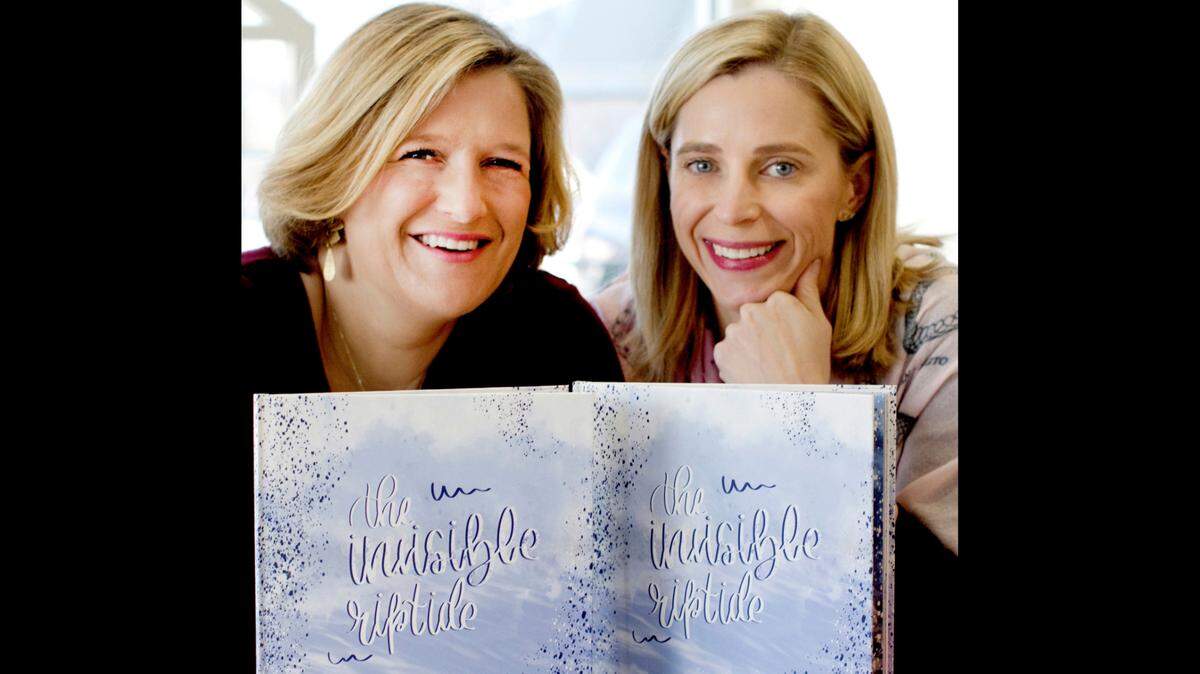
“That’s the worst way to start a conversation,” said Kansas City counselor Carron Montgomery, author of “The Invisible Riptide,” a book for parents and children explaining how to work through the world’s current “silent emotional tsunami.” Medical experts have warned that Americans are experiencing a mental health emergency made worse by the pandemic.
Instead, try talking while you’re in the car so you don’t have to make eye contact, Montgomery said. Or while cooking dinner or playing a board game. “Kids are more likely to talk when they’re doing something, like shooting baskets,” she said.
A lot of parents are afraid to discuss mental health issues with their children because they’re afraid they might say the wrong thing, said Montgomery. That’s one reason she and clinical psychologist Caroline Danda are writing an entire series under “The Invisible Riptide” name.
The second book, “From Surviving to Vibing: Filling in the Gaps,” is help for tweens, teens and young adults.
“I tell parents the best thing to do before you do anything, before trying to fix it or offer solutions or just say it’s going to be OK, is get curious,” said Danda, who works in Johnson County. “Just listen and validate, and let them talk. Let them know that you’re in their corner and you want to understand.”
Having hard conversations gets easier with practice, they tell parents, reminding them that kids are forgiving and conversations can be repaired or reframed if they don’t go well the first time. You can also suggest they draw their feelings or write a note that you read later if words don’t come easily, they suggest.
Children and teenagers often don’t know why they’re feeling low, so it’s up to parents and other adults in their lives — teachers, coaches, pediatricians — to help them figure it out, they said.
Sometimes, the signals that something is wrong are silent, Danda said.
“A lot of times we have to be looking for those silent SOS’s, because kids may not be able to identify what’s going on, or express it or know what to do with it, or they may be scared to talk about it,” Danda said.
Parents need to listen to their gut, said Montgomery. “Anything where your gut says that something’s off,” is probably off, she said. “When we listen to ourselves we see things.”
Their overall message to children and parents is this: It’s OK to not be OK.
“We can all be resilient. So I want to continue to have a message of hope in this too,” said Danda. “And it’s also OK to reach out for help. It’s what’s needed now more than ever.”
Montgomery said parents need to stop thinking that if they talk about suicide it will plant the idea in their child’s mind.
“A kid doesn’t become suicidal just from that,” Montgomery said. “They have to have a pre-existing depression or anxiety and they have to already be considering it or have a past history in order for a discussion to elicit that. So that’s a huge thing that people don’t understand — that talking about it actually reduces it.”
Keeping lines of communication open between parent and child is crucial, Montgomery said.
“We know as therapists we can make a difference,” Montgomery said. “But we want everybody to know they can make a difference too and how to do it.”
.jpg)