
These Kansas Citians died by suicide. A website showed them how, and it’s all legal
READ MORE
Website showed these Kansas Citians how to die by suicide
Two young Kansas Citians took their lives after spending time on a pro-suicide website. Their grieving families want the sites shut down, but there’s no law prohibiting them.
Expand All
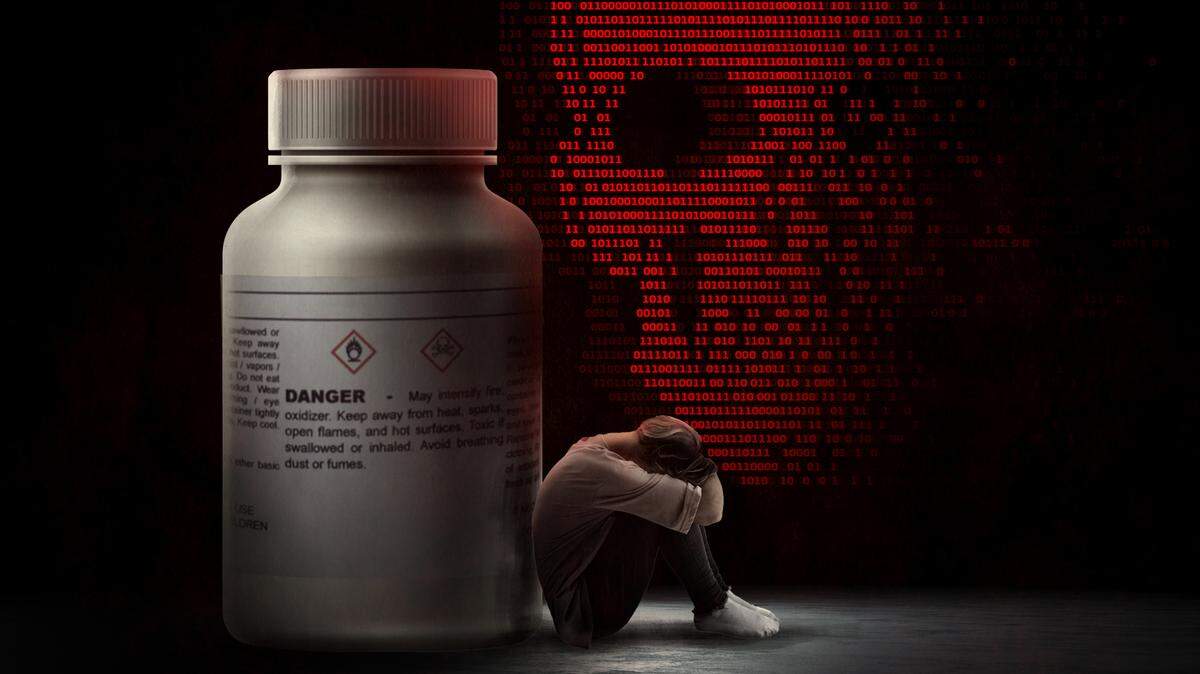
These Kansas Citians died by suicide. A website showed them how, and it’s all legal
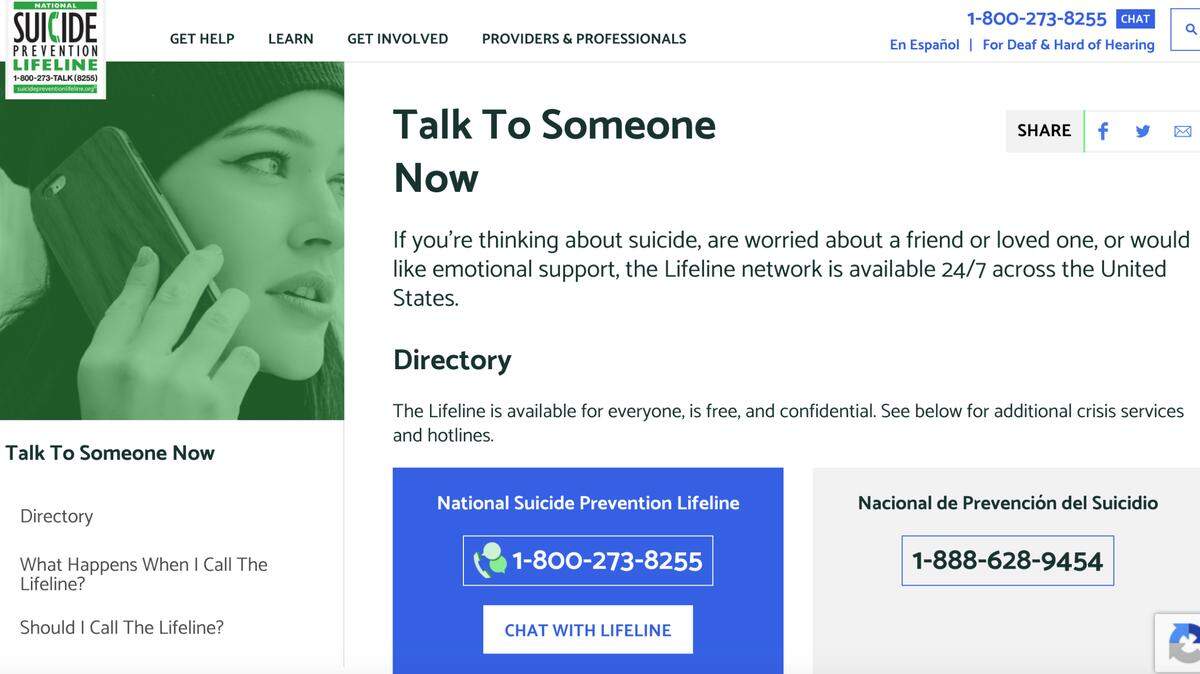
Here are resources that can help now if you or a loved one are at risk of suicide
Could someone you know be thinking about suicide? Here are signs, risks, to watch for

‘It’s OK to be not OK.’ How parents can talk to their kids about mental health

Know the warning signs for suicide and what to do next
Editor’s note: This story contains details about suicide. If you or someone you know is at risk of self-harm, the National Suicide Prevention Lifeline provides 24-hour support at 800-273-8255.
Miles Smith belonged to a website where members from around the world help one another end their lives. Smith’s mother believes that’s where her first-born learned how to turn a common chemical into a lethal brew.
Smith died last August in a Kansas City apartment at the age of 31, leaving a note with the security code for the cellphone and laptop.
Lynn Hearst knew Smith still grieved the death of an ex-girlfriend, but she didn’t realize the depth of that despair. Unlocking Smith’s electronic devices, she was shocked to see what Smith did in the final minutes of life.
Smith texted back-and-forth with someone found through the website. Someone named “Victor,” who allegedly lives in the Czech Republic, Hearst said. Someone who apparently did not try to stop Smith from suicide, perhaps even encouraged it.
Reviewing Smith’s online activity “allowed me to see that he mentally was on a path that just was not right,” Hearst, a Missouri native now living in Arkansas, told The Star. “He wasn’t the Miles I knew.”
Then in January, just five months after Smith died, another young person in the metro took a fatal dose of the same substance, aided and possibly prodded by the same website. The 23-year-old University of Kansas student died just a few miles from his family’s home in Johnson County.
Before he walked out the door for the last time, his mother, worried about her son’s erratic behavior over Christmas break, told him he needed a mental health evaluation.
He looked at her and said, “You know what, Mom? You’re right.”
“I will never be the same,” said his mother, who spoke on the condition of anonymity because she does not want her son to be remembered for the way he died. “And I have no words, no words, for anybody who gets online and tells people how to kill themselves and that mental health care is bad.
“We were not allowed to parent our child because we didn’t know he had a problem because he got on a website … he got sucked into it … and they took over. They took from my husband and I the parenting that we would have loved to have provided him.”
As news stories have mounted, a bipartisan group of congressional leaders in late December asked whether the U.S. Department of Justice can investigate the site and whether its administrators can be held legally accountable for deaths associated with it. That conversation is just beginning.
But parents who blame online suicide forums for prompting their loved ones’ deaths, including the mothers of these two young Kansas Citians, are not waiting for political intervention they suspect will never come. Families are networking online, consulting lawyers and warning other parents.
Hearst is not so concerned about the substance Smith used to take his life as much as she is about how the website influenced that decision.
“The point,” she said, “the whole point is, but for not (the website), my son would either be here or he would have used another way.”
BEHIND THE STORY
MOREHow we did this story
The Star chose to omit pertinent details in this story after consulting with local mental health experts and reviewing guidelines for reporting about the topic, as recommended by suicide prevention groups and others.
The Star is not naming the website the subjects of the story visited before they died, nor the chemical they used and details of their deaths. Sidebars provide information on where people having suicidal thoughts can find help.
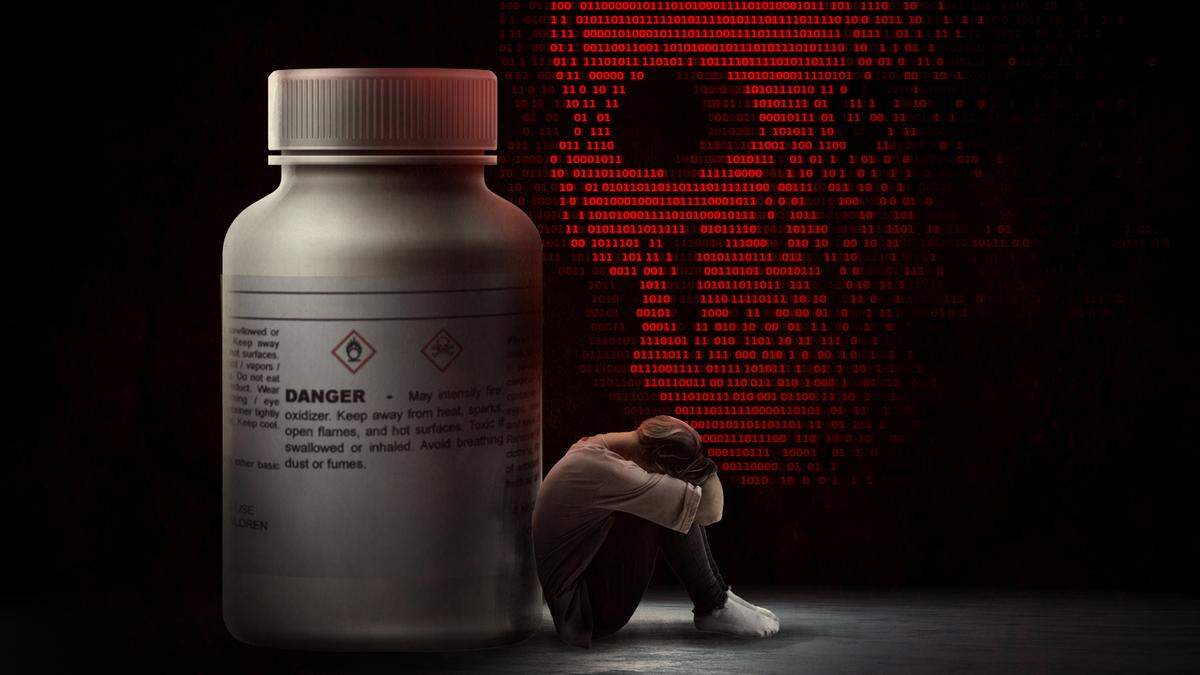
Websites and suicide
Websites where people discuss suicide have been around for years. But they’ve come under fresh scrutiny as health officials warn that America is experiencing a mental health emergency, with rising suicide rates for some groups, caused in part by the universal stresses of the COVID-19 pandemic.
Americans report they are anxious, depressed and feeling socially isolated, conditions mental health officials say can make people dangerously vulnerable to online discussions where strangers encourage one another’s dark thoughts.
“I absolutely steer (people) away from those websites. I don’t think anything positive can come from those,” said Tim DeWeese, director of Johnson County Mental Health.
The website has been the subject of national media reports in recent years. In December, an investigation by The New York Times identified 45 members of the website, including minors, in the United States and a handful of other countries who killed themselves after spending time on it.
One of them was Smith, listed as a “31-year-old male” from Kansas City.
So was a 16-year-old girl in Illinois and a 16-year-old boy in Salt Lake City. And a 25-year-old male in Northern Ireland, a 35-year-old male in Mississippi and a 58-year-old man in Texas.
The Times reported that the “trail of deaths is likely much longer. More than 500 members — a rate of more than two a week — wrote ‘goodbye threads’ announcing how and when they planned to end their lives, and then never posted again.
“In many of them, people narrated their attempts in real-time posts. Some described watching as other members live-streamed their deaths off the site.”
One month after the report was published, the Johnson County 23-year-old took his life.
.JPG "image_6487327 (5).JPG")
‘It hurts too much’
Smith, who moved to Kansas City to go to college, had recently come out as nonbinary, adopting the gender-neutral pronoun “they” that was used in their obituary at his mother’s request. When Hearst speaks of the child she gave birth to, she says “he” out of habit.
Smith kept their transition secret from their parents and younger sister. “He just let his friends know,” said Hearst.
She didn’t know, either, that Smith was talking about suicide online.
Smith posted under the nom de plume of troubled French poet Gerard Labrunie, who had a pet lobster and who took his life in 1855. The Missouri transplant was fascinated by literature and philosophy, by Mahler’s music, Goethe’s poetry, espresso and Kansas City barbecue.
User names on the website tend to be morbid and ironic.
Last Flowers. Leaving Forever. Melancholy Magic. Ticket 2 Heaven. This Place Is a Prison. Rain and Sadness.
Buttercup.
Smith had tried to take their life twice before, Hearst said. Smith lost two close friends to suicide over the last seven years, and each death seemed to shove Smith to the brink.
Smith played classical guitar and was attending the music conservatory at the University of Missouri-Kansas City in 2014 when a close friend and fellow student took his life. In the aftermath, Smith quit school and, according to their mother, “didn’t have much of a goal at that point.”
Smith worked at a couple of Brookside restaurants. Regulars at Aixois French bistro knew Smith and their girlfriend, who also worked there. Hearst said they were “a really cute couple.” But then came a breakup. And when Smith’s former girlfriend died in the summer of 2019, Smith became fixated on how it happened and cut ties to Hearst and the rest of the family, she said.
Two months before Smith died, Hearst visited them at the Brookside bakery where they worked in a last-ditch effort to reconnect.
“He came around from the counter when he recognized me, gave me a big hug, and he said, “Mom, it just hurts still too much,” Hearst recalled.
“Miles, I know,” she told them.
They made plans for her to come to Kansas City every month from her new home in Arkansas. But those visits never happened.
Later reviewing Smith’s internet activity, Hearst realized that “he had already checked out” by the time of that last hug.
These websites are legal
In 2015, Vice news website interviewed the founder of a then-new pro-suicide website, someone with a pseudonym who described it as a “place for people to find help and a place to vent, as well as a place to find a suitable way of choosing to end their own lives, if that is their desire.”
Two years later, Dr. Nathaniel P. Morris, a resident physician in psychiatry at the Stanford University School of Medicine, argued in The Washington Post that websites promoting suicide are dangerous.
“The rise of pro-suicide activity online raises tough questions about the boundaries of free speech and what constitutes online use,” Morris wrote. “In particular, do we want the internet to be a place where people can learn about — and even be drawn into — killing themselves?”
The sites operate legally in the United States. But other countries have moved to ban pro-suicide sites. Australia was one of the first in 2006.
The site investigated by the Times “hosts public forums, live chats, and private messaging around suicide,” U.S. lawmakers wrote in December. “Users share their suicide plans with one another, promote poisons, and post ‘goodbye posts’ and real-time suicide attempts, which are the most-viewed posts on the site.”
Health experts are still studying how the internet affects suicide risk and prevention efforts. A 2014 survey of 1,560 young people in the United States revealed a direct connection.
Those who visited pro-suicide sites were 11 times more likely to report thinking about hurting themselves and seven times more likely to report thoughts about killing themselves.
Today’s young people have never known life without the internet and social media, said DeWeese of Johnson County Mental Health. “Yet we have still not, even though we’re generations into this now, we have still not figured out how to regulate an industry that has so many potential dangerous side effects,” he said.
It came in a UPS box
It’s only been eight weeks since the Johnson County mother planned her middle child’s funeral and chose his final resting place near a pretty stained glass window in a mausoleum.
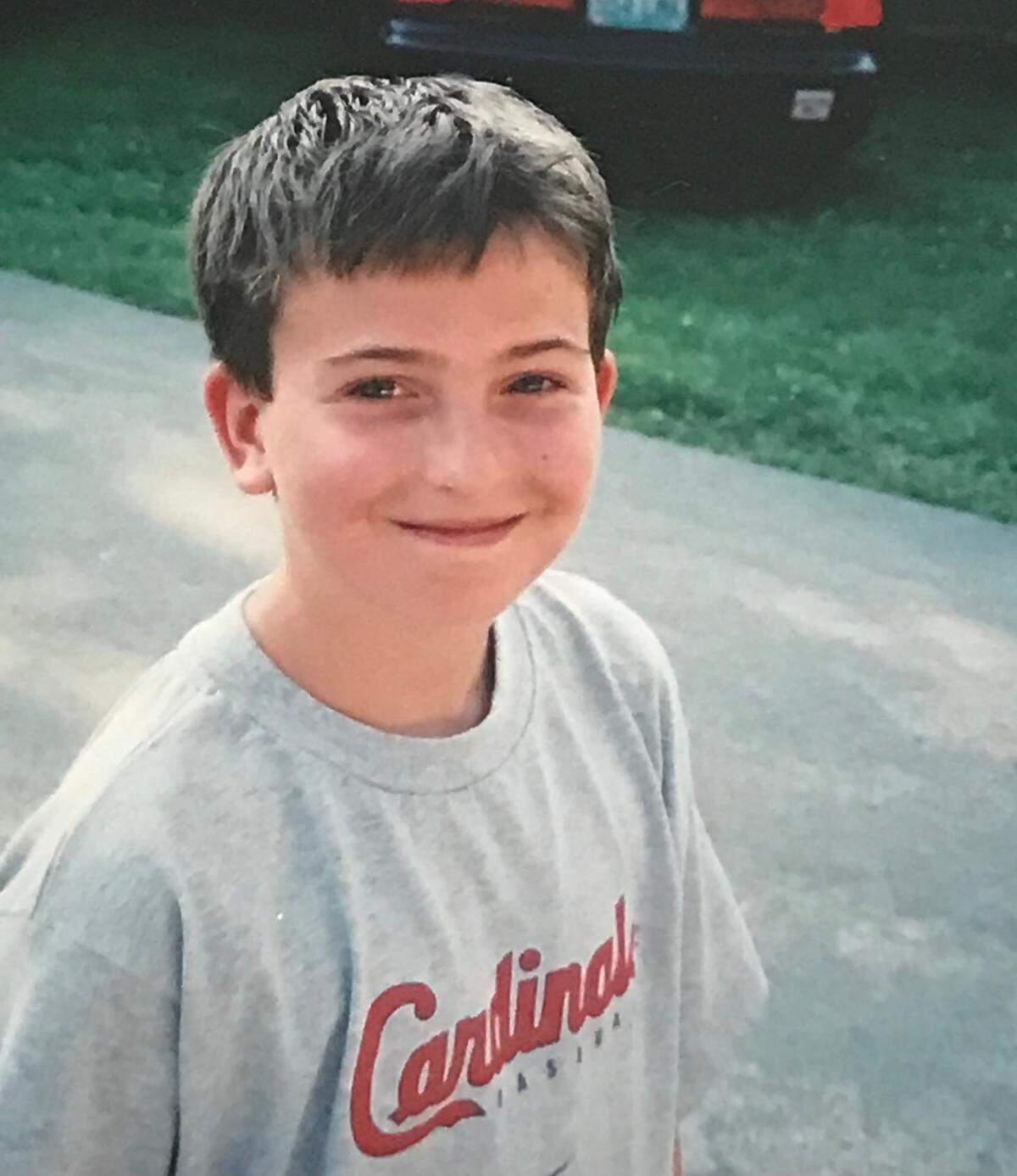
She keeps his photos close by. The youth league portrait of a grinning grade-schooler holding a basketball. The high school portrait of a handsome young man, arms crossed, furrowed brow.
He was middle-child ornery and liked to “think outside the box,” his mom said. He loved to debate and was curious about everything, soaking up “like a sponge” information and viewpoints that didn’t necessarily match those of his parents, who live in a neighborhood where golf carts have the right of way.
At one point in his life, he and his friends wanted to be Navy Seals. So they hiked miles on Johnson County trails wearing backpacks loaded with rocks. His mom thought he might one day serve in the military, or be a cop or fireman, something that put his “pure heart” to work serving others.
He’d seen mental health counselors in the past. But in the weeks leading up to his death he lied to his mom about how he was feeling, batting away her questions about his state of mind like pesky flies.
He said he was OK.
But he wasn’t.
She said she’s always been “hyper-vigilant” about her children’s mental health because of a family history of suicide. After the loss of a loved one years ago, she checked her son’s computer activity and found he had logged onto a pro-suicide site.
After he posted on one in high school, his parents took him to a psychologist who told them trying to keep their son away from those websites would be difficult, if not fruitless. They didn’t know he had found his way back to them until after he died.
The chemical that killed him came to the family home in a UPS box in December, when deliveries of online Christmas purchases were coming left and right.
One of the boxes addressed to him arrived after he died. The family turned it over to police, who found a small plastic bottle inside full of a white substance.
The dose makes the poison
The death of 19-year-old former child actor Matthew Mindler last year was the first time DeWeese heard about the chemical being used for suicide. An autopsy determined Mindler died of suicide using toxic levels of the substance.
His mother said she had no idea that her son, who appeared in the 2011 comedy “Our Idiot Brother,” was suffering. He went missing late last August from his dorm at a Pennsylvania college where he was a freshman.
Researchers who reviewed intentional ingestions of the chemical in the United States from 2009 to 2019 concluded that this method “appears to be gaining popularity, spurred by online suicide blogs and an easily obtainable product.”
There’s no indication of that trend in the Kansas City area, DeWeese and other local health officials report.
Some parents are angry that it can be easily purchased online. But its primary use is non-lethal and legal, as are many of the things people intentionally misuse to harm themselves.
Amazon sells more than 200 products containing the chemical, often used to cure bacon, ham, corned beef and other meats.
“There’s no such thing as an evil drug. It’s how it’s used and how much is used,” said Dr. Stephen Thornton, medical director of the Poison Control Center at The University of Kansas Health System and an emergency department physician.
For instance, the chemical can also be used as an antidote for cyanide poisoning, Thornton said.
“The internet is a wonderful and horrible thing at the same time. And part of it is, there’s going to be access to these chemicals,” Thornton said. “I don’t know what the answer is to controlling them. Because you can go on Amazon and the (chemical) is sold for curing beef jerky. Do you ban it and say people can’t cure their beef jerky anymore? I don’t know.
“I think the discussion around it is not about banning it, but taking a harder look at the websites that are giving the information, where people are swapping recipes for how to use compounds like that.”
After Mindler died, his mother looked at his internet search histories and found he’d been hunting online for information about lethal compounds to use for suicide. He was looking for a peaceful method, she said.
But death by an overdose of this chemical likely was not the peaceful exit he was searching for. In effect, it’s death by suffocation.
“It would be no different than if you were in a room without oxygen,” said Thornton.
.JPG "image_6487327 (3).JPG")
Losing Miles
Hearst’s daughter, former military like her parents, is trained in security and intelligence and went to work digging around on Smith’s computer looking for the whys and hows of their death.
The “Victor” that Smith was texting at the end? Hearst is skeptical that “Victor” was really from Prague because they used “y’all” in conversations with Smith.
Hearst has poked around on the website, too, gaining member access.
“That allowed me to really take a deep dive into Miles and really see how he was during this whole time,” she said. “I’ve taken probably a good 200 screenshots. … You can see all this I’ve uncovered. It’s horrible.”
Smith joined the website in October 2020, and it was clear they were looking for help, Hearst said. A week after joining, Smith reached out to an online therapist and confided they were drinking and felt they didn’t have a reason to live now that their ex-girlfriend was dead.
But Smith never got that therapy. “Long story short, it was too much money for him,” said Hearst. “So guess where he went? Back to (the website).”
Sleuthing around on Smith’s computer revealed they bought the chemical in December 2020, nine months before they died. Smith consulted a popular go-to reference used by website members interested in the substance.
Members are told they can talk about their thoughts and not be ashamed or feel bad about them, that they are normal and that other people in their lives are not, she said.
“And oh, by the way, your parents are part of the problem. The mental health profession is part of the problem. It plays into that narrative,” said Hearst.
“And that’s what happened with my son. I saw it with my son on messages ... with other members. He made it seem like his family really didn’t care. That wasn’t true. We were trying to reach out to him.”
From what she’s seen she can understand how people become obsessed with suicidal thoughts once they join the website. “I found myself doing this, you become obsessive because you see horrific things,” she said.
There are people who need help who are on that site seeking it, said Hearst, “and everyone is very empathetic to those people. It’s just that it’s a platform that allows for predatory behavior to play out.”
One post she won’t forget came from a minor who wrote they wanted to take the substance but their mom was down the hall “and they were afraid the mother was going to hear them and come in and stop the attempt,” Hearst said.
“So someone posted and said go to this link and this will tell you how to do it quietly.”
A mother’s mission
Jan. 8. A Saturday. The Kansas Chiefs beat the Denver Broncos in the last game of the regular season. It was the last day the Johnson County mother saw her son alive, the day their world came crashing down.
After two years at KU, her son got into nursing school in Kansas City. With the help of medication for attention deficit disorder, he sailed through his first semester with a 4.0 GPA.
Then, the pandemic hit. Classes went virtual and he hated it, so much that he told his parents he wouldn’t go back until classes were back to normal.
The pandemic “rocked a lot of people’s worlds. The problems we were having … I didn’t feel like it was just me,” she said. “It was a lot of people I talked to that were telling me similar stories.”
He decided to go back to classes at KU, so he moved in with his brother, who was finishing up at KU’s law school. She has a picture of him from last Thanksgiving when he seemed so happy she thought there was clear road ahead.
But then he came home for Christmas break and started lying. No one except possibly some close friends knew he was on the website.
He lied and told his family he had a temp job at Walmart over the break. That’s where he said he was headed when he left the house on Jan. 8.
For some reason his mom that day got a feeling that something was amiss. She checked his bank account and didn’t find any paycheck from Walmart. Her husband drove through Walmart parking lots in the area and didn’t see his car.
He did come home, briefly, and went to his bedroom before leaving the house again. She thinks he came home to get the chemical.
That’s when she told him he needed a mental evaluation.
After he died they found an Amazon purchase history showing he had placed several orders for the chemical. His dad thinks he was trying to get the quickest delivery.
She blames the lying and the “shell game” on the suicide site. She has no evidence, but other parents have reported young people on the site are told to lie to their parents and not let them know they’re online. Just pretend everything is fine, normal and happy.
When he didn’t come home later that night, the family called the police, and thus began a search that stretched to the next day. His older brother hoped he was somewhere letting off steam.
The next morning his mom checked his bank account again and found a charge for a motel room up the road. The manager found him in a room, dead.
Later, they found a document on his laptop with details about how the chemical affects the body in the first minute, in the second minute, in the 25th.
“My description of what they do is that they’re serial killers,” said his dad. “They’re picking on the weakest people of society. They’re feeding them a bunch of B.S. and they’re going to hotel rooms and drinking (chemicals).
“We don’t have anything else in society that does that, that allows that legally. And we have all these internet laws out there that are protecting these websites. It just is what it is.”
The family has consulted an attorney who is searching for ways to hold the website accountable, but she’s already warned those chances are slim.
“I don’t know what to say other than it’s just pure evil that does these things to people,” said the mom. “He needed psychiatric help and we were not able to get it for him, in my opinion, because of that website. He needed medication. He needed doctors. He needed a psychologist. He needed to be in our house and we needed to be caring for him and making sure he got the treatment he needed.
“You don’t know these people. Who are these freaks? This chick, her name is Rain and Sadness. She’s all over that website. … I see her name all the time.
“Our lives are shattered. We will never ever ever be OK. Never.”
.jpg)