Can you refuse a breathalyzer if you get stopped in Missouri or Kansas? Here’s the law
READ MORE
Kansas and Missouri traffic laws
For drivers in the Kansas City area, it pays to know the rules of the road on both sides of the state line.
Expand All
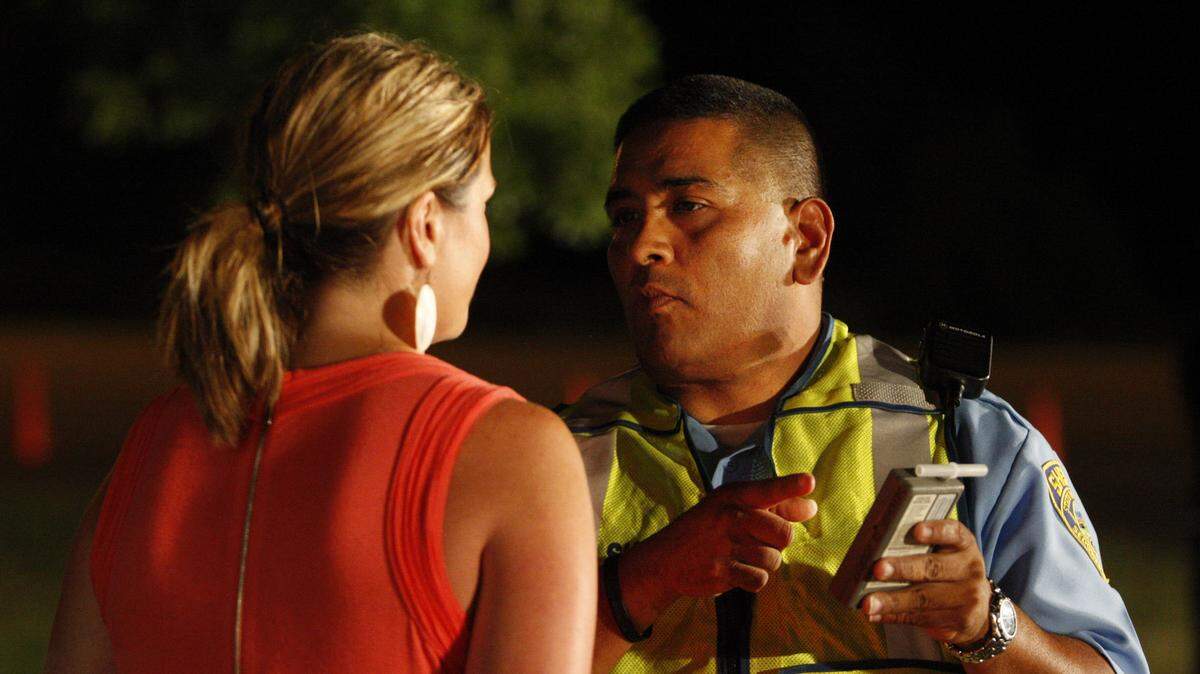
Police commonly use breathalyzer tests during traffic stops to determine whether a driver is impaired from drinking alcohol.
The device measures how much alcohol is in the air the person breathes out, which is a way to estimate their blood alcohol content— meaning how much alcohol is in their blood.
Kansas and Missouri law place a limit on the blood alcohol content a driver can have while operating a vehicle. It both states, the limit is set at .08% if you’re over 21 and .02% if you’re under 21.
Anything over that is against the law, and drivers can find themselves in trouble if pulled over.
Police officers may use a breathalyzer if they suspect a driver has been drinking. They determine this using several factors: if the person ran a red light, is swerving, speeding, driving recklessly in any way or not wearing a seat belt. In both states, the officer needs a legal reason to pull the driver over, according to Kansas defense attorney Brian Leininger.
“They can’t just stop anybody because they feel like it. They have to have a reason because of some law you’ve broken,” Leininger told The Star in June.
A driver who has been pulled over can refuse to take a breathalyzer test. But there are serious consequences in both Kansas and Missouri for doing so. Here’s what can happen under the law.
What happens if you refuse a breath test in Missouri?
If a driver refuses a breath test or refuses to submit their blood for testing after a traffic stop, the Missouri Department of Revenue can revoke their driver’s license for a year, according to Missouri law.
It’s a part of Missouri’s implied consent law, according to Corporal Justin Ewing of Missouri State Highway Patrol. It applies to all drivers, whether they have a driver’s license or just a driver’s permit.
“If you’re operating a vehicle, you agree as a part of that driver’s license to give consent to a breath test,” Ewing said. “If you refuse that test, which is someone’s right, based on the law, by refusing, the evidence of that refusal can be used against you in prosecution in court.”
After your license is revoked, you can apply for a hardship license, allowing you to drive to essential areas like work or grocery stores.
Police in Missouri won’t ticket drivers for refusing to take a breath test or other field sobriety test, according to Sgt. Andy Bell, a spokesman for the Missouri State Highway Patrol.
What happens if I refuse a breath test in Kansas?
In Kansas, if a person refuses to take a breath test, they will receive a one-year suspension of their license.
Once their license is back, they must also drive for two years with an ignition interlock device, which is a tool that measures the alcohol in a person’s breath when they blow into a mouthpiece. The test must be passed before the vehicle can start.
You can apply for a hardship license, or Modified Driving Privilege, in Kansas if your driving license was revoked.
Police in Kansas can’t ticket drivers for refusing to take a breath test or other field sobriety test.
This story was originally published August 27, 2023 at 6:00 AM.

.JPG)
.JPG)
.JPG)