Can you go slow in the left lane? Hurry past a yellow? 5 laws KS, MO drivers should know
.JPG "Morning rush hour traffic heads north into Kansas City on Highway 69, near 132nd Street in Overland Park.")
READ MORE
Kansas and Missouri traffic laws
For drivers in the Kansas City area, it pays to know the rules of the road on both sides of the state line.
Expand All
If you drive in the Kansas City area, you probably already know the rules of the road.
But laws in Kansas and Missouri sometimes differ, so reviewing some lesser-known laws may help you stay safe and avoid getting ticketed.
Here are five traffic laws to know when on the road.
Pass in the left lane, don’t hang out there
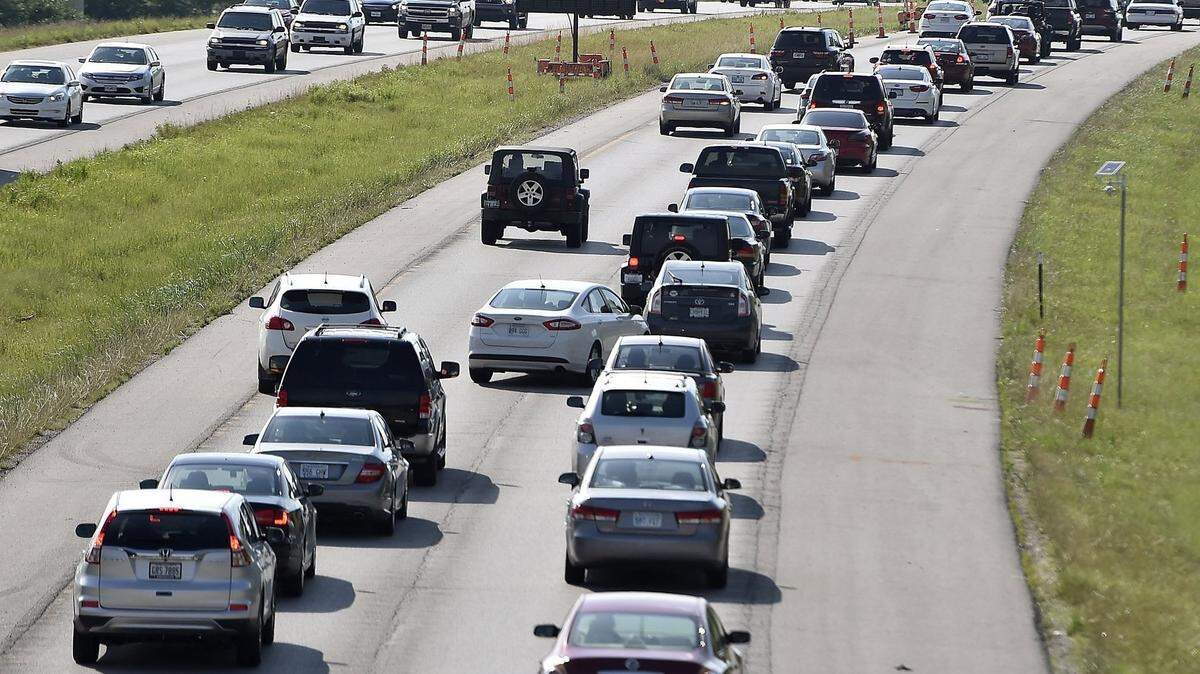
Both Missouri and Kansas laws state that the left lane of a highway is generally reserved for passing and turning left — not for driving in, especially if you’re going slower than the flow of traffic.
In general, the right lane of a highway is for traveling while the left lane (and the center lane, if there is one) is for passing. If you know you’re driving slower than the flow of traffic, even if you’re meeting or exceeding the posted speed limit, it’s a good idea to stay in the right lane.
Aside from passing another vehicle or making a left turn, it’s also acceptable to drive in the left lane in both states when the right lanes are closed or when instructed to do so by traffic control signs or personnel.
Read more: Is it legal to drive slow in the left lane in Missouri and Kansas? What the law says
It’s safest to slow down when you see a yellow light
If the traffic light turns yellow as you approach an intersection, you may be tempted to speed up to avoid running a red light. Missouri and Kansas law don’t specify that zooming through a yellow is illegal — but they do hand out fines for running a red.
In general, if you’ve already entered an intersection when a light turns yellow, you should continue through the intersection, one Overland Park police spokesperson told The Star.
But if you haven’t reached the intersection yet, it’s probably best to slow down and stop if it’s safe to do so.
Read more: Should you slow down or speed up at a yellow light? What Kansas and Missouri laws say
Give funeral processions the right of way
Yielding to a line of cars following a hearse isn’t just a courtesy — it’s also the law in both Missouri and Kansas.
In Missouri, once the first car in a procession legally enters an intersection, the rest of the procession can follow regardless of traffic lights or other laws. That means that even if the light turns red, the procession can continue moving through so they can all stay together.
Other drivers aren’t allowed to cut through the procession — or try to join it in order to gain the right of way.
In Kansas, funeral processions also have the right of way. However, the cars must stay within 300 feet of each other: If they lag farther behind, you’re allowed to intersect the group.
Read more: Are you required to yield for funeral processions in Missouri and Kansas? What state law says
Where passengers can have an open container of alcohol
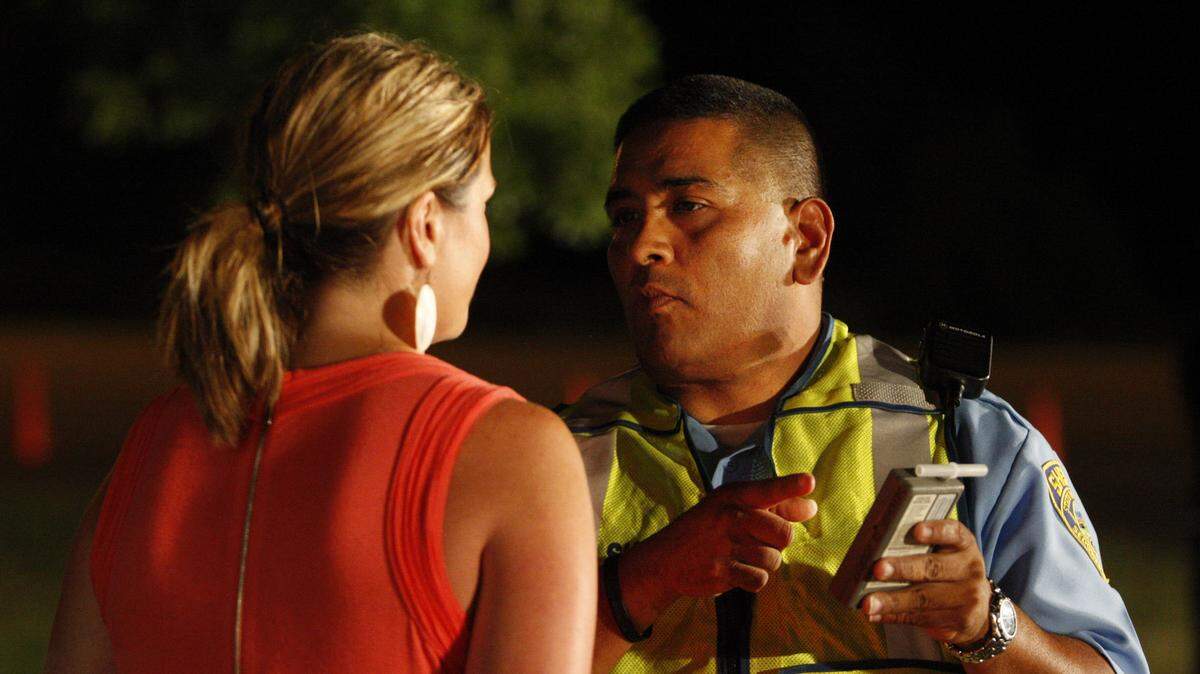
It’s illegal for drivers to drink or have an open container of alcohol in both Kansas and Missouri.
But the law differs between states on whether a passenger can do so.
In Missouri, open-container laws for passengers depend on your municipality. The state has no law prohibiting passengers from drinking, and neither does Kansas City — but some cities, like Independence, say no open containers of alcohol are allowed in your vehicle at all.
As long as you stay within Kansas City limits, you should be okay. But if you cross the state line, the law changes.
Kansas law prohibits any alcohol in your vehicle aside from closed containers that are not accessible to passengers. That means you can bring a bottle of wine to a party if you stash it in your trunk — but your passengers can’t sip a beer while on the road.
Read more: Drink and ride? What Missouri, Kansas laws say about passengers with open containers
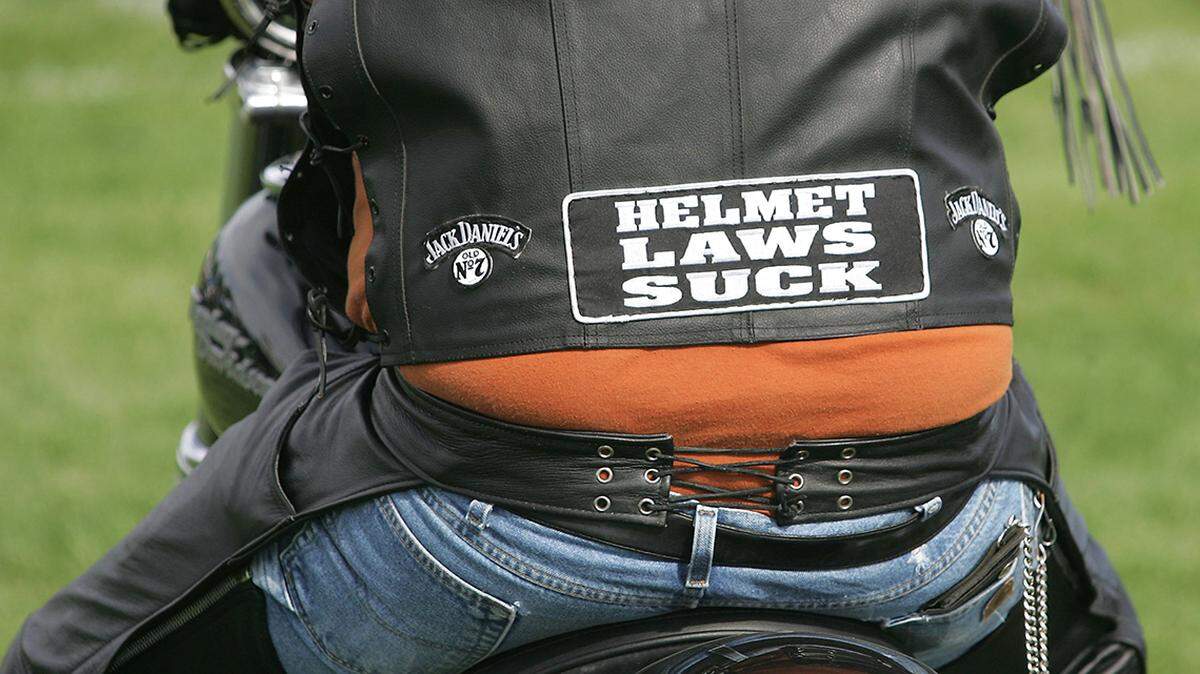
Motorcycle helmet laws in Missouri and Kansas
The law differs between Missouri and Kansas on who has to wear a helmet while riding on a motorcycle.
In Missouri, everyone aged 25 and below must wear a helmet while on a motorcycle. Those 26 or older don’t have to wear one — but they must have health insurance that will provide medical care in the event of a crash. Missourians used to be required to wear helmets on motorcycles no matter what, but this law was repealed in 2020.
In Kansas, you only need to wear a helmet if you’re a minor. Those aged 18 and above aren’t required to wear a helmet. However, motorcycle drivers and passengers of all ages are required to wear some type of eye protection unless their vehicle has a windscreen at least 10 inches high.
While helmets aren’t always required, they can help prevent serious injuries or death in the event of a crash. In 2020, more than 80% of fatal motorcycle accidents in Missouri involved riders who weren’t wearing a helmet.
Read more: Can you ride a motorcycle without a helmet in Missouri or Kansas? What the laws say
Joseph Hernandez and Kynala Phillips contributed reporting to this piece.
Do you have more questions about road safety laws in Missouri or Kansas? Ask the Service Journalism team at kcq@kcstar.com.
This story was originally published August 10, 2023 at 12:13 PM.
.jpg)
.JPG)
.JPG)