Chiefs are celebrating 50 years in Arrowhead. But will they be there for the next 50?
READ MORE
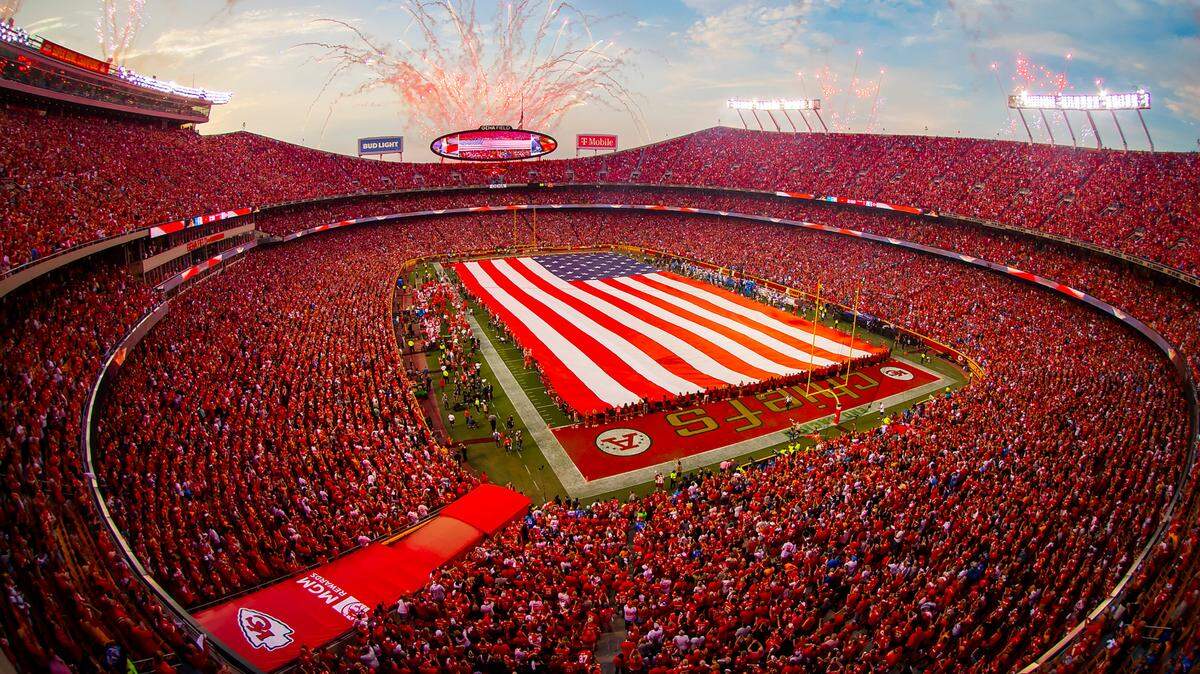
Kansas City’s Arrowhead Stadium celebrates 50 years
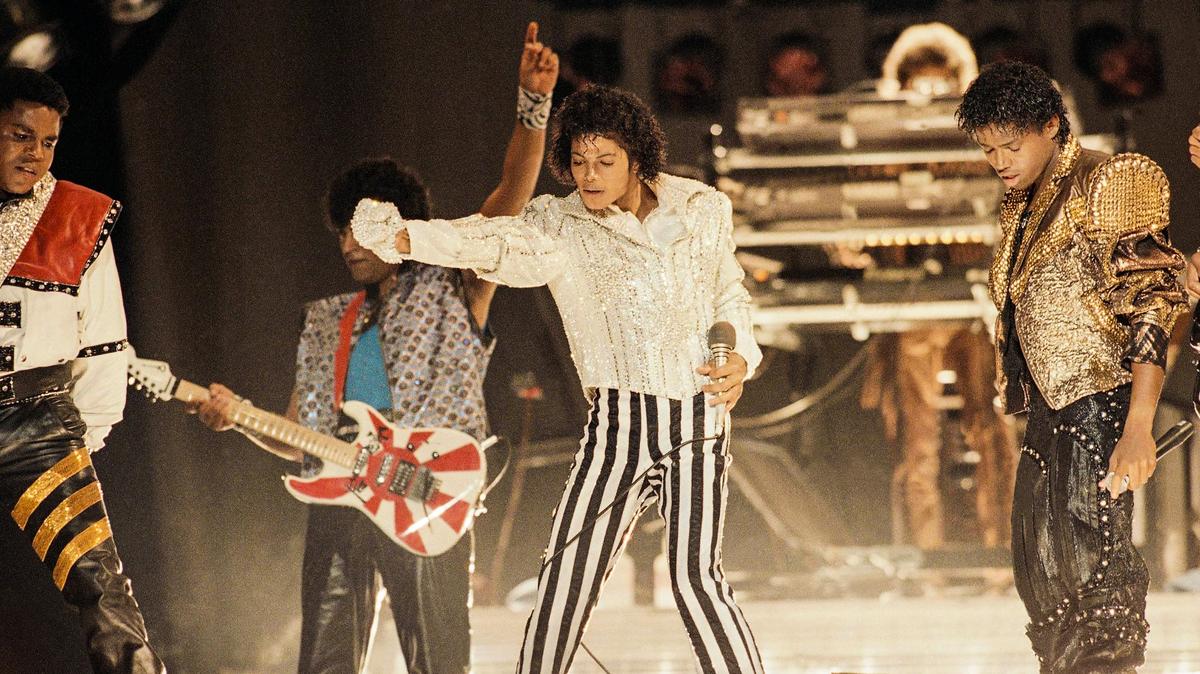
The iconic Kansas City Chiefs venue is celebrating its 50th anniversary. Look back at the concerts, tailgates and games that define it.
Expand All
When the Chiefs began engineering a $375 million renovation of Arrowhead Stadium about 15 years ago, team president Mark Donovan reminded recently, a Hunt family directive emerged as a mantra:
New body, same soul.
Safe to say the concept took.
Even with fresh luster and amenities, the gleaming new version of Arrowhead retained what had long distinguished it. Nothing more so than the acoustics infused with the fever pitch of fans that enabled the site to establish the Guinness Book of World Records standard for loudest crowd roar at a sports stadium (142.2 decibels).
The essential game-day experience of Arrowhead, including the overwhelming fumes and plumes of the tailgate experience (thanks again, Carl Peterson) in the cavernous lots of the Truman Sports Complex, not only was preserved but enhanced.
Especially when the Chiefs purged a generation of haunting home postseason losses (six straight from the 1995-2018 postseasons, many so absurd as to leave some wondering if the team literally had been cursed) by playing host to the last four AFC Championship games and winning the franchise’s first Super Bowl in 50 years.
And in the process finally getting a grasp of the Lamar Hunt Trophy, named for the visionary man who was a primary founder of the American Football League.
When he moved his team here from Dallas in 1963, Hunt forever changed the identity of Kansas City.
But even as we celebrate a half-century of the iconic stadium that we all should appreciate as The House That Lamar Built, a place that the Chiefs are earnestly touting as GEHA Field at Arrowhead, we’re forced to ponder what the next phase of an Arrowhead body-soul transplant might entail.
Because 50 years isn’t just the operative time frame for reflection on all that Arrowhead/GEHA Field at Arrowhead has been; it’s the window of projection for what it could and should be for the next 50 if it’s to stay vibrant and state of the art.
First and foremost, the options in play hinge on whether the Royals indeed leave the Truman Sports Complex to move downtown as they continue to explore that option before the lease expires in 2031.
If so, then … what, exactly?
Even as a traditionalist, it’s hard to know what to root for here.
Same stadium spruced up? If so, what about the looming structural questions ahead? To say nothing of competing with the new wave of stadiums in the AFC West alone: SoFi in Los Angeles (for $5 billion) and Allegiant in Las Vegas ($1.8 billion). The fan experience, and the revenue it can reap, never has been at more of a premium.
What might the broader impact be of something built adjacent in the abiding spirit of Arrowhead with, say, a retractable roof that enables the building to be the future site of Final Fours (in the city that has held more than any other but none since 1988?) and other sorts of mega-events?
What about that history, though, and why otherwise does a stadium need to be a palace? Oh, and what are taxpayers willing to spend?
Meanwhile, what ought to be done with the current Kauffman Stadium if the Royals are gone? Is there more development to be stoked at last in the arid immediate surrounding area?
That and much more makes for an infinity to be sorted out even as the Chiefs wait to see what tack the Royals take.
“As part of our 50th celebration of GEHA Field at Arrowhead, we’ve done a lot of research and review of all the things that have made it special over the years,” Donovan said in September. “You think about Lamar’s (Hunt) mindset was very much ‘big, big, big,’ Everything had to be big, bold, colorful and exciting.”
That basic philosophy, he added, “informs whatever we do with renovation: ‘Can we do that and continue to do that?’ It informs whatever we (would) do with a new build: ‘Can we incorporate that into what we do?’ ”
In the wake of the Royals announcement that they were exploring options for a downtown stadium within what owner John Sherman says would be an entire ballpark district, the Chiefs announced earlier this year that they had commissioned a $500,000 financial study of their best options ahead if the Royals should seek to move in the next few years ahead of the expiration of the Truman Sports Complex lease.
Their study is understood to be focused primarily on the feasibility of: staying in the same basic Arrowhead with more renovations ahead; a sweeping expansion on the grounds of the Truman Sports Complex (if the Royals indeed move) or an entirely new stadium on that site or perhaps elsewhere.
Asked in April how it ideally would play out, Chiefs CEO Clark Hunt thought about how Arrowhead was his father’s favorite place and put it thusly:
“I don’t think there’s a simple answer to that. Certainly, my heart tells me that I hope it’s Arrowhead, right? Because Arrowhead is so special to our family. The important thing, though, is that we find the right solution for the Chiefs and the community and something that can last for hopefully another 50 years.”
More recently, Hunt expressed a preference to renovate Arrowhead in its current footprint. But he nonetheless added, “We’ve got to figure out what’s best for the franchise, what’s best for the fan base.”
At a glance, anyway, it might seem hard to understand why anything beyond further upgrades would be necessary. Arrowhead remains a modern marvel, especially after the Chiefs spent nearly as much in renovations the last few years ($40 million) as it cost to build it in the first place ($43 million).
But Hunt pointed out that a fundamental part of the evaluation goes beyond the aesthetic appeal.
“It’s a cement stadium that’s been around for a while now,” he said. “And we’ve got to make sure it can go beyond the end of the lease, and that’s something that will be an ongoing evaluation.
“So that will be the first thing that we really need to figure out before we can think about the next step.”
Adding to the variables is the matter of GEHA Field at Arrowhead being a host site for the 2026 World Cup. That means the stadium will have to be reconfigured in certain ways for what Mayor Quinton Lucas has estimated would be around $50 million.
Without verifying that figure, or exactly from where the money would come, Donovan said, “We’ve always operated under the plan that we’re going to do what we need to do to make (Arrowhead) compliant with World Cup and FIFA rules, and we’re going to put it back the way it was. If in that process — and that’s one of the things we’re looking at — if in that process you realize some efficiencies, we’ll take advantage of those. To date, we haven’t seen that because of the time frame, so it’s still part of the multiple levels of conversations.”
With multiple considerations.
“How old is the building? How long does concrete last? Does rebar rust? What can we do to compete? What can we do to be the most competitive?” Donovan said. “All those factor into (any decisions), so it’s going to take some time.
“We’re going to take our time and we’re going to do it right. And we’re going to make the best decision we possibly can.”
Or the new body just won’t have the same soul.
This story was originally published October 30, 2022 at 5:00 AM.