Facing death, Kansas student goes to Super Bowl, inspiring a team of players, parents
If on Sunday evening, you are like millions of others who will be looking to the Super Bowl to witness moments of nearly unimaginable grit and grace, courage in the face of overwhelming pressure, you can certainly look to the field.
Or you can look up into the stadium: section 238, row E.
That’s where Jace Ward of Wamego, Kansas, will be sitting with his dad.
He will be the one in a Patrick Mahomes jersey, blond, soon to turn 22, a senior at Kansas State University cheering from the seats given to him by Kansas City Chiefs fullback Anthony Sherman.
“I couldn’t believe it,” Ward said this past week. “My jaw completely locked up. I couldn’t speak.”
And it was only days ago that he found out he and his dad would be picked up Thursday at the airport in Manhattan and flown to Tampa, Florida, by private jet, a sleek, white Cessna Citation X, arranged by former Chiefs kicker Lawrence Tynes.
“We put them on one of the fastest private jets in the world,” said Tynes, who knew nothing of Ward until he heard his story from a friend a week ago.
Ward also knows with 100% certainty that, barring a miraculous treatment that does not yet exist, the inoperable tumor that has spread its tentacles throughout his brain stem is going to kill him — and time is shortening.
Even so, he is not thinking about his own fate, but of the many children who have already died of this disease. In a way, Ward will make sure they are at the Super Bowl with him.
The diagnosis
In May 2019, Ward went to a doctor because of double vision in his left eye.
Not long after, he found himself leaving a Kansas City neurologist’s office, breaking away from the hugs and tears of his family, to cry aloud in the parking lot of the hospital.
The diagnosis was diffuse intrinsic pontine glioma, or DIPG, a cancer that ravages the part of the brain, the pons, that controls essential body functions: seeing, hearing, walking, muscle movement, swallowing, breathing, heartbeat. Typically it is found in much younger children, ages 4 to 11. Some 300 to 400 cases a year are diagnosed. The five-year survival rate is less than 1%. Because of the pons’ location, near the center of the brain, surgery is not an option, as it can cause catastrophic neurological damage or even death.
Ward’s mother remembers her son turning to the doctor.
“I’m in total shock, silent tears are flowing,” Lisa Ward said. “My son says, ‘Well, I understand you’re the best in Kansas City. How long have I got?’ The doctor hesitates and looks at me. Our eyes lock. And Jace said, ‘No. If you’re the best, you know. How long do I have? I’m not afraid to die. I know where I’m going to go. I’m just afraid I won’t have time to make an impact before I die. And that matters to me.’
“And so I nodded. And the doctor said, ‘If you’re lucky, about nine months.’”
Outside the hospital, Ward screamed alone.
“I remember I was trying to hide my emotions from my family because I realized how important it would be to be strong in front of them,” he said. By himself, “I let all my emotions go.”
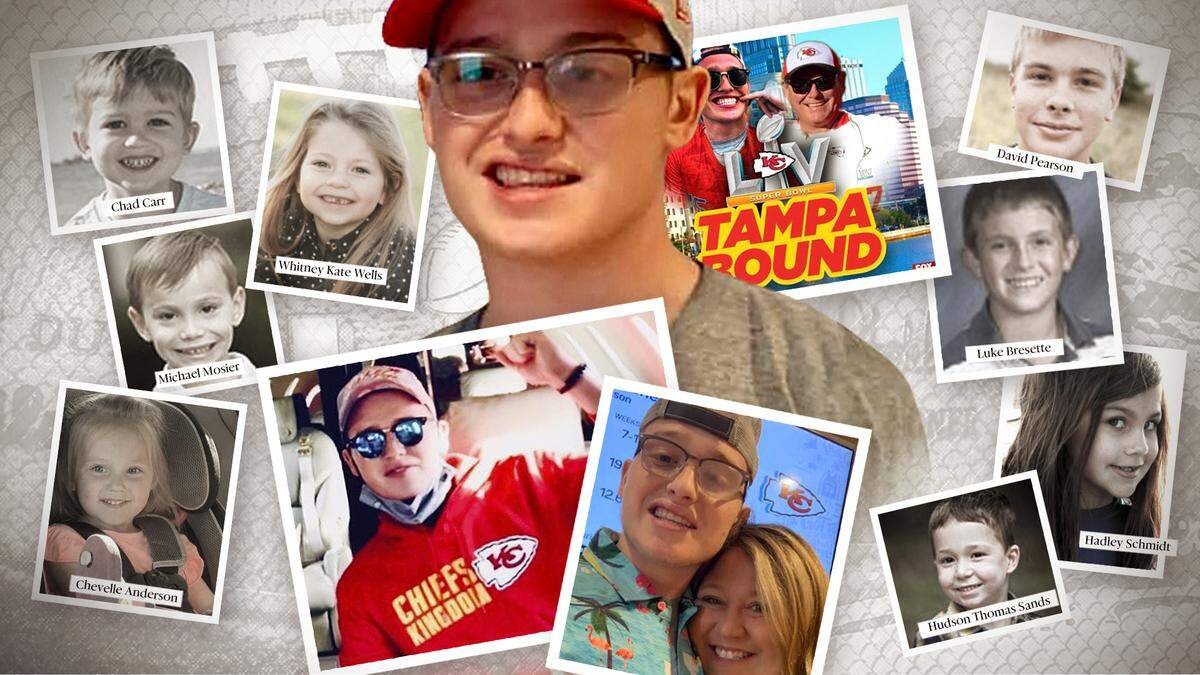
Then, days later, he decided to fight. Not just for himself, but for other children with DIPG — to be their voice and their advocates. In doing so, he came to know other DIPG kids, or their families, so that his phone now contains their pictures.
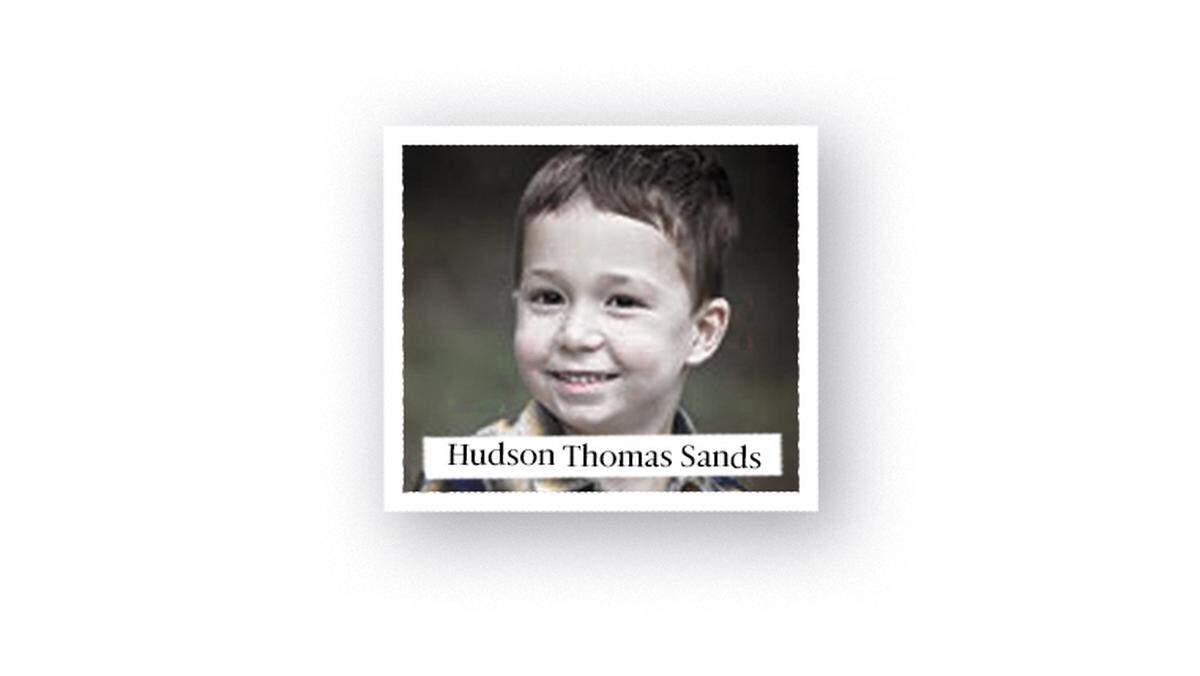
Kids like 6-year-old Hudson Sands of Olathe, a sprite with an impish smile, who loved singing, dancing, parades and giving “Hudson Hugs.” He died of DIPG on Dec. 18. “He believed there was no time to sit still when you could be having fun,” his obituary read.
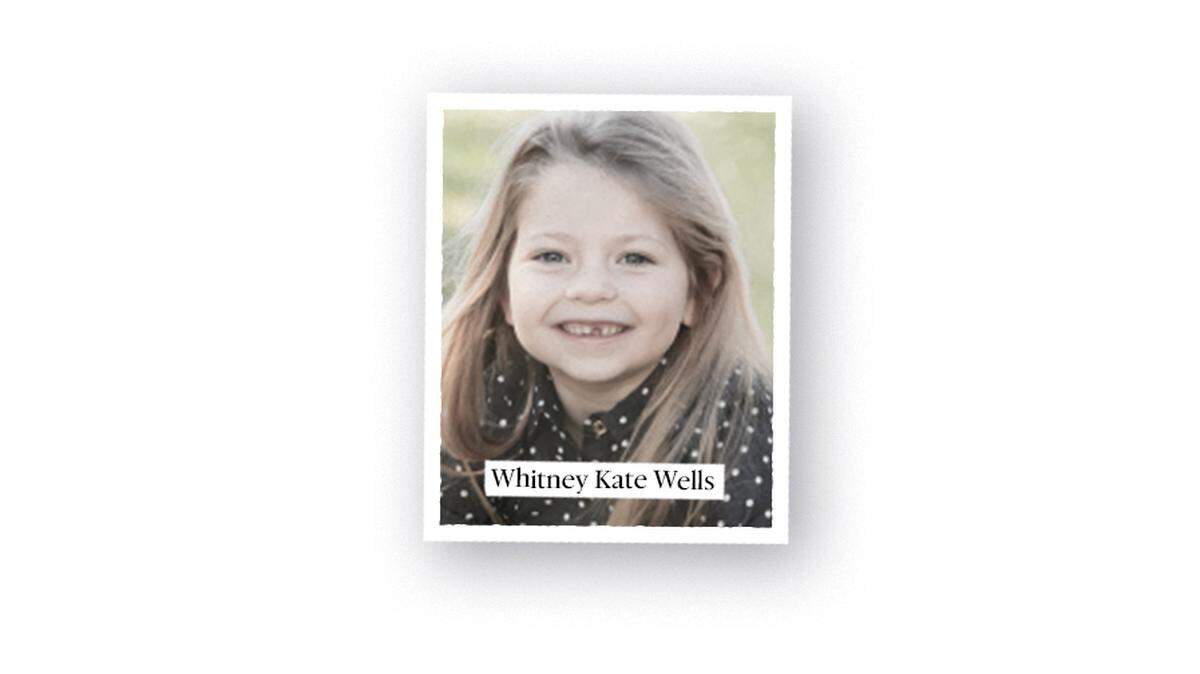
Ten-year-old Whitney Wells of St. Joseph, goal to become president of the United States, became known as the girl who gave Patrick Mahomes the blue fundraising bracelet, inscribed “You Got This!,” that he wore to every game. She would not see him win the Super Bowl. She died of DIPG on Dec. 30, 2019.
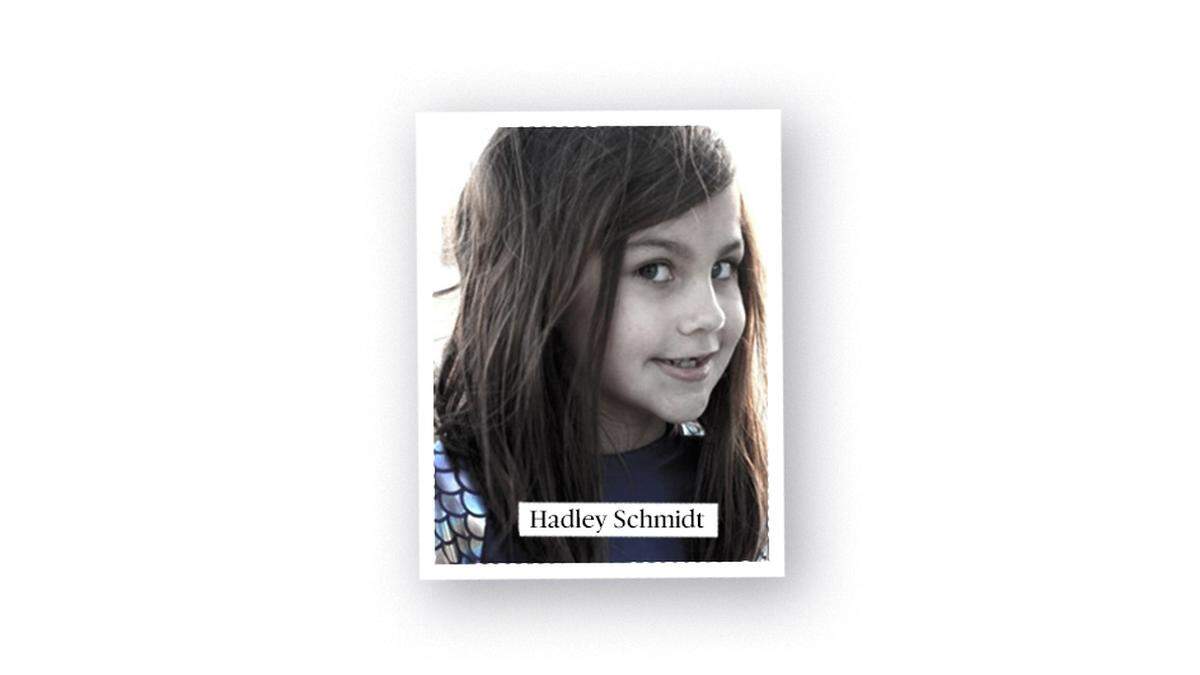
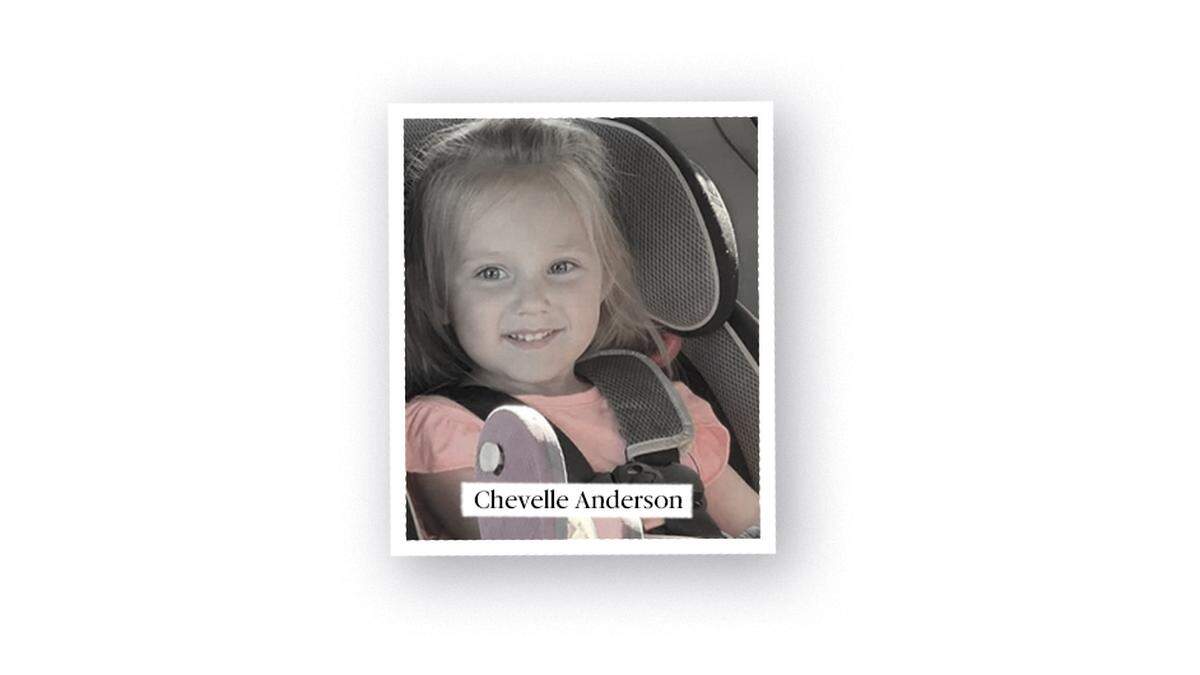
Hadley Schmidt of Lawrence, a lover of dolphins and mermaids, “clever and gracious beyond her years,” her obituary reads. She battled DIPG for eight months before she died on June 27 at age 7. Chevelle Anderson of Buffalo, Missouri — “Love Bug” to her family — died on Dec. 6 just short of her fourth birthday.
In many ways, Ward said, he feels that he is at the Super Bowl for them. Because of them. He is them. During the game, his plan is to get photos of himself holding photos of the kids.
“With the Super Bowl going on in the background,” Ward said. “Show these parents that their child is at the Super Bowl. I think that’d be something special to a lot of families.”
An advocate for cancer patients
There are others, he said, that even indirectly brought him to where he is. Like David Pearson, who was 16 in 2010 when he was diagnosed not with DIPG, but with a different and aggressive type of brain tumor: glioblastoma multiforme. It’s the cancer that killed President Joe Biden’s son Beau in 2015.
David was quirky. Sweet. He loved Latin, wanted to be a chef and, his mother said, “reveled in being unusual and different.”
“If he did something and I’d say, ‘That’s weird,’ he’d say, ‘Thanks!’” said Amanda Haddock.
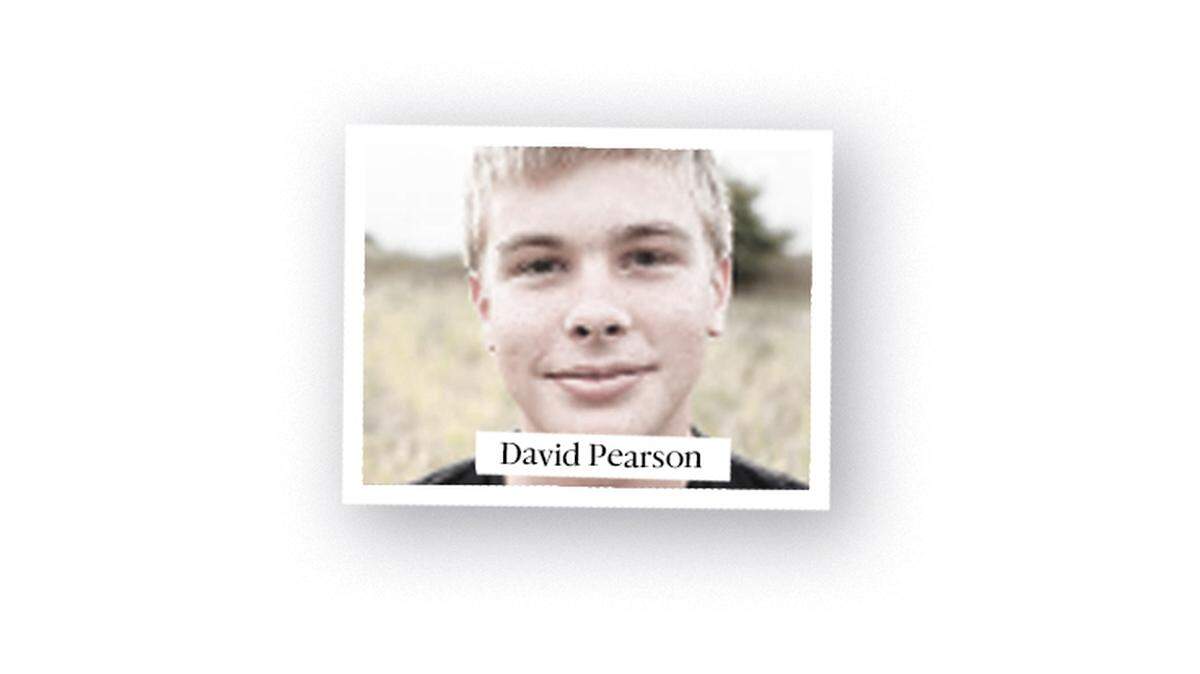
After David died in 2012 at age 18, his parents began the Dragon Master Foundation, named so because David loved dragons. Its mission is to accelerate sharing of genetic information to come up with cancer cures.
Soon after Ward was diagnosed, his mother reached out to the foundation, outside of Wichita, for advice. Haddock offered it. Get Jace’s tumor biopsied, she advised, a rare procedure with DIPG because of the risk of damage and because many doctors see it as pointless, given the dire prognosis.
But the Wards did it anyway, flying their son out to the University of California, San Francisco Medical Center. The hospital identified his tumor type, which, for a while, helped get him on an experimental drug.
Haddock could see how much Ward wanted to get involved.
“Very quickly he became an advocate,” she said. “He said, ‘I want to use my voice. I want to do what I can. He’s gracious. But, you know, he just won’t let people look away. He won’t let them pretend that this is not an urgent problem.”
Four months after his diagnosis, they flew to Washington, D.C. A teenager among doctors, he spoke at a symposium at the National Institutes of Health: Pushing for patients, and not just doctors, to have personal control of their own genomic data to seek treatments.
“While we’re sitting deciding whether or not it’s OK for people to share their own genomic data,” he urged the crowd, “300 kids are dying every year. And they’re going without a voice.”
Ill from chemotherapy, he finished his speech. He left the stage.
“I threw up in the NIH bathroom,” Ward recalled.
More talks followed. Conferences. Foundations. So many events that he once joked, “I can’t die, I’m busy.” Now it’s a mantra that he’s literally had printed on T-shirts. Last February, he was a key speaker at a DIPG advocacy briefing before Congress.
The NFL connection
In May, he met Jay Feely, a former NFL placekicker, now a CBS sportscaster. Feely had been asked to host the annual gala for what’s now the ChadTough, Defeat DIPG Foundation.
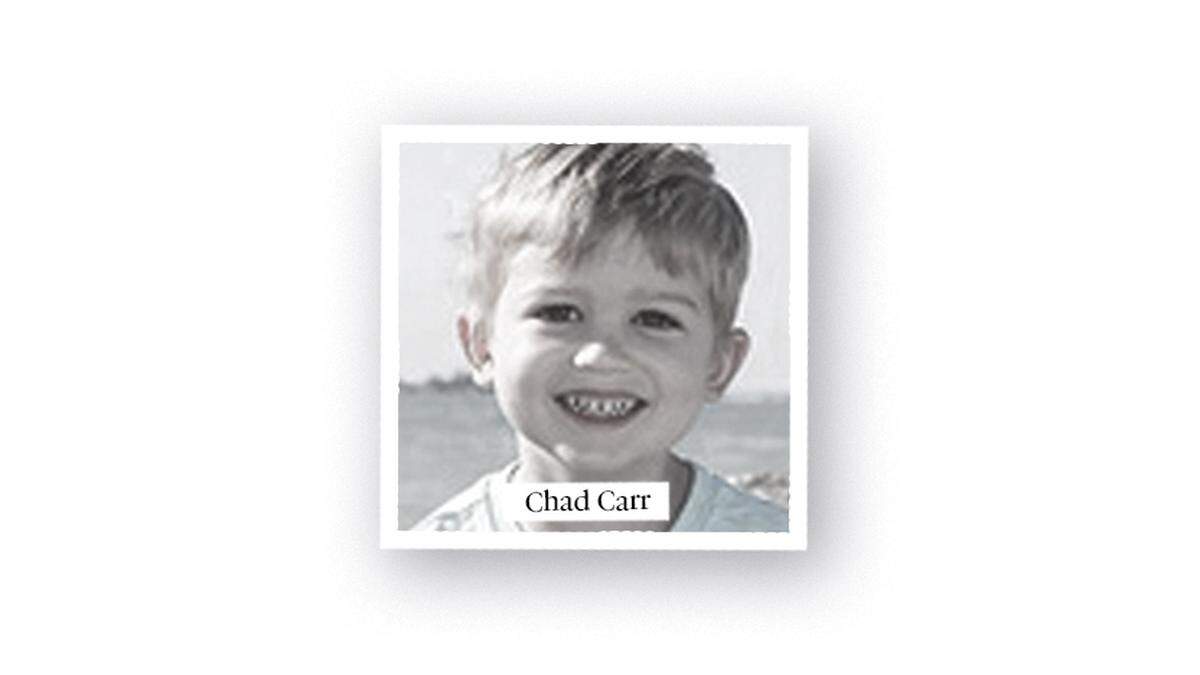
The foundation is dedicated to two boys: Chad Carr, the late son of Jason Carr, Feely’s former teammate at the University of Michigan, who in 2015 died of DIPG at age 5, and Michael Mosier, who died that year at age 6. It now raises millions of dollars for research.
Because of COVID-19, “we ended up having the gala virtually,” Feely said. “So they asked me to interview a bunch of different people.”
Ward was among them.
“I was just smitten with him, you know?,” Feely said. “Like his attitude is unbelievable. He talked about how, for about the first week, he was depressed after he found out. Who wouldn’t be after you find out you might have nine months to live? But then, after that, he said, ‘You know, I made up my mind that whatever time I have left, I’m going to do whatever I can to help the people who come after me.’
“And it just really struck.”
The two stayed in touch. Ward had said he was a massive Chiefs fan. Watching games with his dad, he told Feely, had helped him get through his therapy and gave him joy.
“I’m like, hey,” Feely said, “if everything’s going well, and you’re still healthy when the Chiefs season rolls around, we want to get you to a game.”
Soon all was not well. The tumor was expanding, pressuring the nerves. It was taking its toll on Ward’s face. It drooped. His jaw was rigid. His muscles stiffened. Eating and walking were hard. He was nearly deaf in both ears. He needed a wheelchair to go any distance.
A clinical trial at the Lucile Packard Children’s Hospital in Palo Alto, California, however, offered hope in the form of CAR T-cell therapy — a treatment in which a patient’s own T-cells, part of the immune system, are altered in a lab to attack cancer cells. Effective in treating some blood cancers, it remains purely experimental with many others.
Yet, after two rounds, the latest in January, it helped. His hearing improved. He could walk better. His smile evened. He no longer slurred his words. He could swallow again and use his hands to text. Tests showed that part of his tumor had shrunk by 50%, at least temporarily.
And while Ward was in the hospital, he took part in a video panel discussion. Reed Jobs, Steve Jobs’ son, who works to supports cancer research and policy, was on the panel.
“Reed offers him a paid internship,” Lisa Ward said.
Getting to the Super Bowl
By January, Ward had already surpassed his nine-month death sentence by nearly a year.
“I talked to his mom,” Feely said. “I said, ‘OK, we’ve got to get him to the Super Bowl. I mean this is a young boy who knows that, you know, his time on this earth is minimal — and who loves the Chiefs.”
He contacted Anthony Sherman, his former teammate on the Arizona Cardinals. They’d roomed together in training camp. He told Sherman about Ward and asked whether he might help talk to Patrick Mahomes or the Hunt family about getting a pair of tickets.
Sherman’s response was immediate: “No, I’m giving you tickets.”
“I was like, ‘No, I don’t want you to. I want you to talk to them.’” Feely said. “He’s like, ‘No, Jay, I’m giving you two tickets for them’. He didn’t want any recognition. He just wanted to help.”
Next came the flight. Ward had already had COVID-19. His symptoms had been mild. But Feely didn’t want to take any chances with Ward’s immune system. He called Lawrence Tynes, now a senior vice president at Wheels Up, a private jet company.
“Someone that can have his kind of optimism when staring death in the face is pretty inspirational in my eyes,” Tynes said. “He knows he has an expiration date coming. I can’t imagine what that feels like at any age, no less 21. He’s facing death with bravery. He is not afraid of it.”
Tynes moved to make it happen. He contacted the foundation Live Like Luke, where he’s on the board, to see if it would help meet basic costs like gas and the pilot’s pay. Given the foundation’s history, there was little question they wound.
Luke Bresette of Overland Park was 10 years old and returning from spring break when, on March 22, 2013, a massive flight information board at the Birmingham-Shuttlesworth Airport in Alabama dislodged from its mooring and killed him underneath. His mother, Heather, fractured her temporal lobe, broke both legs and was in a coma for three days, experiencing mini-strokes. One brother broke every bone between his eyebrows and lips. Another suffered a concussion.
Three years later, the family used money from their legal settlement to set up the foundation in his name to provide tragedy assistance, fulfill “bucket list” wishes and to support sports teams.
“I loved everything about life,” Luke’s obituary read. “If there was a sport, I played it. If there was a game, I played it.”
“I think Luke would be just smiling ear to ear,” Luke’s dad, Ryan Bresette, who runs the foundation, said of helping Ward get to the Super Bowl. “In fact, I think he is up in heaven smiling, seeing that he is able to have an impact on another kid to go the Super Bowl, which always was a dream of his to go.
“I think that Luke is just very excited for this kid to experience something.”
In delivering the news last Monday, Bresette said, he sensed something more than excitement from Ward.
“I think the way Jace was talking on Monday,” Bresette said, “it sounds like he’s taking Luke with him.
“He’s taking Luke in his heart with him to the Super Bowl. And so it’s like Luke’s getting to go as well.”
With a few others besides.
This story was originally published February 7, 2021 at 5:00 AM.