
What’s it like to photograph the World Cup in KC? Star journalists tell their story
Covering a World Cup is a once-in-a-lifetime experience. We asked The Star’s visual journalists what this dream assignment has been like and how it compares to covering the Kansas City Chiefs at Arrowhead…err, Kansas City Stadium.
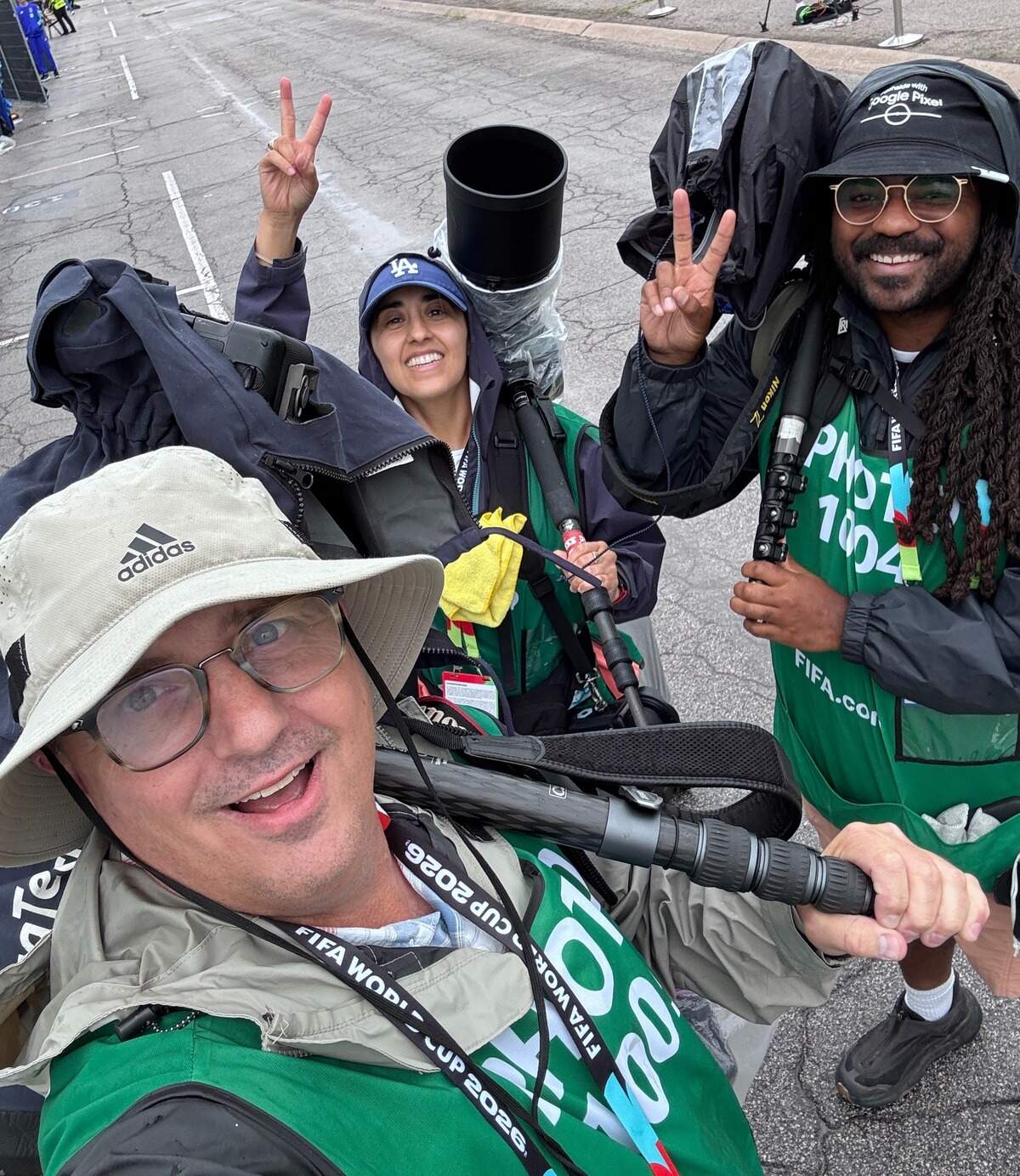
An earth-shaking roar
The World Cup finally arrived in Kansas City after several years of preparation and anticipation. I’m sure I echo my colleagues’ feelings when I say it has absolutely lived up to the hype.
It seems to me that Kansas City was “slept” on in many ways when the host cities were announced. It is the smallest host city in the 2026 World Cup. But what Kansas City lacks in size, it brings in passion, energy, and an openness that I’m not sure a lot of other cities can claim — though I may be a bit biased.
Based on the number of teams that chose Kansas City as their home and training facilities during the tournament, I’d say I’m not too far off with my assessment.
From the international teams arriving and seeing their home base locations across the metro, to covering open practice sessions, fan rallies, and of course, the games! The World Cup being in KC has brought an energy to the job that I was not entirely prepared for.
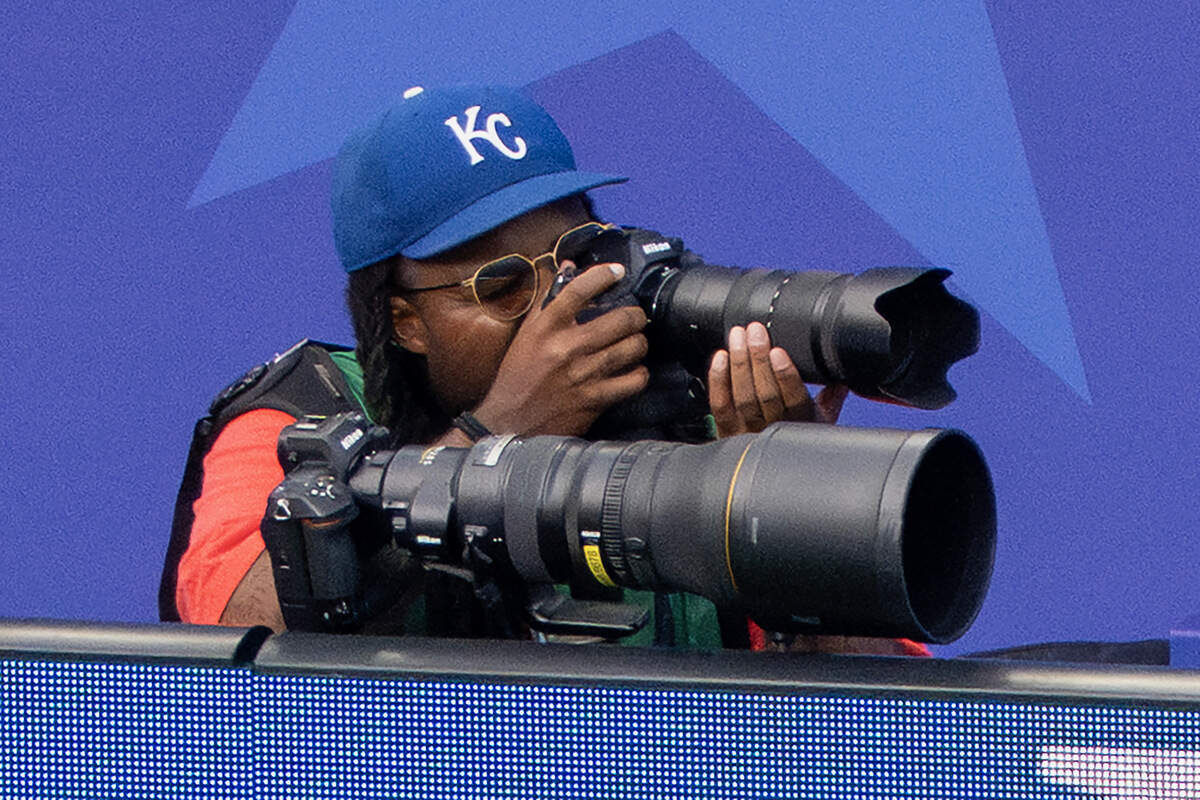
I have been so immersed in the moment of it all that I don’t think I will fully gather what has happened here until well after the tournament is complete.
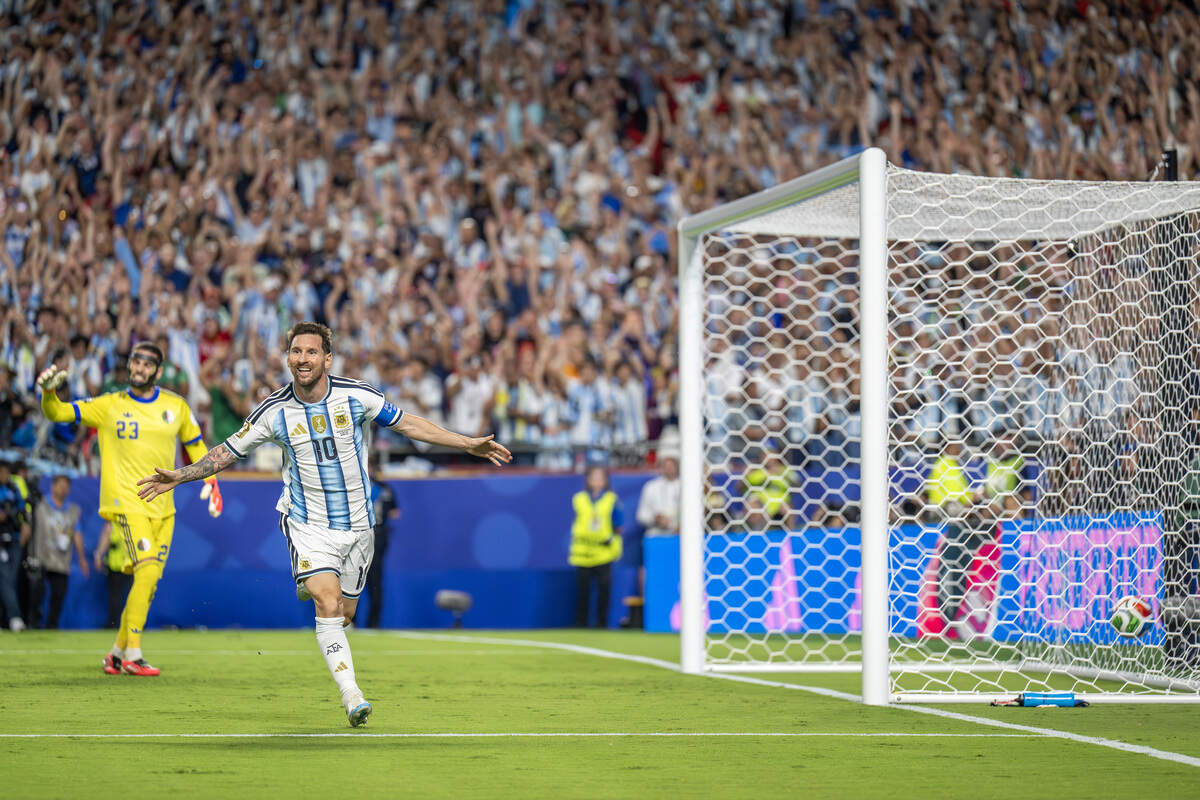
Covering the matches has been a dream. I’m extremely grateful and fortunate to have the opportunity to cover historic matches in the historic Arrowhead (Kansas City) Stadium, including Lionel Messi’s historic hat trick in the first Kansas City match of the tournament.
How crazy is that? To have someone who some would consider the “GOAT” of soccer playing in Kansas City for the World Cup, and I get to photograph it.
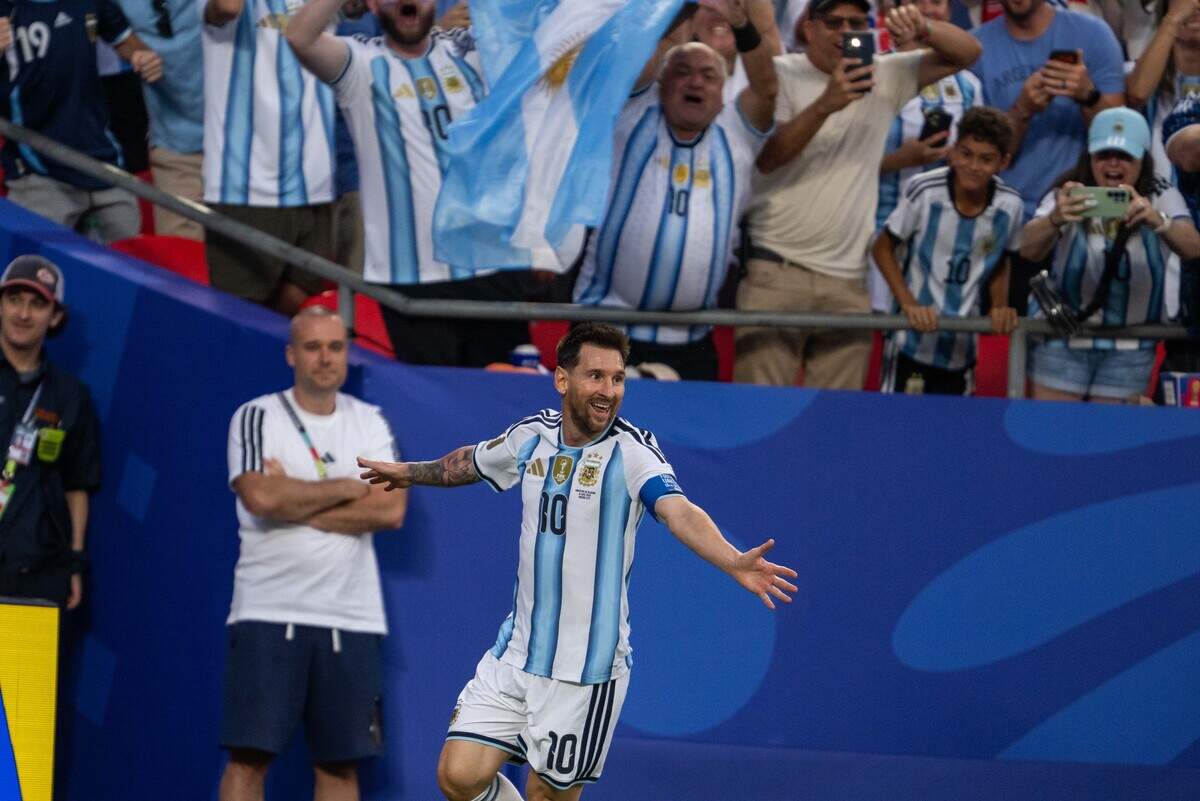
When you enter the pitch and hear the roar of the crowd for the first time, it gets REAL.
The countdown to kickoff and the constant chants solidify it. The pace is unlike any other sport.
When Messi makes a run on goal, the roar shakes the ground beneath your feet. When he scores, the cheers go on for what seems like hours. The pop of the fans when he scored that third goal to complete his hat trick in Kansas City sends chills through me even now.
I’ve found that the images I gravitate toward are the ones where the players and fans express intense emotion during the match.
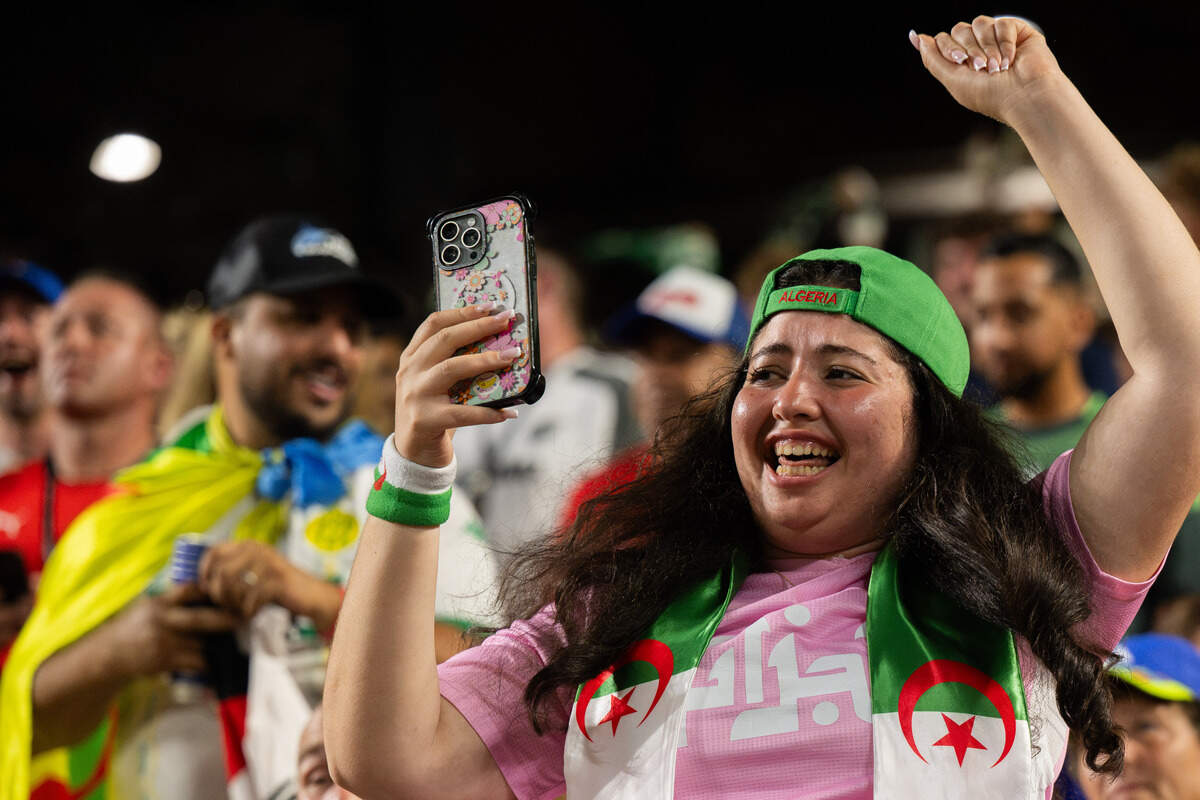
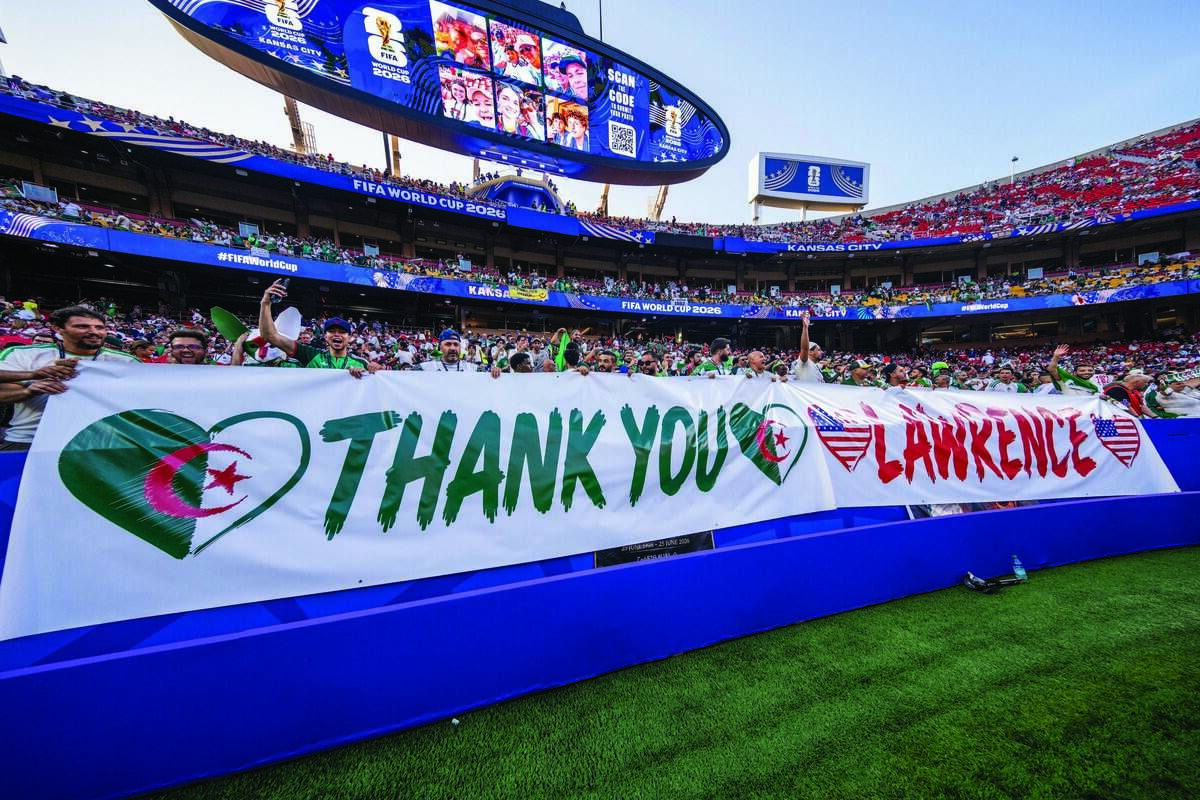
It’s been heartwarming to see how fans have supported their teams despite hurdles to get to Kansas City.
I’ve covered many Chiefs games at Arrowhead and heard how loud the crowd gets after a Patrick Mahomes touchdown. I never imagined that energy would be eclipsed by the Argentinian fans’ chants after a Messi goal or the “du-du-du’” of the Dutch after a header, or the “1-2-3, viva l’Algérie!” from the Algerians.
I know I’m fortunate to have the opportunity to cover this magnificent event. On the pitch and in the photo workroom, I’ve met journalists and photographers from around the world in just a few weeks. I’ve come to realize this “beautiful game” and this experience is so much more than what I expected.
— Dominick Williams
A unique degree of patience
The World Cup is arguably the most popular sporting event on Earth, and because of that, covering it as a photographer is a vastly unique experience.
The games are huge, of course, but what happens on the days between sometimes seems just as big. Fans from all across the globe descended upon Kansas City for this event, and each set of fans brought with them traditions of celebration that were often rooted in their unique cultures.
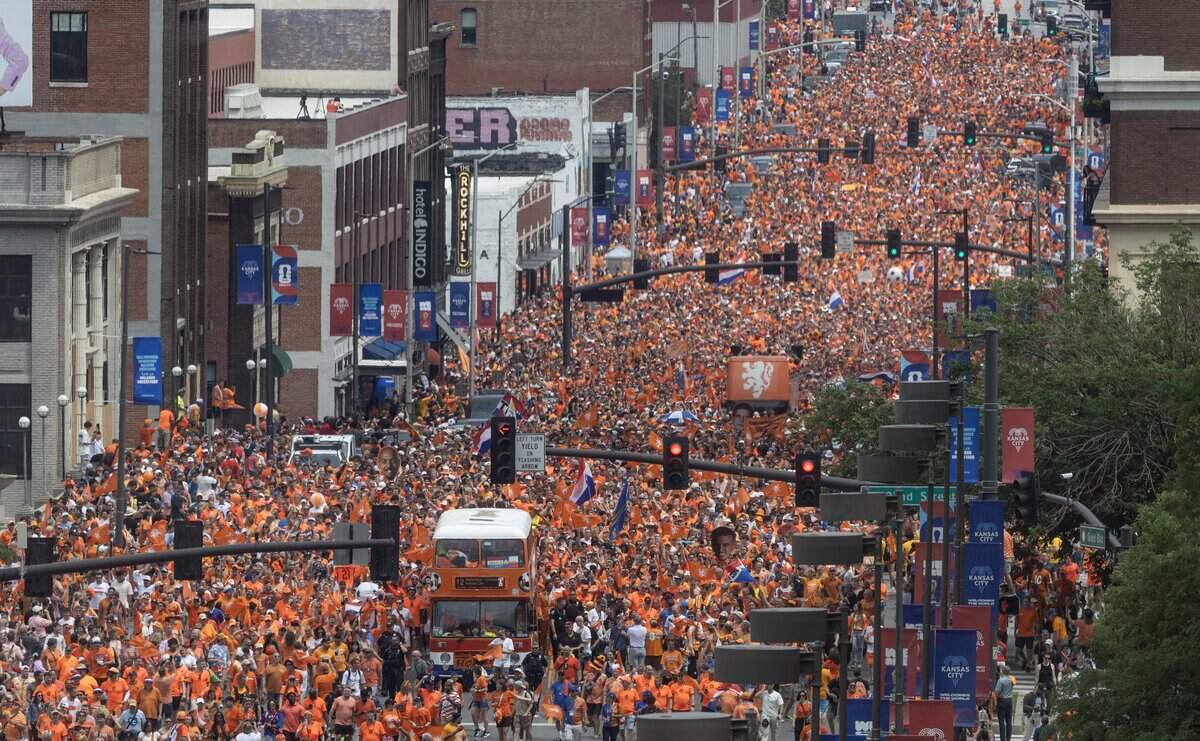
Covering the Netherlands’ Orange Walk required its own meeting just to lay out the logistics of covering a parade of nearly 40,000. The Ecuador and Argentina fans had smaller, but seemingly more passionate, rallies. Each one was unique and fun to photograph. There are also practices and team arrivals to cover.
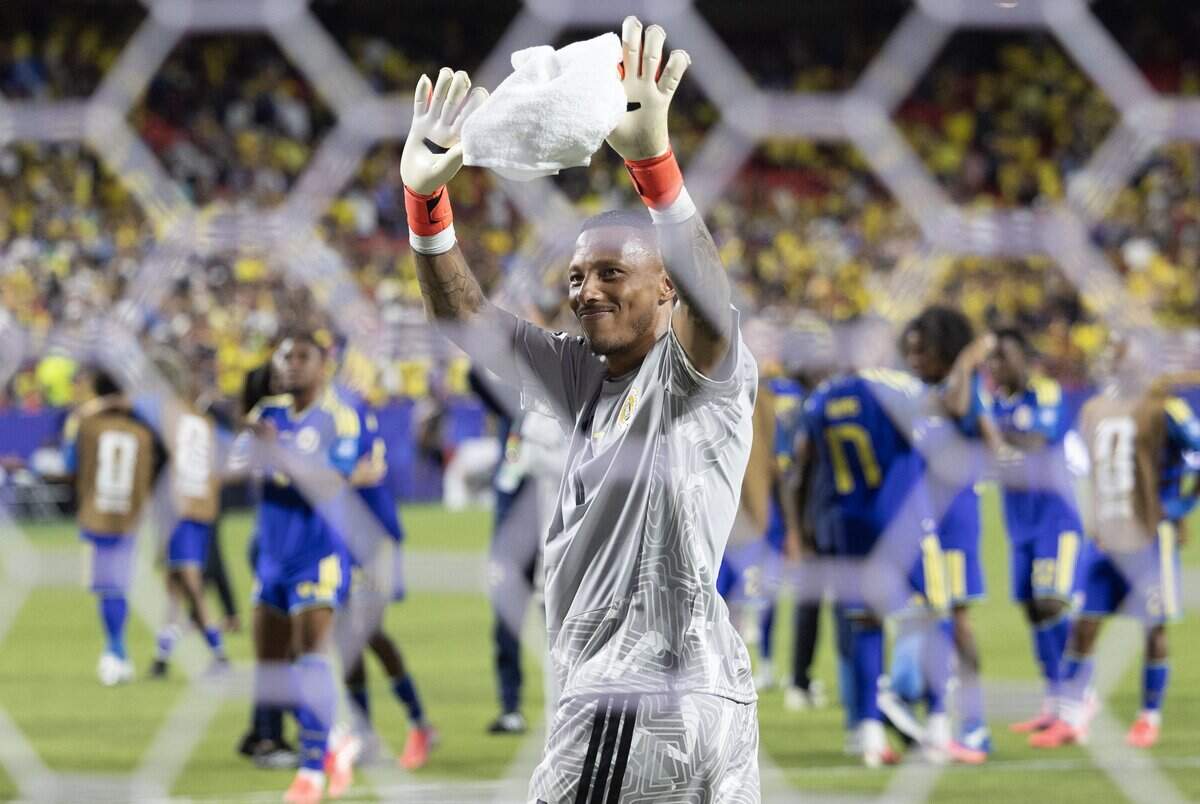
The games themselves are also unique from most other sporting events. A World Cup media credential doesn’t simply get you in the door and on the field of play. There’s a ticket application process for photographers, and an online check-in the day before the game, during which you select the spot on the field where you want to work from.
The hardest part about photographing soccer is that, unlike basketball or football, it requires a different degree of patience. Scoring is sparse, or even non-existent, so you’re waiting to capture the few peak moments of drama that occur in each game.
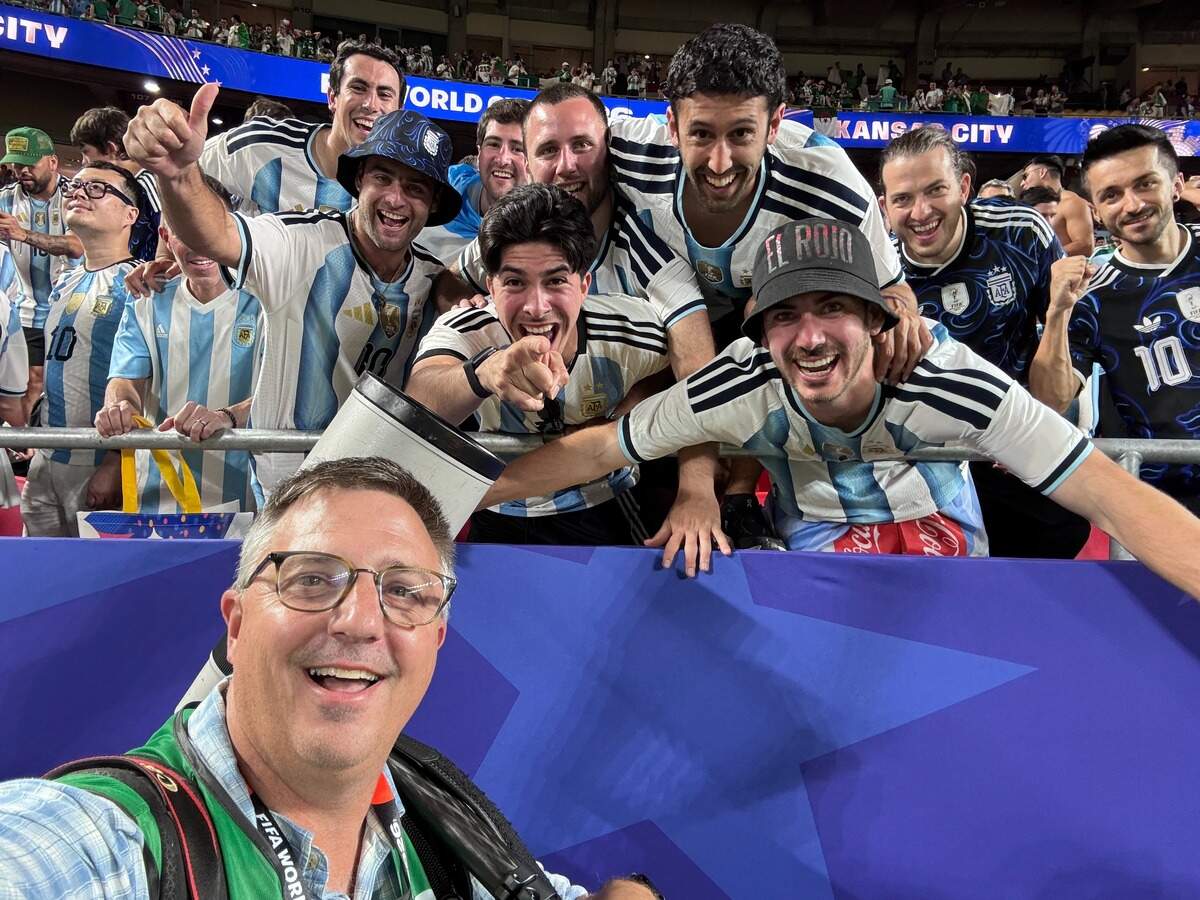
But what made the games extra special were the fans. No offense to American football fans, but international soccer fans bring a whole other level of passion to these matches.
— Travis Heying
An almost magical experience
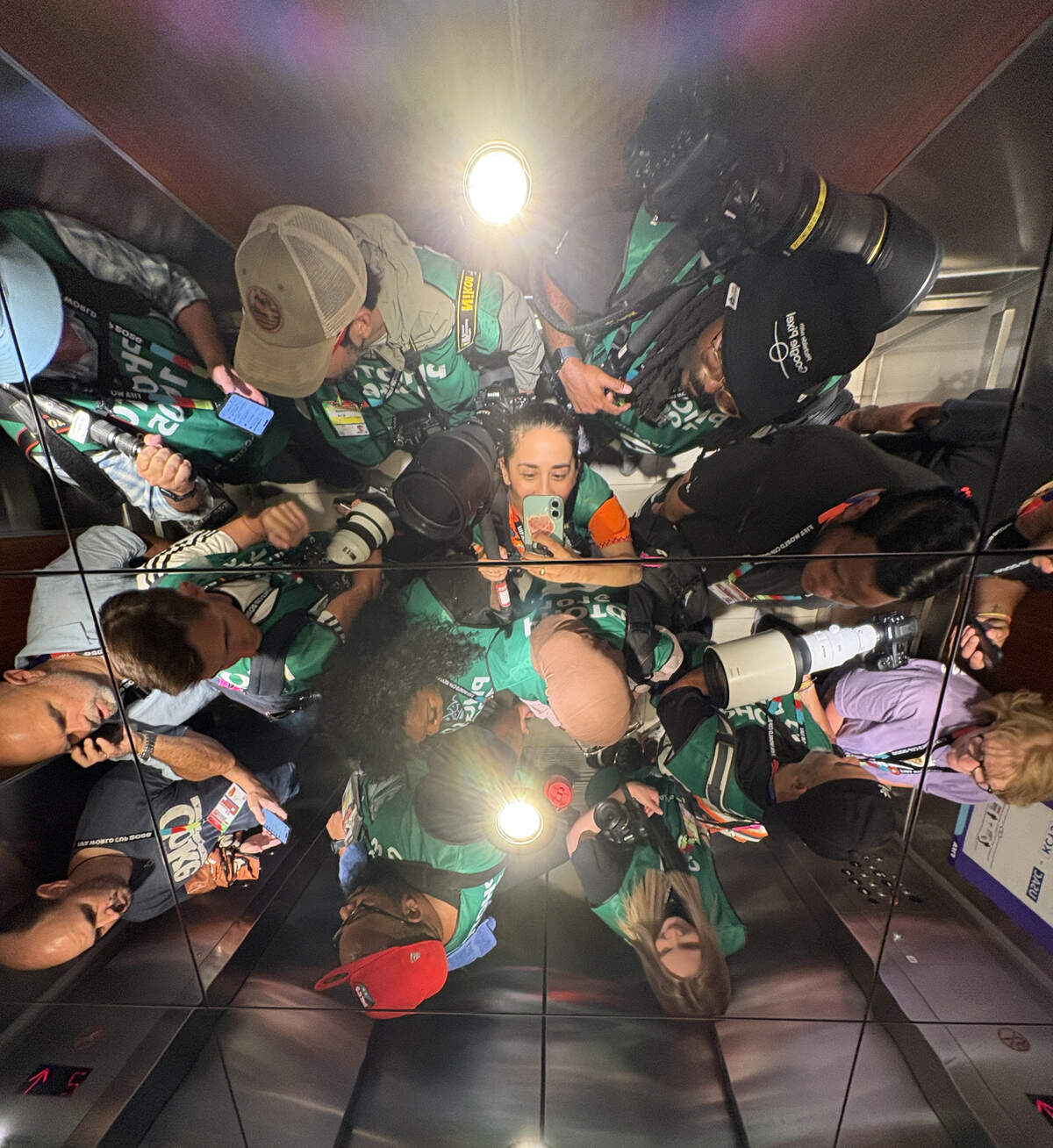
Covering the World Cup in Kansas City has been one of the most euphoric experiences of my career. I’ve experienced the World Cup as a fan, watching it from a distance, but having it here in Kansas City has been something entirely different, almost magical.
It’s people coming together, united by pride for their countries, bringing passion, joy and an unmistakable sense of identity into every space they enter. It’s been wonderful to witness and document so many different fan bases up close.
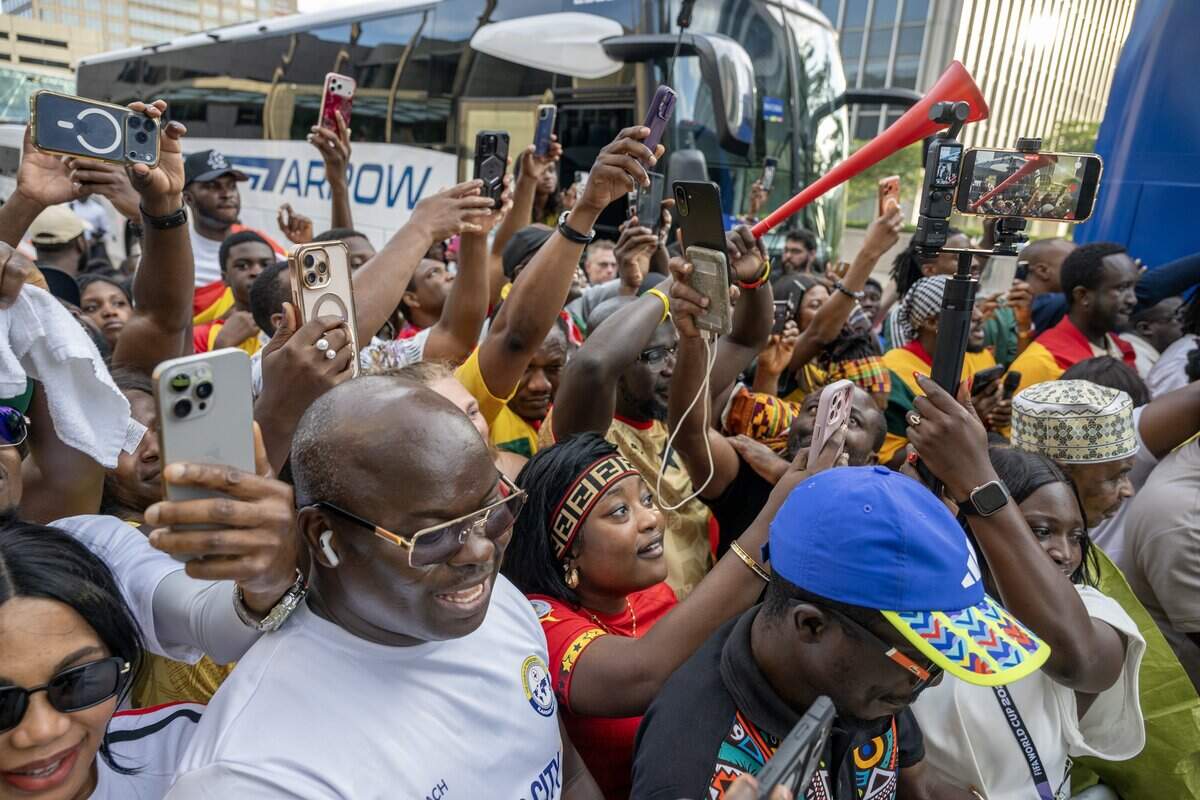
The Argentina supporters know how to turn every gathering into a celebration. Their devotion to their team, especially to superstar Lionel Messi, is something you can feel. I’ve covered Messi before when Inter Miami played at Arrowhead Stadium, but seeing him represent his country on this stage feels different.
One of my favorite images so far was of his second goal against Algeria. The ball in the net, the goalkeeper reacting, fans erupting in the background, and Messi already turning away with his arms raised. It captures everything all at once.
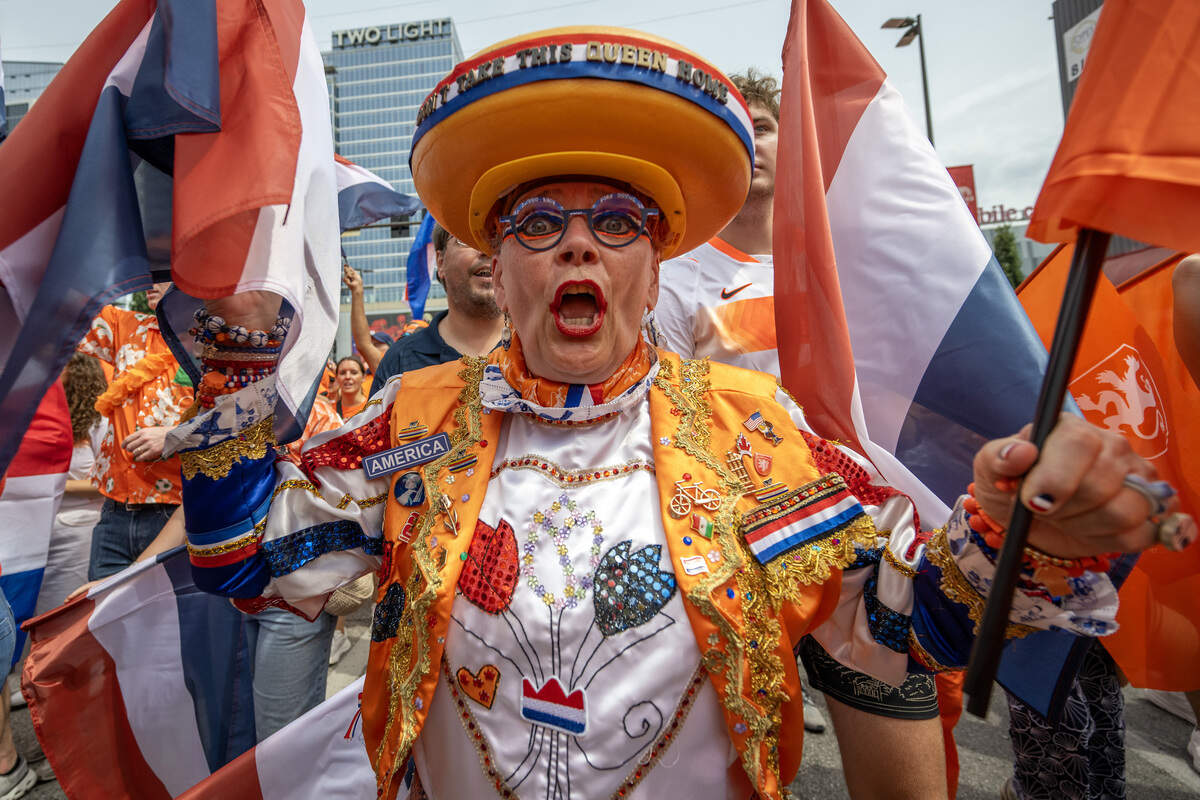
The Orange Walk along Grand Boulevard was unforgettable. A sea of orange moving through the downtown was sort of mind-boggling, but what stayed with me most were the smaller moments.
In the crowd, I met Miek van Rens-Verbers, a well-known Dutch supporter affectionately known as the “Queen of Cheese” for the large cheese hat she wears to matches. Dressed in her elaborate orange, red, white and blue outfit, her face lit up with joy as she walked alongside thousands of fellow Netherlands fans.
It’s been incredible to see people from all over the world brought together by a shared love of the game. Whether they traveled from across the globe or just a few states away, they are filled with excitement and passion. It’s a reminder of how powerful sports can be in connecting people, regardless of where they come from, what they believe, or their background.
It’s all love, joy and happiness.
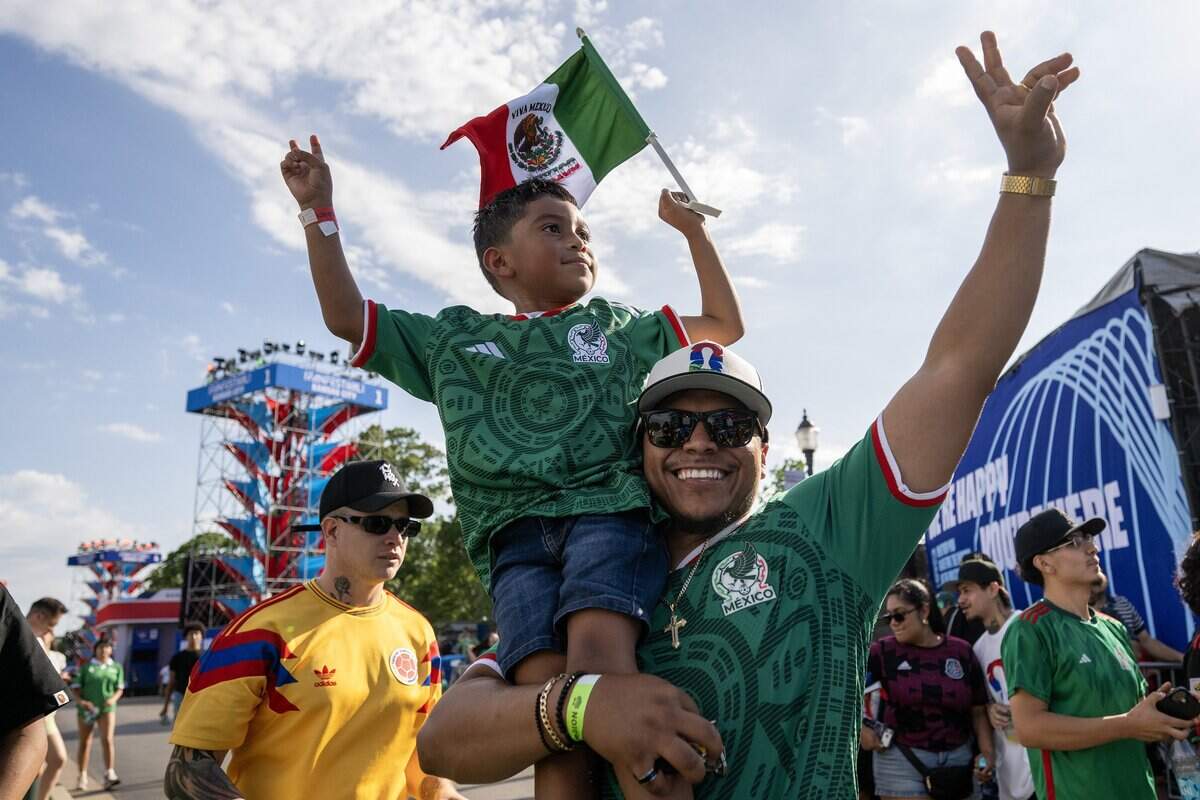
I’ve found myself thinking about my brother, who has been a football fan since he was a kid. He’s attended multiple World Cups over the years, including the two recent group-stage matches in Mexico. Before every match, he’ll text me about the teams playing in Kansas City and ask if I’ll be on the field so he and my parents can try to spot me on TV.
More than anything, I feel grateful. This is the kind of assignment photojournalists hope to cover. I remember watching Colombia play during the 2014 World Cup with my mom and telling her that one day I was going to be there, on the field, taking photos. Now I am.
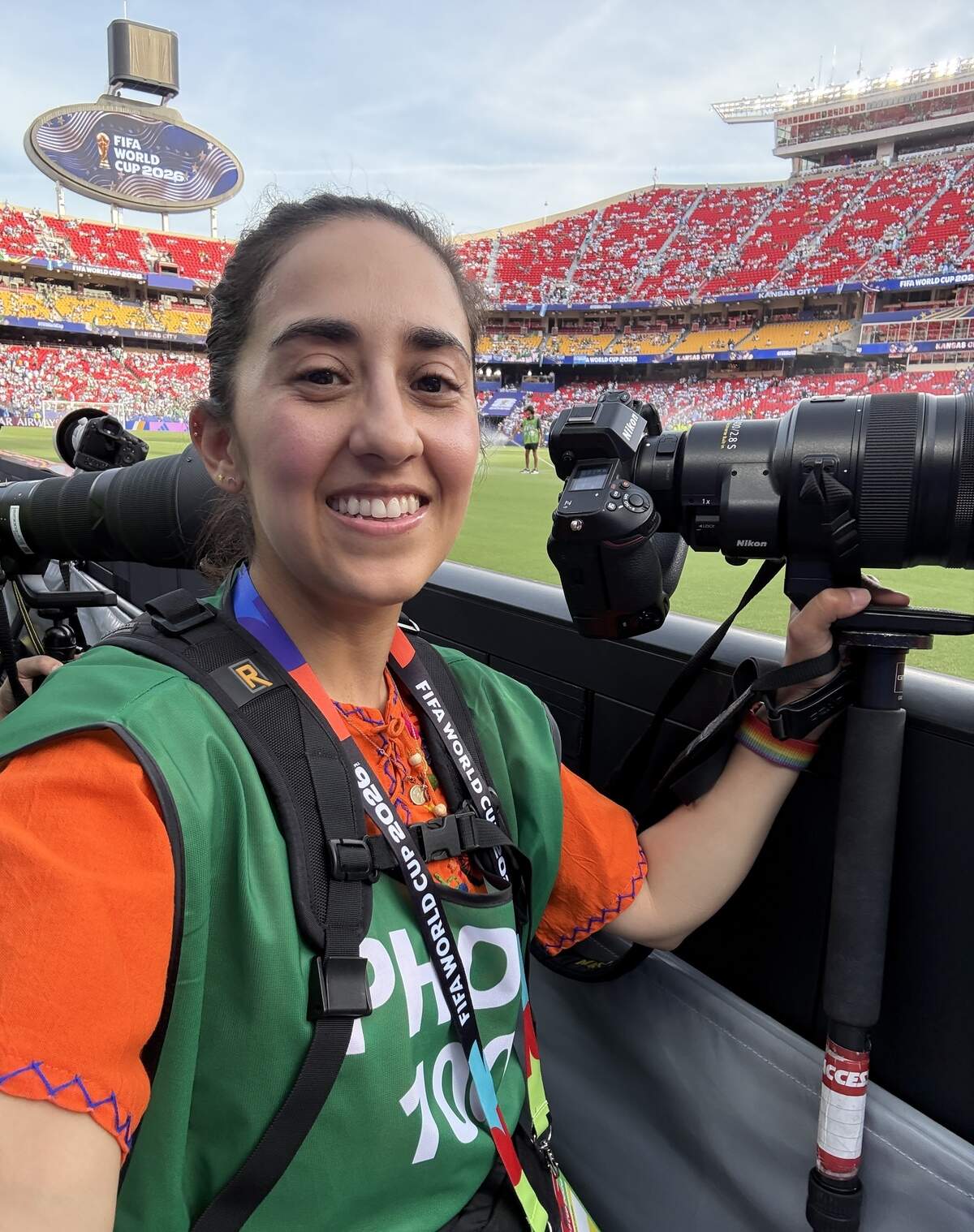
Seeing it happen in real time still feels a little unreal. Even in the middle of the exhaustion and chaos, I don’t lose sight of how fortunate I am to be here, documenting all of it.
— Emily Curiel
The smallest host city putting on the biggest party
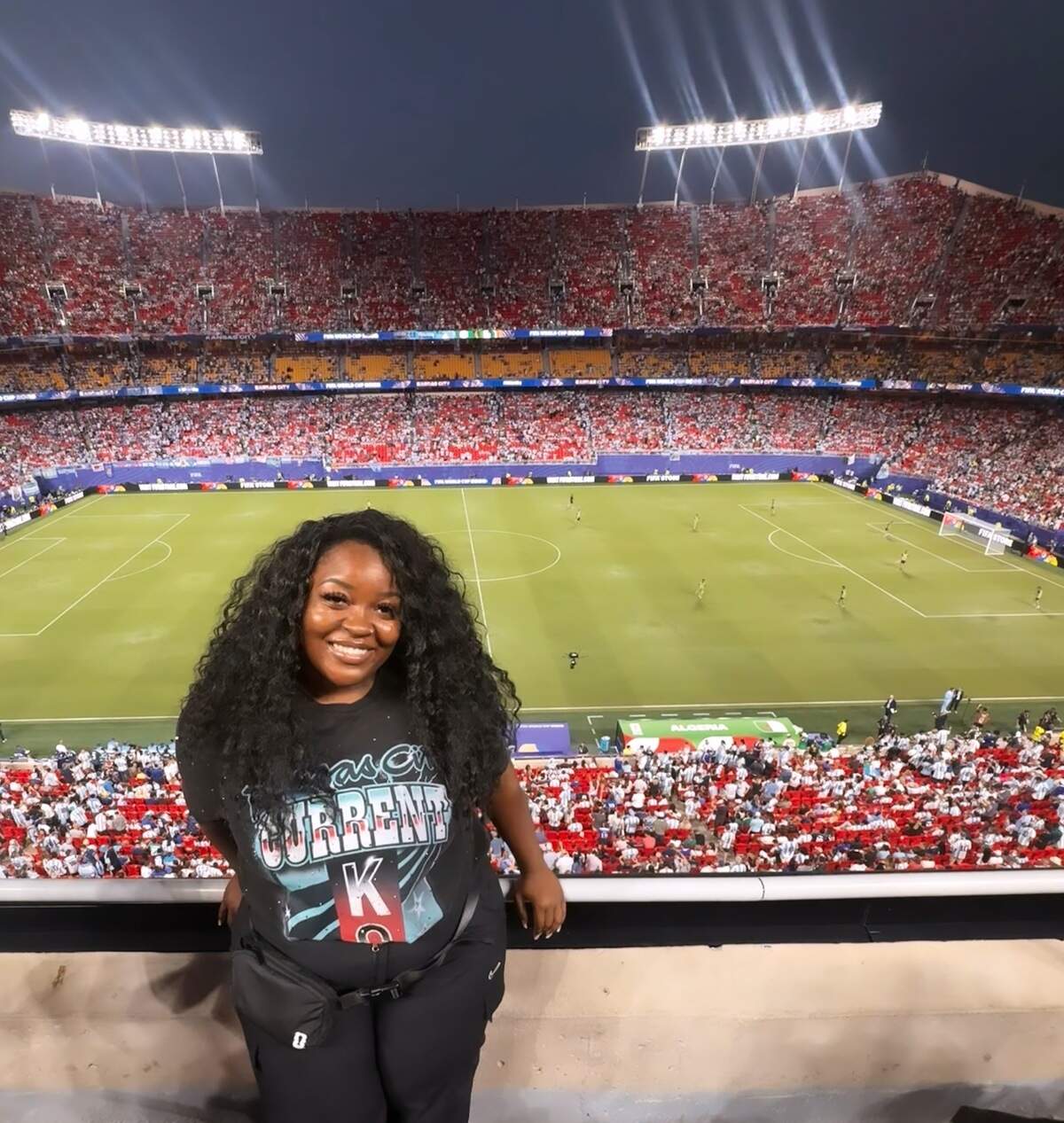
As a Kansas City kid, it’s hard to encapsulate the emotions I’ve felt witnessing a FIFA World Cup come to life in my hometown. Even more surreal has been being immersed in it as part of The Star’s visual coverage.
Growing up, sports were the pulse of Kansas City. It’s what brought everyone together.
You’d ride around Kansas City any given day growing up, especially on Red Friday, and see many cars with the Chiefs’ flag hanging out of the window. Yes, even the 2-14 seasons — especially the 2-14 seasons. Hearing the fireworks after a win from Arrowhead or Kauffman, even as a kid, I knew that sports were one of the city’s universal languages.
When I moved out of state for graduate school in 2018, no one knew what Kansas City was when I told them where I was from. That’s when it all changed. Patrick Mahomes became the starting quarterback for the Kansas City Chiefs, and the dynasty began. Suddenly, Kansas City wasn’t just somewhere in the Midwest – it became one of America’s defining sports cities.
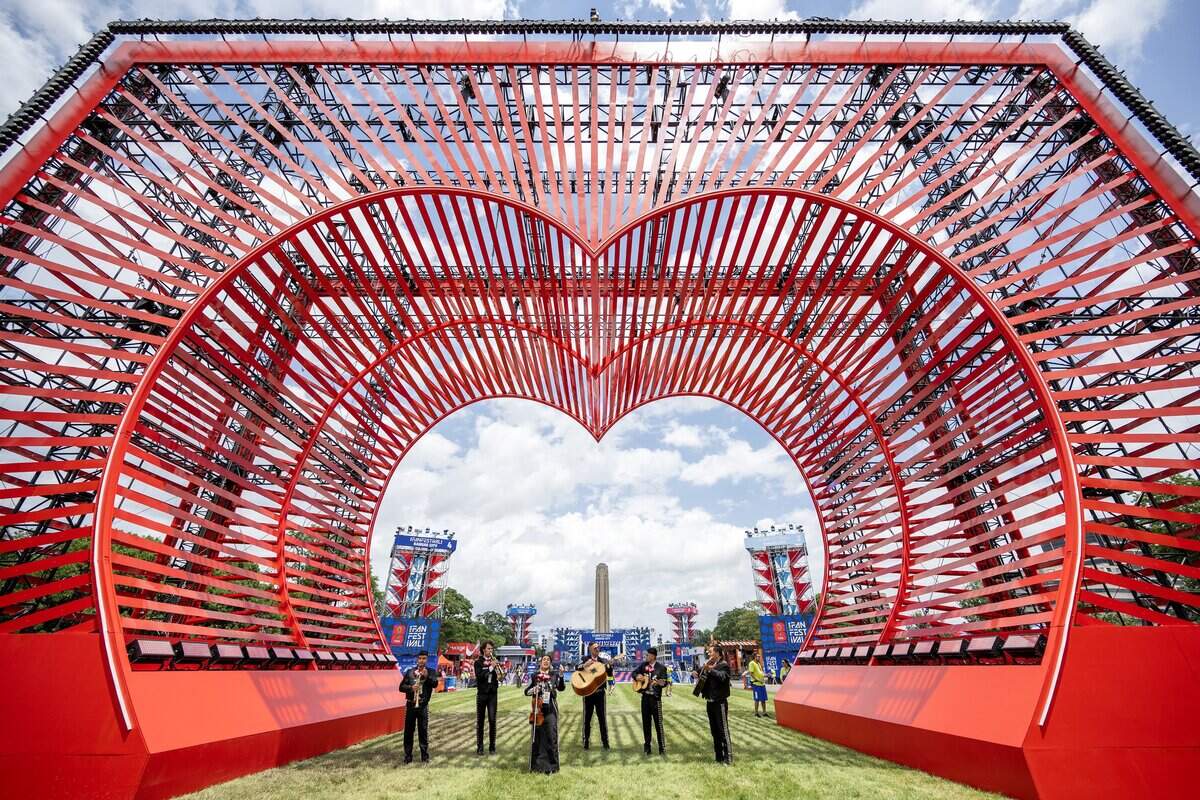
I’ve seen over and over, “Of all the Midwest cities, why Kansas City for the World Cup?” People have debated why Chicago or Minneapolis should have been picked over the heart of America, but there was no mistake.
I have had the privilege to meet so many fans and fellow visual journalists while covering the World Cup. I’ve loved learning about so many different countries and their perspectives on sports, especially football, through my coverage.
From chatting with fans about where they are from and what football stars I should watch for to hearing how KC has given fans a once-in-a-lifetime experience — this feeling is indescribable.
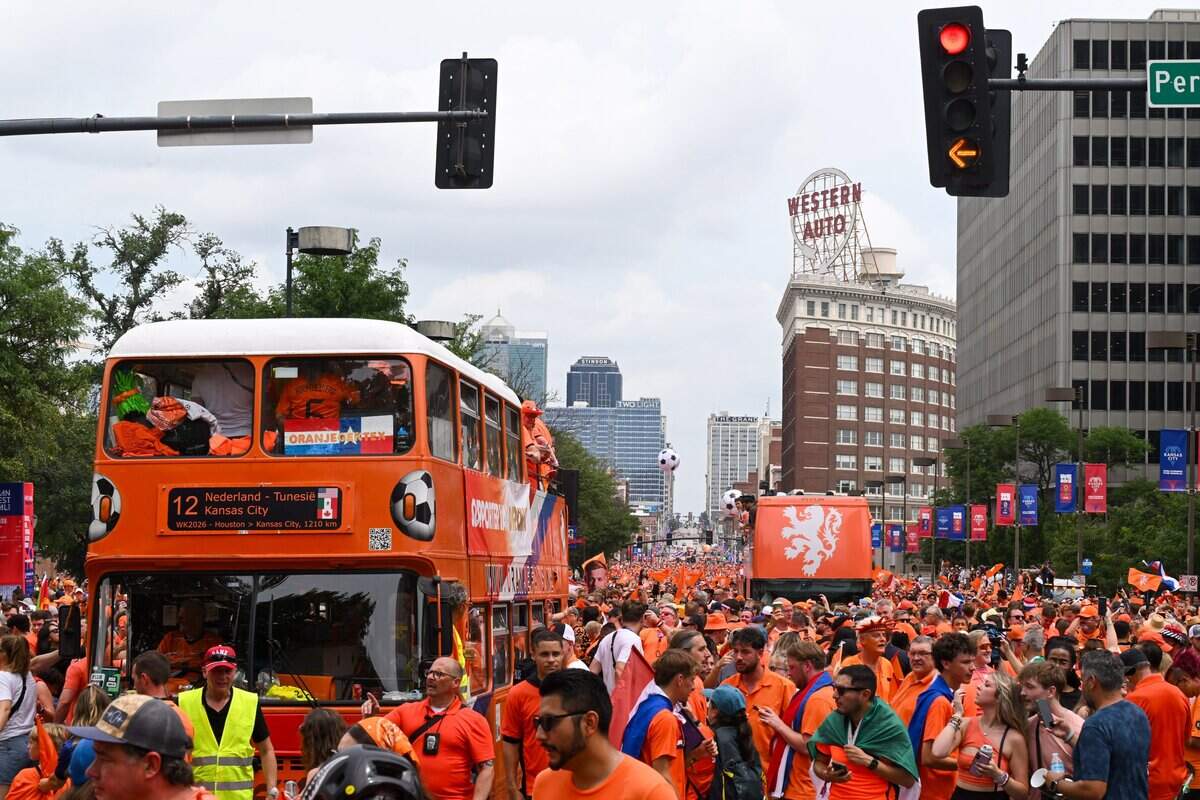
Joining in the nearly 36,000-person crowd at the famous Dutch fanwalk and the iconic Oranje Bus is something I will cherish for the rest of my life. It was the largest fanwalk in the U.S. Can you believe that? Smallest host city, doing the biggest numbers.
In a world that often feels divided, covering the World Cup has felt immensely healing. I’ve learned from photographers and journalists from around the world, witnessed thousands of strangers celebrating together despite language barriers, and best of all, I’ve seen my hometown rise and meet the moment.
Especially as a KC girl who was told over and over that her dreams of covering professional sports were too big or unreasonable, this experience means so much.
The World Cup has reminded me that sports have always been about more than scores. They’re about people, community and belonging. For one unforgettable summer, Kansas City became the center of the football world, and I was lucky enough to help tell that story.
— Alexa Stone