
In Emporia, rail workers show what works, and what’s broken in America | Opinion
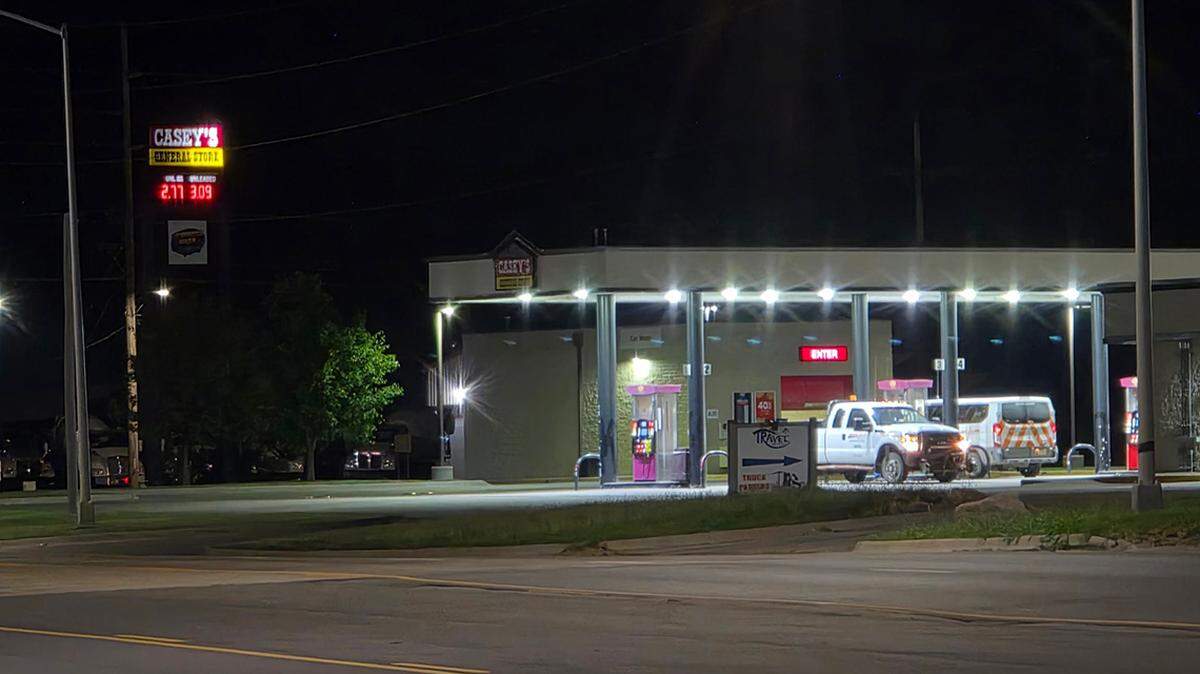
I pulled into a Casey’s convenience store in Emporia, Kansas, at 4:45 a.m. the other day. Annie and I were on our way to Albuquerque, New Mexico. The plan was for me to get gas and coffee while Annie packed up at our hotel across the street so we could get an early start. I noticed that a white BNSF Railway van was parked at a pump, waiting.
I didn’t think much about it, but when I tried to pump gas, the screen said something like “dispenser error,” and wouldn’t work.
I had no idea what that meant, and so I decided that I could at least get us coffee for now and we could get gas down the road. As I walked toward the door of the convenience store, another van pulled up and several men dressed in orange reflective vests, cargo pants or jeans and good work boots got out and quickly walked into the store, laughing and telling each other stories. I followed them, and one held the door open for me. Meanwhile, two or three or more pickups and vans had pulled up, and men started piling out. I ended up holding the door for maybe 15 or 20 of them before they had all packed the store. All either nodded to me with gratitude or said, “Thank you, sir.”
Black, brown and white, the men acted like brothers, exchanging high fives and fist bumps. They were of all shapes and sizes and ages. The thin ones were ropey strong with thick forearm veins, and the bigger ones looked like they could lift the front end of an old VW Beetle to their waist.
These men weren’t carefully sculpted, pretty boy gym strong. They had been hammered into being hard work strong by the nature of their work.
Their hands were all big, rough and calloused, and no amount of handwashing could handle the grease, oil and grit that permeated their pores. I presumed that these men worked on tracks and signaling systems, were mechanics, or did some kind of skilled work that they believed accomplished something. That their work was critical to the work of the railroad.
Remember, it was 4:45 in the morning, and these men were excited to be going to work and to be with each other. To share jobs well done. The work that they and millions of others like them do is essential to maintaining our transportation system. Without them, our society would collapse.
I remember a similar feeling of camaraderie and work satisfaction working construction with my dad and his crew as a kid.
I wish I had taken a photo of the men swarming the interior of the Casey’s and the one cashier, but I didn’t.
‘Send you to the front of the line’
After I held the door for the last man walking in, I saw that I would be about the 20th or more person in line to buy our coffees. I closed the door and decided to head back to the hotel. I could get coffee later.
I walked past the BNSF van that had been parked at the pump when I had arrived as I made my way back to our car. A big man rolled down his window, and motioned for me to come over. I did.
He said, “Go ahead and go in — they’ll send you to the front of the line. You won’t have to wait.”
“Thanks,” I said, “but I wouldn’t want to do that. They’re working, and I’m just traveling.”
Down the highway a couple of hours later, I was talking to a custodian at a McDonald’s. He had sweat on his brow, and I commented on how hard he was working and how busy the restaurant was. The staff behind the counter ranged from teenagers to men and women in their 60s, and the pace was frenetic. One teenager was getting scolded by a manager.
“It’s always busy,” the custodian told me. “We are understaffed because no one wants to work anymore.”
I hear this phrase often, and it has been part of the Trump administration’s rationale for reducing nutrition benefits, for kicking people off Medicaid, and for demanding work requirements — when the majority of people on Medicaid who aren’t disabled, in school or serving as caregivers are already working.
Despite what the custodian at the McDonald’s told me, the American people are working. Our unemployment rate is 4.1%. We want to work. But we want work that provides us a living wage so that we can support our family, and where we are respected for what we do.
Wages not keeping up for everyone
Last night, I went to the BNSF webpage and saw that the company offers employees a 401(k) plan, a railroad retirement annuity and medical, dental and vision insurance. Workers may belong to a union if they wish.
I went to Indeed.com and found some salary information for rail technicians, which is a guess for what the men do. Their average salary is $37.15 an hour, with a low of $18.60 and a high of $55.95. A heavy equipment mechanic can make more than $100,000 a year.
Indeed.com tells me that most workers at McDonald’s make between $14 and $15 dollars per hour.
A 2020 study shows that Walmart and McDonald’s have the most employees on SNAP and Medicaid among our leading corporations. The American people are subsidizing these corporations while their workers can’t make a living wage. It’s unconscionable.
In a March, 2025 article, the New York Times shares how the rich are getting richer and the bottom 50% of Americans are being screwed.
BNSF, at least from what I see, offers a living wage with good benefits, while a great many other corporations are exploiting their workers.
I’m sure there are valid criticisms of BNSF, but the men I saw in Emporia enjoy their jobs because of a positive work culture, and they enjoy being with friends and doing important work. They make a living wage and have good benefits. I suspect the union plays a strong role there.
It’s the nature of unrestrained capitalism to be exploitive of labor. Smart government oversight is needed, but it’s not going to be seen in the Trump administration. Something is going to break.