OP police can release body camera video, but under too many restrictions | Opinion
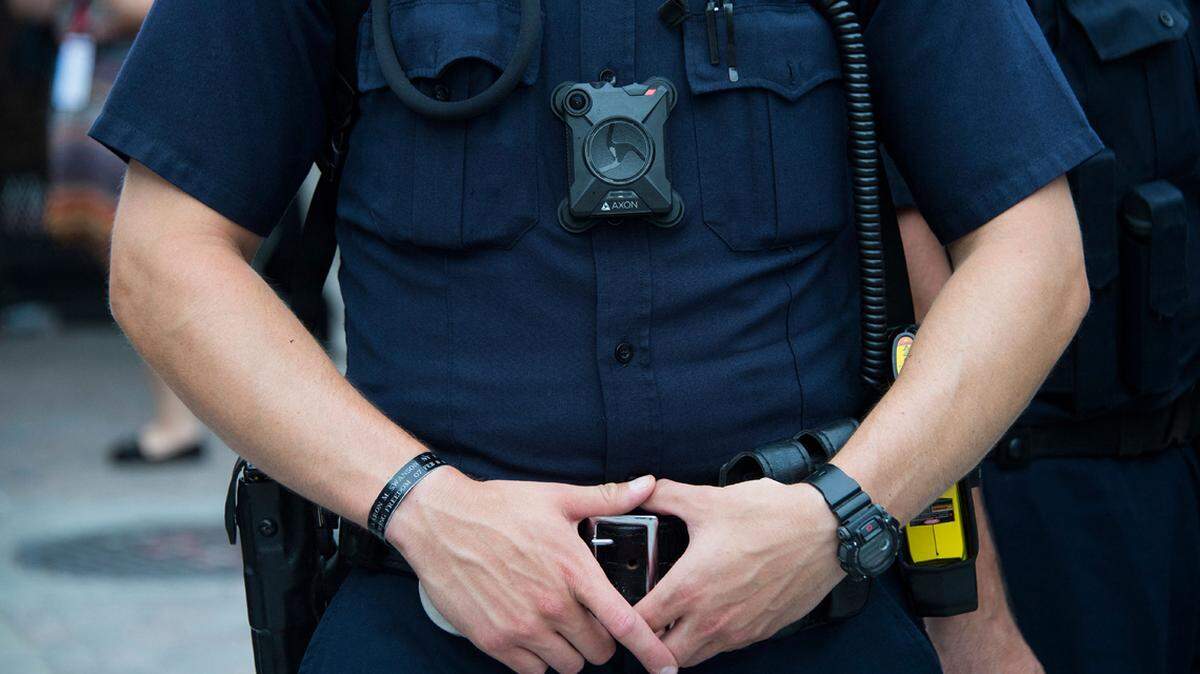
Last week, the Overland Park Police Department became the second law enforcement agency in Kansas in recent days to announce plans to release body-worn camera footage in officer-involved shootings or other on-duty, use-of-force incidents.
First, I must commend the Topeka Police Department for doing what’s best for residents of the state’s capital city. To further ensure accountability, Topeka Police Chief Vallejo authorized the release of two fatal shootings from 2022 and uploaded them to the department’s YouTube channel.
But back to Overland Park. There is a caveat in that city’s policy that I did not find in Topeka’s update: Recordings in Overland Park can be released only if a consensus is reached by police department leaders, a public safety attorney, the city manager and the Johnson County district attorney’s office. That many people involved in such a delicate decision should concern residents there.
According to its updated policy, anyone directly involved in a critical incident involving police or their designated family member or legal representative may request and view body-worn camera footage within 72 hours of the recorded event.
Another point worth noting: Body-worn or dashboard camera footage or audio recordings must be released to an individual, their family or legal representation no later than 20 days after it is requested.
‘Foundation of effective policing’
“While not perfect, the new body-worn camera policy in Overland Park marks an important step forward in protecting civil rights and liberties and promoting transparency both in that city and the state of Kansas,” Chad Marlow, senior policy counsel for the American Civil Liberties Union of Kansas, said in a statement announcing the new policy, “And we hope other departments will continue to build upon that effort.”
In the same statement, Overland Park Police Chief Doreen Jokerst said the department recognizes that in moments of crisis, the community expects and deserves clarity.
“Trust is the foundation of effective policing,” she said.
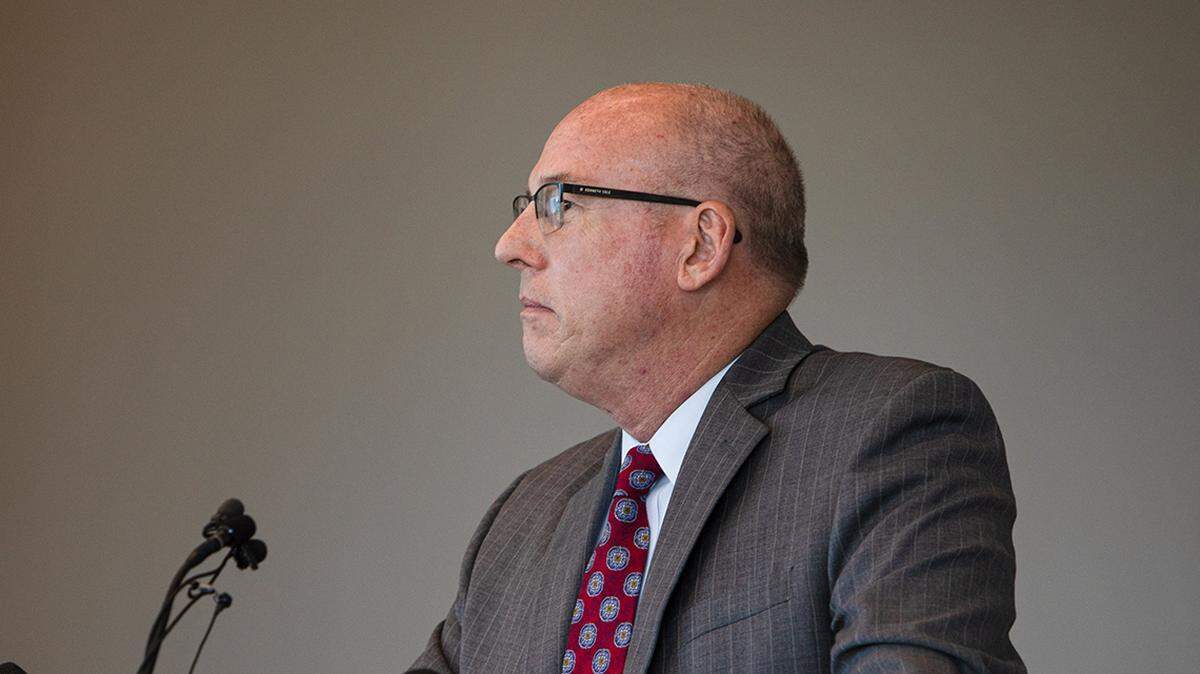
I’d like for the discretion to release footage to be left to Overland Park officials and not to others, including Johnson County District Attorney Steve Howe, who failed to bring charges in two high-profile police accountability cases: the fatal shooting of 17-year-old John Albers and the alleged misuse of charity funds by four officers with the department.
The next time there is a deadly encounter between Overland Park police and a member of the public, would Howe shut down releasing video footage by casting a no vote to protect police?
“I appreciate Chief Jokerst involving my office in the process of formulating this policy,” Howe said in a statement. “This policy does an excellent job of meeting both the needs of our community and our public safety partners.”
More local cities need policies
While the Overland Park Police Department’s updated policy is a positive development, when it comes to accountability and transparency I’d like to see other agencies in Johnson and Wyandotte counties enact similar measures.
To be frank, leaders with both the Kansas City, Kansas, Police Department and the Wyandotte County Sheriff’s Office should emulate the actions of their neighbors and release body-cam footage of deadly and other use-of-force incidents there.
The family of Charles Adair, a 50-year-old KCK man who died in the county jail, has called for the release of camera footage of his death, which was ruled a homicide.
The public has a right to see video of Wyandotte County Deputy Sheriff Richard Fatherley pressing his knee on Adair’s back for almost two minutes after pulling the diabetic man from a wheelchair, the family told reporters last year.
Fatherley was charged with second-degree murder in connection with Adair’s unfortunate and untimely death.
One way to gain the public’s trust is to release body cam footage expeditiously — agencies in Omaha, Nebraska, and San Jose, California, come to mind when I think of police departments that get it right. We can add Topeka to that list.
In San Jose, state law requires video and audio recordings of critical incidents to be released within 45 days. In cases of extraordinary public interest, the agency has leeway to expedite the release of these recordings and often do. On the police department’s website, the public can view videos of these encounters going back as far as 2019.
Omaha’s policy is much more restrictive — footage of critical incidents is usually released only after a grand jury concludes its findings. However, police officials in that city can declare an emergency exception in cases that garner public attention and release related video footage.

Sheila Abers advocates
Sheila Albers is the mother of John Albers. John was 17 years old when he was fatally shot by Overland Park police Officer Clayton Jenison. If not for poking, prodding and pressure from John’s parents, who knows if we would have ever seen video footage of a shooting that could and should have been avoided.
Since John’s death, Sheila Albers has advocated for better accountability and transparency from law enforcement agencies across the state.
In a recent email to me, Sheila wrote that Overland Park and Topeka should be used as examples of police departments implementing policies that reflect 21st century policing.
“Historically in Kansas, the public has invested millions of dollars into body worn cameras and data storage with the assumption that the cameras would build public trust and create accountability,” she wrote. “Sadly, more often than not, police departments and local municipalities have denied the public access to the body-worn camera footage. Chief Jokerst (Overland Park) and Chief Vallejo (Topeka) have taken a historic and monumental step forward with their new policies on the release of body worn camera footage.”
Albers’ email continued: “Police departments across the state of Kansas should follow the lead of Overland Park and Topeka because it is the policy and practice of releasing the footage that builds public trust and creates accountability.
“Cameras without a strong disclosure policy are meaningless.”
In Kansas, agencies tend to hide behind a state law that considers these videos as part of investigative records that cannot be released to the public. State statutes do not explicitly forbid agencies from enacting their own policies on the matter, though.
Overland Park and Topeka have shown us what’s possible. Will other Kansas agencies follow their respective leads or stick with the status quo?