$3.2 million Kansas City funding to revitalize jazz museum is worth it | Opinion
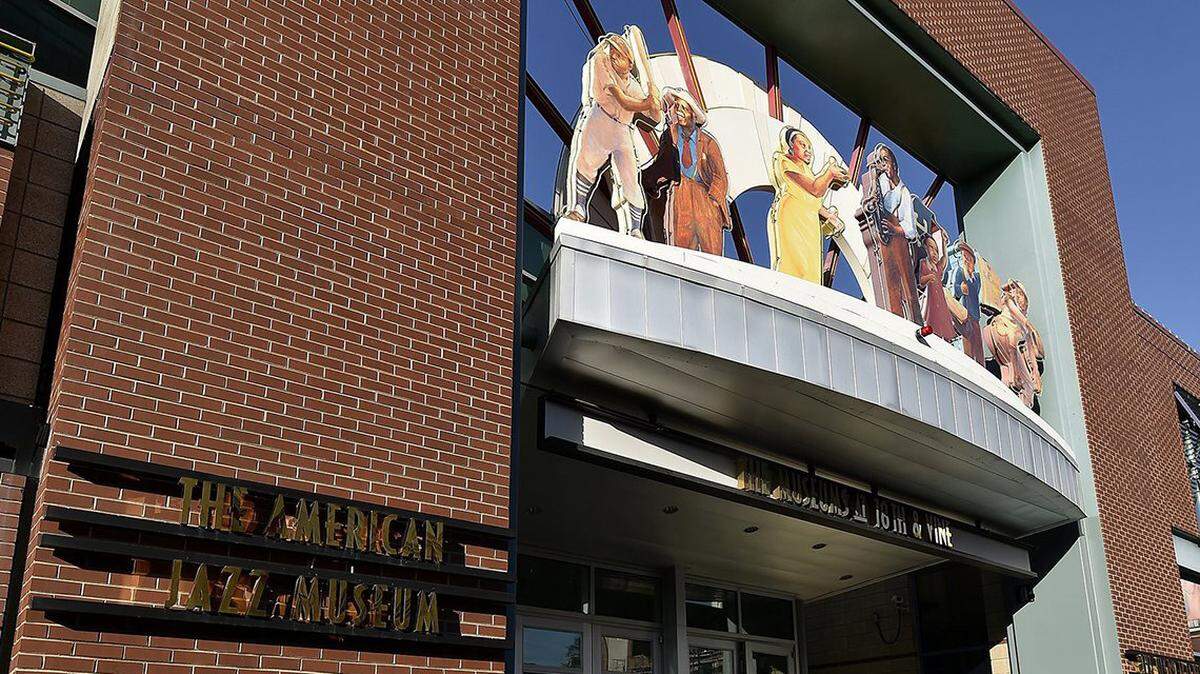
Much needed renovations are coming to the American Jazz Museum — if the Kansas City Council approves the museum’s $3.2 million funding request, that is.
The amount of money proposed to restore the iconic facility in Kansas City’s historic 18th and Vine Jazz District isn’t pocket change. I am in support of this endeavor — and anyone with a healthy amount of respect for this city’s rich cultural history should be too.
Nationwide, we’ve witnessed a relentless attack from the Trump administration on the cultural arts — the government has defunded, damaged or shut down all together art and history institutions all over the country.
No one should want to see an inkling of that happen to such an iconic place as the American Jazz Museum. Kansas City must continue to support one of its very own treasures.
An ordinance allocating the funds unanimously passed out of the council’s finance committee this week and will go before the full council on Thursday for a vote. I see no valid reason why the council would not invest in the city-owned building that houses the jazz museum.
Third District Councilwoman Melissa Robinson sponsored the measure, which 4th District at-Large Councilman Crispin Rea joined Tuesday as co-sponsor. If approved, the city would pay for the first phase of the restoration project with a combination of money pulled from the city’s public improvement ($1.2 million) and convention and sports complex ($2 million) sales tax funds, according to the proposal.
The American Jazz Museum would contribute an additional $300,000 to the project, museum board chair Stephenie Smith told the committee.
In a text message, Robinson said the city’s continued support of historical cultural assets is critical. She added that the proposed investment would be the foundation necessary for the museum to become self-sufficient.
“The Blue Room has tremendous potential to keep Kansas City as a global leader of jazz and increase the visitor experience which in turn will result in economic activity for the Historic 18th and Vine District,” Robinson wrote. “The more economic activity, the less public subsidy is needed.”
Major improvements to the museum seem promising. They include:
- Upgraded sound and performance stages and galleries.
- New exhibits that would feature previously unreleased collections of historic jazz films and other media. (One of the knocks on the museum in the past has been its dearth of rotating exhibits. In recent years, progress has been made on that front. I am hopeful this plan completely eliminates that criticism.)
- Reconfiguring the Blue Room, the museum’s Atrium and the Swing Shop gift shop and other critical building repairs. The museum plans to add a cafe, too. (As a lover of good coffee and great food, I approve of this concept.)
- Upgraded pedestrian walkways and improved lighting.
- Expanded educational programming for schoolchildren and other visitors.
In all, these initiatives are part of a larger, ongoing effort to solidify the museum’s status as a top-tier national attraction, Smith, the board chair, wrote in an email.
Reimagined 18th and Vine district
The overall project will be broken into four parts, according to Smith. The upgrades would be a part of a reimagined 18th and Vine. Several reclamation projects are ongoing in the district, including the construction of the Black Movie Hall of Fame inside Kansas City’s historic Boone Theater and redevelopment of the Parade Park Homes site.
The American Jazz Museum shares space with the Negro Leagues Baseball Museum, but the NLBM plans to relocate into a new building adjacent to the 18th and Vine district, leaving the jazz museum with even more room to redevelop. Details on how museum leaders would use that space will be addressed down the road, according to Smith.
“The American Jazz Museum is a cornerstone of Kansas City’s cultural arts,” Smith wrote. “With our partners, we are restoring 18th and Vine through a collective vision for educational, economic, and geographic revitalization. The American Jazz Museum has not seen this level of investment in more than 25 years.”
I’ve long believed that the American Jazz Museum was a cultural institution worth investing in. Back in 2018, the museum was bleeding money because of financial mismanagement, leadership instability and outdated exhibits. A few years later, the venerable establishment was on the upswing. Now that the museum is finding its way, this $3.5 million project will spearhead a larger capital campaign to further cement the museum’s standing as an international destination, Smith wrote.
“The American Jazz Museum, like other cultural institutions, benefits from the support of local, regional and federal government entities,” she wrote. “We will continue to collaborate with all of our funding partners … to ensure we are doing our part to be a meaningful investment. The history of jazz and its innovators are worth it.”
Kansas City’s connection to jazz is well-documented. But no one could argue that the museum is not in need of a modern-day upgrade.
Will the full City Council see it that way?