Were KC-area deputies not trained before man died in jail? Here’s what we know

It’s unclear if jail workers received up-to-date, consistent training on use of force before an inmate died at the Wyandotte County jail earlier this year, or whether officers knew about the man’s pre-existing medical issues, court documents have revealed.
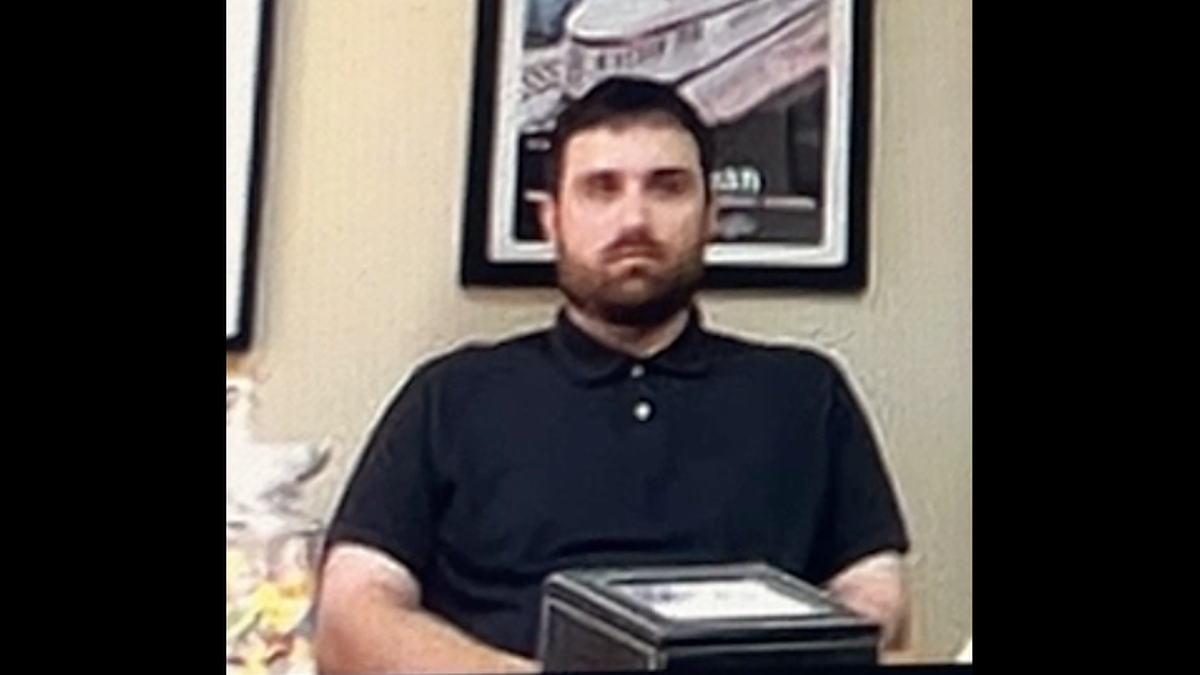
Richard Fatherley has been charged with second-degree murder and involuntary manslaughter after investigators say he knelt on Charles Adair’s back for one minute and 26 seconds before he died.
Statements from deputies and investigators in court documents indicate that some employees may not have received training for three to five years.
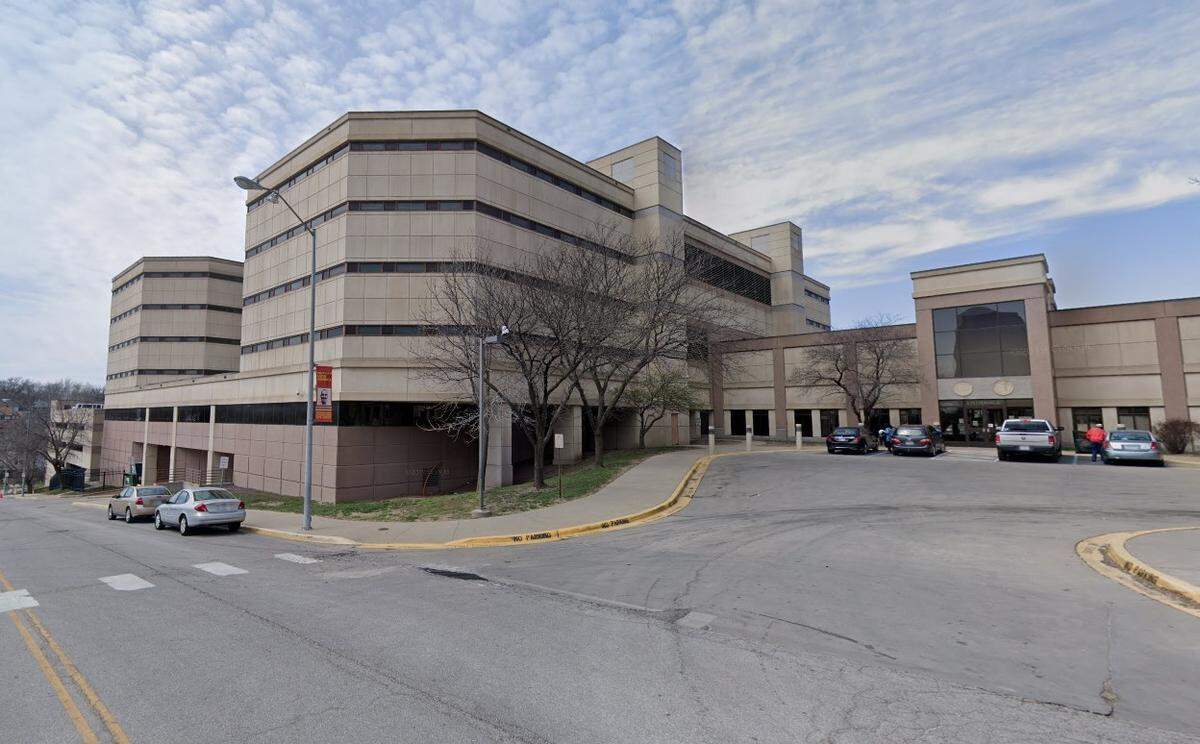
An altercation between Adair, 50, and deputies in the jail July 5 led to him being restrained. Adair was being wheeled back to his cell after getting treatment around 8:30 p.m. for a pre-existing wound on his leg in the infirmary, court documents said.
He was later found unresponsive on his bunk and medical staff pronounced him dead that evening, according to court documents. A medical examiner later ruled Adair’s death a homicide.
Fatherley allegedly continued to kneel on Adair’s back even after some other deputies believed he had become compliant with officer orders. Other jail employees said Adair never complied.
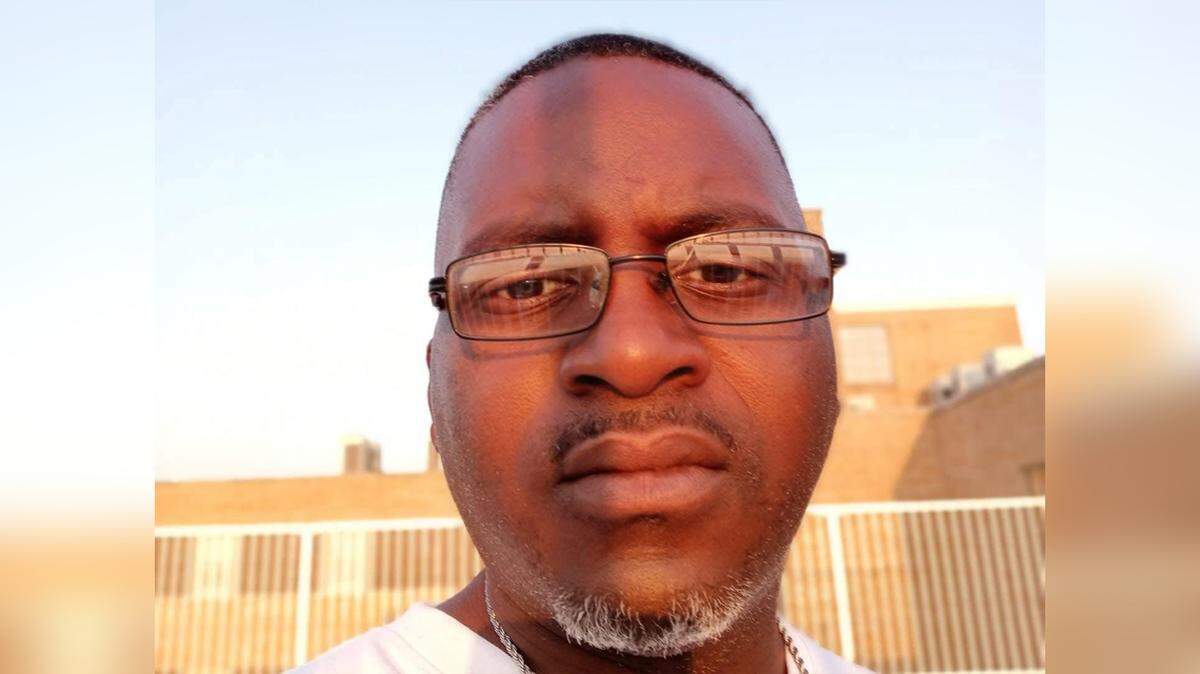
Adair was in custody on misdemeanor warrants for failure to appear in court for traffic violations. During a medical screening when he was booked into jail, Adair identified having multiple pre-existing medical conditions: hypertension, diabetes, schizophrenia, high cholesterol, hyperlipidemia, blood clots and a pace maker.
In an affidavit from the Kansas Bureau of Investigation, deputies at the Wyandotte County Jail were asked in interviews if they had been taught what to do when someone previously non-compliant and being restrained shows verbal or physical compliance.
“Deputies affirmed they were educated in what to do in use of force situations and advised they were taught to stop all force, restraint techniques, and to monitor the situation to see if the person stays compliant,” the KBI said in its affidavit.
However, investigators also noted in the affidavit that the last hands-on training for defense tactics most deputies had was in their “basic academy.”
The last training in which deputies reviewed “hands-on” techniques was three to five years ago, according to the affidavit.
That goes against what law enforcement experts generally agree is best practice – which is annual training on issues like use of force and restraints.
In an email, Capt. Michael Kroening, a spokesperson for the Wyandotte County Sheriff’s Department, said the agency completes use of force training each year.
Kroening said in an email that with the ongoing criminal case he could not discuss specifics of what that training entails.
It is unclear whether Wyandotte County’s annual training is administered to employees within the jail in addition to other deputies employed by the department.
Fatherley, who has worked for the sheriff’s department since May 9, 2024, is not a certified law enforcement officer, officials said in September. He has only worked in the Wyandotte County Detention Center.
Did deputy use excessive force?
A retired corrections officer and jail warden reviewed court documents filed in support of charges against Fatherley at the request of The Star.
Joseph Gunja has been an expert witness in court cases involving prisons and spent three years of his more than 30-year career in jail and prison management at the Federal Bureau of Prisons Headquarters.
His work there focused on training, policy development, crisis evaluation, crisis intervention, and auditing.
Based on the KBI affidavit and Adair’s autopsy, Gunja said he believes the altercation between Fatherley and Adair could amount to an excessive use of force.
“They’re just supposed to be taught to use the minimal force necessary to control the inmate, and you never want to use anything above that, because things like this can happen,” Gunja said.
Training for these situations, Gunja said, should happen every year at a minimum. He said the disturbance that Adair created is something that corrections officers should have protocol in place to handle.
It’s pretty standard practice for corrections officers to have around two weeks of training when they are hired, then receive 40-80 hours of training each year, Gunja said. During that time, agencies usually review all areas of working in the jail, use of force, restraints, and other policies and procedures.
Gunja said it’s unclear whether Fatherley or the other officers at the Wyandotte County Jail knew about Adair’s medical conditions because of the way they handled the disturbance.
“I mean, the guy was in a wheelchair, and then I guess he got out of the wheelchair, and he was creating a disturbance,” Gunja said. “And I know the officers are probably all stressed out… but you still got to calm down and do what you’re trying to do.”
Gunja said officers should be learning ways to calm people down when they are distressed. Deescalation tactics and communication skills are usually a big part of hands-on officer training for these situations.
When an inmate is distressed, moving them to another part of the jail can also be effective, Gunja said. Officers handling people with medical conditions like Adair will often keep them in an infirmary for medical observation.
Depending on staffing constraints, that may not always be possible, Gunja said.
Restraint policy advices caution
The Wyandotte County Sheriff’s Office denied a request for any documentation describing Adair’s medical conditions that jail staff were made aware of, citing a state law that exempts medical records.
According to the sheriff’s office policy on handcuffing and restraints, deputies are trained to balance safety with factors like crime severity, the person’s demeanor, age, health, pregnancy and disabilities.
Police restraints have been the subject of a number of court cases in recent years. In 2020, an officer knelt on George Floyd’s neck for over nine minutes while Floyd, unresisting, repeatedly told Minneapolis officers he could not breathe. Medical examiners found the police restraint caused a lack of oxygen, leading to Floyd’s death.
The issue of restraint-related deaths has caused organizations like the Police Research Executive Forum (PERF) to compile and release guidelines on restraints for departments across the country.
In 2024, PERF produced a report titled “15 Principles for Reducing the Risk of Restraint-Related Death.” The report outlined ways for law enforcement to restructure restraint policies and procedures.
It included specific guidelines for how to recognize medical emergencies.
The report came after an Associated Press investigation found that over a decade, on average, 100 people died each year from “less lethal” methods of force, including restraints.
Gunja said that from court documents, it’s hard to tell whether Fatherley followed the sheriff department’s policy on restraints, and if he was properly trained for use of force situations like the one he found himself in on July 5.
“The biggest thing to avoid use of force is to talk to them,” Gunja said. “We used to call it confrontation avoidance, where the inmate doesn’t want to submit to restraints or move from point A to point B. The first thing we always did is just try to talk to them before we actually had to use force.”
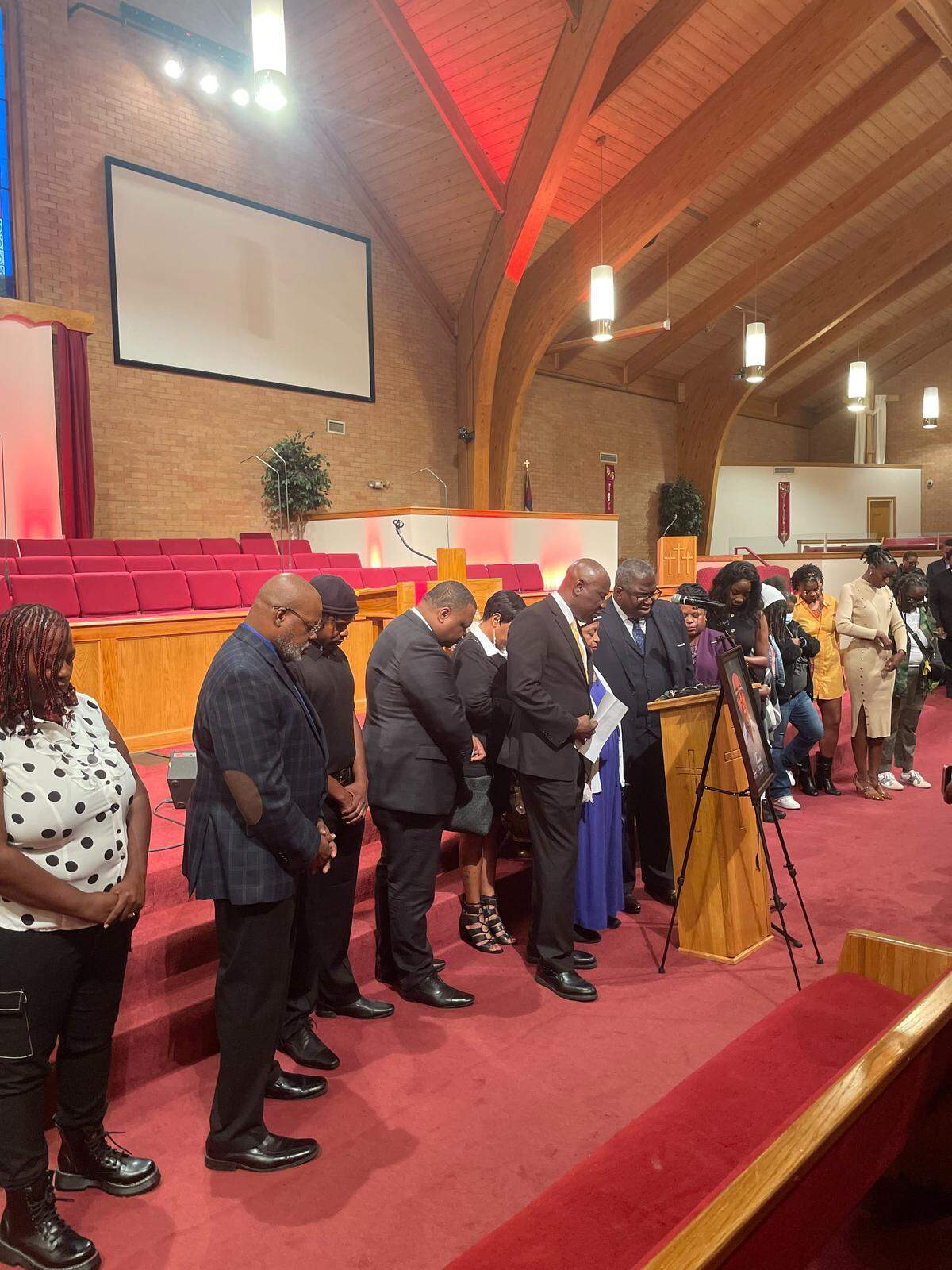
Adair’s family has been vocal about their grief and unrest since his death. They have called on the sheriff’s office to release body camera footage of the incident and hired civil rights attorneys with the intent to sue for wrongful death.
The family has also criticized the Wyandotte County District Attorney’s Office for its decision to not arrest Fatherley. Officials said it’s common for officers facing charges to be issued a summons to appear instead of taking them into custody.
Fatherly appeared over Zoom for the first hearing in the case Nov. 18. During the hearing, he waved a reading of charges and a new court date was set for 1 p.m. Dec. 19 in Division 5 of Wyandotte County District Court.